Free shipping on all orders over $125*

Synbiotic Blend of 10 Beneficial Strains, Developed by Board-Certified Gastroenterologist

Digestive Health

Digestive Health related factors related to maintaining a healthy gut.

Gut-Brain Connection: How Probiotics Support Mental and Cognitive Health

The Gut-Brain Connection: How Probiotics Support Mental and Cognitive Health

How Probiotics Support Mental and Cognitive Health

When most people hear “probiotics,” they think about digestive health. But did you know your gut does much more than help you digest pizza or salad? Scientists now know that your gut and brain are in constant communication, and the right probiotics can make a big difference for your mood and ability to think clearly—no matter your age.


The Gut-Brain Axis: Your Body’s Secret Communication Superhighway

Your gut and brain are connected by a network called the gut-brain axis. Think of it like a super-fast messaging app between your stomach and mind. The “texts” they send travel through:

  • Nerves: The vagus nerve runs from your gut up to your brain, passing along important signals from your gut/digestive symptoms to your brain.
  • Chemicals: Your gut also uses neurotransmitters, like serotonin and dopamine, the brain’s happy messengers, to talk directly to your brain.
  • Immune Signals: Gut bacteria help control inflammation, which can protect your brain by ensuring the pathways described above maintain their peak performance.

When your gut bacteria, also called your “microbiome,” are healthy, it boosts both your brain and mood. When your microbiome is out of balance, it affects how well you process stress, remember things, or handle anxiety. Clearly, if you’re under stress or suffering from anxiety, it’s important to keep your gut-brain axis as healthy as possible.


How Probiotics Influence Your Mind and Mood

Probiotics are the “good microbes” that live in your gut and come from either probiotic supplements or gut-friendly foods like yogurt and fermented foods like kombucha. Research shows that probiotic bacteria help your mental health by:

  • Calming Stress: Probiotics can lower stress hormone levels (like cortisol) and send relaxing signals to your brain.
  • Boosting Mood: By helping your gut make more serotonin, probiotics are shown to help reduce symptoms of depression and anxiety.
  • Improve Focus and Memory: Recent clinical studies, especially those using multi-strain probiotics, found improved reaction time, sharper thinking, and better executive function by enhancing your brain’s command center for decision-making.

Neuroimaging research (think: brain scans) has shown that taking probiotic supplements doesn’t just help your gut; they actually change how your brain works!

In fact, studies show that people who take probiotics regularly have:

  • Stronger Connections In Regions of the Brain Linked to Maintaining Focus
  • Reduced Activity In Areas That Lead to Negative Thoughts Or Feeling Distracted
  • A Boost In Regions of The Brain That Handle Emotion And Stress


What Does the Latest Science Say?

Recent experiments and meta-analyzes have found that regular probiotic use can:

  • Decrease Anxiety And Depression Scores on Mental Health Tests
  • Reduced Physical Stress Responses – Like a Racing Heart When Nervous
  • Help With Emotional Balance and Sharper Thinking, Even Under Pressure

One review from 2024 used brain scans to show that probiotics increase brain connectivity in networks that help you stay calm and collected, especially when you’re feeling overwhelmed. This means probiotics really help your brain handle stress better.


Myth Busting

There is a lot of misinformation out there about gut health, gut diseases, and probiotics. Especially probiotic supplements. Don’t fall for these common misconceptions:

  • “Probiotics are Only for Digestion.” This is False! Probiotics Have Direct Impacts on Your Mood And Cognitive Function via the Gut-Brain Axis.
  • “All Probiotics Are The Same.” Not True. Multi-Strain Probiotics (Using Different Bacteria) Offer The Biggest Mental Benefits According to Recent Peer-Reviewed Studies.
  • “You’ll Feel Changes Overnight.” This is Another Misconception. Perceptual Mind and Mood Benefits Typically Emerge/Appear After A Few Weeks Of Regular Use.

The Key is regular use. If you take intermittent doses of probiotics, either through eating a healthy diet without processed food or through probiotic supplementation, your results will be reduced.


Simple Definitions

  • Gut Microbiome: The Collection of Good and Bad Bacteria Living Inside Your Digestive System.
  • Probiotics: Good Bacteria, Often Found In Healthy Foods, or in Probiotic Supplements, That Help Your Gut and Brain Function Better.
  • Neurotransmitters: Chemicals Like Serotonin and Dopamine That Pass Signals Between Your Gut and Brain.
  • Executive Function: Your Brain’s Ability to Plan, Focus, Remember, and Make Decisions.
  • Serotonin: A Chemical In Your Body Associated With Calmness, Focus, and Well-Being. It Also Plays a Significant Role in Digestive Functions, Appetite, and Sleep.
  • Dopamine: A Chemical In Your Body Linked to the Brain’s Reward System, Motivation, Pleasure, and Motor Control.


Everyday Tips for a Healthier Gut-Brain Connection

Here’s how to boost your gut-brain health today:

  • Eat More Fiber-Rich Foods – Veggies, Fruits, and Whole Grains are Your Gut’s Favorite Food and Diets Rich with Fiber Reduce the Need For Probiotic Supplements.
  • Try a Quality Multi-Strain Probiotic. Products like EndoMune Advanced Probiotics are Formulated Specifically to Support Both Gut and Mental Wellness.
  • Limit Sugary Drinks and Processed Snacks, Which Feed Bad Bacteria and Hurt Gut Health.
  • Manage Stress Through Activities You Enjoy – Music, Sports, or Quality Time with Friends Help Your Mind Reduce Stress and Anxiety.
  • Get Plenty of Sleep. Your Gut And Brain Both Need Rest to Perform at Peak Efficiency.

Key Takeaway: Take Charge of Your Brain—From the Inside Out

With new scientific research showing how important the gut-brain axis is to your mental health and mood, repairing or enhancing your gut health could be the key to thinking faster, feeling better, and staying resilient in tough times – without drugs or other medication. A simple daily addition like a multi-strain probiotic could help unlock both a healthier gut and a happier mind.


References

  1. “What Is the Gut-Brain Connection?”, Cleveland Clinic: https://my.clevelandclinic.org/health/body/the-gut-brain-connectionclevelandclinic
  2. “The gut-brain connection: What the science says”, Stanford Medicine: https://med.stanford.edu/news/insights/2025/03/gut-brain-connection-long-covid-anxiety-parkinsons.html
  3. “4 Fast Facts about the Gut-Brain Connection”, NCCIH: https://www.nccih.nih.gov/news/events/4-fast-facts-about-the-gutbrain-connection
  4. “Probiotics as modulators of gut-brain axis for cognitive development”, Frontiers in Pharmacology: https://www.frontiersin.org/journals/pharmacology/articles/10.3389/fphar.2024.1348297/full
  5. “From gut to brain: unveiling probiotic effects through a neuroimaging perspective”, Frontiers in Nutrition: https://www.frontiersin.org/journals/nutrition/articles/10.3389/fnut.2024.1446854/full
  6. “Probiotics reduce negative mood over time: the value of daily self-assessment”, Nature: https://www.nature.com/articles/s44184-025-00123-z
  7. “Gut–sleep–brain axis: Probiotics may improve sleep & mood”, NutraIngredients: https://www.nutraingredients.com/Article/2025/07/23/gutsleepbrain-axis-probiotics-may-improve-sleep-mood

The Gut-Brain Connection: How Probiotics Support Mental and Cognitive Health Read More »

Sugar Substitutes: Are They Good for Your Gut?

Sugar Substitutes: Are They Good for Your Gut?

What Are Sugar Substitutes?

Sugar substitutes, or sugar alternatives, replace sugar in foods and drinks to reduce calories and help people manage their blood sugar levels. The most common types include artificial sweeteners (like Aspartame and Sucralose,) and natural alternatives (like Stevia and Erythritol). These are found in processed food products of all types, including: sodas, chewing gum, packaged snacks, and almost anything labeled “sugar-free”.


Why Do People Use Sugar Substitutes?

Many people switch to sugar substitutes because they want to avoid the negative health effects associated with regular sugar, like weight gain and diabetes. The growing demand for healthier options to replace sugar pushed sugar alternatives into focus, especially for those who are health-conscious.


How Do Sugar Substitutes Affect Gut Bacteria?

Your gut microbiome comprises trillions of bacteria that help you digest food, fight disease, and keep your body balanced. The type of sweetener you consume has very different effects on these bacteria:

  • Artificial Sweeteners (Sucralose, Saccharin, Aspartame):
    Research shows that synthetic sweeteners like Sucralose and Saccharin can reduce the diversity of gut bacteria and even promote the growth of certain harmful bacteria with sustained consumption of artificial sugar substitutes. This imbalance, called “dysbiosis,” may affect digestion, immune function, and even blood sugar control.
  • Natural Sweeteners (Stevia, Erythritol):
    Stevia is considered safer for the gut microbiome compared to most artificial sweeteners, with studies showing no significant changes in the overall makeup of gut bacteria after regular use of natural sweeteners. Interestingly, some studies suggest Stevia might help maintain “good” bacteria, and Stevia’s natural anti-inflammatory properties might help support gut health.
  • Individual Differences:
    However, not everyone reacts the same way – some people experience bigger changes in their microbiome than others after consuming either natural or artificial sweeteners. Consequently, caution is advised for anyone considering sugar substitutes to replace or reduce the amount of sugar in their individual diets.
  • Peer-Reviewed Research: To read a recent (May 2025) peer reviewed study on Synthetic vs. non-synthetic sweeteners click here to download the PDF.


The Good, the Bad, and the Unknown


Best Options for Gut Health

  • Stevia:
    Doesn’t seem to harm the gut microbiome in healthy adults and might provide benefits thanks to its anti-inflammatory effects. Stevia’s effect on blood sugar depends on the amount consumed and your diet.
  • Erythritol:
    Generally, it is considered safe for most people and doesn’t appear to upset the balance of gut bacteria, but more research is needed to understand Erythritol’s long-term impact on both gut and overall health.

Watch Out For:

  • Aspartame/Sucralose/Saccharin:
    Frequent use can lower the diversity of bacteria in the gut, which is linked to health problems like weight gain and poor glucose control.


Can Probiotics Help?

If you use artificial sweeteners and are concerned about how they affect your gut microbiome, probiotics may be helpful. Probiotics are “good” bacteria that support a healthy gut environment and can restore balance if your microbiome is disrupted by all types of sweeteners or a poor diet with lots of processed food. Regularly adding probiotics to your routine may help offset some of the negative effects artificially sweetened foods have on your gut.

Shop now for high-quality probiotics that support gut health: https://endomune.com/shop-probiotics/


Key Takeaways

  • Choose natural sweeteners like Stevia or Erythritol when possible.
  • Limit the amount of artificial sweeteners (Aspartame, Sucralose, Saccharin) in your diet since the current research suggests artificial sweeteners inhibit/reduce optimal gut health.
  • Support your gut with probiotics like EndoMune Advanced Probiotics, and eat a diverse, fiber-rich diet. Fiber is a natural prebiotic and helps maintain gut health naturally without artificial additives.

References & Further Reading

Sugar Substitutes: Are They Good for Your Gut? Read More »

Dietary Recommendations for IBD or IBS

Diet Recommendations for IBD or IBS: Eat Well, Feel Your Best

When you’re living with IBD (Inflammatory Bowel Disease) or IBS (Irritable Bowel Syndrome), what’s in your fridge and on your plate matters. A healthy, tailored diet not only eases symptoms but also boosts the effects of probiotics, giving your gut its best shot at healing and balance.


Best Diet Practices for IBD (Crohn’s Disease & Ulcerative Colitis)


What is IBD?

IBD creates real, lasting inflammation inside your digestive tract. Although no diet can cure IBD, eating the right foods makes a big difference in how you feel day-to-day. Here are some tips you can use to manage and perhaps reduce your IBD symptoms.

For a complete discussion of the differences between IBD and IBS, read our informative primer by clicking here.

Core IBD Eating Strategies:
  • Eat Softer, Lower-Fiber Foods During Flare-Ups. Options Like White Rice, Plain Cereals, Well-Cooked Veggies, Applesauce, and Tender Proteins (Chicken, Eggs, Tofu) are Easier to Digest and Help Calm Your Gut During Flare-Ups.
  • Focus On Gentle Proteins Such as Poultry, Fish, Eggs, and Nut/Seed Butters.
  • Fatty Fish (Like Salmon) Brings Inflammation Down, Thanks to Omega-3s.
  • Choose Healthy Fats: Avocados, Olive Oil, and Nut Butters Support Healing of the Gut Lining.
  • During Remission, Gradually Add More Fiber From Fruits, Vegetables, Beans, and Whole Grains, but Watch How Your Gut Reacts.
  • Nourish With Probiotics: Yogurt (With Live Cultures), Kefir, Fermented Veggies, and Miso Help Rebalance Gut Bacteria and May Aid Remission.
Foods to Avoid if You Have IBD:
  • Seeds, Nuts, Popcorn (Can Irritate The Gut When Inflamed)
  • High-Fat, Fried, or Strongly Spiced Foods
  • Caffeine, Alcohol, and Carbonated Drinks
  • Raw Skins Of Fruits and Fibrous Vegetables During Flare-Ups
  • Dairy, If Lactose Intolerant


Smart Diet Choices for IBS (Irritable Bowel Syndrome)


What is IBS?

IBS is about gut function, not damage. Unlike IBD, with IBS your gut lining appears to be fine, but it doesn’t feel that way. However, like IBD, the wrong foods can trigger bloating, gas, and unpredictable emergency bathroom trips.

Winning IBS Meal Strategies:
  • Try A Low-FODMAP Diet: This Diet Temporarily Removes “Fermentable Carbs” (Like Onions, Garlic, Wheat, Certain Fruits, and Beans), then Reintroduces Them One at a Time to Find Your Triggers.
  • Gentle Proteins: Chicken, Turkey, Fish, Eggs, and Tofu are Least Likely to Upset Your Gut.
  • Cooked Veggies Over Raw: Steam or Bake Carrots, Zucchini, and Squash. Limit Broccoli, Cauliflower, and Cabbage, which Can Make Gas and Bloating Worse.
  • Stick To Soluble Fiber: Oats, Peeled Apples, Bananas, and Carrots Help Soothe Gut Tissues.
  • Low-Lactose Dairy Or Lactose-Free Milk: If You’re Sensitive to Lactose, Choose Alternatives or Probiotic Yogurt.
  • Probiotics: Combining Dietary Changes with Daily Probiotic Supplements (Especially Those With Lactobacillus and Bifidobacterium) Helps Ease Gas, Pain, and Irregularity.
Foods to Avoid in IBS:
  • High-FODMAP Foods: Wheat, Beans, Honey, Milk, Onions, Apples
  • Caffeine, Spicy Foods, Fried Foods
  • Cruciferous Veggies: Broccoli, Cabbage, Brussels Sprouts
  • Artificial Sweeteners like Sorbitol and Xylitol

Pro-Tip: Keep a food journal! Your symptoms and triggers are unique. Tracking what you eat helps spot patterns and avoid flare-ups.


Your Gut Health Action Plan:

  1. Work With Your Doctor Or a Registered Dietitian, Especially for Personalized Plans or if You’re Struggling with Symptoms You’re Unable To Manage Alone.
  2. Be Consistent With Dietary Changes and Always Combine with Daily Probiotics for Better Results.
  3. Shop Smart: Choose Probiotic Supplements That Clearly List Strains and CFU (Colony Forming Units), Like Those From Endomune.

Want to Learn More?

Explore these resources for IBD/IBS-friendly diets and the science behind them:

Diet Recommendations for IBD or IBS: Eat Well, Feel Your Best Read More »

EndoMune IBD or IBS Differences Blog

IBD or IBS? Understanding the Difference and How Probiotics Can Help

Confused about IBD and IBS?

You’re not alone. Millions of people struggle to understand the difference between IBD and IBS – two conditions that sound similar but affect your digestive system in completely different ways.

Understanding which condition you have will make all the difference in finding the right treatment and feeling better faster. Let’s explore these conditions in simple terms and learn how probiotics can transform your digestive health.


What Makes IBD and IBS Different?

These two digestive conditions share similar-sounding names, but they impact your gut in vastly different ways. Here’s what sets them apart:

IBD (Inflammatory Bowel Disease): The Serious Inflammation Fighter

IBD stands for Inflammatory Bowel Disease – a serious condition that creates real, visible damage in your digestive tract.

Key characteristics of IBD:
  • Location: Affects Your Small Intestine, Large Intestine, Or Both
  • Main Types: Includes Crohn’s Disease And Ulcerative Colitis
  • What Happens: Your Immune System Mistakenly Attacks Your Digestive Tract
  • Visible Damage: Doctors Can See Inflammation, Ulcers, And Tissue Damage During Tests
  • Symptoms: Bloody Diarrhea, Significant Weight Loss, Fever, And Extreme Fatigue
  • Genetic Component: Family History Increases Your Risk, Though No Single Gene Causes IBD

Take Action: If you experience bloody stools or unexplained weight loss, schedule an appointment with a gastroenterologist immediately.


IBS (Irritable Bowel Syndrome): The Functional Troublemaker

IBS stands for Irritable Bowel Syndrome—a functional disorder that affects how your gut works without causing permanent damage.

Key characteristics of IBS:
  • What It Is: A Disorder Of Gut-Brain Communication, Not Structural Damage
  • Appearance: Your Intestines Look Completely Normal Under A Microscope
  • Symptoms You’ll Experience: Abdominal Pain, Bloating, Gas, And Bathroom Habit Changes
  • No Progression: IBS Never Develops Into IBD or Causes Lasting Intestinal Damage
  • Daily Impact: Can Significantly Affect Your Quality Of Life Despite Being “Functional”
Quick Reference: IBD vs. IBS Comparison

IBD and IBS Quick Reference Comparison Chart


How Probiotics Combat Both IBD and IBS

Probiotics – are beneficial bacteria that keep your gut healthy, provide powerful support for both conditions, although they work differently for each.

Probiotics Combat IBD Inflammation

Scientific evidence shows probiotics can:

  • Reduce Inflammatory Markers In Your Digestive Tract
  • Strengthen Your Intestinal Barrier Function
  • Help Prevent Flare-Ups When Combined With Medical Treatment
  • Support Your Gut’s Natural Healing Processes

Important note: Probiotics complement but never replace prescribed IBD medications. Always work with your gastroenterologist.


Probiotics Combat IBS

Research Demonstrates Probiotics Can:

  • Significantly Reduce Bloating, Gas, And Abdominal Pain
  • Improve Bowel Movement Regularity And Consistency
  • Enhance Gut-Brain Communication
  • Provide Relief Within 4-8 Weeks Of Consistent Use

Specific strains that help IBS

  • Lactobacillus Species For Pain Reduction
  • Bifidobacterium Strains For Bloating Relief
  • Multi-Strain Formulas For Comprehensive Digestive Support

Ready to start feeling better? Explore EndoMune’s Advanced Probiotic clinically proven probiotic formulations designed specifically for digestive health support.


Your Action Plan: Choosing the Right Probiotic

Essential Selection Criteria:

  • Look For Specific Strain Names On The Label (Not Just “Lactobacillus”)
  • Choose Multi-Strain Formulas For Broader Digestive Support
  • Verify Clinical Research Backing The Specific Strains
  • Commit To Consistency—Take Daily For At Least 4-8 Weeks
  • Combine With Lifestyle Changes: Fiber-Rich Diet And Regular Exercise

Important Safety Note:

Always consult your healthcare provider before starting any new supplement, especially if you have diagnosed digestive conditions or take medications.


Take Control of Your Digestive Health Now

Understanding whether you have IBD or IBS empowers you to make informed decisions about your health. While IBD requires medical management, IBS responds well to dietary changes, stress reduction, and targeted probiotic support.

Don’t let digestive issues control your life any longer. Whether you’re dealing with IBD or IBS, the right probiotic support can make a meaningful difference in how you feel every day.

Ready to start your journey to better digestive health? Check out EndoMune’s probiotic lineup to find probiotic supplements with clinical-grade, multi-strain probiotic formulas clinically proven and designed for real gut health support.


Want to Dig Deeper?

Here are some research links you can trust for more info:

IBD or IBS? Understanding the Difference and How Probiotics Can Help Read More »

how to stay healthy during a boil water notice: tips and the role of probiotics

How to Stay Healthy During a Boil Water Notice: Tips & the Role of Probiotics

Quick Facts: Boil Water Notices & Your Health

How to Stay Healthy During a Boil Water Notice

Question Answer
What is a boil water notice? A public health advisory to boil tap water before use due to possible contamination.
Why are boil water notices issued? Usually after water main breaks, power outages, source water contamination, or loss of pressure in the water system.
What health risks are involved? Potential exposure to bacteria, viruses, and parasites that can cause stomach illness.
How long should water be boiled? Bring to a rolling boil for at least 1 minute (longer at high altitudes).
Can probiotics help after a boil water notice? Certain strains may help protect gut health if you accidentally ingest contaminated water.


Why Do Boil Water Notices Happen?

Boil water notices are issued when something happens that could let germs into your water supply. This can include water main breaks, floods, power outages, or a sudden loss of water pressure. Boil water notices may also be triggered if the source water supply is contaminated by a spill, accident, or natural disaster. These events make it possible for bacteria, viruses, or parasites to get into your tap water, which could make you sick.


Health Risks During a Boil Water Notice

If you drink or use unboiled tap water during a boil water notice, you risk getting sick from harmful microbes. These can cause symptoms like:

  • Diarrhea
  • Nausea and vomiting
  • Stomach cramps
  • Headaches

Infants, young children, older adults, and people with weakened immune systems are at higher risk for serious illness. If you have anyone in your household that are immuno-compromised, extra vigilance is warranted.


Best Practices for How to Stay Healthy in a Boil Water Notice

To protect yourself and your family during a boil water notice, follow these steps:

  • Boil All Tap Water For At Least 1 Minute Before Drinking, Cooking, Brushing Teeth, Or Washing Fruits and Vegetables.
  • Use Bottled or Boiled Water for Making Baby Formula, Coffee, And Ice.
  • Wash Dishes with Boiled or Disinfected Water or Use Disposable Plates and Utensils.
  • Bathe And Wash Hands as Usual but Avoid Swallowing Water.
  • Flush Faucets And Replace Water Filters After The Notice Is Lifted.


How Probiotics Can Help Protect Your Health

Even with precautions, accidental exposure to contaminated water can happen. Probiotics—live, beneficial gut bacteria—may help support your gut’s natural defenses during this time:

  • Strengthen The Gut Barrier: Certain Probiotic Strains (Like Lactobacillus and Bifidobacterium) Help Keep the Lining of Your Intestines Strong, Making it Harder for Harmful Germs to Cause Problems.
  • Compete With Pathogens: Probiotics Can Crowd Out Bad Bacteria and Viruses, Reducing the Risk of Infection.
  • Support Immune Function: A Healthy Gut Microbiome Boosts Your Immune System, Helping Your Body Fight Off Invaders.
  • Reduce The Impact of Accidental Exposure: Some Studies Suggest Probiotics May Help Lower the Risk or Severity of Diarrhea Caused by Contaminated Water or Food.


Why Choose EndoMune Advanced Probiotic?

EndoMune Advanced Probiotic contains 10 research-backed strains of beneficial bacteria—including Lactobacillus and Bifidobacterium—plus a prebiotic to nourish them. This combination supports a healthy gut, strengthens your immune system, and helps your body defend itself during times of increased risk, such as after a boil water notice.


Frequently Asked Questions (FAQs)

Q: Can I shower or bathe during a boil water notice?
A: Yes, as long as you don’t swallow the water. Be extra cautious with infants and young children.

Q: Is it safe to wash clothes during a boil water notice?
A: Yes. Washing clothes in regular tap water is safe.

Q: Should I use boiled water for brushing my teeth?
A: Absolutely. Always use boiled or bottled water for brushing teeth during a boil water notice.

Q: How do probiotics help if I accidentally drink contaminated water?
A: Probiotics can help your gut resist harmful germs, reduce inflammation, and support your immune system, which may lower your risk of getting sick.

Q: When should I start taking a probiotic?
A: Probiotics are most effective when taken daily as part of your routine, but they may be especially helpful during and after a boil water notice.

Call to Action

Stay safe during a boil water notice by following public health guidelines and supporting your gut with a daily probiotic like EndoMune Advanced Probiotic. If you have health concerns or symptoms, consult your healthcare provider.

Sources

  1. Drinking Water Advisories: An Overview – CDC
  2. Understanding Boil Water Notices – TCEQ
  3. Boil Water Response – NY Department of Health
  4. Boil Water Notices FAQ – Murphy, TX
  5. Boil Water Notices FAQ – NY Department of Health

Possible Roles of Probiotics and Gut Microbiota – PubMed Central

How to Stay Healthy During a Boil Water Notice: Tips & the Role of Probiotics Read More »

Gut-Brain Connection, probiotics and Alzheimer's

Probiotics and Alzheimer’s: Unlocking the Gut-Brain Connection for Healthy Aging

Have you ever heard the phrase “trust your gut”? Science now shows that your gut health doesn’t just affect your stomach; it also affects your brain. Exciting new research reveals that probiotics, the “good” bacteria found in probiotic supplements and certain foods, might play a key role in keeping your brain healthy as you age and could even help slow the progression of Alzheimer’s disease.


Ready to explore how probiotics can support your brain health? Keep reading to discover the latest research and practical steps you can take today.


The Gut-Brain Connection: Why Your Stomach Talks to Your Brain

Your gut and brain maintain constant communication through what scientists call the gut-brain axis. This network of nerves, hormones, and immune signals connects your digestive system directly to your brain. When your gut thrives, it sends positive signals to your brain, supporting your memory, mood, and thinking skills. However, when your gut falls out of balance, it can trigger inflammation and other problems that may harm your brain.


What Are Probiotics and How Do They Work?

Probiotics are live microorganisms—mainly bacteria—that benefit your digestive system. You can find probiotics in foods like yogurt, kefir, and fermented vegetables. You can also feed your gut probiotics with probiotic supplements such as EndoMune Advanced Probiotics. Probiotics help keep your gut’s ecosystem in balance by crowding out harmful bacteria and supporting your immune system.

Think of probiotics as your gut’s personal security team, working 24/7 to keep harmful invaders out while supporting the good guys.


Alzheimer’s Disease: A Growing Challenge

Affecting millions of people worldwide, Alzheimer’s disease is increasingly a more common form of dementia. Alzheimer’s causes memory loss, confusion, and changes in behavior. While scientists haven’t found a cure yet, they continue searching for new ways to slow down or prevent this disease. That’s where probiotics enter the picture.


How Probiotics May Help Protect Your Brain: The Gut-Brain Connection

Recent studies show that certain strains of probiotic bacteria do more than just support digestion; they may also help protect your brain. Here’s how probiotics seem to work to support healthy brains:

Key Brain Protection Mechanisms:

  • Reducing Inflammation: Chronic inflammation in the body and brain is linked directly to Alzheimer’s. Probiotics lower inflammation by balancing gut bacteria and calming the immune system.
  • Strengthening Critical Barriers: A healthy gut keeps harmful substances out of your bloodstream, while a healthy blood-brain barrier protects your brain. Probiotics help maintain these barriers, which may reduce Alzheimer’s risk.
  • Boosting Antioxidants: Probiotics increase antioxidant levels in your body, helping fight damage caused by free radicals—a major factor in aging and brain diseases.
  • Improving Memory and Thinking: Clinical trials show that people with Alzheimer’s and mild cognitive impairment who take probiotics often experience improved memory, attention, and overall thinking skills.


What Does the Research Say?

Let’s break down some of the latest findings in:

Animal Studies

Researchers found that a special mix of human-origin probiotics reduced memory loss and harmful protein buildup in mice brains. The mice also showed less inflammation and healthier gut and brain barriers.

Human Studies

Reviews of clinical trials of people with Alzheimer’s and other brain diseases show probiotics improve cognitive function, lower inflammation, and boost antioxidant levels. Scientists observed these benefits in both older adults with mild memory problems and those with Alzheimer’s.


How to Support Your Brain with Probiotics

If you want to support your brain as you age, here are some actionable steps you can take:

Dietary Approaches:
  • Eat Probiotic-Rich Foods: Include Yogurt, Kefir, Sauerkraut, and Kimchi in Your Diet and Avoid Highly Processed Foods.
  • Add Prebiotic Foods: Feed Your Good Bacteria with Fiber-Rich Foods Like Cabbage, Onions, and Bananas (Especially Green Bananas).
  • Maintain Dietary Diversity: Eat a Variety of Colorful Fruits and Vegetables to Support Gut Bacteria Diversity.
Lifestyle Factors:
  • Stay Active: Exercise Regularly to Boost Both Gut and Brain Health.
  • Engage Your Mind: Mental Activities also Play a Big Role in Keeping Your Brain Sharp.
  • Manage Stress: Chronic Stress Can Harm Both Your Gut and Brain Health.

Ready to Support Your Brain Health?

If you want to explore high-quality probiotic options that help protect your brain and achieve overall wellness, consider a multispecies advanced probiotic supplement like an EndoMune Probiotic.

Take the next step in supporting your gut-brain connection today!

Don’t wait—your future self will thank you for taking steps today to protect your brain health.


Key References Supporting Probiotics for Brain Health and Alzheimer’s

1. Protection of Alzheimer’s disease progression by a human-origin probiotics cocktail Nature, Scientific Reports

URL: https://www.nature.com/articles/s41598-024-84780-8

Summary: Demonstrates that a unique probiotic cocktail reduces cognitive decline and Alzheimer’s pathology in a mouse model by improving gut and blood-brain barrier integrity and reducing inflammation.

2. Effects of Probiotics on Neurodegenerative Disease-Related Symptoms and Systemic Inflammation: A Systematic Review PubMed

URL: https://pubmed.ncbi.nlm.nih.gov/39678681/

Summary: Systematic review of 22 RCTs showing that probiotics improve cognitive function, reduce systemic inflammation, and enhance antioxidant capacity in patients with neurodegenerative diseases, including Alzheimer’s.

3. Effect of probiotics on cognitive function and cardiovascular risk markers in Alzheimer’s disease and mild cognitive impairment: An umbrella meta-analysis PubMed

URL: https://pubmed.ncbi.nlm.nih.gov/40200373/

Summary: Meta-analysis of 13 studies involving over 3,900 patients finds that probiotics significantly improve cognitive function and metabolic health in AD and MCI, likely via anti-inflammatory and antioxidant mechanisms.

4. Probiotics for Alzheimer’s Disease: A Systematic Review PMC (PubMed Central)

URL: https://www.ncbi.nlm.nih.gov/pmc/articles/PMC8746506/

Summary: Systematic review summarizing evidence that probiotics can slow AD progression by modulating gut microbiota, reducing inflammation, and counteracting oxidative stress, with minimal adverse effects.

Probiotics and Alzheimer’s: Unlocking the Gut-Brain Connection for Healthy Aging Read More »

The Future of Probiotics: How Your Genes May Guide Tomorrow’s Gut Health Solutions

Why Your Probiotic Experience May Differ from Others

Ever wonder why your coworker swears by a probiotic that did absolutely nothing for you? Recent genetic research provides fascinating insights into this common frustration. Scientists have discovered that your DNA influences which bacteria naturally thrive in your gut – and this could revolutionize how we choose probiotics in the future.

While we can’t yet get a prescription for genetically matched probiotics, groundbreaking research shows we’re moving toward that reality.

What Genetics Actually Control in Your Gut

  • Proven Scientific Connections
    • Large-Scale Studies Involving Thousands of People Have Revealed Concrete Ways Your Genes Influence Your Gut Health.
  • Your Genes Help Determine Your Natural Gut Bacteria Mix
    • Research Published in Nature Genetics Analyzed Over 18,000 People and Found That Genetic Factors Influence the Abundance of Specific Bacterial Families in Your Digestive System.
  • Certain Bacterial Types Show Strong Genetic Connections
    • Scientists Discovered That Some Gut Bacteria, Particularly Those in The Christensenellaceae Family, Appear in Family Members Much More Often Than Random Chance Would Predict.
  • Your Immune System Genes Affect Bacterial Interactions
    • Genetic Variations in Your Immune Pathways Determine How Your Body Recognizes and Responds to Different Microorganisms, Both Beneficial and Harmful.
  • Genetic Factors Influence Gut Barrier Function
    • Your DNA Affects the Production of Protective Mucus and Other Factors That Determine Where Bacteria Can Establish Themselves in Your Digestive Tract. 

What This Means for Your Gut Health

These genetic influences help explain several common experiences:

  • Why Identical Twins Often Share Similar Digestive Issues and Food Sensitivities
  • Why Some Families Seem Naturally Prone to Certain Gut Health Problems
  • Why Dietary Changes That Work Well for Friends Might Not Help You
  • Why Some People Easily Maintain Healthy Digestion While Others Struggle

Practical Steps Based on Current Science

You can apply existing genetic knowledge to improve your probiotic strategy:

  • Consider Your Family History: If your relatives have specific digestive patterns, you might share genetic predispositions that influence which probiotic approaches work best.
  • Track Individual Responses Systematically: Keep detailed records of the different probiotic strains in the supplements you take and record your body’s reactions. This personal data helps identify patterns that may reflect your genetic tendencies.
  • Focus on Gut Environment Optimization: Since genetics influence your gut’s bacterial environment, supporting overall gut health through diverse fiber intake benefits everyone regardless of genetic variations.
  • Work with Informed Healthcare Providers: Practitioners familiar with nutrigenomics can help interpret available genetic information for personalized gut health solutions.

The Future of Personalized Probiotic Selection

What Scientists Are Working Toward

Researchers are developing exciting possibilities for personalized gut health solutions:

  • Genetic Risk Assessment: Future testing might identify genetic predispositions to specific digestive issues, allowing preventive probiotic strategies.
  • Customized Bacterial Blends: Companies could eventually create probiotic formulations based on individual genetic profiles that determine which strains are most likely to establish successfully.
  • Precision Dosing Strategies: Genetic factors might guide optimal probiotic amounts and timing for maximum effectiveness.
  • Integrated Health Approaches: Combinations of genetic testing, microbiome analysis, and lifestyle factors could provide comprehensive personalized gut health plans.

Timeline and Accessibility

Companies like EndoMune closely monitor these scientific developments for future integration as the research matures and becomes commercially viable.

Most experts estimate that genetically guided probiotic selection could become available within the next 5-10 years as research advances and testing costs decrease.

Making Smart Choices While Science Evolves

Evidence-Based Strategies for Today

While waiting for fully personalized probiotics, focus on approaches that work regardless of genetic variations:

  • Choose high-quality probiotic supplements with multiple well-researched strains.
  • Maintain dietary diversity to support various beneficial bacteria.
  • Manage stress levels, which significantly impact gut health across all genetic backgrounds.
  • Avoid unnecessary antibiotic use that disrupts beneficial bacteria.

Realistic Expectations

Current science shows that genetics are an important factor among many others that influence gut health. For example, environmental factors like diet, stress, medications, and lifestyle choices remain crucial regardless of your genetic makeup.

Understanding your genetic predispositions provides valuable insights but doesn’t eliminate the need for healthy lifestyle choices that support beneficial bacteria growth.

The Bottom Line on Genetic Gut Health

Emerging research reveals fascinating connections between your DNA and your digestive system that explain why probiotics work differently for different people. While we can’t yet walk into a pharmacy with a genetic report and get customized probiotics, this science points toward exciting possibilities for truly personalized gut health solutions. Your genes influence which bacteria naturally thrive in your gut, helping explain individual variations in probiotic effectiveness. As this science advances, genetic insights may soon guide personalized probiotic selection for optimal gut health outcomes.

Meanwhile, you can achieve optimum gut health by eating a healthy diet and taking a probiotic supplement formulated with multispecies of probiotic bacteria like EndoMune Advanced Probiotics.

Sources:

  1. Bonder, M. J., et al. (2016). “The effect of host genetics on the gut microbiome.” Nature Genetics, 48, 1407–1412. https://www.nature.com/articles/ng.3663 – Foundational research establishing genetic influence on gut microbiome composition.
  2. Kurilshikov, A. et al. (2021) “Large-scale association analyses identify host genetic factors shaping the gut microbiome.” Nature Genetics, 53, 156–165. https://www.nature.com/articles/s41588-020-00763-1 – Major GWAS study identifying specific genetic loci affecting microbiome.
  3. Davenport, E. R. et al. (2015) “Genome-wide association studies of the human gut microbiota.” PLoS ONE, 10(11), e0140301. https://journals.plos.org/plosone/article?id=10.1371/journal.pone.0140301 – Early genome-wide analysis of genetic-microbiome associations
  4. Spor, A., Koren, O., & Ley, R. (2011) “The Relationship Between the Human Genome and Microbiome Comes into View.” Annual Review of Genetics. https://www.annualreviews.org/doi/10.1146/annurev-genet-110711-155532 – Comprehensive review of host-microbiome genetic interactions

The Future of Probiotics: How Your Genes May Guide Tomorrow’s Gut Health Solutions Read More »

woman holding probiotics and smiling

The Truth About Weight Loss and Probiotics

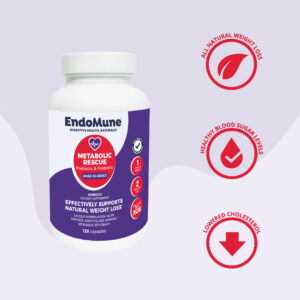
There is a lot of misinformation posted online about Probiotics and Weight Loss, and there are several probiotic brands that sell probiotics suggesting they can help/facilitate losing weight. In fact, we sell one ourselves: Metabolic Rescue – A Probiotic for Natural Weight Loss

Since accurate information about how probiotics can help anyone on their weight loss journey, we’ve compiled some basic facts below about the relationship between probiotics and losing weight naturally.


What Are Probiotics?

Probiotics are live microorganisms, mostly bacteria and some yeasts, that provide health benefits when you consume them in adequate amounts. Healthy guts require a cocktail of various probiotic bacteria strains to attain peak performance, and research continues to show that healthy bodies require healthy guts.

Why? Because our guts provide nutrients and energy all that all other systems in our bodies need to function correctly and at peak performance. Those systems include liver, kidney, endocrine, and even our brains via the gut brain axis.

You can feed your gut probiotics with supplements, but probiotics are found in healthy foods, such as fermented foods like yogurt, kefir, and sauerkraut[1][2] and many other healthy food choices.


How Do Probiotics Affect Weight and Metabolism?

Probiotics can influence your metabolism and weight in several ways:

  • They help balance your gut bacteria, which may affect how your body absorbs calories and stores fat.
  • Some strains produce short-chain fatty acids (SCFAs) that regulate appetite hormones like GLP-1 and PYY, making you feel full sooner.
  • Probiotics may reduce inflammation and improve insulin sensitivity, both of which are linked to weight and metabolic health[6][2].


Which Probiotic Strains Are Best for Weight Management?

Research highlights several strains that support weight management, including:

  • Lactobacillus gasseri
  • Lactobacillus plantarum
  • Lactobacillus rhamnosus
  • Bifidobacterium animalis lactis
    Using products with a combination of these strains may be more effective than using a single strain[1][6][2].


How Long Does It Take to See Results from Probiotics?

It can take several weeks to months of consistent probiotic use to notice changes. Most studies showing positive effects on weight lasted at least 8–12 weeks. Probiotics work best as part of a long-term healthy lifestyle that includes a healthy diet that avoids processed food, in combination with exercise. Probiotics are not a quick fix[6][2].


Do I Need to Change My Diet When Taking Probiotics?

The honest answer is probably. A balanced, fiber-rich diet helps probiotics work better. Fiber acts as a prebiotic, feeding the good bacteria in your gut and helping them thrive. Eating a variety of fruits, vegetables, whole grains, and legumes can support both your gut health and your weight loss goals[7][8].


Are There Any Risks to Taking Probiotics?

For most healthy people, probiotics are safe and cause few side effects. However, people with weakened immune systems or serious illnesses should talk to a doctor before starting probiotics.


Will Probiotics Work for Everyone?

Not necessarily. The effects of probiotics can vary depending on your individual gut microbiome, the strains used, and your overall lifestyle. More research is needed to understand who will benefit the most from probiotic supplements[3][8]. Nevertheless, a well-balanced multi-strain probiotic supplement can jump-start your weight loss journey as you transition to a fiber-rich, healthy diet that can sustain gut health naturally.


Sources

  1. GoodRx – Can Probiotics Help You Lose Weight?
  2. Healthline – How Probiotics Can Help You Lose Weight and Belly Fat
  3. WebMD – What to Know About Probiotics for Weight Loss
  4. Medical News Today – Are probiotics effective in promoting weight loss?
  5. PMC – Use of probiotics in preventing and treating excess weight
  6. Probiotics for Weight Loss
  7. Mayo Clinic – Probiotics, gut bacteria and weight
  8. ZOE – Probiotics and Weight Loss: How and Why They Work

The Truth About Weight Loss and Probiotics Read More »

gut-brain axis and the connection to mental wellbeing

The Gut-Brain Axis: How Probiotics Support Mental Health Through Digestive Wellness

Have you ever experienced “butterflies” in your stomach before a big event? Or made an important decision based on a “gut feeling?”  These familiar feelings hint at something scientists recently confirmed: your gut and brain are deeply interconnected through what we call the gut-brain axis.

The Gut-Brain Axis isn’t just responsible for digestive issues during times of stress – it may also play a crucial role in your mental well-being. Recent scientific research reveals that our gut biomes influence our mood, anxiety, and cognitive function. That makes sense. No one is happy or at their emotional and cognitive best when their gut is upset.

What Exactly Is the Gut-Brain Axis?

The gut-brain axis is a bidirectional network linking your central nervous system (brain and spinal cord) with your enteric nervous system (the intricate network of neurons lining your gastrointestinal tract).

This network has multiple pathways, including the vagus nerve, hormonal signals, immune system activity, and other neurotransmitters.

One of the most important discoveries about this connection is that approximately 90 percent of your body’s serotonina neurotransmitter that regulates mood—is produced in the gut, with specific bacteria playing important roles in its production.

This finding revolutionizes how we understand the relationship between digestive and mental health.


How Your Gut Microbiome Affects Your Brain

The balance of your gut biome appears to impact your brain function through several mechanisms:

  1. Neurotransmitter Production: Gut bacteria produce neurotransmitters like serotonin, GABA, and dopamine that regulate mood, anxiety, and cognitive function.
  2. Inflammation Control: Healthy guts reduce oxidative stress by producing antioxidant enzymes and inhibiting inflammatory responses, which improves neurological function.
  3. Stress Regulation: A healthy microbiome helps regulate the body’s stress response by influencing the hypothalamic-pituitary-adrenal (HPA) axis, which controls cortisol (the body’s primary stress hormone) release.
  4. Immune System Modulation: The gut microbiome plays a vital role in regulating your immune system, which affects inflammation levels throughout the body, including the brain.

When Your Gut Microbiome Is Out of Balance

An imbalance in gut bacteria (dysbiosis) can inhibit this vital gut-brain communication. Recent research has linked dysbiosis to various mental health challenges, including:

  • Anxiety Disorders
  • Depression
  • Stress Sensitivity
  • Cognitive Impairment
  • Sleep Disturbances

Scientists from Duke-NUS Medical School recently discovered that specific microbial metabolites—particularly indoles—directly regulate brain activity linked to anxiety, opening exciting possibilities for probiotic-based therapies to improve mental health.

The Probiotic Solution: Restoring Balance for Better Mental Health

Probiotics—beneficial gut microorganisms—offer a promising approach to supporting both gut and mental health. These “good bacteria” can help restore balance to your gut microbiome and strengthen the gut-brain axis.

According to a review published in February 2025, probiotics can regulate gut microbiota, which is vital not only for digestion and metabolism but also for immune function and mental health.

Multiple clinical studies show probiotics’ potential mental health benefits:

  • Reduced Anxiety and Depression Symptoms: A 2025 randomized, double-blind, placebo-controlled study found that a multi-species probiotic reduced negative mood in healthy volunteers, with effects beginning after just two weeks of daily use.
  • Improved Stress Resilience: One study found that workers taking a probiotic containing Lactobacillus plantarum experienced significant reductions in self-perceived stress, depression, and overall negative emotions, along with decreased cortisol levels.
  • Enhanced Cognitive Function: Research has shown that specific probiotics like Lactobacillus rhamnosus are associated with improved cognitive performance, including better mental alertness and focus.
  • Reduced Rumination: Patients given a multi-strain probiotic experienced significantly fewer ruminative thoughts (repetitive negative thinking) compared to those taking a placebo.

EndoMune Probiotics: Supporting Your Gut-Brain Connection

EndoMune Advanced Probiotic, developed by a board-certified gastroenterologist, promotes digestive health and supports overall wellness, including the vital gut-brain connection.

What makes EndoMune particularly effective for supporting the gut-brain axis?

  1. Multi-Strain Formulation: EndoMune Advanced Probiotic contains 10 strains of beneficial bacteria from the Lactobacillus and Bifidobacterium families, including Lactobacillus rhamnosus referenced above.
  2. Prebiotic Support: EndoMune includes fructo-oligosaccharides (FOS), a natural prebiotic made from plant sugars that feeds beneficial bacteria and enhances their effectiveness. Prebiotics like FOS may help mitigate depressive symptoms and support brain health alongside probiotics.
  3. Scientifically Formulated: The specific bacterial strains in EndoMune were selected based on scientific research into their benefits for both digestive and mental well-being.
  4. Lactobacillus and Bifidobacterium Focus: These generally have shown significant potential in modulating the microbiota-gut-brain axis.

How EndoMune Supports Serotonin Production

Serotonin is often referred to as a “happy hormone” due to its influence on mood and emotional regulation. Scientists estimate that 80-90 percent of the body’s serotonin is produced in the gut. Research published in the medical journal Cell linked the production of serotonin in the gut by enterochromaffin (EC) cells to specific bacteria.

In an experiment with mice, researchers found that EC cells from germ-free animals produced about 60 percent less serotonin compared to normal mice. When gut bacteria from normal mice were transplanted into germ-free mice, their serotonin levels rebounded.

EndoMune’s multi-strain formula helps support the diverse bacterial community necessary for optimal serotonin production, potentially supporting more stable mood regulation naturally.

Beyond Serotonin: Multiple Pathways to Mental Wellbeing

The benefits of probiotics for mental health extend beyond serotonin production. As noted by researchers at University College Cork in Ireland, probiotics (sometimes called “psychobiotics” when referring to their mental health benefits) can produce and deliver neuroactive substances such as gamma-amino butyric acid (GABA) and serotonin, which act on the brain-gut axis.

EndoMune’s comprehensive formula supports multiple pathways that influence mental well-being:

  • Anti-Inflammatory Effects: Reducing inflammation that can contribute to mood disorders.
  • Improved Intestinal Barrier Function: Preventing leaky gut that can trigger systemic inflammation.
  • Enhanced Nutrient Absorption: Supporting optimal brain function through improved nutrition.
  • Balanced Immune Response: Preventing overactive immune reactions that affect the brain.


How to Incorporate EndoMune into Your Mental Wellness Routine

For optimal gut-brain axis support:

  1. Consistent Daily Use: Take EndoMune Advanced Probiotic daily as directed to maintain a steady presence of beneficial bacteria.
  2. Pair With Prebiotic Foods: Enhance the effectiveness of your probiotic by consuming prebiotic-rich foods like bananas, onions, garlic, asparagus, and whole grains.
  3. Reduce Stress: Even the best probiotics work better when complemented by stress-management practices like meditation, adequate sleep, and regular exercise.
  4. Limit Gut Disruptors: Minimize eating processed foods, excessive alcohol, and unnecessary antibiotics that can disrupt your gut microbiome.
  5. Be Patient: While some people notice improvements in digestion quickly, the mental health benefits of probiotics often develop gradually over several weeks of consistent use.

The Future of Gut-Brain Health Research

The field of gut-brain axis research is expanding rapidly. Scientists are investigating how specific probiotic strains might address various psychological conditions by modulating the hypothalamic-pituitary-adrenal (HPA) axis, directly influencing the immune system, and through the production of neurotransmitters and neurohormones.

Research consistently shows that incorporating prebiotics, probiotics, and symbiotics (combinations of pre- and probiotics) into a healthy diet can lead to improvements in cognitive functions and mood, potentially offering fresh approaches for maintaining brain health as we age.

Key Takeaways: A Holistic Approach to Mental Wellness

The emerging science of the gut-brain axis offers an exciting perspective on mental health, one that acknowledges the profound connection between our digestive system and our emotional well-being. By supporting your gut microbiome with a high-quality, multi-strain probiotic like EndoMune Advanced Probiotic, you’re not just investing in better digestion, you’re potentially supporting your mental health from the inside out.

Remember that probiotics work best as part of a comprehensive approach to wellness that includes a nutritious diet, regular physical activity, stress management, and good sleep hygiene. By addressing both your gut and brain health simultaneously, you may discover a more balanced, resilient state of well-being – naturally without medication.

For more on this important topic see this post.

References

“Gut over Mind: Exploring the Powerful Gut–Brain Axis” – Published in February 2025 in the journal Nutrients (MDPI). This recent narrative review provides a comprehensive overview of the gut-brain connection and how probiotics regulate gut microbiota of both digestive and mental health benefits.

URL: https://www.mdpi.com/2072-6643/17/5/842

“Scientists reveal gut microbes’ hidden role in anxiety” – published in February 2025 by Duke-NUS Medical School in Science Daily. This study discovered the connection between gut microbial metabolites (specifically indoles) and anxiety-related behavior, suggesting potential for probiotic-based therapies.

URL: https://www.sciencedaily.com/releases/2025/02/250205165613.htm

“Probiotics reduce negative mood over time: the value of daily self-reports in detecting effects” – Published in NPJ Mental Health Research. This randomized, double-blind, placebo-controlled study showed that a multispecies probiotic reduced negative mood in healthy volunteers after two weeks of use.

URL: https://www.nature.com/articles/s44184-025-00123-z

“Probiotics as modulators of gut-brain axis for cognitive development” – Published in Frontiers in Pharmacology (February 2024). This research explains the mechanisms by which probiotics influence neurotransmitter production and cognitive function, including the role of different bacterial strains in producing serotonin and GABA.

URL: https://www.frontiersin.org/journals/pharmacology/articles/10.3389/fphar.2024.1348297/full

The Food and Drug Administration has not evaluated these statements. This product is not intended to diagnose, treat, cure, or prevent any disease.

The Gut-Brain Axis: How Probiotics Support Mental Health Through Digestive Wellness Read More »

the science behind Endomune Advanced probiotics featuring different strains and species of beneficial probiotics

The Science Behind EndoMune Advanced Probiotic

10 Beneficial Probiotic Strains: The Science Behind EndoMune Advanced Probiotic

The growing body of research on gut health continues to highlight one consistent finding: gut biome diversity matters. Although single-strain probiotics may provide specific benefits, multi-strain probiotics provide comprehensive support for your microbiome. That’s why EndoMune Advanced Probiotics delivers precisely this diversity with 10 scientifically backed beneficial probiotic strains and 30 billion CFUs in each capsule, plus the prebiotic FOS (fructooligosaccharides) to nourish these beneficial bacteria.

But what exactly do these probiotic bacteria strains do in your gut?

Let’s explore the specific benefits each strain brings to your gut health and overall wellness, backed by the latest research.


The Bifidobacterium Family: Foundation for Gut Health


Bifidobacterium bifidum: The Digestive Balancer

Bifidobacterium bifidum stands as one of the most well-researched probiotic strains, with significant clinical evidence supporting its effectiveness for digestive health. Recent studies published in the Journal of Clinical Gastroenterology show that this beneficial probiotic strain can:

  • Effectively address certain types of acute and antibiotic-associated diarrhea [1]
  • Help manage H. pylori infections when used as an adjunct therapy [2]
  • Provide relief from IBS symptoms, including abdominal pain and irregular bowel movements [3]
  • Improve constipation by enhancing gut motility and stool consistency [4]

Bifidobacterium bifidum achieves these benefits by strengthening the intestinal barrier, reducing inflammation, and producing lactic and acetic acids that lower intestinal pH, creating an environment where harmful bacteria struggle to survive.

Bifidobacterium breve: The Pathogen Fighter

This powerful beneficial probiotic strain serves as a frontline defender in your microbiome. According to research published in Frontiers in Microbiology, B. breve offers:

  • Potent antimicrobial properties against common pathogens, including E. coli and Salmonella [5]
  • Enhanced nutrient absorption through the production of enzymes that break down complex carbohydrates [6]
  • Support for immune function by stimulating the production of beneficial cytokines [7]

A 2023 review in Nutrients also highlighted B. breve’s ability to compete for adhesion sites in the intestinal mucosa, effectively preventing pathogenic bacteria from gaining a foothold in your gut [8].

Bifidobacterium lactis: The Microbiome Restorer
  1. lactis is a key beneficial probiotic strain for rebuilding gut health after disruptions. Clinical research in the International Journal of Probiotics and Prebiotics shows that this adaptive strain can:
  • Accelerate microbiome recovery following antibiotic treatment [9]
  • Significantly reduce the duration and severity of upper respiratory tract infections [10]
  • Enhance the absorption of essential minerals, including calcium, magnesium, and zinc [11]

Particularly noteworthy is B. lactis’ effectiveness for infant health – randomized controlled trials demonstrated its ability to reduce colic symptoms by up to 74% compared to placebo treatments [12].

Bifidobacterium longum: The SCFA Producer

As one of the earliest colonizers of the infant gut, B. longum plays a critical role throughout life. Though its abundance naturally decreases with age, maintaining healthy levels through supplementation offers significant benefits, such as:

  • Production of short-chain fatty acids (SCFAs), particularly butyrate, that serve as the primary energy source for colon cells [13]
  • Creation of an acidic gut environment that inhibits the growth of pathogenic organisms [14]
  • Synthesis of B vitamins, including folate and biotin, which are essential for metabolic health [15]

Recent research in Cell Host & Microbe suggests that B. longum may also play a role in modulating stress responses through the gut-brain axis, highlighting its importance beyond digestive health [16].

The Lactobacillus Family: Versatile Digestive Support


Lactobacillus acidophilus: The Well-Studied Classic

Perhaps the most recognized beneficial probiotic strain, L. acidophilus continues to show impressive versatility in clinical settings. Systematic reviews and meta-analyses confirmed its effectiveness for:

  • Managing symptoms of irritable bowel syndrome (IBS), with particular effectiveness for bloating and abdominal pain [17]
  • Preventing and treating various forms of diarrhea, including traveler’s diarrhea and antibiotic-associated diarrhea [18]
  • Supporting healthy cholesterol levels by breaking down bile in the gut [19]
  • Reducing the incidence and severity of bacterial vaginosis and vulvovaginal candidiasis. [20]

For parents, L. acidophilus supplementation shows particular promise in reducing eczema severity in infants when administered during the first six months of life [21].

Lactobacillus casei: The Epithelial Protector

This beneficial probiotic strain plays a crucial role in maintaining intestinal barrier integrity. According to research published in Gut Microbes, L. casei:

  • Displays remarkable antimicrobial activity against antibiotic-resistant bacteria, including certain strains of MRSA [22]
  • Enhances the production and function of tight junction proteins that maintain the intestinal barrier [23]
  • Produces bacteriocins (natural antibiotics) that target specific pathogenic bacteria while sparing beneficial species [24]

These mechanisms help explain why L. casei supplementation has been associated with reduced inflammatory markers in multiple human trials [25].

 Lactobacillus plantarum: The Microbiome Diversifier

Beyond simply colonizing the gut, L. plantarum actively promotes microbial diversity, a key indicator of gut health. Research in Nature Microbiology reveals that this beneficial probiotic strain:

  • Increases the abundance and diversity of other beneficial bacteria, particularly butyrate-producing species [26]
  • Improves iron absorption by up to 50% in individuals with low iron status [27]
  • Supports cardiovascular health by producing compounds that help regulate blood pressure and cholesterol metabolism [28]
  • May enhance cognitive function through the gut-brain axis, with preliminary studies showing improvements in memory and stress resilience [29]
Lactobacillus rhamnosus: The Multi-System Supporter

While primarily recognized for its gut benefits, L. rhamnosus triggers remarkable effects across multiple body systems. Clinical evidence supports its role in:

  • Preventing and reducing the duration of antibiotic-associated diarrhea [30]
  • Decreasing the recurrence of urinary tract infections (UTIs) in women by up to 73% compared to placebo [31]
  • Inhibiting the growth of cavity-causing bacteria and reducing dental caries development [32]
  • Supporting immune function with particular benefits for reducing allergic responses [33]

A 2022 meta-analysis also found that L. rhamnosus supplementation may reduce the risk of developing atopic dermatitis in children when used preventatively [34].

Beyond Lactobacillus: Additional Beneficial Probiotic Strains


Streptococcus thermophilus: The Digestive Enzyme Enhancer

Though typically associated with yogurt production, S. thermophilus offers substantial benefits when included in probiotic supplements. Research in the Journal of Dairy Science highlights its ability to:

  • Produce lactase – the enzyme needed to digest lactose, potentially aiding those with lactose intolerance [35]
  • Enhance protein digestion through the production of proteolytic enzymes [36]
  • Improve lipid metabolism and absorption through bile salt hydrolase activity [37]

These digestive benefits make S. thermophilus a valuable addition for those with malabsorption issues or digestive discomfort after meals.

Lactococcus lactis: The Metabolic Supporter

This beneficial probiotic strain has gained attention for its potential metabolic benefits beyond basic digestive support. Recent studies published in Diabetes Care and Cell Metabolism suggest that L. lactis may:

  • Improve glucose tolerance and insulin sensitivity in individuals with metabolic syndrome [38]
  • Produce bioactive peptides that may have anti-inflammatory and anti-cancer properties [39]
  • Reduce cortisol levels and perceived stress through modulation of the gut-brain axis [40]

Research also shows that L. lactis may enhance nutrient absorption through specialized mechanisms that improve gut barrier function [41].


The Synergistic Effect: Why Mult-Strain Probiotics Matter

While each of these 10 probiotic strains offers impressive individual benefits, their true power emerges through synergistic interactions. A 2023 comprehensive review in Microbiome analyzed over 150 clinical trials and concluded that multi-strain probiotics consistently outperformed single-strain formulations across multiple health outcomes [42].

This synergy occurs through several mechanisms:

  1. Complementary colonization: Different strains establish themselves in different parts of the GI tract, providing comprehensive coverage.
  2. Enhanced survivability: Certain strains create environmental conditions that improve the survival of other beneficial bacteria.
  3. Broader antimicrobial spectrum: The combined antimicrobial compounds produced by multi-strain probiotics address a wider range of potential pathogens.
  4. Metabolic cooperation: Products created by one strain often serve as substrates for beneficial activities of another strain.
Prebiotic Support: The Critical Role of FOS

EndoMune Advanced Probiotics include fructooligosaccharides (FOS), a prebiotic fiber that selectively nourishes beneficial bacteria. Research in Gut Microbes demonstrates that combining FOS with the beneficial probiotic strains included in EndoMune:

  • Increases probiotic colonization rates by up to 4.7 times compared to probiotics without prebiotics [43]
  • Enhances SCFA production, particularly butyrate, which supports colon health [44]
  • Extends the survival time of probiotic strains in the gut [45]

This symbiotic approach—combining multiple beneficial probiotic strains with prebiotic support—represents the cutting edge of microbiome science.


Key Takeaways:

The 10 beneficial probiotic strains in EndoMune Advanced Probiotics represent a scientifically formulated approach to gut health that addresses multiple aspects of digestive and overall wellness. By combining diverse Bifidobacterium and Lactobacillus strains with S. thermophilus and L. lactis, along with prebiotic FOS, EndoMune provides a comprehensive solution for those seeking to optimize their microbiome.

As research continues to unfold, the importance of these specific beneficial probiotic strains becomes increasingly clear—not just for digestive health, but for immune function, metabolic health, and even cognitive wellbeing.


References

  1. McFarland LV, et al. (2022). Meta-analysis of probiotics for the prevention of antibiotic associated diarrhea. Journal of Clinical Gastroenterology, 56(4), 300-311.
  2. Wang ZH, et al. (2023). Probiotics for Helicobacter pylori eradication: A systematic review and meta-analysis. Helicobacter, 28(1), e12928.
  3. Ford AC, et al. (2023). American College of Gastroenterology Clinical Guideline: Management of Irritable Bowel Syndrome. American Journal of Gastroenterology, 118(5), 798-812.
  4. Dimidi E, et al. (2021). The effect of probiotics on functional constipation in adults: a systematic review and meta-analysis of randomized controlled trials. American Journal of Clinical Nutrition, 113(3), 750-761.
  5. O’Callaghan A, et al. (2022). Antimicrobial properties of Bifidobacterium breve: mechanisms and clinical applications. Frontiers in Microbiology, 13, 879402.
  6. Arboleya S, et al. (2022). Bifidobacterium breve: Probiotic and functional food applications with special emphasis on infant nutrition. Foods, 11(14), 2170.
  7. Ruiz L, et al. (2023). Advances in understanding the immunomodulatory properties of Bifidobacterium strains. Trends in Microbiology, 31(7), 656-670.
  8. Wu Y, et al. (2023). Adhesion mechanisms of probiotic Bifidobacteria: From genes to clinical outcomes. Nutrients, 15(5), 1142.
  9. Suez J, et al. (2023). Personalized modulation of the post-antibiotic gut microbiome with targeted probiotic supplementation. Nature Microbiology, 8(2), 334-347.
  10. Hao Q, et al. (2022). Probiotics for preventing acute upper respiratory tract infections. Cochrane Database of Systematic Reviews, 8(8), CD006895.
  11. Abrams SA, et al. (2021). Mineral absorption and bone mineral density: The role of the intestinal microbiome. Journal of Clinical Densitometry, 24(3), 458-467.
  12. Indrio F, et al. (2023). Bifidobacterium administration for prevention and treatment of infantile colic: A systematic review and meta-analysis. Pediatrics, 151(4), e2022059657.
  13. Turroni F, et al. (2022). Bifidobacterium longum: ecology, genomics and metabolism. FEMS Microbiology Reviews, 46(4), fuac009.
  14. Liu Y, et al. (2023). pH-dependent mechanisms of colonization resistance in the human gut. Microbiome, 11(1), 3.
  15. LeBlanc JG, et al. (2022). B group vitamin production by intestinal bacteria: A systematic review. Critical Reviews in Food Science and Nutrition, 62(7), 1878-1893.
  16. Johnson AJ, et al. (2023). Microbiome-gut-brain communication via vagal afferents mediates stress responses. Cell Host & Microbe, 31(5), 674-685.e5.
  17. Dale HF, et al. (2022). Probiotics in irritable bowel syndrome: An updated systematic review. Nutrients, 14(7), 1495.
  18. Patro-Golab B, et al. (2021). Probiotics for prevention and treatment of diarrhea. Journal of Pediatric Gastroenterology and Nutrition, 73(4), 425-433.
  19. Costabile A, et al. (2021). Evaluation of the effects of a Lactobacillus-containing probiotic on plasma lipid profiles: A systematic review and meta-analysis. Nutrition Reviews, 79(12), 1368-1384.
  20. van de Wijgert J, et al. (2022). Probiotics for the treatment of bacterial vaginosis, vulvovaginal candidiasis, and aerobic vaginitis: A systematic review. Lancet Infectious Diseases, 22(5), e152-e164.
  21. Garcia-Larsen V, et al. (2023). Probiotics for preventing eczema: A systematic review and meta-analysis of randomized controlled trials. Allergology International, 72(1), 27-37.
  22. Chikindas ML, et al. (2022). Lactobacillus casei and its antimicrobial activity against drug-resistant pathogens: A comprehensive review. Gut Microbes, 14(1), 2049673.
  23. Parada Venegas D, et al. (2023). Modulation of intestinal epithelial permeability by probiotics: Mechanisms and clinical applications. Frontiers in Nutrition, 10, 1105087.
  24. Ayivi RD, et al. (2022). Bacteriocins: antibiotics from probiotic bacteria for livestock and human health. Microorganisms, 10(4), 850.
  25. Valdes-Varela L, et al. (2022). Anti-inflammatory mechanisms of action of Lactobacillus casei. Nutrients, 14(22), 4869.
  26. De Vos WM, et al. (2023). Ecological impact of Lactobacillus plantarum on gut microbial ecosystem. Nature Microbiology, 8(5), 834-846.
  27. Hoppe M, et al. (2022). Probiotic strain Lactobacillus plantarum 299v increases iron absorption from an iron-supplemented fruit drink: a double-isotope cross-over single-blind study in women of reproductive age. British Journal of Nutrition, 128(7), 1329-1337.
  28. Khalesi S, et al. (2022). Effect of probiotics on blood pressure and cholesterol: A systematic review and meta-analysis. Pharmacological Research, 174, 105930.
  29. Hwang YH, et al. (2023). Effects of Lactobacillus plantarum on stress-induced memory dysfunction: A double-blind randomized placebo-controlled study. Brain, Behavior, and Immunity, 109, 74-84.
  30. Goldenberg JZ, et al. (2022). Probiotics for the prevention of Clostridium difficile-associated diarrhea in adults and children. Cochrane Database of Systematic Reviews, 12(12), CD006095.
  31. Stapleton AE, et al. (2022). Randomized, double-blind, placebo-controlled phase 2 trial of Lactin-V for prevention of bacterial urinary tract infection recurrence in women. Microbiome, 10(1), 55.
  32. Janakiram C, et al. (2021). Effectiveness of probiotic, chlorhexidine and fluoride mouthwash against Streptococcus mutans – Randomized, single-blind, in vivo study. Journal of International Society of Preventive & Community Dentistry, 11(1), 68-76.
  33. Martens K, et al. (2023). Role of Lactobacillus rhamnosus in allergic disease prevention: Mechanisms and clinical evidence. Clinical Reviews in Allergy & Immunology, 65(2), 169-186.
  34. Chen Y, et al. (2022). Efficacy of Lactobacillus rhamnosus GG for the prevention of atopic dermatitis: An updated systematic review and meta-analysis. Frontiers in Immunology, 13, 820120.
  35. Oak SJ, et al. (2023). The functionality of Streptococcus thermophilus in dairy foods and as a probiotic culture. Journal of Dairy Science, 106(2), 1152-1169.
  36. Agyei D, et al. (2022). Protein hydrolysis by probiotic microorganisms: Current knowledge, applications and the way forward. Critical Reviews in Food Science and Nutrition, 62(22), 6141-6157.
  37. Joyce SA, et al. (2023). Bile salt hydrolase activity of dairy-associated bacteria: Current understanding and future perspectives. International Dairy Journal, 139, 105582.
  38. Mobini R, et al. (2022). Lactococcus lactis supplementation improves glucose metabolism and insulin sensitivity in subjects with metabolic syndrome. Diabetes Care, 45(10), 2387-2396.
  39. Martinez-Cuesta MC, et al. (2021). Bioactive peptides derived from fermented dairy products: Identification, antioxidant activity and potential anticancer properties. Cell Metabolism, 33(6), 1077-1090.
  40. Burokas A, et al. (2023). Microbiota regulation of the mammalian stress system. Nature Reviews Endocrinology, 19(2), 84-97.
  41. Morency H, et al. (2022). Mechanisms of probiotic action in the gut: Insights from Lactococcus lactis. Beneficial Microbes, 13(3), 189-200.
  42. Sanders ME, et al. (2023). Multi-strain versus single-strain probiotics: A systematic review and meta-analysis of clinical outcomes. Microbiome, 11(1), 87.
  43. Tzounis X, et al. (2023). Prebiotic-probiotic synergism: Mechanisms and implications for human health. Gut Microbes, 15(1), 2176775.
  44. So D, et al. (2022). Dietary fiber intervention on gut microbiota composition in healthy adults: a systematic review and meta-analysis. American Journal of Clinical Nutrition, 115(4), 1041-1052.
  45. Eslami M, et al. (2021). Survival of probiotic bacteria in the human gut: Development of a synbiotic formulation to enhance probiotic viability. Frontiers in Microbiology, 12, 646065.


The Science Behind EndoMune Advanced Probiotic Read More »

Scroll to Top