Free shipping on all orders over $125*

Synbiotic Blend of 10 Beneficial Strains, Developed by Board-Certified Gastroenterologist

Mental Health

Mental Health issues, according to an increasingly number of studies examining the link between digestive health and our brains, may improve by restoring our gut health.

Taking Prebiotics May Improve Your Sleep

Getting a good night’s sleep is one of the most important things you can do to maintain your good health. Apart from your body’s very obvious need for physical rest — anywhere from 7-10 hours depending on how old you are — to help you function throughout the day, the list of benefits is long.

For example, sleep gives your body a break that allows the brain, blood vessels and heart to do some much-needed maintenance.

But, if your sleep hygiene is poor or you don’t get enough of it, your chances of stroke, kidney disease, diabetes and heart disease increase, according to the National Heart, Lung and Blood Institute.

A healthy amount of sleep also helps you maintain the proper balance of hormones that govern your hunger: Ghrelin increases your appetite while leptin makes you feel full. Messing up your sleep wreaks havoc with those hormones, causing you to feel hungrier while increasing your obesity risks.

When not managed properly, jet lag from airplane traveling and shift work can harm, not only your sleep and waistline, but your gut health too, which explains why some experts have recommended probiotics as a protective measure.

Not only do probiotics play an important role in promoting better sleep, so do prebiotics — non-digestible carbohydrates/plant fiber that feed the good bacteria already living in your gut — according to a recent study appearing in Frontiers in Behavioral Neuroscience.

The prebiotic sleep aid

To study the benefits of prebiotics, researchers at the University of Colorado fed two sets of three-week-old rats food that contained it or a control diet that didn’t, then monitored their body temperature, gut bacteria and sleep-wake cycles for four weeks.

Test animals that were fed a prebiotic-rich diet spent more time in a deeper, more restful state of non-rapid-eye-movement (NREM) sleep. Plus, when these prebiotic mice were exposed to unexpected stressors, they were better equpped to achieve rapid-eye-movement (REM) sleep, a critical tool for promoting relief from trauma.

Not surprisingly, those same mice maintained better gut bacteria diversity — higher levels of Lactobacillus rhamnosus — and normal body temperature fluctuations too.

Given these test results, University of Colorado scientists believe “a diet rich in prebiotics started in early life could help improve sleep, support the gut microbiota and promote optimal brain/psychological health,” according to a press release.

How do you get prebiotics?

Prebiotics are a natural component of whole foods ranging from onions, leeks, artichokes, raw garlic, almonds and jicama to fruity fare like bananas and apples.

To ensure you get the right amount of prebiotics your body needs, the easiest way is to take a probiotic, ideally with multiple strains of beneficial bacteria. EndoMune Advanced Probiotic and EndoMune Kids contain fructo-oliggosaccharides (FOS), a natural prebiotic derived from plant sugars.

So, when you’re looking for ways to improve the quality of your sleep naturally, consider taking a probiotic that features a prebiotic as a key ingredient.

Taking Prebiotics May Improve Your Sleep Read More »

Could poor gut health trigger Alzheimer’s?

Recently, we discussed how the brain health of Alzheimer’s patients may benefit by taking a probiotic blend of beneficial bacteria without explaining “the why.”

A recent study targeting the balance of the human gut microbiome may be at the heart of accelerating the development of Alzheimer’s, according to Scientific Reports.

Researchers discovered the link between poor gut health and Alzheimer’s while comparing the composition of gut microbiota taken from diseased and healthy mice.

Overall, at least two major kinds of gut bacteria (Bacteroidetes and Firmicutes) were found in much greater quantities in animals suffering from Alzheimer’s versus healthy mice.

The germ-free discovery

The link solidified when scientists studied the brain health of germ-free mice born without gut bacteria that received transplants of gut bacteria from animals with Alzheimer’s.

Before those transplants, germ-free mice had significantly smaller amounts of beta-amyloid plaque, protein fragments that build up between neurons in the brain. After the transplants, even those “clean” animals were vulnerable to the growth of brain-killing beta-amyloid plaque.

Typically, the healthy brain breaks down those fragments and sheds them. As beta-amyloid plaque and neurofibrillary tangles accumulate in the brain, however, the symptoms of Alzheimer’s begin to present themselves.

“Our study is unique as it shows a direct causal link between gut bacteria and Alzheimer’s disease,” says Dr. Frida Fåk Hållenius, according to a press release. “The results mean that we can now begin researchers ways to prevent the disease and delay the onset.”

Take these steps to avoid Alzheimer’s disease

Although you can’t prevent Alzheimer’s disease at this juncture, there’s lots of things you do to reduce your risks just by taking better charge of your health.

The results of this study could drive attention away from antiretroviral drugs that merely treat symptoms to a wider scope of weapons related to preserving a balance of gut bacteria that could do more good, including probiotics.

Since as much as 90 percent of your body’s serotonin (the chemical that transmits messages from one side of your brain to another) is produced in your gut, it’s no surprise that scientists would target more therapies there.

All the more reason, you should include taking a multi-species probiotic, like EndoMune Advanced Probiotic with 10 proven strains of bacteria, every day to that list of steps you take to avoid Alzheimer’s disease.

Could poor gut health trigger Alzheimer’s? Read More »

Probiotics: A drug-free way to treat Alzheimer’s

Alzheimer’s disease is one of the most devastating health problems facing America today. Not only does this mind-robbing condition affect more than 5 million Americans today, with the Baby Boomer generation heading to retirement, that number is expected to triple by 2050.

Although there is no cure for Alzheimer’s, just a handful of FDA-approved drugs relieve symptoms, but only for the short-term. What’s more, they come with an array of side effects, including headaches, nausea, weight loss, diarrhea and constipation.

Fortunately, modern medicine has begun to embrace the gut-brain axis — the connection that links your brain to your intestines and emotions. Over time, probiotics have proven their value as a non-drug tool ideally equipped to maintain that important balance, and treat problems like depression.

One day very soon, neurologists may be using probiotics to treat Alzheimer’s, based on a recent clinical trial featured in Frontiers in Aging Neuroscience.


Neurological testing

Over the course of the 12-week, double-blind clinical trial, Iranian researchers split 52 Alzheimer’s patients (between ages 60-95) into two groups. One received 200 milliliters of milk enriched with three strains of Lactobacillus (acidophilus, casei and fermentum) and Bifidobacterium bifidum, while a control group was given milk without beneficial bacteria.

(Lactobacillus acidophilus and Lactobacillus casei and Bifidobacterium bifidum are three important ingredients of EndoMune Advanced Probiotic.)

At the beginning and end of the trial, blood samples were taken and all patients were given Mini-Mental State Exams (MMSEs) that measured their cognitive ability on specific tasks like remembering dates, copying pictures, counting backwards and naming objects.

No surprise, patients who received the probiotic mixture improved on their previous MMSE results after 12 weeks, while those in the control group had lower scores.

Patients in the probiotic group also benefitted in other measurable ways, with lower levels of trigylcerides, high-sensitivity C-Reactive Protein (hs-CRP) and Very Low Density Lipoproteins (VLDL) as well as drops in two common measures used to gauge insulin resistance and the production of insulin in the pancreas.

“These findings indicate that change in the metabolic adjustments might be a mechanism by which probiotics affect Alzheimer’s and possibly other neurological disorders,” said senior study author Dr. Mahmoud Salami, according to a press release.


Multi-species power

Arguably, the real benefits Alzheimer’s patients received in improved cognitive skills and healthier blood levels may stem from the multiple species of bacteria, not just one.

In fact, it’s possible giving Alzheimer’s patients a multi-species probiotic like EndoMune Advanced Probiotic with 10 proven strains of bacteria every day may have yielded even greater results.

Probiotics: A drug-free way to treat Alzheimer’s Read More »

A balanced gut may tame autism

Is medicine better able to spot signs of autism spectrum disorder (ASD) or is the incidence of this challenging developmental disability actually growing?

It’s a question without a concrete answer…

Although the numbers remained stable from 2010 to 2012 according to the most recent CDC stats (2012), autism affects 1 in 68 children, and it’s some 450 percent more common among boys than girls.

Despite this lack of clarity, fortunately, researchers have identified a pretty common problem kids across the spectrum share: Gastrointestinal challenges that could be related to taking too many antibiotics, thus reducing their microbial diversity too early in their young lives.

A pair of recent studies highlighted the range of gut-based treatments that may soon tame the effects of autism.


Going the fecal transplant route

A research team from Arizona State University, Northern Arizona University and Ohio State University experienced success treating a small group of 18 kids using fecal transplants, according to a study appearing in Microbiome.

Over 10 weeks, this young group of patients, ranging in age from 7-16, were treated with a bowel cleanse and two weeks of antibiotics, followed by daily fecal transplants for eight weeks.

The treatment regimen was effective, as it improved gastrointestinal symptoms by some 80 percent along with gut microbial diversity and calmed autistic behaviors by around 25 percent. And, that gut diversity held after treatments ended too.

But, there’s a couple of caveats to consider about this study too. For starters, there was no side-by-side placebo trial that would demonstrate if doing nothing made a difference too. That’s not a big deal.

The larger concerns, however, are the unintended consequences of having a fecal transplant in the first place, like receiving gut bacteria from someone who may be reasonably healthy but overweight then acquiring that same health problem.

Also, these risks can be especially tricky when patients attempt to take matters into their own hands by trying to replicate these treatments, a real problem researchers have acknowledged.


A dietary/probiotic solution?

The lack of diversity in the gut was important to another study, this time with mice bred to exhibit autism-like behaviors, according to a 2016 report by Baylor College of Medicine researchers appearing Cell.

Based on sequencing long strands of DNA, the offspring of mice moms fed high-fat diets were severely lacking in Lactobacillus reuteri in their guts by a factor of nine.

Restoring that balance lessened some autistic behaviors and boosted the production of oxytocin, a hormone that acts like a neurotransmitter in the brain and a facilitator of bonding

Researchers speculate this genus of Lactobacillus may provide a basis for treating human neurodevelopmental issues in the form of a probiotic.

Treating neurodevelopmental issues with a probiotic, ideally a product made of multiple strains of beneficial bacteria like EndoMune Advanced Probiotic, certainly seems more ideal and much safer than taking drugs or undergoing treatments that may not yield the best results.

A balanced gut may tame autism Read More »

Probiotics: Can they replace migraine medication?

Anyone who experiences migraines on a regular basis knows how painful they can be, not to mention the harrowing side effects — vomiting, nausea, blurred vision and sensitivity to light and sound — that come with them.

Some 12 percent of all Americans suffer from migraines, conditions that can last for several days and are three times more common among women than men.

As our understanding of the human microbiome expands, science is discovering new connections that link the microbes in our bodies to all sorts of health conditions, even migraines, according to a recent study in MSystems (an open access journal published by the American Society For Microbiology).

The nitrate trigger

To understand the relation between migraines and the microbiome, researchers at the University of California San Diego School of Medicine discovered a link in nitrates, common food additives used to preserve cured meats — think hot dogs — that are also found naturally in vegetables and in some medicines (heart drugs) and wines.

First, bacterial gene sequencing was used to uncover differences in 172 oral samples and some 2,000 fecal samples from healthy donors supplied by the American Gut Project.

This initial sequencing process found differing amounts of bacterial species based on whether donors suffered from migraines or not, yet the bacterial composition of both groups varied little.

The real breakthrough came when scientists used PICRUSt, a bioinformatics software tool, to analyze which genes were more likely to appear in migraines sufferers versus healthy folks.

That was where they discovered an increase in the number of genes that encode nitrate, nitrite and nitric oxide-related enzymes in patients who struggle with migraines. Plus, those genes associated with migraines were far more prevalent in oral samples.

A probiotic solution?

Interestingly, this discovery may lead to more targeted migraine treatments like a mouthwash or probiotic to restore the proper balance, according to Dr. Embriette Hyde, a co-author of the study as told to CNN. Could it be possible that probiotics could become a go-to treatment instead of migraine medication? Maybe some day…

This suggestion makes good sense, based on previous research that found probiotic strains of beneficial bacteria from the Lactobacillus and Bifidobacterium families were powerful enough to reduce tooth decay and thrush.

Protecting your microbiome and overall health is as simple as taking a probiotic, ideally with multiple strains of bacteria, like EndoMune Advanced Probiotic and EndoMune Kids.

Probiotics: Can they replace migraine medication? Read More »

The gut-brain axis even works between mice and men

The importance of a healthy gut-brain axis — the connection that links your brain, intestines and emotions — is critical to protect your cognitive and physical well-being.

That connection seems pretty clear, considering as much as 90 percent of your body’s serotonin, a chemical neurotransmitter that sends message from one part of your brain to another, may be produced in your gut.

A recent study appearing in Science Translational Medicine takes the gut-brain axis connection to the next level, literally between mice and men, with the help of fecal transplants.

IBS and the gut-brain axis

Curious about the effect irritable bowel syndrome (IBS) has on behavior and intestinal health, researchers from McMaster University and the University of Waterloo took an unconventional approach: Transplanting fecal samples from eight patients suffering from IBS with diarrhea for at least two years and five healthy people into germ-free mice.

Three weeks later, compared to mice that received healthy samples, animals that were given IBS-laced transplants experienced increased gut permeability, low-grade inflammation and faster gastrointestinal transit (how long it takes food to travel from the stomach and through the intestine).

Then, scientists tested anxiety-associated behaviors by measuring the time mice spent in the dark and how long it took them to step down from a platform to explore their environments, according to The Scientist.

Mice that were given fecal samples from human IBS patients who reported anxieties experienced similar emotional difficulties, compared to animals given fecal samples from healthy patients and those with IBS who reported no problems with anxieties.

Probiotics to the rescue

Researcher Dr. Giada De Palma called these findings a landmark “because it moves the field beyond a simple association and toward evidence that changes in the microbiota impact both intestinal and behavioral responses in IBS.”

These results also offer more evidence that human gut health may play a larger role in the range of brain disorders ranging from the emotional (mood or anxieties) to more serious problems, like multiple sclerosis, Parkinson’s disease and autism, according to a press release.

The good news: Scientists believe treatments such as probiotics and prebiotics could be beneficial in treating, not only the physical aspects of IBS but the behavioral issues associated with it too.

Protecting the health of your gut by taking a probiotic like EndoMune Advanced Probiotic is certainly much safer and more effective than taking a drug like mesalazine that merely treats symptoms but not the root cause of IBS: Restoring the balance of beneficial bacteria in the gut.

The gut-brain axis even works between mice and men Read More »

group of people working on a project

Probiotics Improve Workplace Health and Increase Productivity

Probiotic means ‘promoting life,’ and they are life-enhancing supplements that work at your gut level. The live microorganisms of a probiotic benefit the host’s gut by launching healthy bacteria in the gut. Your gut health is closely related to your work life, and plays a significant role in your quality of work and productivity.

There are many cases where employees miss days at work due to infections and diarrhea. In an earlier study in Sweden, it was found that strains of Lactobacillus can “reduce the proportion of subjects reporting sick from gastrointestinal or respiratory tract diseases by 60%. The effect was highly statistically significant and similar to the findings by Weizman et al., where small children in daycare centers had a 70 percent lower frequency of absence when given Lactobacillus as compared with a placebo,” according to ehjournal.

Benefits of a Probiotic

Probiotics help the food move through your gut. Researchers are still trying to figure out which are best for certain health problems. Some common conditions probiotics treat include:

  • Irritable bowel syndrome
  • Inflammatory bowel disease (IBD)
  • Infectious diarrhea (caused by viruses, bacteria, or parasites)
  • Antibiotic-related diarrhea

Research has also shown that probiotics seem to improve other health problems like:

  • Skin conditions like eczema
  • Urinary and vaginal health
  • Preventing allergies and colds
  • Oral health

The use of probiotics can counter-attack these problems by launching the good helpful bacteria in our system. Researchers are always working to find more uses of probiotics and how it can help the human body especially by replacing the harmful bacteria in the gut.

In the workforce, employees are constantly expected to perform up to their optimum levels, and probiotics can turn out to be a boon for keeping productivity levels up by reducing health problems and chances of stomach infection.

Different bacteria have a reputation of causing stomach related diseases. Growing scientific evidence suggests that probiotics can control many health problems and benefit the body.

An estimated 100 trillion microorganisms representing more than 500 different species inhabit every normal, healthy bowel. Gut-dwelling bacteria keep pathogens (harmful microorganisms) in check, aid digestion, and nutrient absorption, and contribute to immune function.

Higher immunity means lesser cases and bouts of sickness at the workplace. A regular dose of probiotics means a happy gut and increased productivity. When you start a dose of probiotics, ensure you choose a good probiotic with the right amount of probiotic strains. The more varied the bacteria, the better the probiotic supplement.

Probiotic Strains

While probiotic cultures naturally occur in certain fermented foods, these foods won’t have the same effect of taking a multispecies probiotic like EndoMune Advanced. Additionally, EndoMune is one of the few probiotics to contain a prebiotic, which acts as a fuel source for the probiotic. Overall, adding a daily multispecies probiotic that contains a prebiotic has been shown to be more efficacious in improving gut and systemic health.

To find the relief you’ve been looking for, talk to your doctor about adding a probiotic like EndoMune to your daily regimen for help in aiding gut-related health issues.

Probiotics Improve Workplace Health and Increase Productivity Read More »

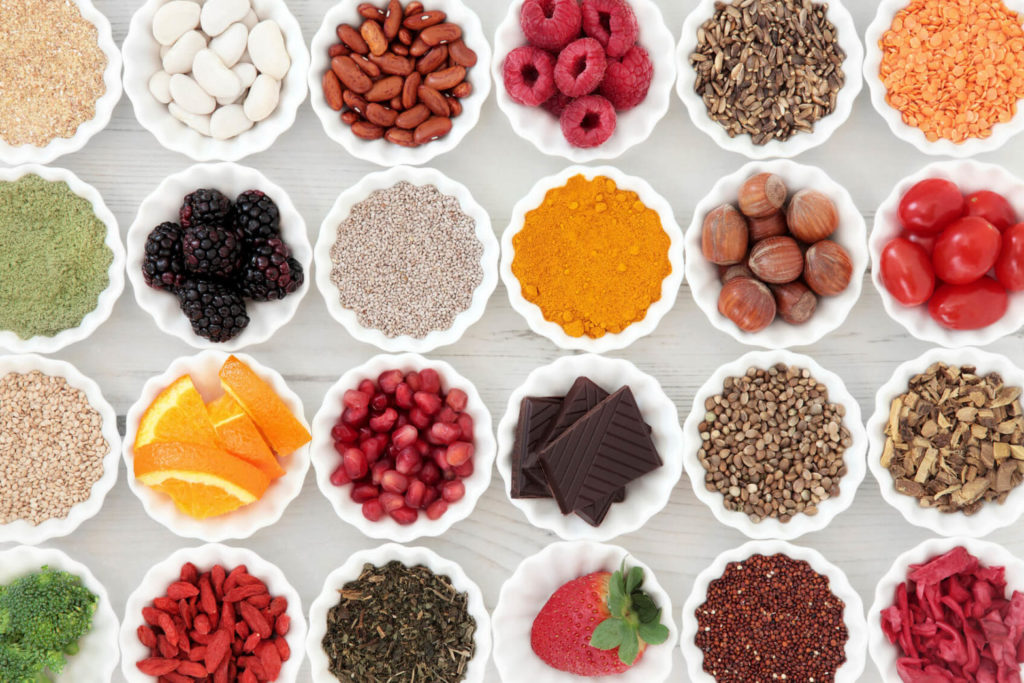
fruits and nuts organized into separate bowls

Mind your gut for a beautiful mind

There is a strong connection between the brain and the gut. Researchers claim there lies a brain in the gut with its own neural network.

The Enteric Nervous System ( ENS ) has a robust system that manages the hormones, emotions, and neurotransmitters, which communicate with the brain. Serotonin, dopamine and gamma-Aminobutyric acid (GABA) are all neurotransmitters that play a role in the intestines and the central nervous system. They can be transmitted to the brain through the blood or the vagus nerve.

There are trillions of gut microbiota residing in the gut that can directly impact our mental state. Sometimes when we are anxious or depressed it can in part be due to an unhealthy balance of the intestinal bacteria (dysbiosis).  Among women who suffer from depression, anxiety and GI difficulties, study results suggest a link to the gut rather than the brain.

5 Ways to Manage a Better Gut for a Better Mind

Managing the gut can result in benefits for the mind, including a better harmony between the gut and mind. Here are five ways that can create that powerful force within your body.

1. Diet

Diet is the core of every change in the body. The proverbial you are what you eat stands true in this case. The fuel you use to energize your body provides the essential nutrients and has a strong effect on every activity in the body.

Certain diets elicit a healthier bacterial balance. A diet rich in whole, unprocessed, unadulterated, and non-genetically modified foods helps to maintain a proper balance of the gut bacteria. Eliminating foods that are processed and choosing fresh and real foods is the key to providing the gut with healthy bacteria.

2. Lower Your Sugar Intake

Sugar brings about a lull in the body. It slows down the body. Sugar and carbohydrates affect the system by nurturing the pathogenic bacteria.

In a recent study, researchers fed a group of mice a diet high in sugar and then tested their mental and physical function. The sugar diet negatively impacted the mice’s gut microbiota, impaired their cognitive flexibility, and ability to efficiently adapt to changing situations. The change in gut bacteria also adversely affected the mice’s long-term and short-term memory.

Sugar affects adaptability. The sugar spike in blood levels makes the body work harder. It also leads to gut inflammation. Consuming less sugar can be beneficial for the gut and the brain.

3. Add a Probiotic

Healthy foods such as lacto fermented kimchi, pickles, sauerkraut, and other traditional vegetables have microbes that have a positive effect on our gut. A common ancestral practice to consume fermented foods rich in probiotics is quite interesting. Healthy fermented foods are filled with probiotics that allow all the healthy fauna to settle in the gut and flourish.

In a 2013 study in Gastroenterology, 12 out of the 25 healthy women ate a cup of yogurt twice a day for four weeks. The rest of the women ingested no yogurt. All women had pre and post brain scans while being asked to respond to a series of images depicting different facial expressions. Results indicated that the women who ate yogurt were calmer when shown various emotions than the control group. The results revealed that the yogurt changed the subjects’ gut microbiota, which also modified their brain chemistry.

Consuming good probiotics are one great way to keep the gut healthy. Alive organisms when ingested in adequate amounts, produces a health benefit in patients suffering from psychiatric illness.”  A review by Dinan et al encompasses the clinical basis for the use of probiotics in mental health with reference to animal studies in which behavioral changes resulted from exposure to bacterial strains such as  Bifidobacterium and Lactobacillus. In placebo-controlled trials in humans, measures of anxiety, chronic fatigue, depression and anxiety are associated with irritable bowel syndrome (IBS). IBS is felt to be due to an imbalance or dysbiosis of the gut microbiota.

Besides foods, a good probiotic supplement with a number of strains can be very helpful for the gut.

4. Exercise Regularly

Exercise releases the good hormones in our bodies. These hormones help to stimulate growth and make us feel happy. All the chemicals and hormones released during exercise benefit the body, and eventually the gut. Regular exercise stimulates better bowel movements and leads to more water consumption. All these affect the gut, keeping it healthy and strong.

Exercise can be the best therapy for a weak gut. So whenever you feel low, experience anxiety or have a stressful meeting coming up, go for a run, hit the gym and take a probiotic like EndoMune Advanced.

5.  Relax and De-stress

A stressful mind releases harmful hormones like cortisol. A rise in cortisol affects the gut making the cholesterol level higher, and even triggers depression.

A relaxed mind can induce hormones that promote relaxation, which also affect the gut. Studies have shown stress puts us at risk for dysbiosis, a shift away from healthy gut diversity.

In a 2015 study from Harvard University affiliates, forty-eight patients with either IBS or Inflammatory Bowel Disease (IBD) took a 9-week session that included meditation training. The results showed reduced pain, improved symptoms, stress reduction, and a decrease in inflammatory processes.

Practicing mindful techniques of relaxing the mind, and breathing more deeply to oxygenate the body lead to a less distressed mind and gut. The best way to develop a beautiful mind is to cultivate a healthy and happy gut.

To learn more about your gut/brain connection, talk to your health care provider and ask if adding a probiotic like EndoMune Advanced Capsules to your daily regimen will help issues likes anxiety and depression.

Mind your gut for a beautiful mind Read More »

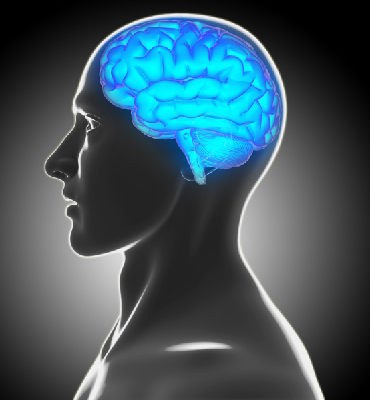
gut brain

What you eat may harm your gut-brain axis

There may be a problem with your gut-brain axis — the biological connection linking the gut, emotions and brain as one — when eating a diet rich in fats and sugars. These chemicals may cause shifts in mood and cognitive behaviors.

A recent study by Oregon State University (OSU) featured in the medical journal Neuroscience, linking gut health changes caused by following poor diets to serious problems related to cognitive flexibility, the ability to adapt quickly to new and unexpected situations.

“The impairment of cognitive flexibility in this study was pretty strong,” says Dr. Kathy Magnusson of the Linus Pauling Institute at OSU in a press release. “Think about driving home on a route that’s very familiar to you, something you’re used to doing. Then one day that road is closed and you suddenly have to find a new way home.”

Researchers came to that conclusion after feeding mice either high-fat or high-sugar diets, then monitoring their physical and mental performances with an array of physical tests alongside their gut health.

Compared to mice that ate a normal diet, animals that were prescribed high-fat or high-sugar diets began to perform poorly on physical tests after only four weeks. The lack of cognitive flexibility stood out to researchers as one of the most obvious problems.

Young mice with physically stronger and healthier bodies were used in the study because they had more dynamic biological systems. In theory, the stronger mice could better resist the effects of a poor diet, Magnusson says.

On its own merit, the study provided more evidence of how Western diets — high in saturated fats, carbohydrates, refined sugars, processed foods and red meat — forced the gut to adapt by reducing the diversity of bacteria, leaving our bodies vulnerable to many diseases, most of which are preventable.

“We’ve known for a while, too much fat and sugar are not good for you,” Magnusson says. “This work suggests fat and sugar are altering your healthy bacterial systems, and it is one of the reasons those foods aren’t good for you. It’s not just the food that could be influencing your brain, but an interaction between the food and microbial changes.”

One easy way to give your gut microbiota a healthy, natural boost and assist in preventing damage to your gut-brain axis is to take a probiotic with multiple species of beneficial bacteria. These bacteria can treat a variety of conditions related to your gut health.

Unlike many probiotics you’ll find at your health food shop or grocery store, EndoMune Advanced Probiotic contains 10 strains of beneficial bacteria, plus the prebiotic fructooligosaccharide that feeds the good gut bacteria already living in your gut.

What you eat may harm your gut-brain axis Read More »

Beat Depressing Thoughts with Probiotics

Reflecting on life’s lessons about a difficult time in your life can be beneficial, and even instructive.

Looking back, however, can become unhealthy if your mind gets stuck ruminating, and replaying the same situation over and over again, causing you to focus more on what you might’ve done rather than how to solve the issue or avoid it.

When taken to an extreme, according to the American Psychological Association, ruminating doesn’t offer new insights at all. Instead, it can feed depression and make it harder for you to shake negativity.

There are lots of strategies you can use to beat the rumination cycle, using cognitive skills you can learn on your own, or with the help of a licensed therapist or a trusted friend.

A new study appearing in Brain, Behavior, and Immunity identified a familiar weapon — multi-species probiotics — which can also be helpful in breaking the depression-rumination cycle too.

Psychologists at the Leiden Institute of Brain and Cognition (located in the Netherlands) tested the effect of probiotics containing proprietary strains of various beneficial bacteria, including Lactobacillus acidophilus, Lactobacillus lactis, Lactobacillus casei, Bifidobacterium bifidum and Bifidobacterium lactis on 40 healthy patients.

(These five strains represent half of the beneficial bacteria contained in EndoMune Advanced Probiotic.)

Half of the patients received a drink made of lukewarm water or milk containing probiotics or a placebo for four weeks. At the beginning and end of the study, patients completed questionnaires that measured their sensitivity to depression.

Patients who were given the multi-strain probiotic experienced significantly fewer ruminative thoughts, compared to those assigned the placebo.

“Even if preliminary, these results provide the first evidence that the intake of probiotics may help reduce negative thoughts associated with sad mood,” says Dr. Lorenza Colezato, co-researcher of the study in a press release.

“As such, our findings shed an interesting new light on the potential of probiotics to serve as adjuvant or preventive therapy for depression.”

Considering the results of a recent study that identified specific beneficial bacteria in your gut responsible for the production of serotonin, as well as more evidence of the gut-brain axis, these results were not unexpected.

In addition to multiple species of beneficial bacteria, EndoMune Advanced Probiotic and EndoMune Jr. contain no artificial colorings, sugar, dairy products, preservatives or gluten and both are certified kosher.

Beat Depressing Thoughts with Probiotics Read More »

Scroll to Top