
Free shipping on all orders over $125*

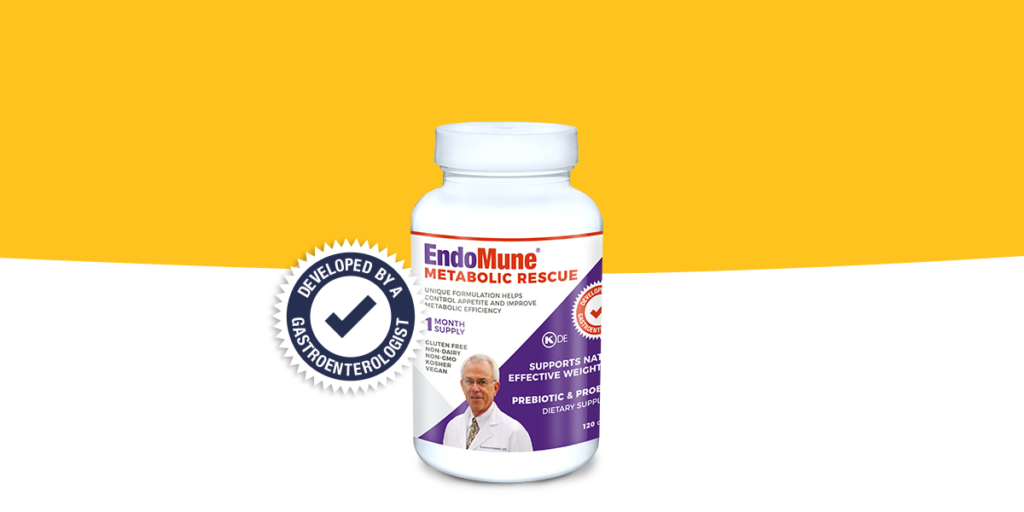
Synbiotic Blend of 10 Beneficial Strains, Developed by Board-Certified Gastroenterologist

Mental Health

Mental Health issues, according to an increasingly number of studies examining the link between digestive health and our brains, may improve by restoring our gut health.

Could a high-fat diet harm your gut-brain axis?

Choosing high-fat foods impacts your physical health, making you more vulnerable to obesity, diabetes and a host of other issues related to metabolic syndrome. The biological connection that links your intestines, brain and emotions as one — better known as the gut-brain axis — may be harmed too.

Although researchers at Louisiana State University didn’t specifically mention the gut-brain axis in their recently published study in Biological Psychiatry, the implication was certainly present in the results. They concluded that eating a high-fat diet may increase your risks for behavioral problems, including depression.

Scientists tested their theory by transplanting gut bacteria of mice, fed either a high-fat diet or a control diet, into non-obese adult mice. The mice were then evaluated for signs of behavioral changes.

The mice exposed to gut bacteria fed by a high-fat diet displayed numerous changes, both mentally and physically.

On the mental health side, the mice experienced impaired memory, greater anxiety and repetitive behaviors. Physically, the mice displayed signs of inflammation and increased intestinal permeability.

According to researchers, the connection between the gut-brain axis, behavioral disruptions, and high-fat diets could also indicate inflammation in the brain.

“This paper suggests that high-fat diets impair brain health, in part, by disrupting the symbiotic relationship between humans and the microorganisms that occupy our gastrointestinal tracts,” Dr. John Krystal, editor of Biological Psychiatry, commented in a press release.

Fortunately, probiotics can help prevent the negative effect of a high-fat diet.

How probiotics can help

Unfortunately, high-fat diets are just one variable that disrupts the healthy balance of bacteria in your gut. Relying too often on antibiotics can be a big problem, leaving you vulnerable to hazardous infections like Clostridium difficile, which can be severe and, on occasion, deadly.

Protecting the diversity of your gut bacteria can be tricky with our hectic lifestyles that encourage us to eat high-fat, high-calorie meals because they are quick and simple.

Spending a little more time every day to eat a healthier diet richer in fiber and cutting out extra calories does your body a world of good.

Taking a multi-species probiotic like EndoMune Advanced Probiotic that contains 10 different strains of beneficial bacteria plus the prebiotic FOS (fructooligosaccharide) can be the boost your health needs to protect your gut and brain.
Could a high-fat diet harm your gut-brain axis? Read More »

Boost Your Serotonin without Medication

Protecting your body’s gut-brain axis—the connection linking your brain, emotions and intestines—is very important to your good physical and emotional well-being.

Taking a multi-strain probiotic can serve as a vital step to enhance the diversity of beneficial bacteria in your gut.

Guarding that diversity and your gut-brain axis is critical for your body’s production of serotonin, a chemical that works as a neurotransmitter to send messages from one part of the brain to another. In fact, scientists estimate that 80-90 percent of the body’s serotonin may be produced in the gut.

Important research by Caltech scientists, published in the medical journal Cell, has linked the production of peripheral serotonin in the gut by enterochromaffin (EC) cells to specific bacteria.

Specific gut bacteria connected to serotonin production

First, researchers investigated whether gut bacteria affected serotonin by comparing its production in normal and germ-free mice. No surprise, EC cells from germ-free animals produced some 60 percent less serotonin versus normal mice.

When gut bacteria was taken from normal mice and transplanted into germ-free mice, serotonin levels of germ-free animals rebounded.

Then, scientists tested gut bacteria (single species and groups) to determine which species work with EC cells to produce serotonin. They identified some 20 species of spore-forming bacteria that boosted levels of serotonin in germ-free mice.

Also, normal mice treated with these species experienced improved gastrointestinal motility and alterations in the activation of blood platelets (they use serotonin to promote clotting too).

“EC cells are rich sources of serotonin in the gut. What we saw in this experiment is that they appear to depend on microbes to make serotonin, or at least a large portion of it,” said Jessica Yano, one of the study’s authors in a press release.

Previously, research has concluded some strains of bacteria were solely responsible for producing serotonin, but this study saw things differently. Instead, specific bacteria normally present in the gut interact with intestinal cells to generate serotonin, said Yano.

These interactions between gut bacteria and intestinal cells may not be limited to producing serotonin, said Dr. Elaine Hsiao, research assistant professor of biology and biological engineering and senior author of the study.

“We identified a group of bacteria that, aside from increasing serotonin, likely has other effects yet to be explored. Also, there are conditions where an excess of peripheral serotonin appears to be detrimental.”

More natural serotonin boosters

Boost your levels of serotonin without depression medication, here’s four steps that can help without taking a drug:

  1. Exposing your body to bright light every day, a treatment for seasonal affective disorder in the winter, may be a worthwhile alternative to treat depression year-round.
  2. Get your body moving with daily exercise.
  3. Modify your diet by cutting back on caffeine and foods made of simple carbs (white bread, white rice and sweets), and eating more protein and brightly colored veggies every day.
  4. A recent University of Michigan study cited probiotics as a way to reduce stress by reversing intestinal inflammation.

Boost Your Serotonin without Medication Read More »

Good gut health allows chocolate to sharpen your brain

Earlier this year, you learned how eating polyphenol-rich dark chocolate can benefit your health and why your gut plays an important role in that process.

In fact, the presence of Bifidobacteria, one of 10 beneficial strains contained in EndoMune Advanced Probiotic and EndoMune Advanced Junior (for kids), and lactic acid bacteria is the primary reason eating dark chocolate produces healthy, anti-inflammatory compounds.

These same beneficial microbes also create the opportunity for healthy older folks to reverse age-related declines in memory, according to a recent study published by Nature Neuroscience.

An important thing to note: The declines in memory due to age that are being discussed here are far different than those experienced by folks who suffer more serious health challenges due to Alzheimer’s disease, the most common form of dementia that destroys neurons throughout the brain.

On the other hand, age-related declines in memory—forgetting a phone number or where you parked a car—usually start in early adulthood, becoming more noticeable as people approach their 50s or 60s.

Scientists at Columbia University Medical Center studied the effects of consuming dietary cocoa flavanols to confirm that age-related declines in memory were located in the portion of the brain known as the dentate gyrus (inside the hippocampus).

For the study, 37 healthy participants ranging in age from 50-69 received either a low flavanol drink (10 mg.) or a high flavanol drink (900 mg.) daily for three months. Before and after the study, patients were given memory tests, and their brains were scanned to measure the amount of blood in and the type of memories controlled by the dentate gyrus.

Patients who were given the high flavanol drink experienced terrific results compared to those receiving the low flavanol mixture.

“If a participant had the memory of a typical 60-year-old at the beginning of the study, after three months, that person on average had the memory of a typical 30- or 40-year-old,” said Dr. Scott Small, according to a press release.

Interestingly, the high flavanol product used in this study, produced by global confectionary manufacturer Mars, isn’t the same as chocolate, which is why researchers caution people not to increase their chocolate intake to replicate the effect.

In fact, attempting to eat that much chocolate rich in epicatechin (a healthy flavanol also found in tea and grapes), you’d have to eat at least 300 grams of dark chocolate a day, amounting to seven average bars.

Also, scientists reported no additional activity in the entorhinal cortex, another region in the hippocampus that’s affected early in the onset of Alzheimer’s disease.

For this high flavanol drink to work so well in these experiments, it has to be “processed” by intestinal bacteria so that the active agents are absorbed and work to improve the brain’s ability to retain memories.

The real story “behind” the study: To enjoy these chocolatey benefits, ensure that you have a healthy gut by taking a quality multi-species probiotic like EndoMune Advanced.

Good gut health allows chocolate to sharpen your brain Read More »

metabolic rescue

Autism and the gut health connection

Autism spectrum disorder (ASD) is one of the most challenging developmental disabilities an individual can experience. While the origins of autism are still misunderstood, research suggests it is linked to genetic and environmental factors that trigger deficits in social communication and cognition.

The abilities of ASD patients can vary from the severely challenged to the gifted, depending on the individual and the causes.

One thing autistic children across the spectrum often share is a struggle with gastrointestinal problems that last until adulthood. “Studies have shown that when we manage these problems, their behavior improves dramatically,” says Dr. Rosa Krajmalnik-Brown, a researcher at Arizona State University’s Biodesign Institute.

Although there’s no cure for ASD, a pair of recent medical studies have discovered new links to gut health that better pinpoint this disease and, perhaps, how to treat it.

Signs of autism appear in the gut

With gut health being linked to a growing number of diverse conditions — tooth health to the immune system — it’s not surprising to learn ASD is linked to the gut, too.

After comparing gut flora from fecal samples taken from 20 autistic patients and an equal number of healthy children, scientists discovered a similar lack of microbial diversity among ASD patients previously noted in studies dealing with obesity and heart health.

Children with ASD had lesser amounts of three important kinds of carbohydrate-degrading bacteria: Prevotella, Coprococcus and Veillonellaceae. Of this trio, Prevotella — a common genus seen in healthy children with greater gut diversity — was found in conspicuously low levels in ASD patients.

Hopefully, the Arizona State study results will now guide new autism treatment studies that would modify the composition of bacteria in the gut.

Probiotics may improve ASD behaviors

Caltech scientists have discovered physical evidence that shows how probiotics help ASD patients by paying closer attention to leaky gut, a disorder in which a breakdown in the intestinal wall allows matter to pass through to the bloodstream.

After replicating biological conditions that trigger autism symptoms in the offspring of mice, researchers found the gastrointestinal tracts of these young animals were “leaking.”

To determine if these leaks influenced autism-like behaviors, Caltech scientists treated the mice with Bacteroides fragilis (B. fragilis), a bacterium used previously as an experimental probiotic therapy in animal research.

Not only did the leaky guts of the test animals heal, their behaviors improved greatly (the mice communicated better, felt less anxiety and were less likely to engage in repetitive behaviors). These results aren’t surprising if you consider the gut-brain axis that connects your intestines, brain and emotions.

Important note: The brains of mice and men are vastly different, with the human brain being more complex in terms of gyrification, which plays a great role in connectivity and species intellegence.

How will science use probiotics to treat ASD?

The next step for researchers will be an initial trial within the next two years to test the effectiveness of probiotics on human autism patients.

“In this study, we can provide a treatment after the offspring have been born that can help improve certain behaviors,” says Paul Patterson, a professor of biological sciences at Caltech. ”I think that’s a powerful part of the story.”

The tricky part about developing an effective probiotic: ASD is activated by genetic and environmental factors and their previous mouse model only replicated symptoms created only from environmental triggers, scientists say.

Nevertheless, scientists sound thrilled that probiotics may soon offer a safe, healthy alternative to treating ASD. “I think our results may someday transform the way people view possible causes and potential treatments for autism,” says Sarkis Mazmanian, Caltech professor of biology.

Autism and the gut health connection Read More »

Protecting your gut-brain axis with probiotics

Do you realize how strong the connection between your brain and intestines, which is better known as the gut-brain axis, really is?

For example, you may feel that connection painfully or positively when you’re feeling anxious about an event out of your control, experiencing a fender-bender, taking a pop test, going on a first date or making an important presentation at your job.

The physical feelings you’re experiencing in your gut are the direct result of your brain releasing chemicals traveling through the bloodstream or the major nerve pathways. Those messages could be painful (no second date) or positive (you aced the presentation) depending on how your individual gut-brain axis reacts to the outcome.

Some health experts believe the dysfunction of the gut-brain axis may explain several health problems, ranging from fatigue and brain fog to something as simple as toenail fungus.

One of the best and simplest ways to maintain a healthy, balanced gut-brain axis—taking a multi-species probiotic—is at the heart of a recent University of Michigan study about the connection between stress and irritable bowel syndrome (IBS) on mice.

Researchers discovered mice produced chemicals called inflammasomes to maintain good gut health. However, when stressed, a corticotropin-releasing hormone (CRH) produced by mice blocked the benefits of those inflammasomes, while changing the composition of their guts, leading to intestinal inflammation. The good news: Mice pretreated with probiotics experienced reduced intestinal inflammation, by reversing the inhibition of inflammasomes.

So, how do these positive results affect folks dealing with IBS? Although researchers say that stress doesn’t cause IBS, it alters gut-brain interactions that lead to diarrhea, problems with appetite and chronic or severe gut pain.

“The effect of stress could be protected with probiotics which reverse the inflammation of the inflammasomes,” says John Kao, senior study author and an associate professor of medicine at the University of Michigan. “This study reveals an important mechanism for explaining why treating IBS patients with probiotics makes sense.”

The important takeaway from this study regarding probiotics: Your body is under constant attack externally (bad bacteria is lurking everywhere) and internally (too many things to do and not enough time to do them). Taking a probiotic is the safest, most effective way to maintain the balance that protects and preserves a healthy gut-brain axis.

Read the latest research on the importance of the gut-brain axis on this blog.

Protecting your gut-brain axis with probiotics Read More »

Probiotics May Battle IBS-Induced Stress

You may recall a recent study I posted about the possibilities of an anxiety-free future by taking probiotics. Those possibilities are looking a little more like probabilities, based on the results of a University of Michigan study on irritable bowel syndrome (IBS).

Although stressful emotions aren’t the primary cause of IBS, they can alter brain-gut interactions that trigger the intestinal inflammation that spurs diarrhea, belly pains (severe or chronic) or a loss of appetite.

In tests on mice, University of Michigan scientists discovered that stress may suppress an important element called an inflammasome, which is needed to maintain healthy gut microbes. The good news: Probiotics reversed the suppressive effect in these animals.

“This study reveals an important mechanism for explaining why IBS patients with probiotics makes sense,” said senior study author, gastroenterologist and associate professor of internal medicine at the University of Michigan John Y. Kao, M.D.

During the course of the study, researchers found inhibiting inflammosomes changed gut composition, resulting in intestinal inflammation. However, pretreating some rats with probiotics reduced inflammation in animals with stress-induced, small bowel inflammation.

Probiotics May Battle IBS-Induced Stress Read More »

A Possible Anxiety-Free Future With Probiotics

For many, new stresses may arise as the result of the New Year. From New Year’s resolutions to the upcoming tax season, stress and anxiety can take a toll on the body. Recently, researchers looked at how stress and anxiety directly affect the gut-brain axis.

A new study on mice conducted by an international team of researchers found a connection between probiotics, stress and anxiety. Researchers divided the mice into two groups, one being fed a Lactobacillus rhamnosus-filled broth, a bacterium found in EndoMune Advanced, and the other a bacteria-free broth. Conclusions drawn from the study suggest that those that drank the Lactobacillus rhamnosus-filled broth were less stressed and produced less corticosterone, a stress hormone, when reacting to a nerve-racking event.

Although it is not conclusive that probiotics can replace medications for anxiety or stress, the study initiates the idea that alternative treatments, like probiotics, for anxiety or stress disorders may exist in the future. Read the full study and its implications here.

A Possible Anxiety-Free Future With Probiotics Read More »

Celebrate Holiday Gut Health

The holiday season is upon us and that means traveling, eating rich foods and celebrating with family and friends. With all these activities, there is no time to have an unhappy tummy. Taking a daily probiotic can help maintain the normal intestinal activity despite the changes in diet, hectic schedule and travel.

Dependent upon the vacation destination, traveler’s diarrhea can be a problem. Studies have found that probiotics can help enhance normal intestinal immunity and maintain the good bacteria to help in our digestion.  In addition, probiotics can lessen the risk of contracting traveler’s diarrhea by 30-40%; therefore, everyone should make it part of their “travel insurance.”

Traveling and visiting family and friends does increase the risk of picking up cold and flu viruses.  By taking a daily probiotic, it can lessen the risk of catching these infections, especially for children.

The bottom line is, enjoy the holidays and consider taking a daily dose of EndoMune Advanced.  If you have children, give them an EndoMune Jr. It may help to protect their GI and respiratory systems.


Celebrate Holiday Gut Health Read More »

Probiotics – Helping You Think Happy Thoughts?

A recent study analyzing the effect of gut bacteria and probiotics on brain activity may have positive implications for individuals.  Although still in the most preliminary stages of analysis and evaluation, scientists have discerned a link between the presence of probiotics in the diet and muted mental reactions to outside negative stress or stimuli.

Read the full article for details on how the study was conducted and when these hypotheses may gain enough support to become proven facts.

Probiotics – Helping You Think Happy Thoughts? Read More »

Study Links Crohn’s and Ulcerative Colitis to Antibiotic Use

Many physicians are hesitant to prescribe antibiotics for many reasons. In fact, it’s not uncommon for physicians to use antibiotics as a last option for treatment. Those who are hesitant to prescribe antibiotics now have one more reason – Crohn’s Disease and Ulcerative Colitis (Here is more information on “What Is Colitis?“).

A new study published in the American Journal of Gastroenterology has found that people who are prescribed larger amounts of antibiotics have a higher risk for inflammatory bowel diseases (IBD). Crohn’s Diease and Colitis are the most common forms of IBD and can cause inflammation in the intestines, which then can cause abdominal pain, diarrhea and weight loss.

The article can be found at length at the American College of Gastroenterology website.

Study Links Crohn’s and Ulcerative Colitis to Antibiotic Use Read More »

Scroll to Top