Have you ever experienced “butterflies” in your stomach before a big event? Or made an important decision based on a “gut feeling?” These familiar feelings hint at something scientists recently confirmed: your gut and brain are deeply interconnected through what we call the gut-brain axis.
The Gut-Brain Axis isn’t just responsible for digestive issues during times of stress – it may also play a crucial role in your mental well-being. Recent scientific research reveals that our gut biomes influence our mood, anxiety, and cognitive function. That makes sense. No one is happy or at their emotional and cognitive best when their gut is upset.
What Exactly Is the Gut-Brain Axis?
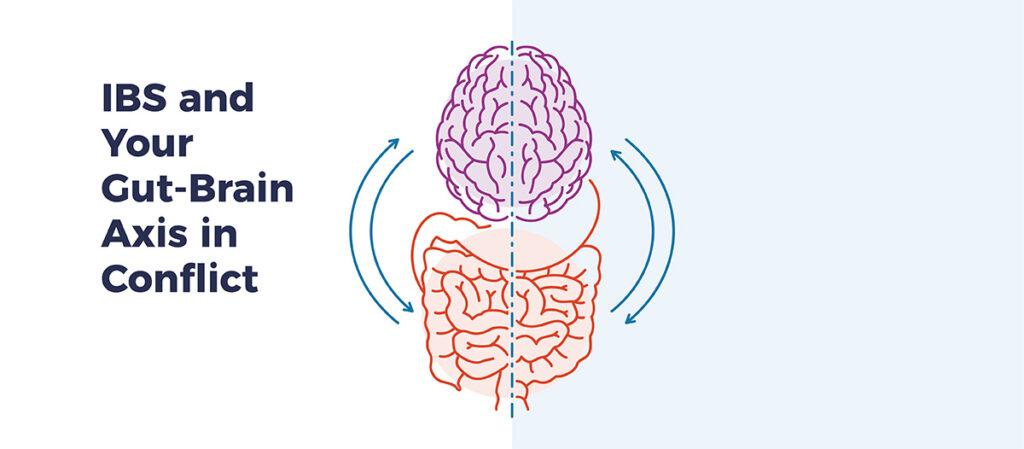
The gut-brain axis is a bidirectional network linking your central nervous system (brain and spinal cord) with your enteric nervous system (the intricate network of neurons lining your gastrointestinal tract).
This network has multiple pathways, including the vagus nerve, hormonal signals, immune system activity, and other neurotransmitters.
One of the most important discoveries about this connection is that approximately 90 percent of your body’s serotonin—a neurotransmitter that regulates mood—is produced in the gut, with specific bacteria playing important roles in its production.
This finding revolutionizes how we understand the relationship between digestive and mental health.
How Your Gut Microbiome Affects Your Brain
The balance of your gut biome appears to impact your brain function through several mechanisms:
- Neurotransmitter Production: Gut bacteria produce neurotransmitters like serotonin, GABA, and dopamine that regulate mood, anxiety, and cognitive function.
- Inflammation Control: Healthy guts reduce oxidative stress by producing antioxidant enzymes and inhibiting inflammatory responses, which improves neurological function.
- Stress Regulation: A healthy microbiome helps regulate the body’s stress response by influencing the hypothalamic-pituitary-adrenal (HPA) axis, which controls cortisol (the body’s primary stress hormone) release.
- Immune System Modulation: The gut microbiome plays a vital role in regulating your immune system, which affects inflammation levels throughout the body, including the brain.
When Your Gut Microbiome Is Out of Balance
An imbalance in gut bacteria (dysbiosis) can inhibit this vital gut-brain communication. Recent research has linked dysbiosis to various mental health challenges, including:
- Anxiety Disorders
- Depression
- Stress Sensitivity
- Cognitive Impairment
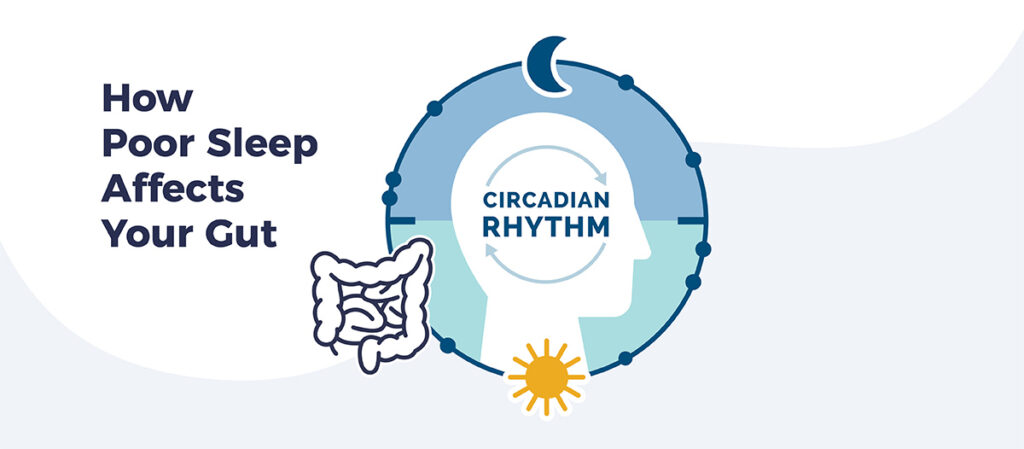
- Sleep Disturbances
Scientists from Duke-NUS Medical School recently discovered that specific microbial metabolites—particularly indoles—directly regulate brain activity linked to anxiety, opening exciting possibilities for probiotic-based therapies to improve mental health.
The Probiotic Solution: Restoring Balance for Better Mental Health
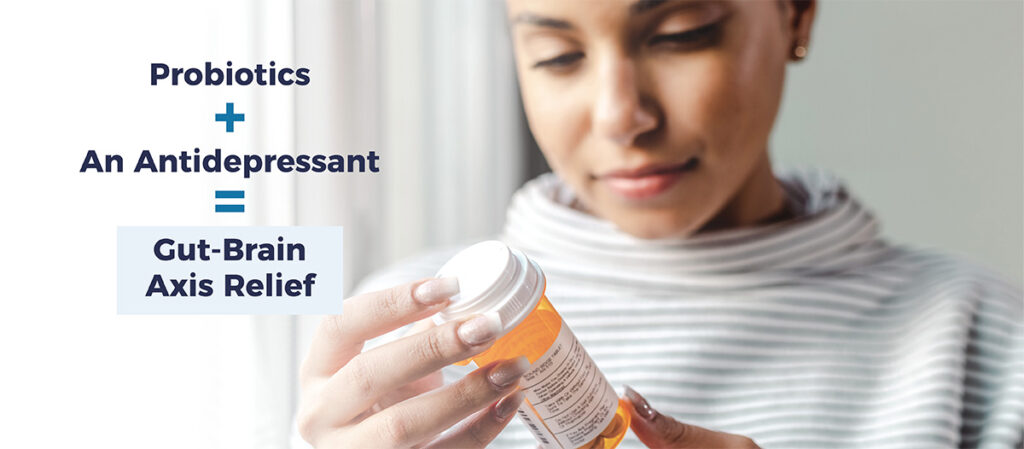
Probiotics—beneficial gut microorganisms—offer a promising approach to supporting both gut and mental health. These “good bacteria” can help restore balance to your gut microbiome and strengthen the gut-brain axis.
According to a review published in February 2025, probiotics can regulate gut microbiota, which is vital not only for digestion and metabolism but also for immune function and mental health.
Multiple clinical studies show probiotics’ potential mental health benefits:
- Reduced Anxiety and Depression Symptoms: A 2025 randomized, double-blind, placebo-controlled study found that a multi-species probiotic reduced negative mood in healthy volunteers, with effects beginning after just two weeks of daily use.
- Improved Stress Resilience: One study found that workers taking a probiotic containing Lactobacillus plantarum experienced significant reductions in self-perceived stress, depression, and overall negative emotions, along with decreased cortisol levels.
- Enhanced Cognitive Function: Research has shown that specific probiotics like Lactobacillus rhamnosus are associated with improved cognitive performance, including better mental alertness and focus.
- Reduced Rumination: Patients given a multi-strain probiotic experienced significantly fewer ruminative thoughts (repetitive negative thinking) compared to those taking a placebo.
EndoMune Probiotics: Supporting Your Gut-Brain Connection
EndoMune Advanced Probiotic, developed by a board-certified gastroenterologist, promotes digestive health and supports overall wellness, including the vital gut-brain connection.
What makes EndoMune particularly effective for supporting the gut-brain axis?
- Multi-Strain Formulation: EndoMune Advanced Probiotic contains 10 strains of beneficial bacteria from the Lactobacillus and Bifidobacterium families, including Lactobacillus rhamnosus referenced above.
- Prebiotic Support: EndoMune includes fructo-oligosaccharides (FOS), a natural prebiotic made from plant sugars that feeds beneficial bacteria and enhances their effectiveness. Prebiotics like FOS may help mitigate depressive symptoms and support brain health alongside probiotics.
- Scientifically Formulated: The specific bacterial strains in EndoMune were selected based on scientific research into their benefits for both digestive and mental well-being.
- Lactobacillus and Bifidobacterium Focus: These generally have shown significant potential in modulating the microbiota-gut-brain axis.
How EndoMune Supports Serotonin Production
Serotonin is often referred to as a “happy hormone” due to its influence on mood and emotional regulation. Scientists estimate that 80-90 percent of the body’s serotonin is produced in the gut. Research published in the medical journal Cell linked the production of serotonin in the gut by enterochromaffin (EC) cells to specific bacteria.
In an experiment with mice, researchers found that EC cells from germ-free animals produced about 60 percent less serotonin compared to normal mice. When gut bacteria from normal mice were transplanted into germ-free mice, their serotonin levels rebounded.
EndoMune’s multi-strain formula helps support the diverse bacterial community necessary for optimal serotonin production, potentially supporting more stable mood regulation naturally.
Beyond Serotonin: Multiple Pathways to Mental Wellbeing
The benefits of probiotics for mental health extend beyond serotonin production. As noted by researchers at University College Cork in Ireland, probiotics (sometimes called “psychobiotics” when referring to their mental health benefits) can produce and deliver neuroactive substances such as gamma-amino butyric acid (GABA) and serotonin, which act on the brain-gut axis.
EndoMune’s comprehensive formula supports multiple pathways that influence mental well-being:
- Anti-Inflammatory Effects: Reducing inflammation that can contribute to mood disorders.
- Improved Intestinal Barrier Function: Preventing leaky gut that can trigger systemic inflammation.
- Enhanced Nutrient Absorption: Supporting optimal brain function through improved nutrition.
- Balanced Immune Response: Preventing overactive immune reactions that affect the brain.
How to Incorporate EndoMune into Your Mental Wellness Routine
For optimal gut-brain axis support:
- Consistent Daily Use: Take EndoMune Advanced Probiotic daily as directed to maintain a steady presence of beneficial bacteria.
- Pair With Prebiotic Foods: Enhance the effectiveness of your probiotic by consuming prebiotic-rich foods like bananas, onions, garlic, asparagus, and whole grains.
- Reduce Stress: Even the best probiotics work better when complemented by stress-management practices like meditation, adequate sleep, and regular exercise.
- Limit Gut Disruptors: Minimize eating processed foods, excessive alcohol, and unnecessary antibiotics that can disrupt your gut microbiome.
- Be Patient: While some people notice improvements in digestion quickly, the mental health benefits of probiotics often develop gradually over several weeks of consistent use.
The Future of Gut-Brain Health Research
The field of gut-brain axis research is expanding rapidly. Scientists are investigating how specific probiotic strains might address various psychological conditions by modulating the hypothalamic-pituitary-adrenal (HPA) axis, directly influencing the immune system, and through the production of neurotransmitters and neurohormones.
Research consistently shows that incorporating prebiotics, probiotics, and symbiotics (combinations of pre- and probiotics) into a healthy diet can lead to improvements in cognitive functions and mood, potentially offering fresh approaches for maintaining brain health as we age.
Key Takeaways: A Holistic Approach to Mental Wellness
The emerging science of the gut-brain axis offers an exciting perspective on mental health, one that acknowledges the profound connection between our digestive system and our emotional well-being. By supporting your gut microbiome with a high-quality, multi-strain probiotic like EndoMune Advanced Probiotic, you’re not just investing in better digestion, you’re potentially supporting your mental health from the inside out.
Remember that probiotics work best as part of a comprehensive approach to wellness that includes a nutritious diet, regular physical activity, stress management, and good sleep hygiene. By addressing both your gut and brain health simultaneously, you may discover a more balanced, resilient state of well-being – naturally without medication.
For more on this important topic see this post.
References
“Gut over Mind: Exploring the Powerful Gut–Brain Axis” – Published in February 2025 in the journal Nutrients (MDPI). This recent narrative review provides a comprehensive overview of the gut-brain connection and how probiotics regulate gut microbiota of both digestive and mental health benefits.
URL: https://www.mdpi.com/2072-6643/17/5/842
“Scientists reveal gut microbes’ hidden role in anxiety” – published in February 2025 by Duke-NUS Medical School in Science Daily. This study discovered the connection between gut microbial metabolites (specifically indoles) and anxiety-related behavior, suggesting potential for probiotic-based therapies.
URL: https://www.sciencedaily.com/releases/2025/02/250205165613.htm
“Probiotics reduce negative mood over time: the value of daily self-reports in detecting effects” – Published in NPJ Mental Health Research. This randomized, double-blind, placebo-controlled study showed that a multispecies probiotic reduced negative mood in healthy volunteers after two weeks of use.
URL: https://www.nature.com/articles/s44184-025-00123-z
“Probiotics as modulators of gut-brain axis for cognitive development” – Published in Frontiers in Pharmacology (February 2024). This research explains the mechanisms by which probiotics influence neurotransmitter production and cognitive function, including the role of different bacterial strains in producing serotonin and GABA.
URL: https://www.frontiersin.org/journals/pharmacology/articles/10.3389/fphar.2024.1348297/full
The Food and Drug Administration has not evaluated these statements. This product is not intended to diagnose, treat, cure, or prevent any disease.