
Free shipping on all orders over $125*

Synbiotic Blend of 10 Beneficial Strains, Developed by Board-Certified Gastroenterologist

Diet

Health Issues Related to Diet

Mangos may protect your gut from high-fat diets

Not only do high-fat diets chock full of high-calorie fast foods and short on fiber expand your waistline, trigger blood sugar spikes and harm your heart, they disrupt the gut-brain axis that increases your risks for depression and other related health problems.

Fortunately, there’s very healthy and delicious foods you can eat that do double-duty to promote a healthy gut and protect your body from disease, like almonds and dark chocolate.

Add the flavorful, low-fat/high-fiber mango to that list of gut-healthy foods, based on a recent Journal of Nutrition study.

Beating the obesity epidemic sweetly

You may recall how researchers have concluded more diversity in the gut lowers your chances of obesity. Conversely, previous studies have also found lower levels of Bifidobacteria in people fighting obesity as well as type 2 diabetes.

Scientists at Oklahoma State University and North Carolina State University compared the health of 60 male mice, based on feeding them high-fat diets supplemented with or without mangos and in varying amounts (1 or 10 percent).

Animals fed a high-fat diet plus 10 percent in mangos — equal to humans eating 1.5 cups of this delicious fruit — retained more of their gut bacteria than those fed lower amounts.

Also, the addition of mangos to the diets of mice resulted in their guts containing more gut bacteria, specifically Bifidobacteria and Akkermansia (bacteria found in lower amounts in obese animals), and improved production of short-chain fatty acids (SFCAs), beneficial compounds that have anti-inflammatory properties.

“Fiber and other bioactive compounds in plant-based foods are suggested to prevent gut dysbiosis caused by a high-fat diet,” said Edralin A. Lucas, Ph.D., professor of nutritional sciences at Oklahoma State and lead researcher of the study, according to a press release.

“The results of this animal study showed that adding mango to the diet may help maintain and regulate gut health and levels of beneficial bacteria levels.”

What’s ahead

Researchers caution more work needs to be done to confirm the benefits of eating mangos on the human gut once and for all, especially for those whose diets aren’t the healthiest.

Despite their nutritional benefits — the average serving (one cup) of mangos contains about 100 percent of Vitamin C and 35 percent of Vitamin A — this juicy stone fruit has 23 grams of sugar and 25 grams of carbohydrates, not small amounts for people who are trying to kick the sugar habit. (So, if you enjoy mangos, be sure to eat them in moderation.)

No matter how nutritious, fatty or sugary your diet may be, taking a probiotic with multiple strains of beneficial bacteria like EndoMune Advanced Probiotic is a safe, proven way to protect your health and your gut.
Mangos may protect your gut from high-fat diets Read More »

Could your gut be training your body to yo-yo diet?

Losing weight isn’t easy. It takes a lot of consistent effort in many areas — exercise, food choices, portion control, sleep, self-esteem are just a few — to do it the safe and right way.

Sadly, life often gets in the way and not every weight loss effort goes as planned. Sometimes, this can lead to weight cycling, better known as yo-yo dieting.

Although there’s no general consensus among medical experts whether repeatedly losing and regaining weight is bad, there are health consequences associated with yo-yo dieting, like coronary issues, extra stress and a slower metabolism.

A recent series of tests by a team of Israeli researchers pinpointed a potential cause for yo-yo dieting in a study appearing in Nature: A gut microbiome that changes when weight is lost, then exposed to high-fat foods again.


The experiments

As scientists studied mice, they discovered an important constant with yo-yo dieting: After one cycle of gaining and losing weight, every bodily system in their test subjects reverted to normal except for their microbiomes. For some six months after their weight loss, mice retained an “obese” microbiome.

“This persistent microbiome accelerated the regaining of weight when the mice were put back on a high-calorie diet or ate regular food in excessive amounts,” said lead researcher Dr. Eran Elinav of the Weizman Institute of Science in a press release.

No surprise, when researchers transplanted gut bacteria from obese mice into germ-free mice, they began to gain weight too when fed high-fat foods.

It was only when scientists bombarded obese mice with broad-spectrum antibiotics or gave them fecal samples from mice that had never been obese that the cycle stopped.

Those treatments may work for mice, but for humans, antibiotics have been a known enemy of gut health for a very long time and fecal transplants have unintended consequences that may do more harm than good.

However, scientists identified a pair of flavonoids, a diverse family of natural chemicals found in nearly all fruits and vegetables, that were in short supply among obese mice that would improve fat-burning.

When mice were fed flavonoids in their drinking water, their little bodies readjusted and didn’t experience accelerated weight gains, even when fed high-calorie diets.


Targeting the gut

Whether extra flavonoids will work on the guts of humans to prevent yo-yo weight gains is anyone’s guess. However, there’s one critical aspect of gut health that the Israeli study didn’t investigate.

Microbial diversity in the gut plays a vital role in protecting humans from all kinds of health issues, not to mention obesity. Unfortunately, our go-go-go lifestyles can make it difficult to eat at the right times, get enough exercise or follow a consistent sleep schedule.

That’s when taking a quality probiotic made with multiple strains of beneficial bacteria like EndoMune Advanced Probiotic can make a big impact in protecting your health.

Could your gut be training your body to yo-yo diet? Read More »

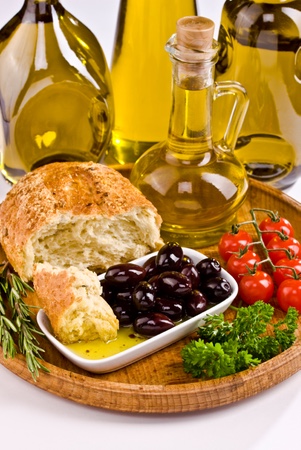
Could a Mediterranean diet help your heart and gut?

Trimethylamine N-oxide (TMAO) is a trouble-making metabolite produced by the liver after your gut bacteria digests animal protein that contributes to heart disease.

You may be familiar with our reporting on TMAO, as a number of researchers have targeted it, most recently using allicin, a sulfur-based compound in garlic, to reduce its chemical footprint and improve cardiovascular health significantly.

The goal: Develop safer ways to treat TMAO without resorting to antibiotics that promote the depletion of good and bad bacteria in the gut.

Previously, scientists had also tried unsuccessfully to stop the process by inhibiting host enzymes that converted trimethylamine (TMA) into TMAO until liver damage was detected.

A second TMAO-related study conducted by the Cleveland Clinic has discovered another way to fight atherosclerosis/heart disease by targeting gut molecules with DMB, a chemical compound contained in foods associated with the Mediterranean Diet.

This chemical is naturally found in grape seed oils, balsamic vinegars and cold-pressed extra virgin olive oils, according to the study appearing in Cell.

In testing on mice predisposed to atherosclerosis that were fed a choline-rich diet, DMB cut TMAO levels sharply by limiting the formation of TMA.

Two more important advantages of DMB:

  • Unlike antibiotics, DMB didn’t wipe out gut bacteria and limited the amounts of some microbes linked to higher levels of TMA. This could mean gut bacteria may not develop a resistance to DMB, unlike antibiotics.
  • DMB would work differently than drugs like Lipitor that lower cholesterol, as it would target gut bacteria, not human cells.

Should human trials by successful down the road, researchers believe this could lead to other investigations, and the development of a drug.

“If we replicate our findings in upcoming human studies, this could be a whole new approach to the treatment of cardiovascular and metabolic diseases,” says senior study author Dr. Stanley Hazen, according to a press release.

“In the meantime, our findings suggest that it might not be a bad idea to consume a Mediterranean diet to help stave off heart disease and other health problems.”

Adding a healthy amount of dietary fiber to your diet along with a multi-strain probiotic, like EndoMune Advanced Probiotic, also offers greater protection from cardiovascular disease.

Could a Mediterranean diet help your heart and gut? Read More »

A Low-fiber Diet may Harm Your Grandkids

Previously, we’ve discussed the benefits related to including more fiber-rich foods in your daily diet, from relieving constipation to protecting your heart.

The downside of avoiding dietary fiber, however, may be worse and more far-reaching than health professionals ever imagined, according to a Stanford University School of Medicine study appearing in a recent issue of Gut Metabolism.

Much is known about the many ways gut bacteria can be depleted from the human gut — too many antibiotics, more C-section births and less breastfeeding — in industrialized societies like our own, says Dr. Erica Sonnenburg, lead author of the Stanford study.

“We asked ourselves whether the huge difference in dietary fiber intake between traditional and modern populations could, alone, account for it.”

In fact, Dr. Erica Sonnenburg, along with many other scientists, now believe the gut health of people in developed countries like our own is an estimated 30 percent less diverse than those living as hunter-gatherers today, due to the disparity in fiber.

Fiber vs. no fiber

Researchers tested their concerns on mice living in a sterile environment, whose guts were populated with human gut bacteria. Then, the mice were split into two groups. One was fed high-fiber, plant-derived food, while the other was fed a similar chow (similar fat, protein and calories) that contained almost no fiber.

Within two weeks, the differences between both groups became very apparent. Among mice consuming low-to-no fiber, many species of gut bacteria disappeared altogether, while others fell by about 75 percent.

Switching back to a healthier, fiber rich diet didn’t solve the problem entirely for the no-fiber mice either, as a third of the bacterial species that inhabited their guts early on were never restored.

About your grandkids…

So, how can a low-fiber diet affect generations of grandkids?

Once a group of these mice were fed and raised on high-fiber foods and allowed to reproduce, scientists discovered the gut health of each successive generation of animals declined sharply.

By the fourth generation, bacterial diversity in the guts of mice had fallen by nearly 75 percent, compared to the first generation. Even worse, at least two-thirds of the bacterial species in the guts of first generation mice were lost for good.

Stanford researchers managed to engineer a happy ending to this study, albeit with caveats. By giving the fourth generation of depleted mice fecal transplants taken from high-fiber diet mice and feeding them high-fiber diets, the diversity and composition of gut bacteria mirrored those of the control mice within 10 days.

Although changes in human DNA are few as generations pass, the same may not be said about our gut microbiomes over time, says Dr. Sonnenburg, in an interview with Science.

Unfortunately, a fecal transplant isn’t a quick fix for health problems either. Based on a recent case study, a woman became overweight after receiving a fecal transplant from her daughter.

One very safe way to maintain and improve the diversity of your gut is to take a daily probiotic like EndoMune Advanced Probiotic that contains multiple strains of beneficial bacteria.

Your children and grandchildren will also benefit by supplementing their health with the multiple strains of Lactobacillus and Bifidobacteria contained in EndoMune Kids.

A Low-fiber Diet may Harm Your Grandkids Read More »

Yogurt and your gut health

When people talk to me at seminars about improving their gut health, some say they’re already eating yogurt every day… So why should they take probiotics?

Their confusion is understandable. Big food companies spend a lot of money on studies to show off the healthy value of foods they produce, like this 2013 study published in the journal Gastroenterology funded by Danone Research.

For this small study, scientists tested the effect of a non-fermented yogurt containing four different strains of probiotic bacteria on 36 women (ages 18-55) for four weeks on brain functionality.

Patients were divided into three groups: Women who ate the yogurt with beneficial bacteria twice a day, a plain mixture with no bacteria or nothing at all.

Based on functional magnetic resonance imaging (fMRI) done before and after the four-week period, women who ate the yogurt containing probiotic bacteria experienced a decrease in engagement in parts of their brains when shown a series of frightened or angry faces, then matching these with other faces showing the same emotions.

Also, women who ate the probiotic-laced yogurt experienced greater connectivity with the prefrontal cortex during a resting fMRI. In fact, scientists were surprised to see these effects in many areas of the brain, including sensory processing.

The real benefit of this study was to demonstrate one more time how consuming beneficial probiotic bacteria affects the gut-brain axis — the biological connection linking the gut, emotions and brain as one — in very positive ways.

Why not yogurt?

Still, the looming question — Why isn’t the yogurt you’re eating having the same effect on your gut health and emotions? — remains.

It’s very possible scientists tested a mixture of live bacteria in that non-fermented yogurt. Unfortunately, most brands of yogurt you’ll find at your neighborhood grocery store are made with high-heat pasteurization.

This processing kills harmful bacteria at the expense of introducing new bacteria that may not benefit your health.

Plus, most yogurt brands are made with a problematic list of ingredients (artificial sweeteners, dairy fat or sugar) that can drive obesity.

To derive any gut health benefits from yogurt or other probiotic/fermented foods we reviewed in a recent blog post, you’ll probably need to prepare them, a time-consuming task that requires a lot of time and follow strict food safety guidelines to protect yourself from illness.

The major difference between eating yogurt or fermented foods and taking a daily probiotic is a pretty simple one. With foods, you’re not sure how much beneficial bacteria you’re eating from serving to serving, if any at all.

Taking probiotics, like EndoMune Advanced Probiotic and EndoMune Kids, ensures you’re receiving multiple strains of beneficial bacteria plus prebiotics that feed the good bacteria already living in your gut.

Yogurt and your gut health Read More »

Feeling full? That’s your gut bacteria talking!

It’s the holidays, and you’ve already made two passes through the huge spread of delicious foods your family has made for your special feast with friends and family in the dining room.

While you’re stuffing your face with stuffing, you’re kept a close eye on the dessert table, especially anyone going near your Mom’s once-a-year specialty: Her chocolate crème pie. You know you want a slice, and it’s merely a matter of time before you get it.

After finishing those second helpings, however, that satisfied feeling of fullness, known as satiety, has started to kick in big time, and you’re losing the appetite for that delicious slice of pie…

If you want to blame someone or something for this holiday pie fiasco (besides yourself), look no further than the bacteria in your gut, according to a recent study published in the medical journal Cell Metabolism.

The study offers another interesting twist on the gut-brain axis, the biological connection that links the gut, brain and emotions as one.

It’s known that gut hormones send biological signals to the brain when your body is hungry or full, yet little was known about the process until this study conducted on mice by European researchers.

Overall, scientists discovered after 20 minutes of consuming food — about the same amount of time it takes for humans to feel tired or full after a meal — E. coli bacteria residing in the guts of mice produced different kinds of proteins than before eating.

Injecting mice with small amounts of bacterial proteins created after feeding also lowered of appetites of hungry and free-fed mice too.

More tests of bacterial proteins backed up this association, first by identifying the release of a peptide (YY) linked to satiety, then detecting the production of specific DNA (CipB) in the gut also linked to fullness.

“We now think bacteria physiologically participate in appetite regulation immediately after nutrient provision by multiplying and stimulating the release of satiety hormones from the gut,” says senior author Dr. Serguei Fetissov, according to a press release.

Paying closer attention to satiety is a good thing. Overdoing it on high-fat foods too often can force our gut health to compensate by cutting back on the diversity of bacteria, thus leaving our bodies more vulnerable to disease.

Fortunately, you can protect your gut-brain axis as well as the diversity of bacteria in your gut by taking a probiotic, ideally one like EndoMune Advanced Probiotic that contains multiple strains of beneficial bacteria.

Feeling full? That’s your gut bacteria talking! Read More »

Fish oil promotes healthy gut bacteria

Taking a fish oil supplement rich in omega-3 fatty acids has emerged as a potent and necessary weapon for maintaining optimal health by protecting our bodies from an assortment of problems, including many related to cardiovascular health.

The need for omega-3 supplementation has grown due to an imbalance in our Western diets, which are full of high-fat, processed foods containing omega-6 fatty acids, and has perpetuated our current obesity epidemic.

Our bodies require both kinds of fatty acids to thrive. Ratios of 2:1 to 4:1 (omega-6 to omega-3 fats) are necessary to maintain good health. Unfortunately, the average diet contains up to 25 times more omega-6 fatty acids than omega-3s.

If you don’t eat fish high in omega-3s like salmon, herring, sardines or tuna at least twice a week, a fish oil supplement may be a smart choice for the health of your body thanks to your gut, according to a new study featured in Cell Metabolism.

First, European scientists monitored the metabolic health of mice while feeding them fish oil or lard for 11 weeks. Based on the problems of the Western diet, the lard “diet” promoted the growth of Bilophila, gut bacteria linked to inflammation.

On the other hand, mice that consumed fish oil increased their production of Akkermansia mucinphila, gut bacteria that improved the metabolism of glucose and reduced extra weight.

“We were surprised that the lard and the fish oil diet, despite having the same energy content and the same amount of dietary fiber – which is the primary energy source for the gut bacteria – resulted in fundamentally different gut microbiota communities and the microbiota had such large effects on health,” says study co-author Dr. Robert Caesar, according to a press release.

Scientists conducted a follow-up round of tests, transplanting fecal samples from mice fed fish oil or lard into antibiotic-treated mice fed a lard diet for three weeks. Mice receiving fecal samples enhanced by fish oil gained less weight and produced lower levels of lipopolysaccharides than those fed lard.

Based on this small mice study, taking fish oil may be a good supplement for your overall gut-health along with a probiotic, ideally a multi-strain product like EndoMune Advanced Probiotic containing 10 strains of beneficial bacteria.


Fish oil promotes healthy gut bacteria Read More »

The Western lifestyle is harming your gut health

There’s no denying the typical Western lifestyle — consuming diets high in processed foods, red meat, refined sugars, carbohydrates and saturated fats — has fueled the current obesity epidemic plaguing much of the industrialized world.

Part of the damage done to our bodies is how our health has changed drastically to compensate for eating these calorie-rich, nutrient-poor diets, doing great harm to our gut microbiota.

A trio of 2015 studies show how the human gut health varies according to lifestyle and geography, and, in one case, how quickly one’s gut health can change.

Native populations have more diverse gut microbiomes

Two studies compared the gut microbiomes of natives in various non-industrialized communities around the world to those U.S. residents.

In one study comparing the gut microbiomes of people living in the U.S. to those in non-industrialized Papau New Guinea (published in Cell Reports), scientists discovered Americans lacked some 50 different species of gut bacteria.

Why? Western lifestyles that reduce the ability of bacteria to move from person-to-person (bacterial dispersion) via drinking water or sanitation may have contributed to these differences in gut bacteria, says study co-author Dr. Jens Walter of the University of Alberta Department of Agricultural, Food & Nutritional Science.

This discovery implies a connection to the hygiene hypothesis, in which the body’s immunities and gut health are harmed by constant exposure to antibacterial soaps, bottled water, antibiotics and disinfectants.

The real challenge posed by this study is developing methods to reduce the damage done to human gut health without jeopardizing the benefits, says study co-author Dr. Andrew Greenhill of Federation University Australia.

The same lack of gut bacteria was also discovered in another study, appearing in Nature Communications. This study compares Americans living in Norman, Okla., to native farmers and hunter-gatherers living in Peru and the Amazon.

In this study, the genus Treponema, a family of bacteria that has co-existed for millions of years in humans and primates, was missing in industrialized populations.

“In our study, we show that these lost bacteria are in fact multiple species that are likely capable of fermenting fiber and generating short chain fatty acids in the gut. Short chain fatty acids have anti-inflammatory properties,” says Cecil Lewis, co-director of the Laboratories of Molecular Anthropology and Microbiome Research at the University of Oklahoma College of Arts and Sciences, in a press release.

“This raises an important question: could these lost Treponema be keystone species that explain the increased risk for autoimmune disorders in industrialized people?”

Multi-national diet changes quickly alter colon cancer risks

Western diets were blamed for rapid gut health changes that raised the risks of colon cancer in a third study appearing in Nature Communications, comparing the health of African-Americans in the U.S. to native Africans living in rural South Africa.

Twenty African-Americans swapped diets with a similar number of native South Africans for two weeks. Before and after the change in diets, all patients were given colonoscopies. Also, researchers examined biological markers that measured a patient’s risks of colon cancer, along with bacterial samples taken from the colon.

At the beginning, nearly half of the Americans participating in the study had polyps (growths in the colon that can evolve into colon cancer). Americans who followed the African diet experienced a reduction in biomarkers for cancer, significantly lessening the inflammation in their colons and an increase in butyrate, a byproduct of metabolizing fiber linked to key anti-cancer benefits.

Conversely, the cancer risk for African patients following a westernized diet, one low in fiber but high in protein and fat, increased dramatically too.

Both sets of findings underscore how a change in diet can quickly and dramatically alter one’s health for better or worse. The obvious difference in the Western diet was the lack of dietary fiber, according to Dr. Jeremy Nicholson, of Imperial College London in a press release.

“This is not new in itself but what is really surprising is how quickly and dramatically the risk markers can switch in both groups following [a] diet change. These findings also raise serious concerns that the progressive westernization of African communities may lead to the emergence of colon cancer as a major health issue.”

Increasing your daily intake of dietary fiber by 30 grams (about 1 ounce) can also help you lose weight and help reduce cardiovascular problems.

Boosting your intake of dietary fiber, along with taking a quality probiotic like EndoMune Advanced Probiotic, provides even greater benefits.

Eating more fiber feeds your gut bacteria the starches it needs to jump-start the fermentation process to provide nourishment to the cells lining the colon. As a result, the intestinal tract becomes much healthier and functions more effectively.

Adding a probiotic containing multiple strains of beneficial bacteria like EndoMune, not only increases the fermentation process of fiber in the gut, it reduces the impact of various diseases.

The Western lifestyle is harming your gut health Read More »

Protect your teeth from thrush with probiotics

Protect your teeth from thrush with probioticsThe great thing about probiotics is how versatile the beneficial bacterial can be at treat health conditions unrelated to your gut. Recent studies have shown how probiotics treat common tooth-related problems like gum disease and help tooth decay.

Researchers in Sweden and Denmark have found success in treating thrush (oral candidiasis), a condition experienced by nursing home residents, with a probiotic lozenge containing Lactobacillus reuteri, according to a study published in the Journal of Dental Research.

Thrush is a pesky health problem that occurs when the fungus Candida albicans accumulates in large quantities in the mucous membranes of the mouth, according to the Mayo Clinic.

Learn more about thrush

Although Candida albicans lives naturally in the mouth, the fungus becomes a problem when it grows out of control, creating white lesions on the tongue or inner cheeks, which can spread further to the gums, tonsils, the roof of your mouth and into the throat.

If you’re in good health, thrush isn’t a serious health condition to treat and it can happen to anyone. Thrush occurs most often among the elderly, babies, toddlers and their moms.

Thrush can become harder to control if your immune system is compromised by health problems, including uncontrolled diabetes, cancer, HIV, hormonal changes experienced by pregnant women, if you wear dentures or smoke.

Taking some medications can mess up the balance of bacteria in your mouth such as birth control pills, corticosteroids and antibiotics may trigger thrush too.

Treating thrush with probiotics

Typically, doctors treat thrush by prescribing antifungal medications for 10-14 days. For this latest study, 215 seniors living in nursing homes were given probiotic lozenges containing either two proprietary blends of Lactobacillus reuteri or a placebo, every day for 12 weeks.

Although there were no great differences between either group in levels of supragingival plaque (the tooth surface above the gum line) or bleeding, Candida levels dropped in saliva and plaque by more than 50 percent in the group taking probiotics.

Among the complementary and alternative therapies listed by the University of Maryland Medical Center for thrush, probiotics containing Lactobacillus acidophilus and Bifidobacterium topped the list, especially when taking antibiotics that may eliminate the friendly bacteria that prevent thrush from becoming a health problem.

Both Lactobacillus acidophilus and Bifidobacterium are some of the proprietary strains in EndoMune Advanced Probiotic, EndoMune Kids and EndoMune Jr. Chewable Probiotic for Kids (for kids ages 3-8).

How to prevent oral thrush

Preventing oral thrush is pretty simple, if you follow these simple steps.

  • Visit your dentist for regular checkups.
  • Don’t smoke and quit if you still do.
  • Practice good oral hygiene (daily flossing and tooth brushing).
  • Avoid using mouthwashes or sprays too often as they can also disrupt the safe balance of microbes in your mouth.
  • Limit your intake of foods containing processed sugars and yeast.

Protect your teeth from thrush with probiotics Read More »

Garlic works with your gut to protect your cardio health

Allium sativum, better known as garlic, is a versatile and flavorful member of the onion family.

Not only has garlic been used to bring flavor to foods for thousands of years, this vegetable has a long history in natural medicine. The Greek physician, Hippocrates was known to prescribe it for fatigue, respiratory problems and poor digestion, according to the Journal of Nutrition.

Hippocrates’ counterparts in the Middle East and Asia used garlic to treat serious ailments, such as bronchitis and hypertension, as well as less troublesome problems like flatulence and colic.

Today, garlic has garnered even more interest, based on an array of medical studies over the past 15 years, naming it as a therapeutic treatment for fighting colds, improving bone health and reducing hypertension.

New research in the Journal of Functional Foods has discovered a new way for garlic to improve your cardiovascular health, with the indirect help of your healthy gut and a good diet.

The problem is the production of Trimethylamine N-oxide, TMAO, a metabolite produced by the liver after gut bacteria digests animal protein. This metabolite contributes to heart disease.

In a study conducted on four groups of mice, researchers discovered that test animals that were fed carnitine (a nutrient contained in red meat, dairy products, avocados and peanut butter) for six weeks produced “a remarkable increase” in plasma TMAO levels, compared to a control group that was given no carnitine.

When garlic is crushed or chopped, the enzyme allinase is released which speeds up the formation of allicin, according to the Linus Pauling Institute at Oregon State University. The average garlic clove weighs up to 4 grams and can produce as much as 4,500 micrograms of allicin.

However, when the test subjects were given allicin, a sulfur-based compound in garlic, along with the carnitine, their TMAO levels dropped significantly.

Moreover, the TMAO levels of the group that consumed allicin were as low as those found in the control group who were given no carnitine at all.

This discovery gives medicine a natural and less harmful weapon to fight TMAO. In the past, physicians have treated this condition with antibiotics, which are known to disrupt the balance of bacteria in the gut.

Another way to improve your cardiovascular health from a gut perspective: boost your intake of dietary fiber along with taking a probiotic, ideally a product containing multiple strains of beneficial bacteria like EndoMune Advanced Probiotic.

Consuming beneficial foods like garlic, along with a probiotic like EndoMune, are simple ways to improve your cardio health.

Garlic works with your gut to protect your cardio health Read More »

Scroll to Top