Free shipping on all orders over $125*

Synbiotic Blend of 10 Beneficial Strains, Developed by Board-Certified Gastroenterologist

Children’s Health

Children’s Health Issues

Cold season defense, girl with a cough, endomune probiotics helping fight germs.

Cold Season Defense: How Probiotics Strengthen Your Immune System When It Matters Most

During winter months, we see more colds, more missed days of work and school, and more families looking for natural immune support. In one large clinical trial, people taking a specific probiotic mix had cold season symptoms on only 4.5% of study days compared with 6.7% for placebo, a relative reduction of about one-third in the time they felt sick.


Key Takeaways

Question

Answer

How do probiotics help immunity during cold season? They support gut health, where most of the immune system resides, helping balance good bacteria and modulate immune responses. Learn more in our article on the gut–immune system connection.
Can probiotics shorten colds? Clinical trials show certain probiotic blends can reduce how many days people experience cold symptoms and may lessen severity.
Which probiotic is best for general immune support? A multi-strain, high CFU formula with a prebiotic, such as EndoMune Advanced Probiotic, provides broad support for gut and immune health.
What about children’s immunity during winter? Kid-specific probiotics can support digestive and immune health. Explore child-focused options in our Children’s Health category.
Are infant probiotics useful for early immune support? Gentle infant probiotics help establish a healthy gut, which naturally supports developing immunity. Learn more in our article on probiotics for preterm and newborn babies.
Where can I view all EndoMune probiotic supplements? You can see our full line of gut and immune support formulas in the Shop Probiotics section.


1. Why Cold Season Challenges Your Immune System

Cold season brings together several stressors on your immune system, including more time indoors, drier air, and greater exposure to respiratory viruses. At the same time, holiday eating patterns, travel, and higher stress can disrupt the gut, which is home to much of the body’s immune activity.

When gut balance shifts, the immune system can become less efficient at recognizing and responding to everyday threats. We see this play out as more frequent colds, longer symptom duration, and slower recovery, especially in families juggling work, school, and childcare.

The Gut–Immune Connection In Winter

Research has linked specific gut microbes to upper respiratory tract infection risk, which reinforces how closely the gut and respiratory immune systems communicate. During cold months, supporting a healthy gut environment helps maintain this communication so immune cells respond quickly and appropriately.

This is where a well-formulated probiotic supplement can be a practical daily tool. By providing beneficial bacteria and, in some cases, prebiotic fibers, probiotics help maintain a resilient gut environment that supports immune defenses when exposure risk is highest.


2. How Probiotics Help Your Immune System Fight Colds

Probiotics support immunity during cold season in several complementary ways. They help crowd out potentially harmful bacteria in the gut, support the gut barrier, and influence immune cell activity.

In practical terms, this can mean fewer days with symptoms, less severe congestion or sore throat, and a quicker return to normal routines. Clinical studies in adults and children show that targeted probiotics can shorten the duration of cold and flu-like symptoms and reduce the need for medications like fever reducers.

Key Gut–Immune Actions Of Probiotics

  • Support the balance of beneficial bacteria, which helps keep the gut lining healthy.
  • Interact with immune cells in the intestinal wall, helping regulate inflammation.
  • Encourage production of antibodies, including IgA, that protect mucosal surfaces like the nose and throat.
  • Help the body respond more effectively to everyday viral exposures during winter.

Because 70 percent or more of the immune system is associated with the gut, this kind of daily support can make a meaningful difference in how you experience cold season. That is why many of our customers use a daily probiotic as part of their core wellness routine alongside sleep, nutrition, and hygiene.


3. Science Spotlight: What Clinical Trials Show About Probiotics And Colds

Several well-designed human studies have examined how probiotics impact respiratory infections and cold symptoms. In adults, one randomized controlled trial found that a specific probiotic mix cut the proportion of days with cold symptoms by about one-third compared to placebo.

In children, another trial showed that those receiving a probiotic had fevers that lasted about 2 days less than the placebo group during upper respiratory infections. Shorter fever duration means fewer missed school days and less stress for parents.

What This Means For Real Life

These trials do not mean that probiotics completely prevent every cold, and no supplement can promise that. What they suggest is that when illness does occur, a healthy gut supported by probiotics may help you and your family feel better sooner and with less intensity.

When we design an advanced probiotic supplement, we look closely at this kind of data, focusing on multi-strain formulas and adequate CFU counts that align with what has been studied in humans during cold and flu seasons.

Did you know?

In children with upper respiratory tract infections, fever duration was about 2 days shorter (median 3 days vs 5 days) when they received a probiotic compared with placebo.

4. EndoMune Advanced Probiotic: Daily Gut And Immune Support For Adults
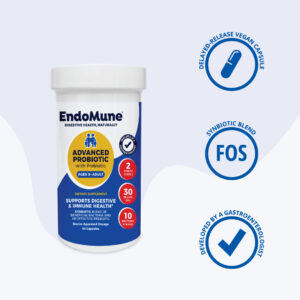
EndoMune Advanced Probiotics for Gut Health

For adults looking for daily support during cold season, EndoMune Advanced Probiotic is our flagship formula. It contains a synbiotic blend of 10 beneficial strains and a prebiotic to promote the growth of healthy bacteria in the gut.

Each delayed-release vegan capsule delivers 30 billion CFUs, designed to survive stomach acid and reach the intestines where they can offer the most benefit. At $42.95 per bottle, it provides a month of once-daily support for gut and immune health.

Why We Formulated This Advanced Probiotic

  • Developed by a practicing board-certified gastroenterologist who has seen firsthand how gut health impacts immunity.
  • Includes the prebiotic fructooligosaccharides (FOS) to nourish beneficial bacteria already living in your gut.
  • Supports digestive comfort while helping maintain a robust immune system, particularly helpful during winter.

You can take one capsule daily with or without food, and if you prefer, you can open the capsule and sprinkle it on soft food or mix it into a smoothie. This flexibility makes it easier to stay consistent, which is important when you want steady support across the entire cold season.

Cold Season Support infographic

This infographic explains five ways probiotics support immunity during the cold season.
Learn practical steps to include probiotic-rich foods in your routine.


5. Supporting Metabolic And Immune Health Together With EndoMune Metabolic Rescue
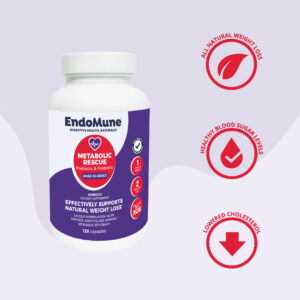
EndoMune Metabolic Rescue Probiotic for Weight and Metabolism

Cold season often coincides with changes in eating patterns, weight gain, and higher blood sugar swings, all of which can affect immune resilience. EndoMune Metabolic Rescue is a

carefully formulated prebiotic and probiotic combination designed to support metabolic efficiency while still offering all-natural gut support.

This advanced formula helps maintain healthy blood sugar and cholesterol levels while supporting regularity and overall digestive comfort. Better metabolic health can work hand in hand with a healthy immune system, particularly during the winter months when lifestyle habits sometimes shift.

How This Probiotic Supplement Fits A Winter Routine

  • Provides a blend of targeted strains plus prebiotics to support gut metabolism and beneficial bacteria.
  • Daily dosage is four capsules, taken as two capsules twice per day, which you can coordinate with meals.
  • At $44.95 per bottle, it offers an option for adults who want gut and metabolic support together during cold season.

Many of our patients and customers like to pair a metabolic-focused probiotic with lifestyle steps like consistent movement and balanced meals. Together, these choices can help keep energy and immunity steadier through the darker, colder months.


6. Immune Support For The Youngest: EndoMune Baby Probiotic Powder

Infants and toddlers face their own set of cold season challenges as their immune systemsEndoMune Baby Powder Probiotics for Gut Health learn to recognize new viruses. A healthy gut is crucial during this time because it helps train the immune system while supporting comfortable digestion.
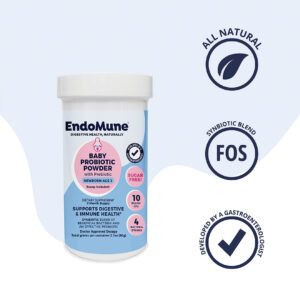
EndoMune Baby Probiotic Powder is a gentle probiotic supplement for newborns to age 3, including those delivered by Caesarean section or those who struggle with infantile colic. Each serving provides 10 billion CFUs with a prebiotic to foster a healthy gut environment.

How This Infant Probiotic Supports Immunity

  • Promotes digestive health, which naturally supports immune development in early life.
  • Includes a prebiotic to help beneficial bacteria thrive, particularly important in babies with early antibiotic exposure.
  • Easy to use: simply mix one scoop into breast milk, formula, or soft food once daily.

At $29.95 per bottle, this powder provides a month of infant-friendly gut and immune support. For families wanting to stay prepared through cold season, the EndoMune Baby Powder Twin Pack offers 10 percent savings at $53.91.


7. Kid-Friendly Immunity: EndoMune Kids Advanced ChewablesEndoMune KIds Chewable Probiotics for Gut Health
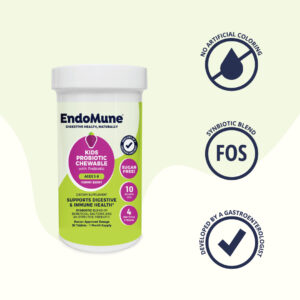
School-age children encounter many respiratory viruses during fall and winter, from classroom exposures to sports and playdates. Supporting their gut health with a child-focused probiotic can help keep their digestive and immune systems resilient.

EndoMune Kids Advanced Chewable Probiotic delivers 10 billion CFUs per tablet in a sugar-free, kid-approved chewable. The EndoMune Kids Chewable Twin Pack, priced at $59.31, is ideal for families who want an ample supply through the season.

How Our Kids Probiotic Fits Daily Routines

  • Children ages 3 to 8 can chew one tablet daily, which fits easily into breakfast or bedtime routines.
  • We recommend taking it two hours before or after antibiotics if your child needs those medications.
  • The blend includes both probiotics and prebiotics to help maintain a healthy balance of gut bacteria that supports immune function.

For families who want to try the formula first, our EndoMune Kids Advanced Chewable Probiotic Trial is available for $0.00, with a small shipping and handling fee. This lets you see how your child tolerates a probiotic supplement before committing to a full-size bottle.


Did You Know?

Genetic research has identified dozens of gut microbes associated with acute upper respiratory infections, underscoring how closely gut balance and cold risk are linked.

8. Building A Family Probiotic Plan For Cold Season

Many households want a coordinated approach, so every family member receives age-appropriate gut and immune support. That is why we created options that cover infants, children, and adults with consistent quality standards and similar usage patterns.

For example, parents may choose EndoMune Advanced Probiotic for themselves, EndoMune Kids Chewables for school-age children, and EndoMune Baby Probiotic Powder for the youngest family members. This creates a simple, daily routine that supports the gut health of the entire household through the winter months.

Comparing Key EndoMune Probiotic Options

Product
Best For
CFUs/Serving
Price
EndoMune Advanced Probiotic Adults seeking daily gut and immune support 30 Billion $42.95
EndoMune Kids Advanced Chewable Probiotic Children ages 3–8 10 Billion $32.95 (single bottle listing)
EndoMune Kids Chewable Twin Pack Families wanting extra supply 10 Billion per tablet $59.31
EndoMune Baby Probiotic Powder Newborns to age 3 10 Billion $29.95

Our EndoMune Family Pack, listed at $101.02, provides a convenient way to support adults and children together with a bundled option. For families that anticipate a busy winter with school and travel, having these probiotic supplements on hand can help you stay ready.


9. Practical Tips: Getting The Most From Probiotics During Cold Season

A probiotic supplement works best when it is part of a consistent, daily routine. We generally recommend taking your chosen EndoMune probiotic at the same time each day, such as with breakfast, to support steady gut health across the season.

If you or your child are taking antibiotics, separate the probiotic by at least two hours to support better survival of the beneficial bacteria. Continue using the probiotic for several weeks after the antibiotic course ends to help restore balance.

Other Habits That Work With Probiotics

  • Focus on whole foods with fiber, which act as natural prebiotics for your gut bacteria.
  • Practice regular handwashing and adequate sleep, since these are fundamental to immune strength.
  • Stay hydrated, especially in dry, heated indoor environments, to keep mucosal barriers healthy.

When these everyday steps are paired with an advanced probiotic supplement that supports gut health, you provide your body with multiple layers of defense during cold season. This comprehensive approach is what we encourage in our practice and in our product development.


10. Frequently Asked Questions About Probiotics And Winter Immunity

We often hear similar questions from patients and customers when they start thinking about probiotics for cold season. Clear answers help you decide how a gut health supplement can fit into your own plan.

How Long Should I Take A Probiotic Before Cold Season?

We typically suggest beginning at least a few weeks before peak cold and flu activity, and then continuing throughout winter. This gives your gut time to adjust and allows beneficial bacteria to establish a stable presence.

Can I Keep Taking Probiotics All Year?

Yes, many people safely use probiotics year-round to support ongoing gut and immune health. If you have specific medical conditions or concerns, discuss long-term use with your healthcare provider.

Do Probiotics Replace Flu Vaccination Or Other Medical Care?

No, probiotics are not a substitute for recommended vaccines or professional medical evaluation. We see them as one part of a comprehensive approach that includes vaccines, healthy lifestyle choices, and prompt medical care for concerning symptoms.


Conclusion

Cold season puts real pressure on your immune system, and supporting your gut is one of the most practical ways to strengthen your defenses. Clinical research shows that targeted probiotics can shorten the duration and reduce the severity of colds in both adults and children.

By choosing a high quality, multi-strain probiotic supplement like EndoMune Advanced Probiotic for adults, and our pediatric and infant formulas for younger family members, you give your gut and immune system daily support when it matters most. Combined with healthy lifestyle habits, probiotics offer a natural, science-backed way to navigate winter with greater resilience and comfort.


Cold Season Defense: How Probiotics Strengthen Your Immune System When It Matters Most Read More »

Probiotics for preterm babies

Probiotics for Preterm and Newborn Babies

Probiotics for Preterm and Newborn Babies: What a 2024 JAMA Trial Means for Parents

From the first days of life, your baby’s gut is hard at work building a community of bacteria that will help train the immune system, digest milk, and protect against infections. Whether your little one arrived full-term or early and needed time in the NICU, probiotics for newborns have become a major talking point among pediatricians and parents.

A landmark 2024 randomized clinical trial in JAMA Pediatrics—the PRIMAL study—offers important clues about when infant probiotics make sense, especially for vulnerable preterm babies, and how they might help all infants move toward a healthier, full‑term‑like gut microbiome.

For families who want day-to-day support for their baby’s digestion and immune health, these findings can also help frame conversations about gentle, infant‑focused products like EndoMune Baby Probiotic Powder, which is designed for babies delivered by C‑section, those struggling with colic, and children up to age 3.


What Was the PRIMAL Clinical Trial?

The PRIMAL study (Probiotic Microflora Adaptation in Lower‑weight infants) was designed to answer a very specific question: could a targeted probiotic blend protect preterm infants from “superbugs,” or multidrug‑resistant organisms (MDROs), in the NICU? Researchers focused on three strains that are common in healthy full-time infants:

  • Bifidobacterium longum subsp. infantis
  • Bifidobacterium animalis BB‑12
  • Lactobacillus acidophilus

Preterm babies in the trial either received this probiotic mix or a placebo, and the team tracked whether harmful, drug‑resistant bacteria colonized their guts as well as how their overall microbiome developed.


Can Probiotics Prevent Superbugs in the NICU?

One big question parents and clinicians ask is whether probiotics can stop dangerous, hospital‑acquired germs from taking over a fragile infant gut. In PRIMAL, the probiotic combination did not significantly prevent colonization with multidrug‑resistant organisms. That might sound disappointing at first, but it’s only part of the story.

The more encouraging finding is what happened to the overall gut landscape in probiotic‑treated babies. Even though probiotics didn’t act like a complete “shield” against every superbug, they still changed the microbiome in ways that look more like what we see in full-term infants.


Shifting Toward a Full‑Term Microbiome

The most exciting takeaway from PRIMAL is not what the probiotics blocked, but what they built. Babies who received the probiotic mixture developed gut communities that looked less like a typical preterm pattern and more like a healthy, full-time microbiome, with higher levels of beneficial Bifidobacterium.

A full‑term‑like microbiome dominated by bifidobacteria is important because it supports:

  • Immune system training. The gut acts as a classroom for the immune system, helping babies learn to respond to harmful germs without overreacting to harmless triggers.
  • Gut barrier strength. Friendly bacteria help seal the gut lining, which lowers the risk of infections and inflammation.
  • Nutrient absorption. A balanced microbiome helps infants get more out of breast milk or formula, including key vitamins and short‑chain fatty acids that nourish the gut.

In other words, even though PRIMAL didn’t prove that probiotics can “erase” superbug risks, it showed that the right strains can nudge preterm babies toward the kind of gut environment we want to see in full-time newborns.


What This Means for Preterm vs. Full‑Term Babies

For preterm babies, especially those spending time in the NICU, the PRIMAL data suggest that a carefully chosen probiotic blend can:

  • Support a more stable, bifidobacteria‑rich microbiome.
  • Potentially lower inflammation by shifting the overall gut environment.
  • Complement, but not replace, other essential NICU care like breast milk, infection control, and careful antibiotic use.

For full-term babies, especially those born by C‑section or who cannot receive exclusive breastfeeding, the same principles apply on a spectrum. These infants may also start life with less exposure to beneficial bacteria and may benefit from gentle probiotic support to help bridge that gap, particularly when digestion, gas, or colic are ongoing concerns.

This is where practical, at‑home options like EndoMune Baby Probiotic Powder come in: it is a synbiotic formula (probiotic plus prebiotic) created by a board‑certified gastroenterologist to support gut balance in C‑section infants, babies with colic, and toddlers up to age 3, outside the NICU setting.


Takeaways for Parents

If you are considering probiotics for your newborn or preterm infant, the 2024 PRIMAL trial offers a few clear messages:

  • Probiotics are not a forcefield against every hospital germ, but they can be a powerful tool for building a healthier foundation.
  • The most meaningful benefits seem to come from specific strains (like B. Infantis, BB‑12, and L. acidophilus) that help push the microbiome toward a full‑term‑like pattern.
  • A better‑balanced infant microbiome may support immune training, gut barrier function, and nutrient absorption during a critical window of development.

For many families, it makes sense to:

  • Ask their neonatologist or pediatrician about probiotic options in the NICU, especially for lower‑weight or very early preterm babies.
  • Discuss over‑the‑counter, infant‑focused products such as EndoMune Baby Probiotic Powder once their baby is ready to transition home, particularly for babies delivered by C‑section or those dealing with colic or frequent digestive upset.


What to Discuss With Your Pediatrician

Before starting any probiotic, especially in preterm or medically complex infants, it is essential to talk with your baby’s care team. Helpful questions include:

  • Does my baby have a preterm‑type gut profile or other risk factors that might make probiotics helpful right now?
  • Are the specific strains studied in preterm infants (such as B. infantis, B. animalis BB‑12, and L. acidophilus) appropriate for my baby’s current health status?
  • How would a gentle, multispecies infant product like EndoMune Baby Probiotic Powder fit with our feeding plan (breast milk, donor milk, or formula) and any medications my baby is taking?
  • When should we start, how long should we continue, and what signs of benefit or intolerance should we watch for?

By grounding your decisions in clinical data like the PRIMAL trial and working closely with your pediatrician, you can make a confident, individualized plan for using probiotics to support your baby’s gut health—whether your child was born right on time or arrived a little early.


Reference Study

For a deep dive into the clinical data, you can view the full study here: PRIMAL preterm-infant probiotic trial (JAMA Pediatrics 2024).

Probiotics for Preterm and Newborn Babies Read More »

Social Anxiety and the Gut

Social Anxiety and the Gut: What Your Microbiome Says About Your Social Fears

If you’ve ever felt your stomach churn before a social event or noticed digestive issues during stressful times, you’re not imagining the connection. New research shows that social anxiety and the gut have a surprisingly deep relationship – one that goes far beyond nervous butterflies.

Scientists now understand that social anxiety may leave an actual biological footprint in your gut microbiome. This groundbreaking discovery opens the door to understanding how caring for your gut might help support your emotional well-being during socially challenging moments.


The Gut-Brain Connection Nobody Talks About

Think of your gut and brain as constant texting buddies – they’re always communicating through what scientists call the gut-brain axis. This communication highway runs both ways, with your gut bacteria playing a surprisingly active role in the conversation.

Your digestive system contains trillions of bacteria that do more than just help digest food. These microscopic organisms produce molecules that influence everything from inflammation to stress responses, and how your brain processes social situations. When your gut microbiome shifts out of balance, it can affect how anxious you feel, especially in social settings.


What the Research Actually Shows

Recent studies reveal something remarkable: adolescents with social anxiety disorder have a distinct microbiome signature that differs from their peers without anxiety. Researchers found specific differences, including:

  • Higher levels of certain bacteria like Prevotella and Anaeromassillibacillus
  • Lower levels of beneficial bacteria like Parasutterella
  • Different metabolic activity in the gut

But here’s where it gets really interesting. When scientists transferred gut bacteria from teens with social anxiety into newborn rats, something unexpected happened. The rats who received the “anxious microbiome” started showing more social fear and wariness, particularly in unfamiliar situations. They became more cautious around other rats they didn’t know, mirroring the social hesitation seen in humans with social anxiety.

This wasn’t just one study either. Multiple research teams have now shown that social anxiety-associated gut bacteria can transfer anxiety-like behaviors between individuals, and even across species. The animals who received microbiota from people with social anxiety also showed changes in brain chemistry, including altered levels of oxytocin (the “bonding hormone”) and increased inflammation markers.


Why Adolescence Matters

Our teenage years represent a critical window for both brain development and microbiome establishment. The brain circuits that handle emotions and social behavior are still forming during adolescence, and your gut bacteria appear to influence this process.

When the gut microbiome shifts during this developmental period, it can affect metabolic signaling that ultimately shapes brain chemistry. This may help explain why social anxiety often first appears during the teen years and why some people seem more vulnerable to developing these fears than others.


What This Means for You (And What It Doesn’t)

Let’s be clear about what this research tells us—and what it doesn’t.

What the Science Shows:

  • Social anxiety creates measurable changes in gut bacteria composition
  • These microbiome differences can influence anxiety-like behaviors in animal studies
  • The gut-brain axis plays a real role in how we experience social situations
  • Supporting gut health may complement traditional anxiety treatments

What the Science Doesn’t Show:

  • That “bad bacteria” cause social anxiety by themselves
  • That you can catch social anxiety from someone else
  • That probiotics alone will cure social anxiety disorder
  • That everyone with gut issues has anxiety, or vice versa

Social anxiety remains a complex condition shaped by genetics, life experiences, personality, environment, and biology. Your gut microbiome appears to be one piece of this larger puzzle – an important piece, but still just one factor among many.


The Two-Way Street Between Stress and Your Gut

Here’s something important to understand: stress can change your gut microbiome. When you feel anxious, your body releases stress hormones that affect digestion, gut barrier function, and the balance of bacteria in your intestines. This creates a potential cycle where anxiety changes your gut, and those gut changes may reinforce anxious feelings.

Your gut bacteria communicate with your brain through several pathways:

  • The vagus nerve, which directly connects your gut to your brain
  • Immune system signaling, since most of your immune cells live in your digestive tract
  • Metabolites and neurotransmitter precursors produced by gut bacteria
  • Inflammatory molecules that can cross into your bloodstream

These pathways help explain why gut health and emotional well-being are so interconnected.


Practical Ways to Support Your Gut-Brain Axis

While we don’t yet have a “probiotic cure” for social anxiety, supporting your gut health makes sense as part of a broader wellness approach. Think of these strategies as tools that work alongside therapy, stress management, and other evidence-based treatments—not replacements for them.


Build a Microbiome-Friendly Plate

Your daily food choices create the environment where your gut bacteria live. Focus on variety and whole foods rather than restriction:

  • Load up on fiber-rich plant foods like vegetables, fruits, legumes, nuts, seeds, and whole grains. These feed beneficial bacteria and help them produce helpful metabolites.
  • Cut back on ultra-processed foods that are high in added sugars, refined carbohydrates, and artificial ingredients. These can promote inflammation and unfavorable bacterial shifts.
  • Embrace healthy fats from sources like olive oil, avocados, and fatty fish, which support both gut health and brain function.


Add Fermented and Prebiotic Foods Naturally

You don’t need expensive supplements to start supporting your gut bacteria:

  • Fermented foods like yogurt with live cultures, kefir, sauerkraut, kimchi, and kombucha introduce beneficial microbes and bioactive compounds
  • Natural prebiotics found in onions, garlic, leeks, asparagus, bananas, and oats feed the helpful bacteria already in your gut
  • Mix and match these foods throughout your week rather than eating the same things daily


Consider Quality Probiotic Support

Research on probiotics for anxiety shows mixed but encouraging results. Studies find that probiotic supplements may help reduce anxiety symptoms, especially when combined with other healthy lifestyle choices.

The key word here is “may” – not all probiotics work the same way, and scientists haven’t yet identified the perfect bacterial strains for social anxiety specifically. What we do know is that multi-strain formulations like EndoMune Advanced Probiotic offer a comprehensive approach by including various beneficial bacteria types.

If you’re considering probiotics for a child or teenager, choose age-appropriate formulations like EndoMune Kids Advanced Chewable Probiotic that are specifically designed for younger digestive systems.

Important note: Probiotics and prebiotics should complement – not replace – professional treatment for social anxiety disorder. Always discuss major supplement changes with a healthcare provider, especially if you’re taking medication or have other health conditions.


Support Your Whole System

Your gut doesn’t exist in isolation. These lifestyle factors all influence both gut health and anxiety levels:

  • Move your body regularly: exercise increases beneficial gut bacteria diversity and directly reduces anxiety symptoms through multiple pathways
  • Prioritize quality sleep: poor sleep disrupts gut bacteria and makes anxiety worse, while good sleep supports both
  • Practice stress management: techniques like deep breathing, mindfulness, or yoga can reduce the stress hormones that negatively affect your gut
  • Stay socially connected: even small, comfortable social interactions support mental health (and interestingly, social connection may also influence gut bacteria composition)


What Comes Next in Gut-Anxiety Research

The science of social anxiety and the gut is still evolving rapidly. Researchers are working to identify:

  • Which specific bacterial strains and metabolites are most important for social fear regulation
  • Whether there are critical windows during childhood and adolescence when gut-focused interventions might be most effective
  • How dietary changes, probiotics, or other microbiome-targeted treatments might enhance traditional therapy outcomes
  • Whether microbiome testing could eventually help identify people at higher risk for developing social anxiety

For now, the most practical takeaway is this: caring for your gut health represents a meaningful way to support your overall emotional resilience. This becomes especially valuable during socially demanding life phases like adolescence and young adulthood.


The Bottom Line

Social anxiety and the gut share a deeper connection than most people realize. Recent research reveals that social anxiety leaves a measurable biological footprint in the gut microbiome, and these bacterial communities can influence anxiety-like behaviors through the gut-brain axis.

While we can’t yet say that probiotics “treat” social anxiety disorder, supporting your gut health through diet, lifestyle, and targeted supplements offers a science-backed way to complement traditional anxiety treatments. Think of gut health as one important pillar in a comprehensive approach that also includes therapy, stress management, social support, and healthy daily habits.

The emerging science of the gut-brain connection reminds us that mental and physical health aren’t separate, they’re deeply intertwined. By nurturing the trillions of bacteria living in your digestive system, you’re also supporting the emotional resilience that helps you show up confidently in social situations.


Key Takeaways

  • Social anxiety creates distinct changes in gut bacteria composition, particularly noticeable during adolescence
  • Research shows that transferring gut microbes from socially anxious individuals to animals can trigger anxiety-like behaviors
  • The gut-brain axis connects your microbiome to brain circuits that regulate social fear and emotional responses
  • Supporting gut health through diet, fermented foods, prebiotics, and quality probiotics may help reduce anxiety symptoms
  • Gut microbiome support works best as part of comprehensive anxiety care that includes therapy and lifestyle management


Sources
  1. PsyPost. Scientists find the biological footprint of social anxiety may reside partially in the gut. https://www.psypost.org/scientists-find-the-biological-footprint-of-social-anxiety-may-reside-partially-in-the-gut/
  2. Lai J, et al. Gut microbiota from adolescents with social anxiety disorder is associated with behavioral alterations and metabolic changes in the medial prefrontal cortex. Journal of Affective Disorders. https://www.sciencedirect.com/science/article/abs/pii/S0165032725020397
  3. Ritz T, et al. Social anxiety disorder-associated gut microbiota increases social fear. PNAS. 2023. https://www.pnas.org/doi/10.1073/pnas.2308706120
  4. Schmitz L, et al. The gut microbiome in social anxiety disorder: evidence of altered composition and function. Translational Psychiatry. 2023. https://pmc.ncbi.nlm.nih.gov/articles/PMC10027687/
  5. Vaca‑Reséndiz JE, et al. The Gut Microbiome in Anxiety Disorders. 2025. https://pmc.ncbi.nlm.nih.gov/articles/PMC12003441/

Social Anxiety and the Gut: What Your Microbiome Says About Your Social Fears Read More »

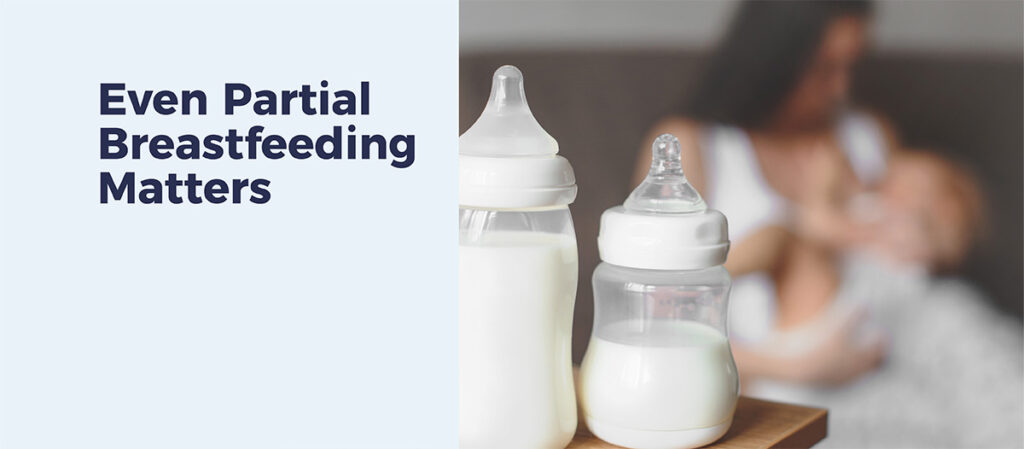
Even Partial Breastfeeding Matters

Even Partial Breastfeeding Matters

Summary: Are you a new mom having problems with breastfeeding your newborn? Even partial breastfeeding alongside formula feeding can help your baby’s developing brain.


The benefits of breastfeeding are undeniable. Not only is breastmilk the ideal nutritional source for most infants, there are extra benefits, like reducing your baby’s risks of respiratory allergies and asthma.


Although many new moms face challenges that prevent them from breastfeeding their babies every day, there’s no need to stress out!


Breastfeeding as often as possible in conjunction with formula feeding may still make a healthy difference in your baby’s brain development, according to scientists at Emory University and the University of Colorado.


It’s all in the poop!


Researchers analyzed fecal samples from 112 babies at 1- and 6-months-old in search of beneficial metabolites that influence good brain health as well as problematic chemicals that could be harmful.


(Scientists describe metabolites as small molecules produced by gut bacteria as byproducts from metabolizing food to make their way through the bloodstream that affect a baby’s organs including her/his developing brain.)


Generally, the abundance of metabolites in fecal samples varied greatly depending on how often a baby was breastfed versus formula-fed.


For example, metabolites were far more abundant among formula-fed infants at 1-month (40) than in breast-fed babies (17), but that doesn’t tell the complete story.


Consuming more metabolites did not ensure better results, especially when those children were tested for cognitive, language and motor functioning at age 2.


Based on test scores, researchers identified 14 metabolites from breast milk or formula that were difference-makers.


To the good, the presence of cholesterol in stool samples was linked to breastfeeding and better test scores. However, the presence of cadaverine (a known contaminant created via fermentation) in stool samples from formula-fed babies was associated with poorer cognitive scores.


Everything in moderation


Despite all the evidence that breastfeeding remains the better choice to feed your baby, just 63 percent of all newborns in the U.S. are breastfed exclusively after birth and that number drops to 25 percent by the six-month mark.


If you’re a new mom having problems breastfeeding your baby, Dr. Tanya Alderette of the University of Colorado acknowledges the challenges, but it’s not an all-or-nothing proposition. Just increasing the amount of breastmilk relative to formula may have positive benefits.


However, if you can’t breastfeed your baby as often as you want, give your baby’s gut — the center of their growing immune system — the fuel it needs to thrive with the help of EndoMune Kids Advanced Probiotic Powder, a multi-species probiotic made exclusively for them.


Sprinkling one tiny scoop of EndoMune Kids in your baby’s formula or milk once a day gives your baby’s growing immune system a gentle boost.


(Please be sure to check with your pediatrician before starting your baby on EndoMune or any other probiotic.)

References


npj Metabolic Health and Disease


CU (University of Colorado) Boulder Today

Even Partial Breastfeeding Matters Read More »

Photo of woman breastfeeding an infant

Breastfeeding May Protect Your Baby From COVID

Breastfeeding May Protect Your Baby From COVID

Breastfeeding is one of the best things a Mom can do for her newborn baby’s health for a lot of reasons.

Not only does breastfeeding provide the ideal nutritional mix of fat, vitamins and proteins in a form more easily digestible than formula, breast milk contains beneficial bacteria and prebiotics that seed infant gut microbiomes, giving your newborn baby a natural boost to their developing immune systems.

For at least the first six months of life, breastfeeding can go a long way toward protecting your baby from future health problems, including allergies, asthma, diarrhea and respiratory illnesses.

You can add protection from COVID to that list of benefits for your newborn baby, according to a recent study appearing in the Journal of Perinatology.


COVID Protection

Researchers from the University of Florida and University of South Carolina had previously worked on a 2021 study that showed how breast milk from vaccinated women contained antibodies against SARS-CoV-2, the virus that causes COVID.

Although scientists detected the presence of antibodies in the earlier study, they couldn’t demonstrate that this protection made it to the microbiomes of babies.

The research team found the evidence they needed in a second study through a comparative analysis of stool samples, breast milk and blood samples collected from babies from vaccinated moms.

After isolating antibodies from infant stool samples, they were added to cells with the same kind of microscopic receptors as COVID, then introduced to a pseudovirus that mimicked COVID but was safe to use in a laboratory setting.

Compared to a control group, the antibodies that fought COVID were far more prevalent among those samples taken from breastfed babies

Beneficial antibodies were also detected in breast milk and blood samples from new moms and were better able to neutralize COVID in the lab too. (However, those antibodies began to diminish after six months, results that mirror other vaccine studies.)


Gut-Friendly Options If You Can’t Breastfeed Your Baby

In a perfect world, new moms would have the opportunity to breastfeed their newborn baby for as long they want, but some cannot due to factors beyond their control.

Fortunately, new moms have gut-friendly options at hand to protect their own health and their babies in the form of multi-strain probiotics.

For example, a recent study of moms-to-be found that taking a probiotic formulated with multiple strains of bacteria from the Lactobacillus and Bifidobacterium families, like those found in EndoMune Advanced Probiotic, were critical in relieving common health problems during their pregnancies.

In cases when new moms can’t breastfeed, they should consult with their pediatricians about giving their babies a probiotic like EndoMune Jr. Powder that contains four strains of beneficial bacteria along with a natural prebiotic (FOS) that feeds their developing immune systems in their gut.


Resources

Journal of Perinatology

University of Florida/IFAS

CDC

Grow by WebMD

Breastfeeding Medicine

Oregon Health and Science University

Breastfeeding May Protect Your Baby From COVID Read More »

Close up of a woman's hand holding sand on a beach. Text reads "Does Your Child Need A Probiotic Sandbox?"

Does Your Child Need A “Probiotic” Sandbox?

Does Your Child Need A “Probiotic” Sandbox?

There is clean, and there is too clean, especially when it comes to protecting the gut health of your kids.

Soaps and cleaning products formulated with antibacterial and antimicrobial chemicals often do more harm than good, triggering gut health imbalances that can leave your child vulnerable to very basic health challenges like obesity.

Thanks to the hygiene hypothesis, we recognize exposing young children to a wider array of microbes strengthens their developing immune systems.

When kids are concerned, it can be tough to maintain a balance between healthy and unhealthy exposure to microbes which led European researchers to test the benefits of a probiotic sandbox that recently appeared in Ecotoxicology and Environmental Safety.


A Gut-Healthy Sandbox?

Scientists conducted a small, double-blind study with the help of six daycare centers in southern Finland. Two sets of sandboxes were enhanced with a microbial-rich powder containing soil, leaf litter and moss, while the remaining sandboxes featured a typical mix of sand and peat material.

For the study, 26 children (ages 3-5) participated in supervised play for 20 minutes twice a day for two weeks while researchers tracked microbial changes in skin, stool and blood samples before and after the 14 days.

Not surprisingly, children exposed to the microbial-rich sandboxes had more diverse skin and gut microbiomes and changes in their blood that revealed greater concentrations of immune cells.


Stick With A Probiotic

These results sound encouraging, but are they really practical for children not supervised by scientists?

Sandboxes require lots of oversight by parents to ensure they stay clean, especially if their children are still wearing diapers. And, there’s the potential for contamination from bugs and other creepy crawlies too.

A sandbox mixed with beneficial microbes sounds like a good idea, but it will never replace the reliable gut health benefits your child receives from taking a probiotic formulated for his/her developing microbiome like EndoMune Kids Advanced.


Resources

Ecotoxicology and Environmental Safety

International Scientific Association for Probiotics and Prebiotics (ISAPP)

WikiHow

Does Your Child Need A “Probiotic” Sandbox? Read More »

Headshot of young women with acne smiling and looking at camera. Text reads "Acne, Antibiotics and Your Bones"

Acne, Antibiotics and Your Bones

Acne, Antibiotics and Your Bones

The human body develops as much as 40 percent of its peak bone mass during our teenage years, and at the same time our microbiome matures.

For many teens, those puberty years are often plagued with raging hormones leading to problems with acne.

When over-the-counter skin care products don’t do the job, often, dermatologists recommend prescription-strength creams in combination with an antibiotic.

Fortunately, most health experts recognize the damage antibiotics can do to deplete the beneficial bacteria in the human gut, especially when antibiotics are taken for extended periods of time.

What happens to a teenager’s health when dermatologists prescribe antibiotics for as long as two years?

The damage goes way beyond the human gut and may affect the development of a teenager’s bones as they mature, according to research appearing in The Journal of Clinical Investigation.

Here’s how…

Getting To The Gut

Scientists at the Medical University of South Carolina had previously conducted a study that showed how high doses of antibiotics triggered an inflammatory response that impaired the maturation of bones and increased the activity of osteoclasts that break down bone tissue.

These previous results led this team to study the effect one dose of a common antibiotic — minocycline, a member of the tetracycline class of drugs — would have on the bone growth of mice at a similar age as humans during puberty (6-12 weeks old).

Three concerning takeaways that affect gut health:

  1. Mice didn’t experience an inflammatory response as before, but the presence of an antibiotic changed the healthy mix of gut bacteria that triggered a decrease in bone mass and affected how their skeletons matured.
  2. The long-term use of antibiotics prevented the tiny microbiomes and skeletons of mice from recovering to a stable state even after the antibiotics were stopped.
  3. Not only did the presence of an antibiotic disrupt the composition of gut bacteria, it also affected the way the liver communicates to the small intestine via bile acids, triggering significant decreases in the formation of bones.

Probiotic Protection

While antibiotics still remain one of the go-to treatments for acne, health organizations like the American Academy of Dermatology recommend taking them for the shortest effective duration to prevent future problems with antibiotic resistance.

However, if you really need to take an antibiotic, a recent report we shared with you points to evidence that taking a probiotic can be effective for treating acne as well as protecting the health of your gut.

To get the protection you need, be sure that any probiotic you take is formulated with multiple and proven strains of beneficial bacteria from the Lactobacillus and Bifidobacterium families like the healthy mix contained in EndoMune Advanced Probiotic.

Resources

The Journal of Clinical Investigation

Medical University of South Carolina

American Academy of Dermatology

Mayo Clinic

Acne, Antibiotics and Your Bones Read More »

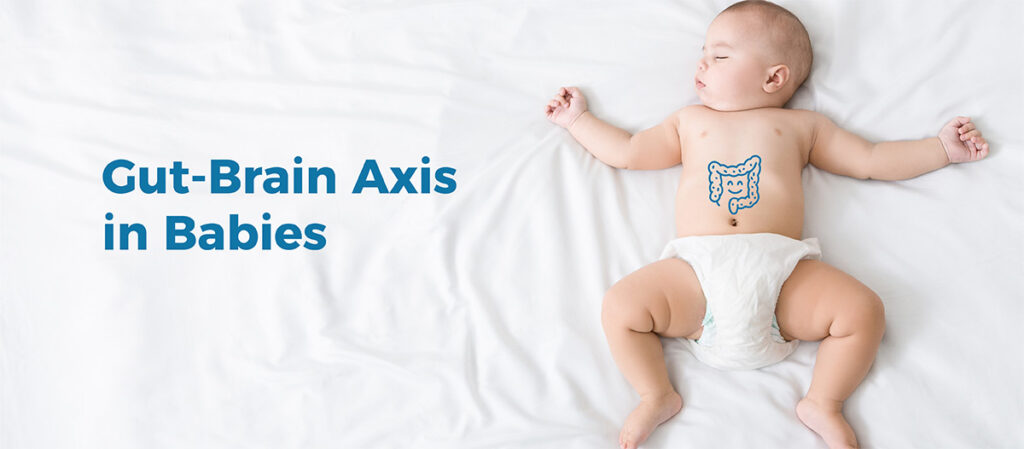
Baby lying on its back with an graphic of a digestive system over its body. Text reads "Gut-Brain Axis in Babies

Gut-Brain Axis In Babies

Your Baby’s Developing Gut-Brain Axis

As adults, we know our gut-brain axis — the connection that links our brain, intestines and emotions — is working and when it isn’t.

When those signals between the brain and gut get scrambled, something as simple as eating a highly processed, fast-food diet creates disruptions in the delicate balance of bacteria in our guts that can soon lead to obesity and lots more stress in our lives.

You may be surprised to learn that the gut-brain axis is at work even at the beginning of our lives as infants, and it’s noticeable when it isn’t.

If you’re a new mom who wonders why her newborn may be more fearful and fussier than you expected, it may be linked to the diversity of your baby’s gut and how it may shape their developing gut-brain axis.


The Fear Factor

Looking for new ways to support healthy neurological development, researchers at Michigan State University and the University of North Carolina teamed up for a study to compare fearful reactions experienced by infants to the balance of bacteria in their developing microbiomes.

Reacting to fearful things is a normal part of infant development. But, when those responses continue even in safe situations, that could signal an elevated risk of your baby developing anxiety and depression later on in life, says Dr. Rebecca Knickmeyer of Michigan State, leader of the study published in Nature Communications.

To learn how infant gut microbiomes were connected to the fear response, investigators conducted a year-long study with 30 infants who were breastfeeding and hadn’t been prescribed antibiotics.

Scientists evaluated the mix of gut bacteria based on stool samples taken from infants at 1 month and 12 months and assessed their fear responses with a simple test: Watching how each baby reacted when a stranger entered a room wearing a Halloween mask.

Parents were with their babies the whole time and they could jump in whenever they wanted, Knickmeyer says. “These are really the kinds of experiences infants would have in their everyday lives.”

No surprise, newborns who were more fearful at age 1 had very noticeable imbalances in gut bacteria at 1 month compared to those whose microbiomes remained stable. But that’s not all.

Using MRI imaging of those children’s brains, researchers discovered the diversity or lack of it in their developing guts was linked to the size of their amygdala, the sector of the brain responsible for making quick decisions about potential threats.


The Future Of Your Baby’s Gut

The results of this report highlight how important it is to protect the balance of bacteria in your baby’s gut, even when they breastfeed, and avoid antibiotics, for the sake of their developing gut-brain axis.

This may be a good time to talk to your pediatrician about giving your baby’s gut some extra help in the form of a probiotic

If you’re looking for an easy-to-use probiotic with the right mix of beneficial bacteria from the Lactobacillus and Bifidobacterium families plus a prebiotic that feeds the good guys in their gut, we hope you’ll consider EndoMune Jr. Powder.

Just a half-teaspoon of EndoMune Jr. sprinkled in your baby’s formula or added to soft foods (when your baby is ready) once a day can make a healthy difference.


Resources

Nature Communications

Michigan State University

Gut-Brain Axis In Babies Read More »

Father holding an infant in a brightly lit room. Text says "Antibiotics For Babies: Proceed with Caution"

Antibiotics For Babies: Proceed With Caution

Early Antibiotics May Harm Your Baby’s Gut

When we discuss the overuse of antibiotics, it’s usually focused on adults who rely on them too often to treat health problems that would be resolved in time on their own.

This over-reliance can often mean these one-time “miracle drugs” may not work when they’re truly necessary, and create openings for more health problems down the road.

Few of us expect babies to be exposed to antibiotics so early, but we recently learned how often they’re prescribed — even once — for little ones under age 2 may increase the possibility of food allergies, obesity and many more health challenges.

What’s more, little good happens when infants are treated with antibiotics during their first week of life, according to a recent report in Nature Communications.


Too Much Exposure To Antibiotics

Experts estimate as many as 10 percent of all newborns are prescribed an antibiotic and that doctors justify them based on “suspected” infections.

This overprescribing is justified by some doctors to prevent a problem they suspect could happen and get serious in a hurry, although a small number of babies ultimately experience an infection.

With those facts in mind, a team of researchers from the UK and The Netherlands conducted a clinical trial involving 227 babies to observe how antibiotics would affect their tiny microbiomes.

Nearly 150 babies with “suspected” sepsis were treated by one of three antibiotics, with the remainder were part of a control group who received no antibiotics. All babies had fecal or rectal samples taken before and after treatments at 1, 4 and 12 months of age.

Among the infants who were prescribed an antibiotic, the harmful effects were obvious.

  • Babies experienced significant decreases in various species of Bifidobacterium, microbes that help them better digest breast milk and support their good gut health.
  • Scientists observed a change in more than 250 strains of bacteria in the guts of babies, flipping the balance in favor of more unhealthy harmful microbes.
  • Those microbial changes lasted at least 12 months and did not improve with breastfeeding.
  • Among the antibiotics prescribed, the combination of penicillin and gentamicin was the least detrimental on a newborn’s microbiome.

The start of antibiotic treatment, not its duration, appears to be trigger for gut health problems, says researcher Dr. Marlies van Houten, a pediatrician at the Spaarne Hospital in The Netherlands.


A Probiotic In Your Baby’s Future?

The evidence is clear that antibiotics are prescribed way too often, and breastfeeding may not restore the developing microbiomes of infants, so what are your options?

Should an antibiotic be necessary, we recommend talking to your pediatrician about giving your baby a probiotic with multiple species of beneficial bacteria that can boost the critical balance of bugs in their tiny microbiomes.

If you’re looking for a probiotic with the right made for your baby, consider EndoMune Jr. Powder formulated with 10 billion CFUs of beneficial bacteria from the Lactobacillus and Bifidobacterium families plus a prebiotic that feeds their developing microbiome.

Just a half-teaspoon of EndoMune Jr. sprinkled in your baby’s formula or added to soft foods (when your baby is ready for them) once a day can make a gut-healthy difference!


Resources

Nature Communications

University of Edinburgh

Medscape

Antibiotics For Babies: Proceed With Caution Read More »

Photograph of infant holding mother's thumb. Text reads "Protect Your Baby's Gut Health from Allergies

The Link Between Childhood Allergies And Gut Health

Protect Your Baby’s Gut Health From Allergies

Building great gut health starts with a solid foundation. For a new mom, that’s making gut-smart choices like breastfeeding her new baby for as long as she can and doing her best to avoid a c-section birth.

Doing those two things can go a long way toward developing a diverse, balanced microbiome that protects your child from persistent health issues like allergies as he/she grows up.

Unfortunately, c-section rates remain high for new moms (even for those first-time moms with low-risk births) and breastfeeding numbers drop sharply after 6 months, according to numbers collected by the CDC.

So, we shouldn’t be surprised that childhood allergies are also on the rise due to a lack of diversity in gut bacteria, according to a pair of reports.


Gut Bacteria Imbalances

The findings of the two studies, appearing recently in Nature Communications and Pediatric Allergy and Immunology, mirrored each other in one important way: The balance of bacteria determined a child’s susceptibility to food or respiratory allergies.

For example, Italian researchers in the Nature study identified specific microbial signatures that stood out due to their higher inflammatory potential (thanks to an uptick in the production of pro-inflammatory molecules) and depleted levels of beneficial bacteria in fecal samples taken from allergic kids compared to healthy ones.

Overall, less than a third of the children with food allergies developed a healthy immunity to problematic foods like cow’s milk, eggs, nuts, or fruit by the end of a three-year monitoring period.

These same challenges with the lack of microbial diversity were very evident in the Pediatric Allergy and Immunology study over an extended five-year time-frame too.

Based on stool samples taken from children ages 3-5, patients with allergies had far less diverse microbiomes than healthy kids, especially among young patients sensitive to peanuts and milk.


A Probiotic Solution

Although there were no mentions in either study about breastfeeding or natural childbirth, based on previous reports we’ve shared, we know both have a positive impact on reducing your child’s chances of food or respiratory allergies.

Not to mention, feeding your baby formula exclusively has been found to increase the incidence of respiratory problems and asthma significantly.

Unfortunately, more than a few new moms may not have the option of having natural childbirth or breastfeeding, so what do you do?

You may want to consider giving your baby a multi-species probiotic like EndoMune Kids Advanced Powder that contains four basic building blocks of beneficial bacteria from the Bifidobacterium and Lactobacillus families, along with a prebiotic (FOS) that feeds the good guys in her/his developing gut.

But, before starting your baby on EndoMune Kids in its powdered form or its Chewable berry-flavored tablet, please check in with your pediatrician.


Resources

Pediatric Allergy Immunology

Medscape

Nature Communications

Microbiome Post.com

The Link Between Childhood Allergies And Gut Health Read More »

Scroll to Top