Free shipping on all orders over $125*

Synbiotic Blend of 10 Beneficial Strains, Developed by Board-Certified Gastroenterologist

Diet

Health Issues Related to Diet

How Probiotics Improve Immunity: Gut-Immune Connection

How Probiotics Improve Immunity: The Gut-Immune System Connection

Your gut is the headquarters of your immune system. The bacteria and other microbes living in your digestive system, known as the microbiota, are constantly communicating with your immune cells, teaching them how to fight germs, tamp down inflammation, and protect your body from allergies and infection. Keeping your microbiota strong and diverse means a healthier immune system and a better you.

That’s old news for anyone doing research about how probiotics can support their immune system. What’s missing from the plethora of most content arguing that probiotic supplementation can help optimize your immune system is: exactly how do probiotic bacteria accomplish that? In other words, how does the engine that ensures your gut health cross over and support your immune system?

Full disclosure – there are a lot of scientific pages that explore how gut health affects immune health available, but doctors and scientists write the content for doctors and scientists. That makes it hard to understand. Hard to digest, pun intended, for nonprofessionals. This blog post discusses how your gut health can boost your immune system as simply as possible.


How Probiotics Improve Immunity – The Basics


What Are Probiotics and How Do Probiotics Improve Immunity?

  • Probiotics are living “good” bacteria that, when consumed in the right amounts, help maintain a healthy gut and support a body’s immune defenses.
  • Probiotics Improve Immunity in the Following Ways:
    • They Refactor The Balance of Bacteria in Your Gut, Crowding Out any Bad Bacteria and Viruses Allowing the Gut to Function at Peak Efficiency.
    • They Stimulate Immune Cells, Triggering the Production of Protective Cytokines and Antibodies – Key Elements in a Robust Immune System.
    • They Strengthen the Gut Barrier, Making it Harder for Germs to Get Into Your Bloodstream.
    • They Reduce Excess Inflammation, Which Helps Prevent Allergies, Asthma, and Autoimmune Issues.
    • They Create Short-Chain Fatty Acids (SCFAs), Which are Natural Chemicals That Calm Inflammation and also Feed Your Gut Lining.

What Are Prebiotics and Postbiotics? How do They Support Gut and Immune Health?

  • Prebiotics are plant fibers found in foods like bananas, onions, garlic, and whole grains. Your body can’t digest them, but your good gut bacteria can.
    • Prebiotics Feed Beneficial Bacteria, So They Multiply and Stay Strong and Reduce the Need for Probiotic Supplements. A Diet Rich in Prebiotics Helps Preserve/Restore Gut Health Naturally.
    • They Help Produce More IgA antibodies, which are Key to Effective Immune Responses that Safeguard Your Gut Lining From Infection.
    • Prebiotics Lower Inflammation by Strengthening the Gut Barrier.
  • Postbiotics are helpful substances produced when probiotics digest prebiotics.
    • Postbiotics Include SCFAS, Antimicrobial Compounds, and Immune-Signaling Molecules That Reduce Inflammation and Help Keep The Gut Wall Strong.
    • They Also Help Train Your Immune System to React Calmly, Reducing the Risk of Allergy Attacks or Autoimmune Problems.

Best Foods for Gut Health

It’s possible to get optimum gut health by eating a diet rich in prebiotic and probiotic foods and reducing processed foods from your diet as much as possible. It’s not difficult to introduce healthy food from the categories mentioned above. Here are a few examples of healthy foods you can feed your gut today.

  • Top Prebiotic Food Sources:
    • Garlic
    • Onions
    • Asparagus
    • Bananas
    • Whole grains
  • Fermented Foods are Natural Probiotics:
    • Yogurt (with live cultures)
    • Kefir
    • Sauerkraut
    • Kimchi
    • Miso

Single Strain vs. Multi-Strain Probiotics

Although the evidence is clear that most people benefit from taking a multi-strain probiotic, single-strain probiotics play an important role in gut health too. For example, if you’re suffering from a specific gut issue, your doctor might suggest taking a single-strain probiotic supplement, but these cases require specific information about your current microbiome or gut disease. The key takeaway from the single vs. multi-strain versions of probiotic supplements is that more strains are typically better to ensure that your gut flora is as diverse as possible. Below is a chart that shows the difference between single vs. multi-strain probiotics and their impact on gut diversity:

How Probiotics Improve Immunity: Gut-Immune Connection

Note: EndoMune Advanced Probiotic Combines 10 Strains Plus Prebiotics For A Full-Spectrum Effect: Supporting Gut Barrier Strength, Modulating Immune Response, And Improving Overall Digestive Health.


How Probiotics Help Against Allergies, Infections, and Inflammation

  • How They Reduce Allergy Risks: Probiotics and Prebiotics Help Train Your Immune System to Ignore Harmless Things Like Pollen or Certain Foods, Lowering Your Chance of Allergic Reactions.
  • How They Prevent Infections: The Right Gut Microbes Strengthen Mucus and Antibody Defenses in the Gut, Mouth, Nose, and Lungs, Making it Harder for Viruses and Bacteria to Thrive Inside Your Body.
  • How They Calm Chronic Inflammation: Probiotics Lower “Bad” Inflammatory Messengers (Like TNF-Α And IL-6) Linked to Autoimmune Diseases, Obesity, and Diabetes.
  • Research Shows: Regular Probiotics May Support Recovery From Respiratory Illnesses, Including Colds and Possibly Even COVID-19.

Key Takeaway to Optimize Your Immune Health with Gut Support

Taking care of your gut microbiota by eating a fiber-rich, plant-based diet and supplementing with a high-quality, multi-strain probiotic like EndoMune Advanced Probiotic can make your immune system smarter, stronger, and more balanced. A healthy gut means fewer infections, less inflammation, and a happier, more resilient you.


FAQs About Probiotics, Prebiotics & Immune Health

Q: Can probiotics help with allergies?
A: Yes, by strengthening the gut barrier and improving immune tolerance, probiotics and prebiotics lower the risk and severity of allergies.

Q: What’s the difference between probiotics, prebiotics, and postbiotics?

  • Probiotics are live, helpful bacteria that live in your gut.
  • Prebiotics are plant fibers that feed good probiotic bacteria.
  • Postbiotics are health-boosting compounds made by probiotics when they digest prebiotics.

Q: Are multi-strain probiotics better than single-strain?
A: Multi-strain probiotics, like EndoMune, offer broader support for gut and immune health by delivering several types of beneficial bacteria, improving diversity and full-body resilience.

Q: How often should I take probiotics for immune benefits?
A: Many studies recommend daily use, especially during cold/flu seasons, after antibiotics, or when experiencing digestive issues. Always choose clinically tested and transparent formulas.


References

  1. Frontiers in Nutrition: “Unveiling the therapeutic symphony of probiotics, prebiotics, and postbiotics in gut-immune harmony” (2024). https://www.frontiersin.org/journals/nutrition/articles/10.3389/fnut.2024.1355542/full
  2. Probiotics Mechanisms: https://pmc.ncbi.nlm.nih.gov/articles/PMC10972033/
  3. COVID-19 and Probiotics: https://www.explorationpub.com/Journals/eff/Article/101081

How Probiotics Improve Immunity: The Gut-Immune System Connection Read More »

Sugar Substitutes: Are They Good for Your Gut?

Sugar Substitutes: Are They Good for Your Gut?

What Are Sugar Substitutes?

Sugar substitutes, or sugar alternatives, replace sugar in foods and drinks to reduce calories and help people manage their blood sugar levels. The most common types include artificial sweeteners (like Aspartame and Sucralose,) and natural alternatives (like Stevia and Erythritol). These are found in processed food products of all types, including: sodas, chewing gum, packaged snacks, and almost anything labeled “sugar-free”.


Why Do People Use Sugar Substitutes?

Many people switch to sugar substitutes because they want to avoid the negative health effects associated with regular sugar, like weight gain and diabetes. The growing demand for healthier options to replace sugar pushed sugar alternatives into focus, especially for those who are health-conscious.


How Do Sugar Substitutes Affect Gut Bacteria?

Your gut microbiome comprises trillions of bacteria that help you digest food, fight disease, and keep your body balanced. The type of sweetener you consume has very different effects on these bacteria:

  • Artificial Sweeteners (Sucralose, Saccharin, Aspartame):
    Research shows that synthetic sweeteners like Sucralose and Saccharin can reduce the diversity of gut bacteria and even promote the growth of certain harmful bacteria with sustained consumption of artificial sugar substitutes. This imbalance, called “dysbiosis,” may affect digestion, immune function, and even blood sugar control.
  • Natural Sweeteners (Stevia, Erythritol):
    Stevia is considered safer for the gut microbiome compared to most artificial sweeteners, with studies showing no significant changes in the overall makeup of gut bacteria after regular use of natural sweeteners. Interestingly, some studies suggest Stevia might help maintain “good” bacteria, and Stevia’s natural anti-inflammatory properties might help support gut health.
  • Individual Differences:
    However, not everyone reacts the same way – some people experience bigger changes in their microbiome than others after consuming either natural or artificial sweeteners. Consequently, caution is advised for anyone considering sugar substitutes to replace or reduce the amount of sugar in their individual diets.
  • Peer-Reviewed Research: To read a recent (May 2025) peer reviewed study on Synthetic vs. non-synthetic sweeteners click here to download the PDF.


The Good, the Bad, and the Unknown


Best Options for Gut Health

  • Stevia:
    Doesn’t seem to harm the gut microbiome in healthy adults and might provide benefits thanks to its anti-inflammatory effects. Stevia’s effect on blood sugar depends on the amount consumed and your diet.
  • Erythritol:
    Generally, it is considered safe for most people and doesn’t appear to upset the balance of gut bacteria, but more research is needed to understand Erythritol’s long-term impact on both gut and overall health.

Watch Out For:

  • Aspartame/Sucralose/Saccharin:
    Frequent use can lower the diversity of bacteria in the gut, which is linked to health problems like weight gain and poor glucose control.


Can Probiotics Help?

If you use artificial sweeteners and are concerned about how they affect your gut microbiome, probiotics may be helpful. Probiotics are “good” bacteria that support a healthy gut environment and can restore balance if your microbiome is disrupted by all types of sweeteners or a poor diet with lots of processed food. Regularly adding probiotics to your routine may help offset some of the negative effects artificially sweetened foods have on your gut.

Shop now for high-quality probiotics that support gut health: https://endomune.com/shop-probiotics/


Key Takeaways

  • Choose natural sweeteners like Stevia or Erythritol when possible.
  • Limit the amount of artificial sweeteners (Aspartame, Sucralose, Saccharin) in your diet since the current research suggests artificial sweeteners inhibit/reduce optimal gut health.
  • Support your gut with probiotics like EndoMune Advanced Probiotics, and eat a diverse, fiber-rich diet. Fiber is a natural prebiotic and helps maintain gut health naturally without artificial additives.

References & Further Reading

Sugar Substitutes: Are They Good for Your Gut? Read More »

Dietary Recommendations for IBD or IBS

Diet Recommendations for IBD or IBS: Eat Well, Feel Your Best

When you’re living with IBD (Inflammatory Bowel Disease) or IBS (Irritable Bowel Syndrome), what’s in your fridge and on your plate matters. A healthy, tailored diet not only eases symptoms but also boosts the effects of probiotics, giving your gut its best shot at healing and balance.


Best Diet Practices for IBD (Crohn’s Disease & Ulcerative Colitis)


What is IBD?

IBD creates real, lasting inflammation inside your digestive tract. Although no diet can cure IBD, eating the right foods makes a big difference in how you feel day-to-day. Here are some tips you can use to manage and perhaps reduce your IBD symptoms.

For a complete discussion of the differences between IBD and IBS, read our informative primer by clicking here.

Core IBD Eating Strategies:
  • Eat Softer, Lower-Fiber Foods During Flare-Ups. Options Like White Rice, Plain Cereals, Well-Cooked Veggies, Applesauce, and Tender Proteins (Chicken, Eggs, Tofu) are Easier to Digest and Help Calm Your Gut During Flare-Ups.
  • Focus On Gentle Proteins Such as Poultry, Fish, Eggs, and Nut/Seed Butters.
  • Fatty Fish (Like Salmon) Brings Inflammation Down, Thanks to Omega-3s.
  • Choose Healthy Fats: Avocados, Olive Oil, and Nut Butters Support Healing of the Gut Lining.
  • During Remission, Gradually Add More Fiber From Fruits, Vegetables, Beans, and Whole Grains, but Watch How Your Gut Reacts.
  • Nourish With Probiotics: Yogurt (With Live Cultures), Kefir, Fermented Veggies, and Miso Help Rebalance Gut Bacteria and May Aid Remission.
Foods to Avoid if You Have IBD:
  • Seeds, Nuts, Popcorn (Can Irritate The Gut When Inflamed)
  • High-Fat, Fried, or Strongly Spiced Foods
  • Caffeine, Alcohol, and Carbonated Drinks
  • Raw Skins Of Fruits and Fibrous Vegetables During Flare-Ups
  • Dairy, If Lactose Intolerant


Smart Diet Choices for IBS (Irritable Bowel Syndrome)


What is IBS?

IBS is about gut function, not damage. Unlike IBD, with IBS your gut lining appears to be fine, but it doesn’t feel that way. However, like IBD, the wrong foods can trigger bloating, gas, and unpredictable emergency bathroom trips.

Winning IBS Meal Strategies:
  • Try A Low-FODMAP Diet: This Diet Temporarily Removes “Fermentable Carbs” (Like Onions, Garlic, Wheat, Certain Fruits, and Beans), then Reintroduces Them One at a Time to Find Your Triggers.
  • Gentle Proteins: Chicken, Turkey, Fish, Eggs, and Tofu are Least Likely to Upset Your Gut.
  • Cooked Veggies Over Raw: Steam or Bake Carrots, Zucchini, and Squash. Limit Broccoli, Cauliflower, and Cabbage, which Can Make Gas and Bloating Worse.
  • Stick To Soluble Fiber: Oats, Peeled Apples, Bananas, and Carrots Help Soothe Gut Tissues.
  • Low-Lactose Dairy Or Lactose-Free Milk: If You’re Sensitive to Lactose, Choose Alternatives or Probiotic Yogurt.
  • Probiotics: Combining Dietary Changes with Daily Probiotic Supplements (Especially Those With Lactobacillus and Bifidobacterium) Helps Ease Gas, Pain, and Irregularity.
Foods to Avoid in IBS:
  • High-FODMAP Foods: Wheat, Beans, Honey, Milk, Onions, Apples
  • Caffeine, Spicy Foods, Fried Foods
  • Cruciferous Veggies: Broccoli, Cabbage, Brussels Sprouts
  • Artificial Sweeteners like Sorbitol and Xylitol

Pro-Tip: Keep a food journal! Your symptoms and triggers are unique. Tracking what you eat helps spot patterns and avoid flare-ups.


Your Gut Health Action Plan:

  1. Work With Your Doctor Or a Registered Dietitian, Especially for Personalized Plans or if You’re Struggling with Symptoms You’re Unable To Manage Alone.
  2. Be Consistent With Dietary Changes and Always Combine with Daily Probiotics for Better Results.
  3. Shop Smart: Choose Probiotic Supplements That Clearly List Strains and CFU (Colony Forming Units), Like Those From Endomune.

Want to Learn More?

Explore these resources for IBD/IBS-friendly diets and the science behind them:

Diet Recommendations for IBD or IBS: Eat Well, Feel Your Best Read More »

EndoMune IBD or IBS Differences Blog

IBD or IBS? Understanding the Difference and How Probiotics Can Help

Confused about IBD and IBS?

You’re not alone. Millions of people struggle to understand the difference between IBD and IBS – two conditions that sound similar but affect your digestive system in completely different ways.

Understanding which condition you have will make all the difference in finding the right treatment and feeling better faster. Let’s explore these conditions in simple terms and learn how probiotics can transform your digestive health.


What Makes IBD and IBS Different?

These two digestive conditions share similar-sounding names, but they impact your gut in vastly different ways. Here’s what sets them apart:

IBD (Inflammatory Bowel Disease): The Serious Inflammation Fighter

IBD stands for Inflammatory Bowel Disease – a serious condition that creates real, visible damage in your digestive tract.

Key characteristics of IBD:
  • Location: Affects Your Small Intestine, Large Intestine, Or Both
  • Main Types: Includes Crohn’s Disease And Ulcerative Colitis
  • What Happens: Your Immune System Mistakenly Attacks Your Digestive Tract
  • Visible Damage: Doctors Can See Inflammation, Ulcers, And Tissue Damage During Tests
  • Symptoms: Bloody Diarrhea, Significant Weight Loss, Fever, And Extreme Fatigue
  • Genetic Component: Family History Increases Your Risk, Though No Single Gene Causes IBD

Take Action: If you experience bloody stools or unexplained weight loss, schedule an appointment with a gastroenterologist immediately.


IBS (Irritable Bowel Syndrome): The Functional Troublemaker

IBS stands for Irritable Bowel Syndrome—a functional disorder that affects how your gut works without causing permanent damage.

Key characteristics of IBS:
  • What It Is: A Disorder Of Gut-Brain Communication, Not Structural Damage
  • Appearance: Your Intestines Look Completely Normal Under A Microscope
  • Symptoms You’ll Experience: Abdominal Pain, Bloating, Gas, And Bathroom Habit Changes
  • No Progression: IBS Never Develops Into IBD or Causes Lasting Intestinal Damage
  • Daily Impact: Can Significantly Affect Your Quality Of Life Despite Being “Functional”
Quick Reference: IBD vs. IBS Comparison

IBD and IBS Quick Reference Comparison Chart


How Probiotics Combat Both IBD and IBS

Probiotics – are beneficial bacteria that keep your gut healthy, provide powerful support for both conditions, although they work differently for each.

Probiotics Combat IBD Inflammation

Scientific evidence shows probiotics can:

  • Reduce Inflammatory Markers In Your Digestive Tract
  • Strengthen Your Intestinal Barrier Function
  • Help Prevent Flare-Ups When Combined With Medical Treatment
  • Support Your Gut’s Natural Healing Processes

Important note: Probiotics complement but never replace prescribed IBD medications. Always work with your gastroenterologist.


Probiotics Combat IBS

Research Demonstrates Probiotics Can:

  • Significantly Reduce Bloating, Gas, And Abdominal Pain
  • Improve Bowel Movement Regularity And Consistency
  • Enhance Gut-Brain Communication
  • Provide Relief Within 4-8 Weeks Of Consistent Use

Specific strains that help IBS

  • Lactobacillus Species For Pain Reduction
  • Bifidobacterium Strains For Bloating Relief
  • Multi-Strain Formulas For Comprehensive Digestive Support

Ready to start feeling better? Explore EndoMune’s Advanced Probiotic clinically proven probiotic formulations designed specifically for digestive health support.


Your Action Plan: Choosing the Right Probiotic

Essential Selection Criteria:

  • Look For Specific Strain Names On The Label (Not Just “Lactobacillus”)
  • Choose Multi-Strain Formulas For Broader Digestive Support
  • Verify Clinical Research Backing The Specific Strains
  • Commit To Consistency—Take Daily For At Least 4-8 Weeks
  • Combine With Lifestyle Changes: Fiber-Rich Diet And Regular Exercise

Important Safety Note:

Always consult your healthcare provider before starting any new supplement, especially if you have diagnosed digestive conditions or take medications.


Take Control of Your Digestive Health Now

Understanding whether you have IBD or IBS empowers you to make informed decisions about your health. While IBD requires medical management, IBS responds well to dietary changes, stress reduction, and targeted probiotic support.

Don’t let digestive issues control your life any longer. Whether you’re dealing with IBD or IBS, the right probiotic support can make a meaningful difference in how you feel every day.

Ready to start your journey to better digestive health? Check out EndoMune’s probiotic lineup to find probiotic supplements with clinical-grade, multi-strain probiotic formulas clinically proven and designed for real gut health support.


Want to Dig Deeper?

Here are some research links you can trust for more info:

IBD or IBS? Understanding the Difference and How Probiotics Can Help Read More »

probiotics support heart health

Probiotics for Heart Health: The Surprising Cardiovascular Connection

Quick Summary: Clinical research demonstrates that certain probiotic strains, particularly Bifidobacterium lactis and Lactobacillus rhamnosus, may help reduce blood pressure and improve cholesterol levels. These beneficial bacteria create compounds that fight inflammation and support blood vessel health, working most effectively alongside healthy lifestyle choices.


Could Your Gut Hold the Key to Better Heart Health?

The connection between gut bacteria and heart health might sound unusual, but recent scientific discoveries reveal a fascinating relationship for how probiotics support heart health. Those trillions of microorganisms in your digestive tract don’t just help you digest food but actively communicate with your cardiovascular system.

When researchers first proposed this gut-heart connection, many were skeptical. Today, mounting evidence shows that specific probiotic strains produce metabolites that directly influence blood pressure, cholesterol levels, and blood vessel function.


Three Ways Probiotics Support Heart Health


Blood Pressure Regulation

Nearly 45% of American adults struggle with high blood pressure, yet research suggests certain probiotics might offer natural support. Studies focusing on Bifidobacterium lactis and Lactobacillus rhamnosus show these strains can influence both systolic and diastolic readings.

The mechanism involves several pathways:

  • Probiotic Metabolites Help Blood Vessels Stay Flexible
  • Anti-Inflammatory Compounds Reduce Arterial Stress
  • Enhanced Nitric Oxide Production Improves Circulation
  • Balanced Gut Bacteria Send Beneficial Signals Throughout the Body


Cholesterol Management

While probiotics won’t replace cholesterol medications for high-risk patients, research indicates they can provide meaningful improvements over time. Multiple clinical trials document reductions in both total cholesterol and LDL levels among regular probiotic users.

The cholesterol-lowering effects appear linked to how certain bacteria process dietary fats and bile acids, essentially helping your body manage cholesterol more efficiently.

Vascular Protection

Probiotics also produce short-chain fatty acids and other bioactive compounds that protect blood vessels. These substances:

  • Combat Chronic Inflammation That Damages Arterial Walls
  • Reduce TMAO Production (A Heart Disease Risk Factor)
  • Strengthen Intestinal Barriers, Preventing Toxins from Entering Circulation
  • Support Immune Responses That Maintain Cardiovascular Health


What Recent Studies Tell Us

Current research paints an encouraging picture, though scientists emphasize we’re still learning about optimal dosing and duration required to achieve meaningful results with probiotic supplementation. Nevertheless, the data is encouraging.

Study Findings on Blood Pressure: Participants with hypertension who used probiotics consistently for two months or more showed statistically significant improvements in both blood pressure measurements – diastolic and systolic readings.

Cholesterol Research Results: Several 2025 trials confirmed that probiotic supplementation improves cholesterol, particularly when combined with dietary changes.

Duration and Consistency Matter: The best benefits emerged after at least eight weeks of regular use, suggesting these effects accumulate gradually.

Strain Specificity Counts: Not all probiotics deliver the same cardiovascular benefits—research consistently highlights Bifidobacterium lactis and Lactobacillus rhamnosus as particularly promising.


Understanding the Gut-Heart Communication Network

Scientists call this relationship the “gut-heart axis,” and it operates through sophisticated biochemical signaling.

When beneficial bacteria ferment dietary fiber, they generate compounds like butyrate and propionate. These molecules travel through your bloodstream, reaching your heart and blood vessels where they:

  • Reduce Inflammation That Threatens Arterial Health
  • Enhance Blood Vessel Elasticity for Improved Circulation
  • Help Regulate Blood Pressure Naturally
  • Minimize Production of Harmful Metabolites
  • Reinforce Your Intestinal Barrier Against Toxins

Imagine that your gut bacteria are microscopic chemists, constantly producing compounds that help your cardiovascular system.


Practical Steps for Heart-Healthy Gut Support

You don’t need dramatic lifestyle changes to benefit from this gut-heart connection. Consider these friendly strategies:


Incorporate Probiotic Foods Daily

Start your morning with plain Greek yogurt topped with berries. The live cultures provide beneficial bacteria while the fiber feeds them. Alternatively, try kefir in smoothies—it contains more diverse probiotic strains than most yogurts.

For lunch or dinner, experiment with fermented vegetables. Sauerkraut, kimchi, and pickled vegetables add probiotics plus interesting flavors to meals. Those who enjoy beverages might appreciate kombucha as an afternoon refresher.


Choose Quality Supplements Wisely

If whole foods don’t provide enough probiotics, supplements can help bridge the gap. Look for products specifically containing Bifidobacterium lactis and Lactobacillus rhamnosus, the strains most studied for heart health.

Products like EndoMune Advanced Probiotic offer these recommended probiotic strains with at least 30 billion CFUs per serving.

Nourish Your Existing Gut Bacteria

Your current gut bacteria need proper nutrition to thrive. Fiber-rich foods like beans, vegetables, and whole grains are “prebiotic” fuel for beneficial microorganisms.

Garlic, onions, bananas, and asparagus are particularly rich in prebiotic compounds. Meanwhile, limit your intake of processed foods and excess sugar, which can disrupt the healthy bacterial balance. Don’t forget to stay well-hydrated, as proper fluid intake supports optimal digestive function and bacterial metabolism.


The Realistic Outlook on Probiotics and Heart Health

Probiotics represent one facet of a comprehensive heart health strategy, not a standalone solution. While research shows promise, these benefits work best when combined with regular exercise, stress management, adequate sleep, and a balanced diet rich in fruits, vegetables, and whole grains.

Probiotics shouldn’t replace prescribed medications or other proven interventions for existing heart conditions. The gut-heart connection opens exciting possibilities for natural cardiovascular support, but it works best as part of an integrated approach to wellness.

Important Reminder: Discuss any new supplements with your healthcare provider, especially if you take medications or have existing cardiovascular conditions.

Citations:

  1. https://www.medicalnewstoday.com/articles/2-probiotics-help-reduce-high-blood-pressure
  2. https://asm.org/press-releases/2023/october/two-probiotics-identified-as-promising-hypertensio
  3. https://www.texasheart.org/thi-cardiologist-contributes-expertise-on-probiotics-and-blood-pressure-to-healthline/
  4. https://www.ahajournals.org/doi/10.1161/CIRCULATIONAHA.123.067547
  5. https://pmc.ncbi.nlm.nih.gov/articles/PMC5390330/
  6. https://pmc.ncbi.nlm.nih.gov/articles/PMC10219307/
  7. https://www.sciencedirect.com/science/article/pii/S2161831324000991
  8. https://pmc.ncbi.nlm.nih.gov/articles/PMC12010510/
  9. https://www.heart.org/en/news/2018/07/17/eating-probiotics-regularly-may-improve-your-blood-pressure
  10. https://www.ahajournals.org/doi/10.1161/hypertensionaha.114.03469
  11. https://academic.oup.com/proteincell/article/9/5/416/6760125
  12. https://clinicaltrials.gov/study/NCT06872320
  13. https://onlinelibrary.wiley.com/doi/10.1002/fsn3.4142
  14. https://www.ahajournals.org/doi/10.1161/CIRCRESAHA.125.325516
  15. https://clinicaltrials.gov/study/NCT06872320?term=AREA%5BInterventionSearch%5D%28Lactobacillus+rhamnosus%29&rank=4
  16. https://pubmed.ncbi.nlm.nih.gov/38260154/
  17. https://journals.asm.org/doi/abs/10.1128/cmr.00240-24?af=R
  18. https://www.mdpi.com/2072-6643/17/1/52
  19. https://www.frontiersin.org/journals/microbiology/articles/10.3389/fmicb.2024.1487641/full
  20. https://www.hopkinsmedicine.org/health/wellness-and-prevention/the-power-of-gut-bacteria-and-probiotics-for-heart-health

Probiotics for Heart Health: The Surprising Cardiovascular Connection Read More »

woman holding probiotics and smiling

The Truth About Weight Loss and Probiotics

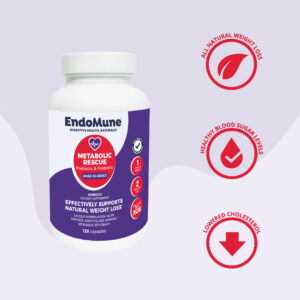
There is a lot of misinformation posted online about Probiotics and Weight Loss, and there are several probiotic brands that sell probiotics suggesting they can help/facilitate losing weight. In fact, we sell one ourselves: Metabolic Rescue – A Probiotic for Natural Weight Loss

Since accurate information about how probiotics can help anyone on their weight loss journey, we’ve compiled some basic facts below about the relationship between probiotics and losing weight naturally.


What Are Probiotics?

Probiotics are live microorganisms, mostly bacteria and some yeasts, that provide health benefits when you consume them in adequate amounts. Healthy guts require a cocktail of various probiotic bacteria strains to attain peak performance, and research continues to show that healthy bodies require healthy guts.

Why? Because our guts provide nutrients and energy all that all other systems in our bodies need to function correctly and at peak performance. Those systems include liver, kidney, endocrine, and even our brains via the gut brain axis.

You can feed your gut probiotics with supplements, but probiotics are found in healthy foods, such as fermented foods like yogurt, kefir, and sauerkraut[1][2] and many other healthy food choices.


How Do Probiotics Affect Weight and Metabolism?

Probiotics can influence your metabolism and weight in several ways:

  • They help balance your gut bacteria, which may affect how your body absorbs calories and stores fat.
  • Some strains produce short-chain fatty acids (SCFAs) that regulate appetite hormones like GLP-1 and PYY, making you feel full sooner.
  • Probiotics may reduce inflammation and improve insulin sensitivity, both of which are linked to weight and metabolic health[6][2].


Which Probiotic Strains Are Best for Weight Management?

Research highlights several strains that support weight management, including:

  • Lactobacillus gasseri
  • Lactobacillus plantarum
  • Lactobacillus rhamnosus
  • Bifidobacterium animalis lactis
    Using products with a combination of these strains may be more effective than using a single strain[1][6][2].


How Long Does It Take to See Results from Probiotics?

It can take several weeks to months of consistent probiotic use to notice changes. Most studies showing positive effects on weight lasted at least 8–12 weeks. Probiotics work best as part of a long-term healthy lifestyle that includes a healthy diet that avoids processed food, in combination with exercise. Probiotics are not a quick fix[6][2].


Do I Need to Change My Diet When Taking Probiotics?

The honest answer is probably. A balanced, fiber-rich diet helps probiotics work better. Fiber acts as a prebiotic, feeding the good bacteria in your gut and helping them thrive. Eating a variety of fruits, vegetables, whole grains, and legumes can support both your gut health and your weight loss goals[7][8].


Are There Any Risks to Taking Probiotics?

For most healthy people, probiotics are safe and cause few side effects. However, people with weakened immune systems or serious illnesses should talk to a doctor before starting probiotics.


Will Probiotics Work for Everyone?

Not necessarily. The effects of probiotics can vary depending on your individual gut microbiome, the strains used, and your overall lifestyle. More research is needed to understand who will benefit the most from probiotic supplements[3][8]. Nevertheless, a well-balanced multi-strain probiotic supplement can jump-start your weight loss journey as you transition to a fiber-rich, healthy diet that can sustain gut health naturally.


Sources

  1. GoodRx – Can Probiotics Help You Lose Weight?
  2. Healthline – How Probiotics Can Help You Lose Weight and Belly Fat
  3. WebMD – What to Know About Probiotics for Weight Loss
  4. Medical News Today – Are probiotics effective in promoting weight loss?
  5. PMC – Use of probiotics in preventing and treating excess weight
  6. Probiotics for Weight Loss
  7. Mayo Clinic – Probiotics, gut bacteria and weight
  8. ZOE – Probiotics and Weight Loss: How and Why They Work

The Truth About Weight Loss and Probiotics Read More »

Your Gut Needs Water

The Importance of Water for Gut Health

We constantly hear about the importance of drinking enough water for overall health, but one benefit that deserves more attention is how water is critical for gut health. Proper hydration doesn’t just quench your thirst – it plays a vital role in maintaining a balanced, diverse gut microbiome and supporting optimal digestive function.


Why Your Gut Needs Water: Essential Functions

Water is not merely a passive participant in digestion; it’s an active component that enables many critical gut functions – here is a short list:

  • Nutrient Absorption and Digestion – Adequate hydration enhances your body’s ability to break down food and absorb essential nutrients. Research published in the European Journal of Nutrition shows that water is necessary for the proper function of digestive enzymes that break down food particles into absorbable nutrients [1]. Without sufficient water, these enzymes cannot work efficiently, potentially leading to nutrient deficiencies despite a healthy diet.
  • Preventing Constipation – One of water’s most important roles in gut health is maintaining proper stool consistency. When you’re adequately hydrated, water softens stool and promotes regular bowel movements. A systematic review in the Journal of Clinical Gastroenterology confirmed that increased fluid intake significantly improves constipation symptoms in people with functional constipation [2].
  • Supporting the Mucosal Barrier – Your intestinal lining contains a protective mucus layer that acts as a barrier between gut bacteria and your intestinal cells. According to research in Frontiers in Immunology, proper hydration helps maintain this mucus layer, which is crucial for preventing harmful bacteria from penetrating the gut wall and causing inflammation [3].
  • Microbiome Balance – Recent studies have revealed that hydration status directly affects gut microbiome composition. Research published in Gut Microbes showed that dehydration can reduce beneficial bacterial populations while allowing potentially harmful bacteria to flourish [4]. Proper hydration helps maintain the delicate balance of your gut’s microbial ecosystem.

Signs Your Gut Needs More Water

How do you know if dehydration is affecting your gut health? Watch for these common indicators:

  • Chronic Constipation: Hard, Difficult-To-Pass Stools Are Often A Sign Of Insufficient Water Intake.
  • Slow Digestion: Feeling Unusually Full Long After Meals Might Indicate Your Digestive System Lacks Adequate Fluid For Proper Function.
  • Frequent Heartburn: Dehydration Can Reduce Mucus Production In The Stomach, Potentially Worsening Acid Reflux Symptoms.
  • Increased Bloating: Insufficient Water Can Slow Digestive Transit Time, Leading To Increased Gas Production And Bloating.

Hydration Strategies for Optimal Gut Health

The consistency of your hydration is important. Here are practical strategies to ensure your gut receives the hydration it needs:

  1. Maintain Consistent Daily Intake
    1. Research in the American Journal of Gastroenterology suggests that consistent water intake throughout the day is more beneficial for gut function than consuming large amounts at once [7]. Aim for 8-10 cups (64-80 ounces) daily, adjusting for your activity level, climate, and individual needs.
  2. Consume Water-Rich Foods
    1. Many fruits and vegetables contain high water content while also providing beneficial fiber and prebiotics that support gut health. Consider incorporating these water-rich foods into your diet:
      1. Cucumber: 96% Water Content
      2. Watermelon: 92% Water Content
      3. Strawberries: 91% Water Content
      4. Oranges: 87% Water Content
      5. Spinach: 93% Water Content
Address Acute Dehydration Promptly

During episodes of acute diarrhea or vomiting, your body loses fluids rapidly, potentially disrupting your gut microbiome. A study in Microbiome demonstrated that even short periods of dehydration can have lasting effects on gut bacterial populations [9]. Rehydrating promptly with water and electrolytes helps maintain microbial balance during these episodes.

Supporting Gut Health: Beyond Hydration

While proper hydration is foundational for gut health, combining water intake with other gut-supportive practices creates a synergistic effect:

Probiotic Supplementation

Taking a high quality, multi-strain probiotic supplement can complement your hydration efforts by directly introducing beneficial bacteria. Research published in Gut Microbes suggests that probiotics work most effectively when consumed with adequate water, which helps them colonize the gut [11].

Prebiotic Fiber

Water works in concert with dietary fiber to promote healthy bowel movements. According to the American Journal of Clinical Nutrition, combining adequate hydration with prebiotic fiber intake significantly improves gut transit time and stool consistency [12].

Key Takeaway: Water is a Simple, Yet Powerful Gut Health Connection

The connection between water intake and gut health represents one of the simplest yet most powerful ways to support your digestive wellness.

For optimal gut health, combine proper hydration with a balanced diet rich in fiber, probiotic foods, and consider a high-quality probiotic supplement like EndoMune Advanced Probiotic. This approach provides comprehensive support for your gut microbiome and digestive function.

The path to good gut health isn’t complicated. It begins with a glass of water several times throughout your day and makes a remarkable difference in how your digestive system functions.


References
  1. Popkin, B. M., D’Anci, K. E., & Rosenberg, I. H. (2010). Water, hydration, and health. European Journal of Nutrition, 68(8), 439-458.
  2. Boilesen, S. N., Tahan, S., Dias, F. C., Melli, L. C., & de Morais, M. B. (2017). Water and fluid intake in the prevention and treatment of functional constipation in children and adolescents: a systematic review. Journal of Clinical Gastroenterology, 51(4), S44-S50.
  3. Chassaing, B., Raja, S. M., Lewis, J. D., Srinivasan, S., & Gewirtz, A. T. (2017). Colonic microbiota encroachment correlates with dysglycemia in humans. Frontiers in Immunology, 8, 1432.
  4. Karl, J. P., Hatch, A. M., Arcidiacono, S. M., et al. (2018). Effects of psychological, environmental and physical stressors on the gut microbiota. Gut Microbes, 9(2), 88-103.
  5. McDonald, D., Hyde, E., Debelius, J. W., et al. (2022). American Gut: an open platform for citizen science microbiome research. mSystems, 7(3), e00031-22.
  6. Environmental Protection Agency. (2022). Private drinking water wells. Retrieved from EPA website.
  7. Chang, L., Heitkemper, M. M., & Drossman, D. A. (2020). The roles of diet, physical activity, and hydration in functional gastrointestinal disorders. American Journal of Gastroenterology, 115(12), 1915-1928.
  8. Stookey, J. D., Constant, F., & Gardner, C. D. (2022). Addressing water intake beyond beverages: Contributions of water-rich foods to hydration status. Journal of the Academy of Nutrition and Dietetics, 122(8), 1586-1597.
  9. Karl, J. P., Margolis, L. M., Madslien, E. H., et al. (2017). Changes in intestinal microbiota composition and metabolism coincide with increased intestinal permeability in young adults under prolonged physiological stress. Microbiome, 5(1), 156.
  10. Prest, E. I., Hammes, F., van Loosdrecht, M. C. M., & Vrouwenvelder, J. S. (2016). Biological stability of drinking water: Controlling factors, methods, and challenges. Environmental Science & Technology, 50(15), 8167-8199.
  11. Eloe-Fadrosh, E. A., Brady, A., Crabtree, J., et al. (2015). Functional dynamics of the gut microbiome in elderly people during probiotic consumption. Gut Microbes, 6(4), 378-389.
  12. Yang, J., Wang, H. P., Zhou, L., & Zhou, C. F. (2012). Effect of dietary fiber on constipation: A meta analysis. American Journal of Clinical Nutrition, 96(1), 170-177.


The Importance of Water for Gut Health Read More »

Could Probiotics Protect You From Microplastics?

Could Probiotics Protect You From Microplastics?

Summary: Harmful microplastics are everywhere and even in our bodies, but there may be a gut-friendly solution in probiotics.

Not a day goes by that we don’t hear something in the news about the growing challenges of plastics polluting our environment.

The problem has become so severe, a growing body of research has concluded that microplastics (pieces of plastic the size of a sesame seed) are even polluting our own bodies, from our lungs to our blood.

Where these microplastics come from is no surprise, given how much we rely on plastic for everything from tires to disposable water bottles. This passive exposure also infects the foods we grow and even the air we breathe.

The tiny microplastic particles can also be easily absorbed by the gut causing all sorts of problems with leaky gut and the healthy balance of bacteria in your gut, the center of your body’s immune system.

Probiotic protection

Fortunately, we may have a very natural way to protect our bodies and collective gut health from harm with help from probiotics, based on a recent review of studies appearing in Frontiers in Nutrition.

Researchers reviewed studies published from 2015-23 that showed how probiotics may ease inflammation and protect our bodies from some toxicity due to microplastic exposure.

Some studies showed how the beneficial bacteria contained in probiotics could absorb and neutralize heavy metals like mercury and cadmium. At the same time, some strains reduced problems by binding to and degrading phthalates (chemicals used to make plastics more durable) and BPA (a chemical used to produce polycarbonate plastics).

In a more recent study, Chinese scientists found that probiotic strains alleviated inflammation just enough to improve the quality of sperm in mice due to exposure to polystyrene microplastics (used to build appliances, electronics and many car parts).

For the foreseeable future, the persistence of microplastics is here to stay and research is just scraping the surface about the benefits of probiotics.

If you’re asking yourself what you could do to protect your body from the harmful effects of microplastics, it’s worth noting that some of the protective strains of beneficial bacteria examined in these studies are featured in EndoMune Advanced Probiotic.

Resources

Science News

Frontiers in Nutrition

Nutra Ingredients Europe

The Guardian

Environmental Health News

Nutrition Insight

Ecotoxicology and Environmental Safety

Could Probiotics Protect You From Microplastics? Read More »

PTSD, Your Diet and Your Gut

PTSD, Your Diet and Your Gut

Summary: The diet you follow and how your gut manages it may determine how you’ll experience post-traumatic stress disorder (PTSD).

It’s hard to imagine a connection between post-traumatic stress disorder (PTSD) and the human gut until you recognize how the gut-brain axis links your brain, gut and emotions.

Unfortunately, many of us only notice our gut-brain axis when those connections are disrupted by many factors, including poor diets that often lead to an array of gut-related health problems that drive inflammation.

The good news: Following a gut-healthy Mediterranean diet can do a lot of good to ease or even prevent PTSD-related symptoms, based on findings featured recently in Nature Mental Health.

Healthy eating for mental health

Researchers at Harvard T.H. Chan School of Public Health and Brigham and Women’s Hospital in Boston teamed up on the report that collected data on 191 women from the Nurses’ Health Study.

These women were assigned to three categories: Probable PTSD, trauma exposure but no PTSD and a control group with no trauma exposure. Patients were evaluated on everything from BMI, diet, age, mental health and PTSD symptoms to multiple stool samples.

When researchers compared the diets women consumed to the number of PTSD symptoms they experienced, that’s where the differences in mental health became very apparent.

Women who consumed standard Western diets high in red and processed meats experienced more PTSD challenges while others who followed healthier Mediterranean diets faced fewer symptoms.

What’s more, scientists identified a specific species of gut bacteria — Eubacterium eligens — whose abundance was positively associated with patients who experienced fewer PTSD problems and ate diets rich in the fruits, healthy fats, vegetables and fish that make up the standard Mediterranean diet.

The major takeaway from this study: If you are experiencing mental health challenges, working on your gut-brain axis connection by eating healthier meals with higher amounts of dietary fiber, incorporating more exercise in your daily routine and getting more sleep matters.

When you’re working long days and you don’t have the time to follow your healthier routines, give your gut some extra protection by taking a probiotic, ideally with multiple strains of beneficial bacteria and a prebiotic that feeds the good bugs in your gut, like EndoMune Advanced Probiotic.

References

Nature Mental Health

Harvard T.H. Chan School of Public Health

NBC News

Cleveland Clinic

PTSD, Your Diet and Your Gut Read More »

Ozempic and Wegovy: Are New Weight Loss Drugs Really Safe?

Ozempic and Wegovy: Are New Weight Loss Drugs Really Safe?


Summary: Recent reports about the safety of Ozempic and Wegovy, injectable drugs prescribed by doctors to help you lose weight, should make you think long and hard about using them.


You’ve probably heard a lot recently about a pair of blockbuster drugs — Wegovy and Ozempic (semaglutide) — for their effectiveness in helping people lose A LOT of weight.


Obesity affects so many Americans — more than 40 percent are obese according to the CDC — that people will try almost anything to lose weight.


Taking weekly injections of Wegovy or Ozempic work to slow down the emptying of the stomach and decrease one’s appetite, and could help someone drop about 12 percent of their body weight.


If these results sound almost too good to be true, the unfortunate reality for some patients has been heartbreaking and life-threatening.


The Problems with Semaglutide


According to reports received by the FDA, the most serious problems are associated with severe gastroparesis, also known as stomach paralysis. And, in one case reported by CNN, a woman suffered from severe gastroparesis along with nausea and cyclic vomiting syndrome (characterized by episodes of severe vomiting that can last for hours or days).


What’s more, the American Society of Anesthesiologists recently issued a warning urging patients to cease taking these medications up to a week before surgery. Their concern: A slower emptying of the stomach could allow patients to regurgitate and aspirate food into their airways and lungs when they’re sedated, even after fasting.


Even if you don’t have an extreme version of those kinds of problems, the most common side effects of Wegovy are nausea (44 percent of all users), diarrhea (30 percent) and vomiting and constipation (24 percent).


Also, for either of these drugs to work as directed, you must take them weekly to keep the weight off, or those extra pounds will come back quickly.


Are Weight Loss Drugs the Only Answer to Effective Weight Loss?


Did you know there’s a better, safer way to slow down your appetite, eat less and lose weight without the expense or common side effects of an injectable drug like Wegovy or Ozempic?


You may want to give your weight-loss journey a fresh start with the help of EndoMune Metabolic Rescue that contains 1 billion CFUs of beneficial Bifidobacterium lactis and 600 mg of the prebiotic XOS.


XOS is a proven prebiotic that spurs the production of short chain fatty acids (SCFAs) that trigger some of the same mechanisms Wegovy does to slow down the movement of food from your stomach and create a feeling of fullness naturally.


Resources


CNN Health


UC Health


Healthline


CBS News


CDC


Drugs.com


Ozempic and Wegovy: Are New Weight Loss Drugs Really Safe? Read More »

Scroll to Top