Free shipping on all orders over $125*

Synbiotic Blend of 10 Beneficial Strains, Developed by Board-Certified Gastroenterologist

Disease

Disease risks and other issues related to poor digestive health.

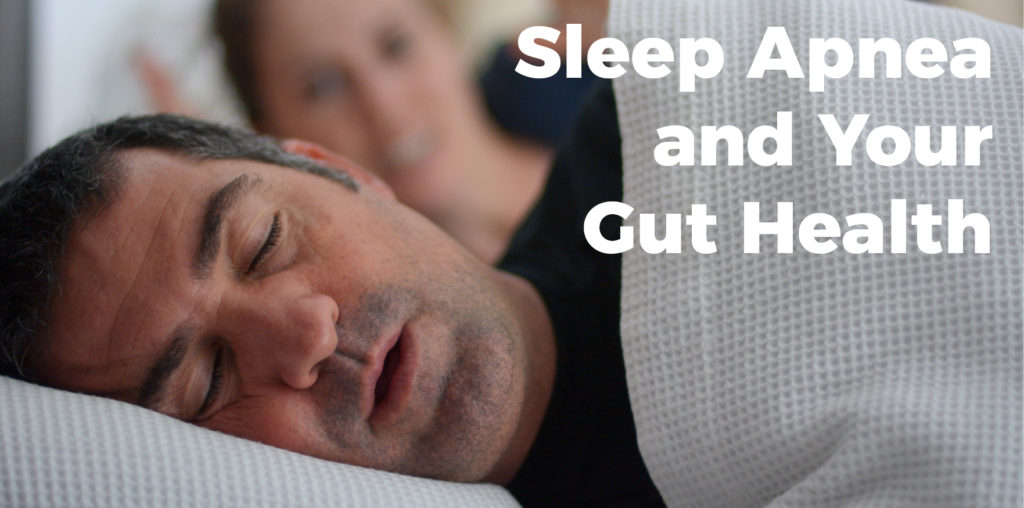
Man sleeping with text on photo "Sleep Apnea and Your Gut Health"

Sleep Apnea and Your Gut Health

Have you heard complaints from your loved ones about not getting enough sleep due to the sound of your snoring? Anywhere from 50-70 million Americans deal with a sleep disorder, and nearly a third of them struggle with some form of sleep apnea, a condition in which your breathing starts and stops repeatedly and involuntarily throughout the night.

Different forms of sleep apnea have unique symptoms but some crossover, like insomnia, headaches and excessive daytime sleepiness.

When the natural circadian rhythms that govern your body’s sleep-wake cycles get disturbed by something as minor and temporary as jet lag, your gut feels it. Mess those rhythms up and you run the risk of more health problems, and serious ones too.

New evidence shows sleep apnea — a more serious health problem — may also affect your gut.

I can hear you snoring!

Curious about the effects of sleep apnea on gut health, scientists at the University of Missouri launched an experiment using three sets of mice to examine how the gut microbiome reacts.

Researchers exposed male mice to two environments — one with normal room air or the other restricting their airflow (designed to mimic sleep apnea) — for six weeks.

Then, scientists took those fecal samples from both animal groups, and evenly transplanted them into the third group of young mice, then monitored their sleep for three days.

No surprise, the mice that received transplants from male mice with restricted airflow experienced a common symptom of sleep apnea: Increased sleepiness during regular times of the day when they should be wide awake.

“By manipulating the gut microbiome, or the byproducts of the gut microbiota, we would be in a position to prevent or at least [treat] some of the consequences of sleep apnea,” said Dr. David Gozal, the lead author on this study.

In fact. Dr. Gozal suggested the combination of a continuous positive airway pressure (CPAP) machine and a probiotic could offer patients some important benefits.

The human side of things

Not only could probiotics and a CPAP device eliminate much of the daytime fatigue due to a lack of sleep, but both could also reduce the likelihood of other health issues linked to sleep apnea.

The most serious problem: The cluster of symptoms that increase your risk of stroke, type 2 diabetes and heart disease known as metabolic syndrome.

If you’re on the lookout for an excellent probiotic, be sure that it contains multiple strains of beneficial bacteria that protect the balance of bacteria in your gut.

Also, check product labels to ensure any product you consider contains prebiotics, the unsung heroes that do the dirty work behind the scenes of feeding the good bacteria in your gut and stimulating their growth.

Plus, taking a prebiotic every day has been shown to improve the quality of sleep too!

EndoMune Advanced Probiotic is uniquely fortified with 10 strains of beneficial bacteria plus a proven prebiotic(FOS) so you can work on improving your sleep.


References


Sleep Apnea and Your Gut Health Read More »

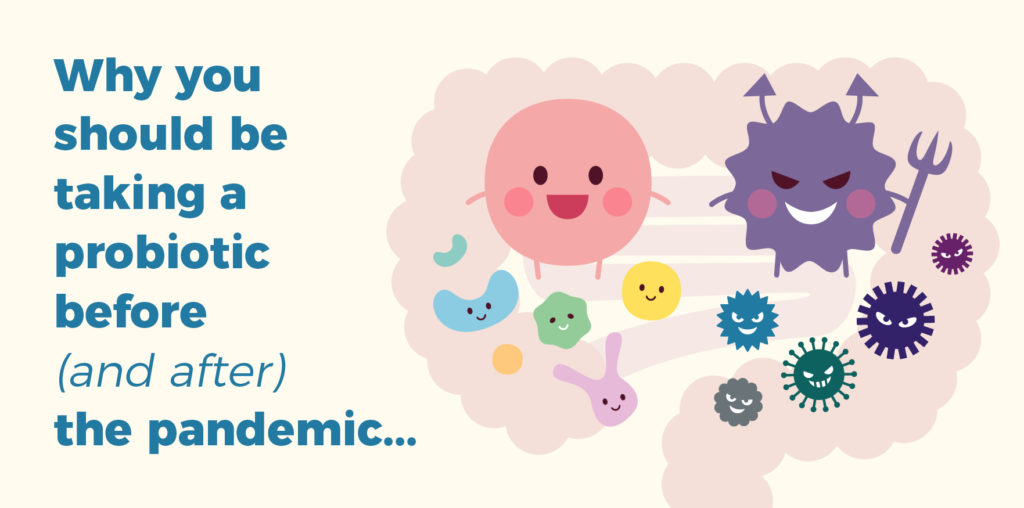
take a probiotic during coronavirus pandemic

Could Your Unbalanced Gut Worsen the Coronavirus?

Since the beginning of the pandemic, we’ve reminded you about some simple steps you should be taking to protect the health of your gut during these coronavirus times. Many things affect your gut microbiome’s balance, from the meals you eat every day to the sleep you get every night. All of these things determine how well your immune system functions.

That critical balance — or the lack of it — and the volume of bacteria in your gut may play a critical role not only in how severe your battle with the novel coronavirus may be, but also in how your immune system responds to it.

The lack of gut bacteria balance

A team of Chinese researchers studied how the gut influences the novel coronavirus’s severity by comparing stool and blood samples from 100 hospitalized patients with a coronavirus diagnosis to 78 healthy patients who took part in a microbiome study before the pandemic began.

Among those coronavirus patients, 41 provided multiple stool samples while hospital-bound, and 27 shared stool samples up to 30 days after they recovered. The gut microbiome differences between healthy patients and those who fought COVID-19 were pretty dramatic.

Accounting for the lack of balance, researchers determined the guts of novel coronavirus patients contained fewer beneficial strains of bacteria that triggered an immune system response.

Also, lower numbers of some gut bacteria, including Bifidobacterium bifidum, were linked to more severe coronavirus infections after taking into account patients’ age and their use of antibiotics.

(Bifidobacterium bifidum is one of 10 strains that make up the potent mix of beneficial  bacteria in EndoMune Advanced Probiotic.)

What’s more, this depletion of bacteria was measured in samples up to 30 days after patients recovered.

The imbalances show up in the blood too!

When COVID-19 infects the human body, the immune system can sometimes go into overdrive, producing inflammatory chemicals called cytokines. If those cytokines become excessive, a destructive “storm” may result, causing the failure of multiple organs, tissue damage, and septic shock.

An examination of blood samples found more instances of these inflammatory cytokines and chemical markers linked to tissue damage in coronavirus patients also experiencing gut bacteria imbalances.

All of these facts led researchers to conclude that the gut microbiome may have more influence on your body’s immune response to the coronavirus, along with its severity and how you’ll recover from it.

What this means for you

Although scientists were unwilling to cite any concrete causes, it’s clear to them there are connections between the microbiome and inflammatory diseases and that boosting the beneficial bacteria in the gut depleted by the novel coronavirus could become a way to lessen its severity.

As you know, many factors play a role in your gut’s health and diversity, from sleep schedules and exercise to your eating habits.

Taking a probiotic is one of the most straightforward steps you can take to protect the health of your gut too. But not any generic probiotic will do…

That’s why it’s important to look for a probiotic with multiple strains of proven beneficial bacteria like those from the Lactobacillus and Bifidobacterium families.

EndoMune Advanced Probiotic is uniquely fortified with ten strains of beneficial bacteria from both families along with a very important prebiotic (FOS) to protect your gut 24/7.


References


Could Your Unbalanced Gut Worsen the Coronavirus? Read More »

blank shampoo bottle from home

Are Gut-Harming Chemicals Hiding in Your Home?

It’s never been easier to keep our homes and ourselves clean and germ-free, even during a pandemic. All of that antimicrobial/antibacterial “power” comes a great cost, however, creating overly sterilized home environments that are too clean for own good gut health. Gut-harming chemicals can hide in places you’d never think to look, like yoga mats and even the walls of your home.

But, what about other chemicals that find their way into other products our families come in contact with every day, like shampoos, detergents, cosmetics and water-repellant fabrics?

These substances — semivolatile organic compounds (SVOCs) — can be just as harmful to human gut health, especially to the youngest of us.

Unhealthy tradeoffs for convenience

A group of scientists examined how the impact of SVOCs in everyday environments affected gut health by measuring their levels in blood, urine and fecal samples taken from 69 young children (from toddlers to preschoolers).

In those samples, scientists detected levels of SVOCs commonly found in raincoats, shower curtains, soaps, shampoos and polyfluoroalkyl substances (PFASs) used to coat non-stick cookware, fast food packaging, carpets and furniture.

What’s more, children with higher levels of PFASs in their bloodstreams experienced reductions in the diversity and amounts of bacteria in their guts.

Here’s how resourceful and remarkable the human gut is: Children who had higher levels of these chemicals in their blood also had several kinds of bacteria in their guts that clean up toxic materials.

Unfortunately, these unique strains of bacteria aren’t usually found in the human gut. In fact, they are often used to clean up harmful chemical residues (think dry cleaning solvents) from the environment.

“Finding the increased levels of these bacteria in the gut means that, potentially, the gut microbiome is trying to correct itself,” says lead researcher Dr. Courtney Gardner.

“Gaining a more holistic understanding of the interactions between man-made chemicals, the gut microbiome and human health is a critical step in advancing public health.”

The probiotic solution

If exposure to these chemicals that persist in our environment is a constant problem for all of us, the best and healthiest solution for protecting our gut health is a simple one.

Taking a probiotic formulated with multiple strains of beneficial bacteria that mirrors and enhances the diversity of your gut microbiome is critical.

The 10 tried-and-true strains of beneficial bacteria from the Bifidobacterium and Lactobacillus families contained in EndoMune Advanced Probiotic along with the prebiotic (FOS) can make a very big difference in balancing your gut microbiome and promoting better immune health too.


Resources


Are Gut-Harming Chemicals Hiding in Your Home? Read More »

Healthy Gut Protocol Instructions

Your Gut Healthy Protocol During the Coronavirus Holiday Season

It’s THAT time of year when our thoughts turn to the holidays and celebrating the end of the old year and the start of a brand new one.

But this holiday season is unlike any other in recent memory, thanks to the coronavirus pandemic.

During the Thanksgiving break, the CDC asked Americans to stay put and not travel. So far, there are no indications that future advisories from federal health officials will change very much at least in the short term.

With families staying at home as much as possible and limiting their contact to very small groups of people — appropriately distanced, of course — the last thing you should be worried about is your gut health, right?

Wrong. Here are 3 reasons why you should be:

How are you sleeping?

The health of your gut (and your body) is affected by shifts in your body’s circadian eat-sleep-wake cycles.

Disturbing that schedule — anything from long work hours to getting to know your new PS5 — messes up those natural processes the gut performs on its own while you’re sleeping.

Getting the sleep you need and sticking with a schedule matters, along with eating enough prebiotics, a natural part of whole foods ranging from onions to almonds and jicama.

How are your emotions?

Because many of you are staying home and glued to your work desk (or that shiny new PS5 next to your TV), your emotions may be up, down or all around depending on your mood and the time of day.

It’s certainly understandable, given that we live for our human connections to the outside world.

Maintaining the vital connection that links your brain, intestines, and emotions — your gut-brain axis — helps you regulate those stressors naturally and effectively.

How’s your diet?

If you’re staying home a lot more, your once healthy and balanced diet may have fallen by the wayside, in favor of more highly processed foods full of sugar — real or artificial — and chemicals that disrupt the critical balance of good bacteria in your gut.

5 ways to protect your immune system

This trio of variables all leads up to one very serious problem: A disrupted immune system that can leave you very vulnerable to an array of health problems.

What’s more, a growing number of experts all over the world are coming around to the belief that gut health is the key, not only to stay healthy in the good times, but to reduce your risk of respiratory infections too.

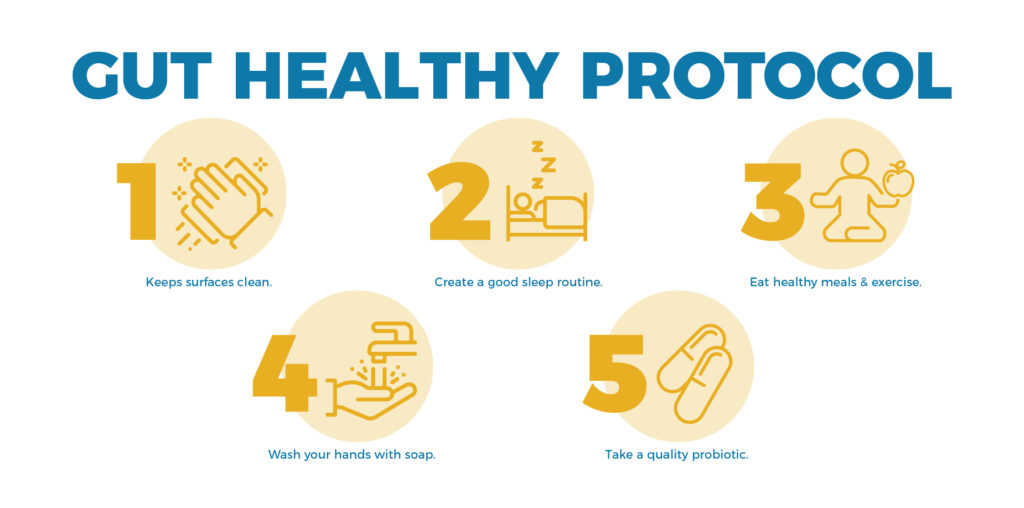
With all of this in mind, here’s your updated gut-health protocol to help you and your family stay safe during this coronavirus holiday season:

  1. Keep the surfaces in your bathrooms and kitchens as clean as possible.
  2. Get on a sleep schedule and stick to it. (Put the PS5 in the closet when you’re not using it.)
  3. About schedules: Take breaks for healthy, balanced meals away from the TV or computer screens and get a little exercise. Even a short walk with your dog helps!
  4. Keep those hands clean with plain soap and water. No antibacterial soap necessary!
  5. Give your gut health a much-needed boost by taking a probiotic, ideally containing multiple strains of beneficial bacteria.

Although your gut is a diverse environment that requires an array of species to do countless things behind the scenes, lots of probiotics still rely on one strain of beneficial bacteria to do the heavy lifting. Simply, these single-strain probiotics just aren’t up to the job.

Our multi-strain probiotic, like EndoMune Advanced Probiotic, is fortified with 10 strains of beneficial bacteria from the Lactobacillus and Bifidobacterium families, plus a prebiotic (FOS) that feed the good bacteria in your gut.

Protecting your gut by following our updated protocol will help you stay healthy through the holidays and to a better 2021.

References

Microorganisms

Frontiers in Psychiatry

PNAS

Gut Microbiota For Health

UNC Health/WRAL.com

Current Pharmaceutical Design


Your Gut Healthy Protocol During the Coronavirus Holiday Season Read More »

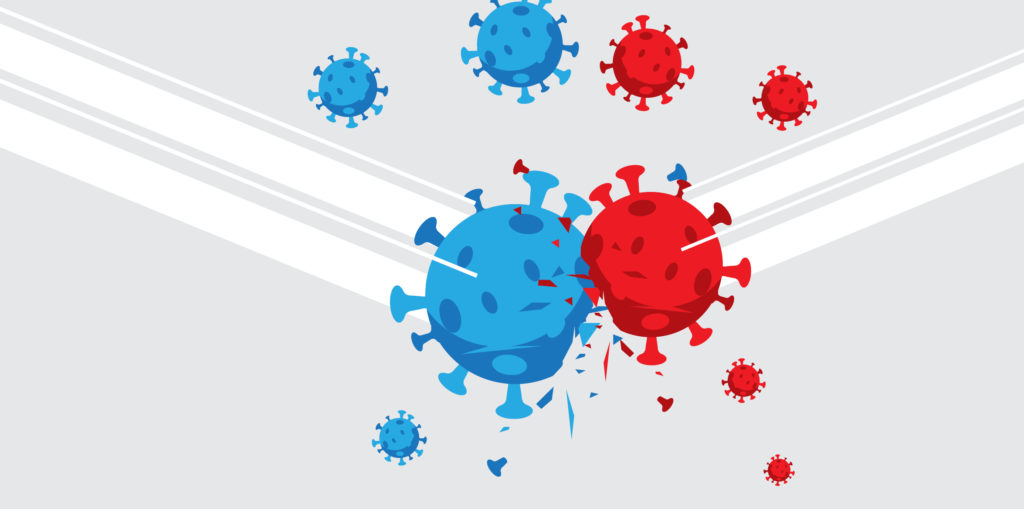
graphic of two cells combating each other

Coronavirus and the 2020 Flu Season: Are You Ready?

About this time of any other year, the medical community would be preparing for the annual flu season. Except for this one…

No one has written a playbook for a scenario quite like a flu season combined with a coronavirus pandemic, and with so many other things in a state of flux too.

Since we talked to you about the coronavirus earlier this year, the news is looking a little better and a bit clearer on the vaccine front, although it still remains a pretty good bet we won’t see one emerge from Phase 3 trials for a while longer.

In the meantime, health officials all over the U.S. are wondering and worrying about how a pandemic that will have killed more than 200,000 Americans by early fall will affect the annual flu season, and maybe worsen it.

A hopeful sign

One indication there’s hope that the flu season could be a little easier to handle: Countries in the Southern Hemisphere like Australia are reporting far fewer flu cases than they expected so far.

It’s an encouraging sign that social distancing, school closures, and mask-wearing have had a real impact.

Despite the dropping numbers of flu cases below the Equator, however, health officials starting at the very top with CDC Director Dr. Robert Redfield believe we shouldn’t be letting our guard down at all, especially now.

The one thing health officials agree on with urgency: When a flu shot becomes available, GET ONE.

But that’s just the first step on your to-do list…

Your revised healthy habits list

Now that we’re deep in the season of coronavirus and heading to an unknown flu season this fall, your list of healthy habits has changed some from earlier this year, but a lot of the tips still apply.

  1. Wear a mask when you’re out of the house to run necessary errands or go to work.
  2. Wash your hands often with soap (no antibacterial soaps) and warm water, especially before eating and after touching your face.
  3. Keep the surfaces in your kitchen and bathrooms as clean as possible.
  4. Be sure you’re getting the exercise and healthy meals your body needs.
  5. Protect your immune system where it resides in your gut.

We’ve shown time and again how probiotics work in sync with the flu vaccine to keep you and your family healthy.

Taking a probiotic with multiple strains of beneficial bacteria like EndoMune Advanced Probiotic can give your immune system a gentle boost and better enables the flu shot to do its work.

Advisory Note:

Facts and findings are always being updated on the status of the coronavirus/COVID-19 pandemic. For the most updated advisories on the COVID-19/coronavirus, visit CDC.org (https://www.cdc.gov/coronavirus/2019-ncov/index.html).

Resources

Science

Frontiers in Pharmacology

Marketwatch

WebMD

CDC

Washington Post


Coronavirus and the 2020 Flu Season: Are You Ready? Read More »

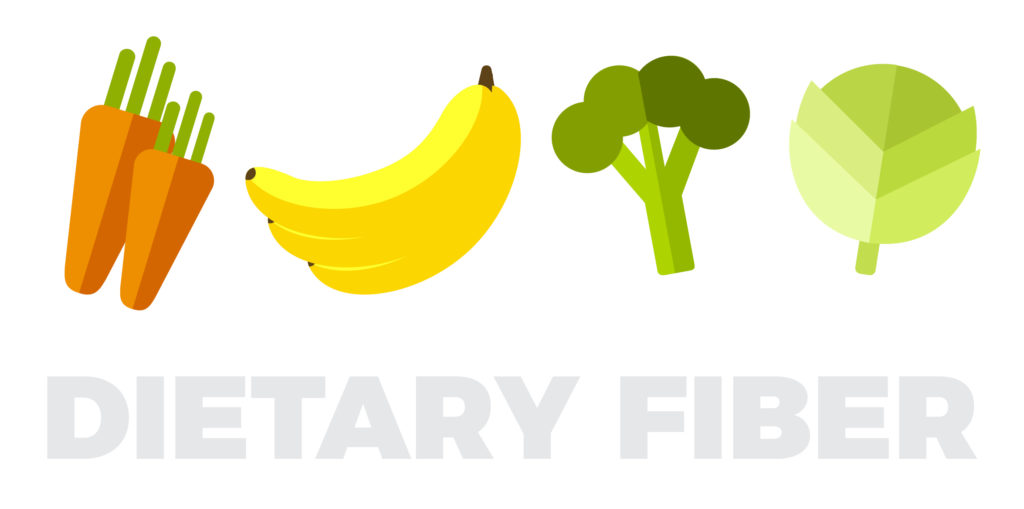
Graphic of dietary fiber foods: carrots, bananas, broccoli, and cabbage.

The Benefits of Dietary Fiber

Are you eating enough dietary fiber to protect the health of your gut?

You may be eating lots of fiber in your diet if you enjoy…

  • Fruits (raspberries and mangoes)
  • Legumes (lentils and chickpeas)
  • Vegetables (cauliflower, green beans)
  • Chocolate (the darker kinds with more cocoa)
  • Popcorn (just skip the butter)
  • Oats and barley
  • Mushrooms

Many foods claim to have lots of fiber in them. Even processed foods like corn or potato chips and fruit juices contain some fiber, but it’s far less compared to more minimally processed foods.

Understanding dietary fiber

To really understand dietary fiber is to know the differences between the different kinds: Soluble (the kind dissolved by water) and insoluble (the kind not dissolved by water).

Both soluble and insoluble fiber are good and come in different amounts depending on what you’re eating.

Insoluble fiber works best in your gastrointestinal tract by “attracting” water to your stool, making it easier to pass with less stress on your bowel.

Conversely, soluble fiber is dissolved by water and fermented into beneficial by-products including short-chain fatty acids (SCFAs).

What are the benefits?

When you digest fiber-rich foods, your gut generates a number of beneficial SCFAs. One of them — butyrate — provides nourishment for healthy bacteria, but that’s not all.

Butyrate acts to strengthen the structural integrity of the gut, protecting it from leaky gut, a problem created when breakdowns in the intestinal wall allow undigested food and other toxic waste products to seep into the bloodstream.

Butyrate also improves heart health by lessening problems with inflammation and the presence of fatty plaque that can clog arteries — a sure sign of atherosclerosis.

Eating more soluble fiber also delays the emptying of your stomach, which promotes more fullness, meaning you won’t feel the need to each as much as you did before.

In fact, a very recent review of studies, appearing in the medical journal Nutrients, underscored these important benefits and generally reported healthy alterations of gut bacteria among patients.

How much dietary fiber do you need for your health?

Despite all the good dietary fiber can do, the quality of your diet and the amount of fiber you consume each day determines how much you’ll really benefit.

Eating the right amount of fiber every day can be a challenge, especially for men who need a bit more of it (30-38 grams) than women (21-25 grams), depending on age.

That problem can be more difficult if you’re always eating on the go and your diet is chock full of highly processed, sugary and fatty foods, the kinds with little to no fiber content.

Adding roughly 30 grams of fiber may sound like a lot yet, in reality, that amounts to about 1 powerful ounce of protection.

But that’s not all you can do…

Taking a probiotic with multiple strains of beneficial bacteria like EndoMune Advanced Probiotic with 10 strains of beneficial bacteria and the prebiotic FOS (fructooligosaccharide) enhances the natural fermentation of fiber that feeds your gut and protects your health.

If you’ve been wanting to lose weight, you may want to consider EndoMune Metabolic Rescue, a special probiotic/prebiotic blend that stimulates the production of hormones in your gut and decreases your appetite.

References

Nutrients

Science

Frontiers in Immunology

American Heart Association

Harvard Health Blog

Healthline


The Benefits of Dietary Fiber Read More »

mom holding up baby and kissing it on the cheek

Breastfeeding: Protecting Your Baby from Allergies

Allergies are among the most common and persistent health problems children face. Children’s allergies come with a myriad number of causes and symptoms ranging from “hay fever” (allergic rhinitis,) and skin rashes (hives and eczema) to more concerning conditions like asthma. In worst cases, kid’s allergies trigger serious health problems such as life-threatening allergic reactions to certain foods or medications. Allergies affect up to nearly 10 percent of all kids under age 18.

Mothers wants their children to be as healthy as possible, and wouldn’t it be great if there was a way to help prevent your child from developing allergies? Previously, we showed how easy it is to boost a baby’s immune system and gut health through a simple practice like breastfeeding.  The American Academy of Pediatrics recommends new mothers breastfeed their babies for at least the first six months of the baby’s life, and new studies suggest that breastfeeding helps to prevent your child from developing allergies.

However, many new mothers find it problematic to breastfeed for the entire six months, but infants breastfed every day for just his/her first three months may reduce their chances of developing respiratory allergies and asthma significantly by the time your child is old enough to go to school.

The benefits of breastfeeding

Many scientists have examined the benefits of breastfeeding, but most limited their research to an all-or-nothing choice, meaning the studies focused on infants who were breastfed against those who were not breastfed. Infants whose mothers breastfed intermittently were ignored. Now, a study from the University of Maryland at Baltimore evaluated health data on nearly 1,200 moms and babies obtained from the Infant Feeding Practices Study II, based on intermittent periods of exclusive breastfeeding over the first three months of their lives. To be clear, these mothers alternated between feeding their babies breastmilk and formula.

These mothers reported their breastfeeding schedules in addition to any incidents of viral infections or wheezing during the first three months of their baby’s life. The also reported when they introduced solid foods, complete family health histories, and other health related variables. Then, scientists examined the aggregated data looking for incidents of respiratory problems and asthma at age 6.

The data clearly indicated that nearly one third of these children, who were breastfed exclusively for their first three months, were 23 percent more likely to avoid respiratory allergies, and 34 percent of them were less likely to have asthma (but only if they didn’t have a family history of asthma).

On the other hand, intermittent breastfeeding had little significant effect on reducing the risk of developing respiratory ailments.

Significantly, infants fed exclusively with formula experienced the highest rates of asthma and respiratory problems.

A healthy option if you can’t breastfeed

Unfortunately, less than half of all working mothers in America are able to breastfeed their newborns exclusively through the first three months of their lives. That percentage drops to 25 percent through the first six months, according to the CDC. These unfortunate statistics mean a large population of American infants risk developing allergies that otherwise would be potentially preventable with natural breastfeeding.

Fortunately, concerned mothers unable to exclusively breastfeed their baby can help protect their baby’s immune system, safely, effectively, and help them avoid developing allergies or asthma with a probiotic formulated exclusively just for infants like EndoMune Kids Advanced Probiotic Powder. Sprinkling one tiny scoop of EndoMune Kids in their food or formula once a day feeds the good bugs in your baby’s gut and gives his/her growing immune system the gentle boost he/she needs!

(Please be sure to check with your pediatrician before starting your baby on EndoMune or any probiotic.)

Resources

Breastfeeding: Protecting Your Baby from Allergies Read More »

Man in white t-shirt flexing his arm.

How Probiotics Support Your Immune System

During the unprecedented Coronavirus pandemic, we’ve seen a renewed focus from our customers on ways to “support your immune system.” The obvious question is: can probiotics, by helping your gut be as healthy as possible, also support your immune system? Although probiotics are proven to help digestion and optimal gut health, recent studies indicate probiotics also protect and enhance your immune system.

The primary reason probiotics, by strengthening your gut health, help your immune system function better is simple. Your gut and immune system have a symbiotic relationship. For example, 70-80% of your immune cells are located in your gut. The health of your gut directly impacts the overall health of your entire immune system.

Healthy guts make healthy immune systems. Conversely, compromised, unhealthy guts erode the effectiveness of immune system function. That leads to potentially more illnesses like common colds, flu, and many other infections – potentially even COVID-19.

Scientists have known for years that our microbiome helps keep overactive immune responses (leading to conditions like IBS and other autoimmune diseases) in check. However, they were still unsure of the exact mechanisms that drive this interaction.

Vitamin A

Emerging research may have found one of the potential answers. Vitamin A seems to help the healthy bacteria in our guts produce beneficial chemicals and activate naturally occurring vitamin A found in the food we eat that helps regulate our immune system naturally. After all, our goal as medical professionals is to help your body defend itself from disease naturally without medications, and the frontline of your body’s war against threats from bacteria and viral diseases is in your gut.

A study led by Shipra Vaishnava, Assistant Professor of Molecular Microbiology and Immunology at Brown University, found that when your gut has an adequate level of vitamin A, your gut seems to be able to suppress overactive immune responses. That suggests that instead of your body’s defense system attacking helpful bacteria in your gut and upsetting the natural balance of these necessary flora, they can coexist with each other peacefully; hopefully, leading to a combination of optimal gut and immune system health function.

“A lot of these diseases are attributed to increased immune response or immune activation, but we’ve found a new way that bacteria in our gut can dampen the immune response,” Shipra Vaishnava argues. “This research could be critical in determining therapies in the case of autoimmune diseases such as Crohn’s disease or other inflammatory bowel diseases, as well as vitamin A deficiency.”

Simply put, probiotic supplements give your body the ability to absorb nutrients more efficiently, resulting in an improved immune system. That’s why better gut health prepares your body to defend itself against external threats – even during a pandemic.

Diversifying your Gut to Strengthen your Immune System

Since a COVID-19 vaccine may not be available until sometime next year, anyone looking for ways to build up your body’s defenses naturally should make sure your body has a diverse microbiome which leads to a healthy gut. A health gut, in turn, leads to a more robust, healthier immune system

The best way to increase microbiome diversity is to eat foods that support a healthy gut, and avoiding alcohol and highly processed foods. We get it, that’s always hard to do, and is challenging during a pandemic like COVID-19. One easy way to help your gut stay healthy and strong is to take a multistrain probiotic like EndoMune Advanced Probiotics.

However, don’t forget to help your body stay strong by managing your mental health, getting enough sleep, and staying physically active if you can do so safely.

It’s small, daily steps like these that make a big difference in protecting your health.

For more information on how to combat the Coronavirus, read our previous blog:

C oronavirus: Protect Your Immune System

How Probiotics Support Your Immune System Read More »

Woman that looks sad while sitting on a couch

Coronavirus and the Gut-Brain Blues

There’s no doubt following social distancing guidelines when you and your family go outside is the smart and safe way to avoid the many health risks associated with the coronavirus (COVID-19).

But those guidelines don’t take into account the stress you’re feeling, whether you’re hunkered down for long periods of time with work-at-home responsibilities plus family responsibilities or not working at all.

We’ve talked a lot about the gut-brain axis, the connection between your brain, emotions and intestines.

If you’ve been doing a lot of stress eating lately, it could be a sign that your gut-brain axis needs some extra help to stay in balance and keep the weight off too.

Don’t fear, there’s many ways to rebalance your anxious gut-brain axis safely and gently, even in these stressful coronavirus times.

First, let’s take a look at how we got there.

Overeating processed foods

Consuming a typical Western diet full of processed, high-fat foods is a huge problem all by itself, which is often worsened by stress.

The more you eat, the more your gut produces higher levels of gastric inhibitory polypeptide (GIP), a hormone that manages the balance of energy in your body.

Last year, Baylor College of Medicine researchers discovered this extra GIP that the gut produces travels through the bloodstream to the brain where it slows down the impact of leptin, a hormone produced by fat cells that promotes a feeling of fullness or satiety, in a series of tests on mice.

(Messing up your sleep cycle affects how your body produces leptin too.)

Baylor scientists recognized the gut-brain connection when they took steps to block the production of GIP which reduces the appetites and weights of mice fed high-fat diets.

But that’s not all…

Too much real sugar

You may also recall our warning about foods sweetened with real, refined sugar that can be just as harmful to your health as those containing artificial sweeteners. It doesn’t take much of the real thing to trigger sugar cravings either.

The average American consumes at least 66 pounds of real sugar, if not more, every year, fueling the epidemic of obesity and many more health problems.

Real sugar affects the brain in a unique way by signals traveling from the gut all the way to the brain via the vagus nerve, according to a very recent study on mice appearing in Nature.

It was really hard for Columbia University researchers to ignore the connection. When given the option of being fed water with artificial sweeteners or real sugar, mice gravitated to the real thing after only two days.

What’s more, scientists found that the gut-brain connection kicks into gear in the presence of glucose (often added to processed foods as dextrose and extracted from corn starch).

Rebalancing your anxious gut-brain axis

Depending on how the coronavirus outbreak is slowing down in your area (or not), getting back to a normal routine may take a while.

With this in mind, ask yourself these four questions each day to help make sure you’re maintaining your balance, mentally and physically.

  • Are you taking breaks to exercise at home? At the very least, plan short walks outdoors (while practicing safe distancing).
  • Are you reaching out to your family and friends for support? All of us need some extra love and attention right now.
  • Are your sleep habits a real mess? Get back on a regular schedule!
  • Are your eating habits in hibernation mode? You have a golden opportunity right now to clean up your diet and lose some extra pounds.

A very safe and healthy way to relieve those gut-brain blues and boost your immune system without a drug — taking a multi-strain probiotic, like EndoMune Advanced Probiotic with 10 strains of beneficial bacteria — is one of the best choices you can make.

And, if you need some extra help to lose a few pounds, you may want to consider EndoMune Metabolic Rescue with its proven formula of Bifidobacterium lactis and the prebiotic XOS that promotes a greater sense of fullness and healthier blood sugar levels too.

Resources

Journal of Clinical Investigation

Baylor College of Medicine

Nature

Howard Hughes Medical Institute

University of California at San Francisco/sugarscience

Healthline

Coronavirus and the Gut-Brain Blues Read More »

Young boy holding sandwich in front of his face. Caption is "EndoMune Cares!"

EndoMune Gives Back: Feeding America

At this time, an estimated 17 million additional people in the U.S. are experiencing hunger due to the impacts of COVID-19. Schools are closed, and so are the programs that feed many children whose parents or caregivers may now be unemployed.

We at EndoMune are committed to supporting the health of our communities nationwide during this time of vulnerability and are grateful for our ability to do so when food banks are experiencing their greatest need. As a physician, I appreciate Feeding America’s efforts to supply fresh, healthy and nutritious foods necessary for maintaining a balanced diet.

For each bottle purchased on our website, we will donate $2 to Feeding America’s COVID-19 Response Fund. Donations will continue for as long as the Fund is active.

Feeding America, through its network of 200 food banks across the U.S., secures and distributes 4.3 billion meals per year as the nation’s largest domestic hunger-relief organization to children and families in need.

We kindly ask that you join us in our effort to help feed America during this time.

Sincerely,
Dr. Hoberman

EndoMune Gives Back: Feeding America Read More »

Scroll to Top