Free shipping on all orders over $125*

Synbiotic Blend of 10 Beneficial Strains, Developed by Board-Certified Gastroenterologist

Disease

Disease risks and other issues related to poor digestive health.

Take these 5 steps to prevent colon cancer

You may recall an earlier blog post discussing colon cancer, the second leading cause of death due to cancer and the third most commonly diagnosed cancer among men and women in the United States according to the CDC.

Until recently, health experts assumed most cases of colon cancer were confined to patients over age 50. However, a report discussed at the annual Gastrointestinal Cancer Symposium predicted the incidence of colon cancer will rise dramatically among 20-34-year-olds (90 percent) and to a lesser degree among 35-49-year-olds (28 percent) by 2030.

These predictions about the sharp rise in colon cancer among younger adults are especially alarming considering how avoidable this disease really is. Following these simple steps will help reduce your risk of colon cancer and many other diseases, too.

Beat the obesity bug

The plague of obesity in America—more than a third of adults are obese—contributes to scores of health problems (stroke, heart disease, type 2 diabetes and various forms of cancers including colon cancer).

Fortunately, there are many ways to beat the obesity bug, and it doesn’t take as much time and effort on your part to make that happen.

For example, the results of a preliminary study of colon cancer patients released last summer found that eating fish less than twice a week or exercising less than an hour a week more than doubled their risks of a recurrence.

Imagine how beneficial doing those two small things alone would be for you?

Get enough calcium and vitamin D

There is good evidence that taking enough calcium and vitamin D (two of the eight supplements you need to take for your good health) can help to protect you against colon cancer. Be sure to take enough of a dose of calcium (1,000-1,200 mg) and vitamin D (1,000 IU) every day.

Cut down on red/processed meats

The link between red and processed meats and the elevated risk of colon cancer is strong, possibly due to a link with a common gene variant affecting about a third of all adults, according to a 2013 study.

The good news: Based on that same study, researchers identified another genetic variant that may lower people’s risk of colon cancer when they eat more fiber, fruit and vegetables.

For a safe baseline on eating red meat, the American Institute for Cancer Research recommends a limit of 18 ounces (cooked) per week.

Limit those lifestyle factors

When discussing how to prevent cancers, many experts lean heavily on cutting out smoking altogether and drinking alcoholic beverages to a minimum for good reason.

For colon cancer, research has pointed to changing the way nutrients are metabolized as one solid reason to reduce your consumption of alcohol, according to the American Cancer Society.

As far as the risk of smoking tobacco elevating one’s colon cancer risks, many studies have connected the dots between the two (a 2009 study cited as much as a 60 percent increase of colon cancer due to smoking).

However, the U.S. Surgeon General’s office was reluctant to make that conclusion until the most recent report released in January, spanning a half-century and 31 reports.

“Amazingly, smoking is even worse than we knew. Even after 50 years, we’re still finding new ways that smoking maims and kills people,” CDC Director Thomas Hayden told USA Today.

Take a probiotic

A 2013 study published in the Journal of the National Cancer Institute cited a serious cause of colon cancer: Microbial imbalances in intestinal bacteria. In fact, colon cancer patients were more likely to be depleted of some beneficial bacteria and have more “bad” bacteria linked to gut inflammation than healthy patients.

Another factor in microbial imbalances in your gut: Taking antibiotics over the long term that eliminates the good and bad bacteria in your gut indiscriminately.

The good news: Taking a multi-species probiotic like EndoMune Advanced Probiotic and EndoMune Advanced Junior (for kids) can give your immune system a much-needed boost by increasing the diversity of beneficial gut bacteria, thus protecting your health from colon cancer.


Take these 5 steps to prevent colon cancer Read More »

Supplements 101 Part 1 of 2: Five questions to ask before taking a supplement

From time to time, many folks who take EndoMune Advanced Probiotic on a daily basis have asked me what other kinds of supplements they should be taking to help them maintain their good health.

The answer to that question actually isn’t so easy, and it’s filled with confusing and conflicting information. For example, a recent Annals of Internal Medicine study advised Americans to stop wasting money on multivitamins. (Just tell that to the 40 percent of Americans who take at least one every day.)

One co-author of that study advised Americans to spend their time and money eating fruits, vegetables, nuts, beans and low-fat dairy, and getting more exercise. The real catch: How many people actually get the 40+ vital nutrients and daily activity they need to stay healthy without receiving help from a supplement?

Yet, other governmental sources—Nutrition.gov and the National Institutes of Health—provide good referential information about supplements.

Before taking any supplement, consider the answers to these simple questions when doing your homework.

1. Do I need to see a doctor before taking a supplement? Anyone wanting to take a supplement or a probiotic should see his or her family physician first. It’s the only way to ensure the supplement you’re taking on a daily basis is a safe quantity and doesn’t conflict with any other supplement or (over-the-counter or prescription) drug you’re using.

2. Where can I find simple, easy-to-understand information about any supplements I’m taking? In addition to Nutrition.gov and the National Institutes of Health, WebMD.com’s Vitamins & Supplements Center provides a great search engine to do your research for free.

Another great source of information for specific details is ConsumerLab.com (available as a paid subscription), an online service that tests supplements based on their active ingredients and any impurities or deficiencies they may have.

3. When is the best time to take a supplement? Although natural health guru Dr. Andrew Weil admits there’s no “best time,” take supplements when “they most agree with you” and your daily routine. However, be aware that taking too many supplements on an empty stomach or with a light early meal can cause indigestion, Dr. Weil says. And, be sure to drink enough water.

4. Which form of vitamin should you select? It depends on the supplement, according to WebMD. Some come in pill form because they can be harmful or ineffective, while others may perform better as a liquid or powder. Again, don’t hesitate to ask your physician or pharmacist for guidance, based on your specific daily drug and activity regimen.

5. Should you take a supplement after the expiration date listed on the bottle? Medical experts like WebMD take a conservative approach, noting that vitamins and supplements sitting in a dark, cool cabinet for too long lose their strength over time and should be thrown away.

However, please be careful about how you dispose of expired supplements or drugs. The FDA urges consumers not to flush any drugs down the sink or toilet, unless instructions on labels tell you to do so.

Be on the lookout for community-sponsored take-back programs that allow you to bring unused drugs to a central place so they can be properly disposed. If you miss those dates, mix those supplements with coffee grounds or kitty litter, place them in sealable bags and throw them in your trash.

In my next article, I’ll share information about the eight supplements you should consider taking for your good health.

Supplements 101 Part 1 of 2: Five questions to ask before taking a supplement Read More »

A probiotic every day keeps listeria away!

The norovirus isn’t the only infectious disease sneaking up to harm the health of unsuspecting Americans.

Over the past six months, America’s once safe food supply—from whole foods including plums, peaches and nectarines to processed foods like bagged salads, cheeses, salsa, peanut butter, fruit pies, hummus and pre-packaged meals—has been plagued by the harmful foodborne L. monocytogenes bacterium, better known as listeria.

Unfortunately, this latest outbreak of listeria doesn’t have any boundaries, as major grocers, including Target, Trader Joe’s, BJ’s, Costco, Hy-Vee, Sam’s Club, Whole Foods, Wegmans and Giant Eagle, have sold foods that have been recalled due to potential contamination.

Listeria popped up on the radar of food safety experts and consumers most notably in 2011 when an outbreak infected cantaloupes grown at Colorado-based Jensen Farms that sickened 147 Americans in 28 states, including 40 in the Centennial state.

Of those who were sickened, 33 people died and a pregnant woman suffered a miscarriage, culminating in the worst foodborne outbreak in the U.S. in at least a century.

The human targets of listeria

Listeria is a very hardy bacteria—it can survive even in refrigerated and freezing environments—and is very common in our environment, yet very few Americans (1,600) are sickened by it annually.

Symptoms range from the light—fever, muscle aches, nausea and diarrhea—to the more serious—headaches, stiff neck, loss of balance, confusion and convulsions—and the incubation period could stretch out to 70 days. Yet, pregnant women may only feel a mild flu.

However, in the right environments, listeria can be very deadly, as it is the third leading cause of death from food poisoning. Patients at the greatest risk of harm:

  • Pregnant women and their newborns
  • People with weakened immune systems
  • Seniors age 65 and older

The six ways to avoid listeria infections

The good news: People who are prone to develop more serious problems due to listeria or other food poisoning issues can take some very simple steps to avoid them:

  1. Avoid unpasteurized (raw) milk or soft cheeses.
  2. Refrigerate any leftovers within two hours and reuse them in no longer than four days.
  3. Maintain the same low temperatures in your refrigerator (40 degrees Fahrenheit or lower) and freezer (0 degrees or lower) with a thermometer.
  4. Don’t eat hot dogs and deli meats until they’re steaming hot.
  5. Avoid eating risky foods by monitoring websites like Foodsafety.gov.
  6. Take a multi-species probiotic like EndoMune Advanced Probiotic or EndoMune Advanced Junior for kids can help prevent infections caused by contaminated foods by boosting your intestinal immunity.

A probiotic every day keeps listeria away! Read More »

Dark chocolate’s healthy benefits start in the gut

Thanks to its polyphenol powers, dark chocolate has gained a healthy reputation as modern science has discovered the delicious ways it beats life-threatening diseases.

Consuming the chemical components of dark chocolate has been linked to suppressing the growth of colon cancer cells and to improving glucose tolerance that may prevent type 2 diabetes.

In fact, the chocolaty path to better health may start in the gut, according to a recent Louisiana State University (LSU) study.

Determining how chocolate mixes with gut bacteria to produce measureable health benefits was a “rather disgusting process,” according to LSU food sciences professor John Finley (as told to Scientific American).

First, three kinds of cocoa powder were doused with enzymes to recreate the upper digestive tract in humans, then traveled to a gut filled with feces harvested from nine grad students (you were warned).

The gut microbes inside the, um, poop, then consumed the remainder of the cocoa. What was left at the end: Fermented fiber and non-digestible compounds, including catechin and epicatechin (also found in green tea, skins and seeds of some fruits). These were broken down into smaller, more easily absorbed molecules that display the beneficial anti-inflammatory activity, which other studies have previously revealed.

The minuses about eating chocolate

If the positive benefits from these studies has piqued your curiosity about eating chocolate a bit more regularly, there are caveats to consider.

A growing number of studies have demonstrated these health advantages come from eating dark chocolate, not processed chocolate candy bars containing milk and sugar. The real plus, health experts say, comes from eating chocolate containing the highest percentages of cocoa.

“The good microbes, such as Bifidobacterium and lactic acid bacteria, feast on chocolate. When you eat dark chocolate, they grow and ferment it, producing compounds that are anti-inflammatory,” says co-study author and LSU student Maria Moore.

Additionally, researchers found patients could achieve even greater benefits by eating dark chocolate with fruits, like acai and pomegranates.

The Bifidobacterium connection

To derive benefits from dark chocolate, however, be sure you’re eating minimally processed chocolate containing higher percentages of cocoa. The higher the percentage of cocoa, the more bitter the dark chocolate will taste.

Also, even though dark chocolate may be good for your health, you can’t eat it all the time. Any extra ingredients can add lots of extra fat and calories your body doesn’t need and limit any health benefits.

However, your gut must be healthy to take advantage of these dark chocolate benefits. Bifidobacterium, one of the beneficial strains of bacteria identified by LSU researchers, is one of the active strains contained in EndoMune Advanced Probiotic and EndoMune Advanced Junior.

In addition to the multiple strains of beneficial bacteria, both EndoMune probiotics contain no dairy products, preservatives and artificial colorings and are GMO- and gluten-free.

Dark chocolate’s healthy benefits start in the gut Read More »

10 safe, natural ways to stop allergies

With the warmth of spring comes the nagging irritation of allergies for 50 million Americans, according to the American College of Allergy, Asthma & Immunology.

Unfortunately, spring allergies could stretch long into the summer depending on where you live, and factors like the priming effect, climate change and hygiene hypothesis could influence their severity. Complicating the treatment of allergies further are the unexpected side effects that arise from relying too often on antihistamines.

National Asthma and Allergy Awareness month has come around at the ideal time to remind you of the many ways you can keep these pesky allergens from harming your health without drugs. What follows are 10 completely safe and effective ways to do just that.

Keep it clean

1. To prevent allergens from following you into your home, wash your body every day and change your clothes. And, don’t forget to leave your shoes at the front door too.

2. A 2013 study in the Annals of Internal Medicine found acupuncture, a natural treatment that brings pain relief to millions, may also be effective for allergy sufferers. Patients who received acupuncture showed greater improvements and didn’t use their antihistamines as often.

3. Cutting back on fast foods and eating at least three servings of fruit per day may reduce symptoms. Consuming fast food at least three times a week elevated the risks of severe asthma by up to 39 percent among young children and teens.

4. Checking local weather reports every day for pollen counts is crucial. You can also access online resources like The Weather Channel’s Allergies page or the National Allergy Bureau to get personalized forecasts for your area.

5. Closing your windows and running your air conditioner longer will add to your energy costs, but doing both will reduce pollen from swimming into your home.

Protect your bedroom from allergy invaders

6. You spend more time in your bedroom than any other place in your home, thus it’s important to wash all bed sheets, pillow cases and blankets in water heated to at least 130 degrees Fahrenheit every week, according to the Mayo Clinic.

7. Invest a little money by having professional cleaners do a deep cleaning of your entire home, including baseboards, window shades, tile floors and ceilings. And, don’t forget to change your home’s air filters promptly and wash your washing machines to remove extra surprises.

8. Although washing pets can be problematic — your cat will hate you for even considering it — create allergy-free zones in your home to restrict their access, according to the Humane Society of the United States.

9. Working to alleviate the stressors that flood your head may reduce the number of flare-ups with more intense symptoms, according to a recent Ohio State University study.

10. Because your body is under non-stop attack from allergens, taking a probiotic may help, as this recent PLOS ONE study showed in boosting the immunity of patients to hay fever.

With its multiple strains of beneficial bacteria, EndoMune Advanced Probiotic boosts your immune system naturally and safely while maintaining your good gut health.

10 safe, natural ways to stop allergies Read More »

IBS may ease struggle to diagnose celiac disease

Diagnosing celiac disease can be a long and frustrating process as doctors and patients struggle to identify the various triggers to this condition that plague the immune system.

A recent Journal of the American Medical Association Pediatrics (JAMA) study linking celiac disease to irritable bowel syndrome (IBS) in children could ease that process. At the same time, probiotics containing bifidobacterium are promising for treating patients with these dual conditions.

This is good news for celiac sufferers as the National Foundation for Celiac Awareness reports that 83 percent of Americans with celiac disease are either undiagnosed or misdiagnosed. Many struggle for years with celiac-related health problems before understanding the root causes of their symptoms.

An immune reaction that damages the small intestine when certain people eat gluten — hence the growing interest in gluten-free foods — celiac disease can be difficult to treat because it affects everyone differently. Symptoms range from digestive problems to diarrhea, abdominal pain and even depression.

The study results

Based on blood tests taken by Italian researchers during the six-year study, 12 of 15 children who tested positive for celiac disease also suffered from IBS.

The benefits of this link between IBS and celiac disease are two-fold: Scientists suggest only IBS patients be tested for celiac disease rather than those suffering from functional gastrointestinal disorders (FGIDS), a cost-saving measure considering “screening tests are common, costs are substantial, and the yield is minimal.”

Another important benefit: Just like IBS sufferers, celiac patients may benefit from taking probiotics containing strains of bifidobacterium, according to a report in the Journal of Clinical Gastroenterology.

The benefits of bifidobacterium

In addition to following a strict gluten-free diet, a 2013 study concluded celiac patients experienced fewer problems with indigestion, constipation and reflux after being treated with bifidobacterium, demonstrating potential for improvement among untreated celiac patients.

Other findings have shown the presence of bifidobacteria in babies may affect the development of celiac disease later in life. For example, breast milk can stimulate the growth of bifidobacterial species in the guts of healthy infants.

Another study was conducted on infants who were related to at least one family member with celiac disease. It concluded that reduced amounts of bifidobacterium were found in patients who experienced an increased risk of developing celiac disease later in their lives.

Bifidobacteria has been used to treat numerous conditions:

  • Atopic eczema in babies
  • Flu-like symptoms in children
  • Hepatitis
  • Lactose intolerance
  • Lyme disease
  • Cancer

More good news: Bifidobacterium is one of the active strains of beneficial bacteria contained in EndoMune Advanced Probiotic and EndoMune Advanced Junior.

In addition to the multiple strains of beneficial bacteria, both EndoMune probiotics contain no dairy products, preservatives and artificial colorings and are gluten-free.

IBS may ease struggle to diagnose celiac disease Read More »

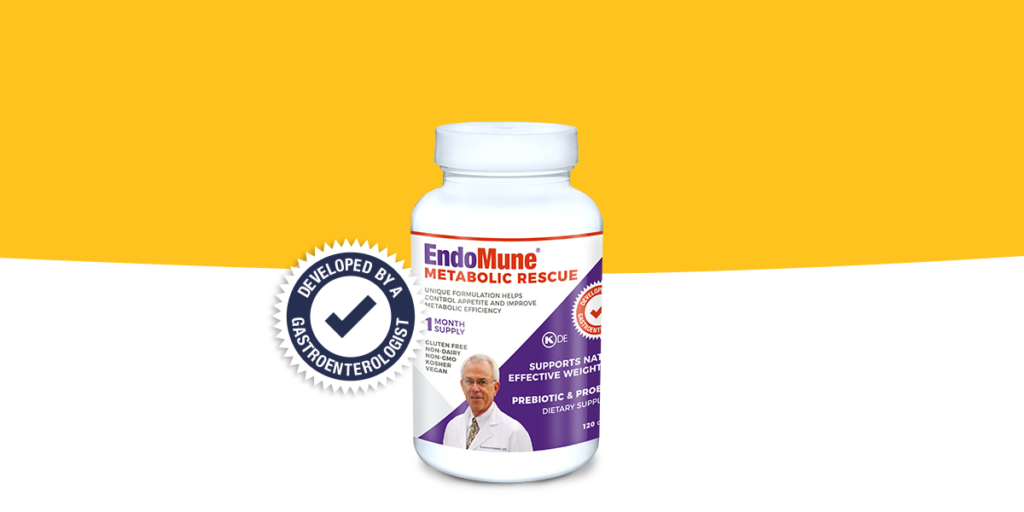
metabolic rescue

Autism and the gut health connection

Autism spectrum disorder (ASD) is one of the most challenging developmental disabilities an individual can experience. While the origins of autism are still misunderstood, research suggests it is linked to genetic and environmental factors that trigger deficits in social communication and cognition.

The abilities of ASD patients can vary from the severely challenged to the gifted, depending on the individual and the causes.

One thing autistic children across the spectrum often share is a struggle with gastrointestinal problems that last until adulthood. “Studies have shown that when we manage these problems, their behavior improves dramatically,” says Dr. Rosa Krajmalnik-Brown, a researcher at Arizona State University’s Biodesign Institute.

Although there’s no cure for ASD, a pair of recent medical studies have discovered new links to gut health that better pinpoint this disease and, perhaps, how to treat it.

Signs of autism appear in the gut

With gut health being linked to a growing number of diverse conditions — tooth health to the immune system — it’s not surprising to learn ASD is linked to the gut, too.

After comparing gut flora from fecal samples taken from 20 autistic patients and an equal number of healthy children, scientists discovered a similar lack of microbial diversity among ASD patients previously noted in studies dealing with obesity and heart health.

Children with ASD had lesser amounts of three important kinds of carbohydrate-degrading bacteria: Prevotella, Coprococcus and Veillonellaceae. Of this trio, Prevotella — a common genus seen in healthy children with greater gut diversity — was found in conspicuously low levels in ASD patients.

Hopefully, the Arizona State study results will now guide new autism treatment studies that would modify the composition of bacteria in the gut.

Probiotics may improve ASD behaviors

Caltech scientists have discovered physical evidence that shows how probiotics help ASD patients by paying closer attention to leaky gut, a disorder in which a breakdown in the intestinal wall allows matter to pass through to the bloodstream.

After replicating biological conditions that trigger autism symptoms in the offspring of mice, researchers found the gastrointestinal tracts of these young animals were “leaking.”

To determine if these leaks influenced autism-like behaviors, Caltech scientists treated the mice with Bacteroides fragilis (B. fragilis), a bacterium used previously as an experimental probiotic therapy in animal research.

Not only did the leaky guts of the test animals heal, their behaviors improved greatly (the mice communicated better, felt less anxiety and were less likely to engage in repetitive behaviors). These results aren’t surprising if you consider the gut-brain axis that connects your intestines, brain and emotions.

Important note: The brains of mice and men are vastly different, with the human brain being more complex in terms of gyrification, which plays a great role in connectivity and species intellegence.

How will science use probiotics to treat ASD?

The next step for researchers will be an initial trial within the next two years to test the effectiveness of probiotics on human autism patients.

“In this study, we can provide a treatment after the offspring have been born that can help improve certain behaviors,” says Paul Patterson, a professor of biological sciences at Caltech. ”I think that’s a powerful part of the story.”

The tricky part about developing an effective probiotic: ASD is activated by genetic and environmental factors and their previous mouse model only replicated symptoms created only from environmental triggers, scientists say.

Nevertheless, scientists sound thrilled that probiotics may soon offer a safe, healthy alternative to treating ASD. “I think our results may someday transform the way people view possible causes and potential treatments for autism,” says Sarkis Mazmanian, Caltech professor of biology.

Autism and the gut health connection Read More »

Does “Too Clean” Equal Child’s Diabetes?

Can you be “too clean” for your health? Apparently so, based on our recent warning about antibacterial soaps, toothpastes and cosmetics containing the broad spectrum antimicrobial and synthetic compound triclosan.

Exposure to these harmful chemicals increases the risk that antibiotics will have no effect on whatever disease you’re using them to treat, creating superbugs, a growing worldwide health problem born partly out of convenience.

Mounting research shows that being too clean may raise your child’s risks of Type 1 diabetes, a serious condition in which the body’s own immune system eliminates the insulin-producing cells of the pancreas, and other autoimmune and allergic diseases.

Understanding the hygiene hypothesis

This biological phenomenon, known as the hygiene hypothesis, occurs when the body’s immune response is reversed due to the continuing exposure to antibacterial chemicals, disinfectants, bottled water and antibiotics meant to make our lives easier and cleaner.

The hygiene hypothesis, first proposed by epidemiologist David Stratchan some 25 years ago, concludes that in the quest for cleanliness, people can become “too clean,” thus limiting the body’s ability to develop natural immunities to disease.

Early signs of the hygiene hypothesis were linked to problems with hay fever, eczema and cleanliness. The size of one’s family also mattered: The more siblings that children had, the greater their exposure to “beneficial” germs that helped their bodies develop their immunity to diseases naturally.

The reach of type 1 diabetes

The hygiene hypothesis has been cited as a cause for more serious health problems, from autism to multiple sclerosis, but, more recently, Type 1 diabetes has been linked to it too.

In fact, the rate of autoimmune diseases like Type 1 diabetes has escalated so dramatically, the European Union is funding the Diabimmune project to test the real reach of the hygiene hypothesis.

The numbers tell the story. The rate of Type 1 diabetes in the U.S. (23.7 per 100,000 children) is less than half the rate of Finland (57.6 per 100,000), one of the world’s wealthiest countries, albeit with far less pollution and a longer average life expectancy.

Some scientists believe the lack of exposure of a specific form of gut bacteria to some viral or bacteria infections may be triggering this escalation of Type 1 diabetes.

The health damage Type 1 diabetes can cause when it’s not controlled can be devastating. Among the conditions linked to Type 1 diabetes:

Can probiotics help?

Can probiotics given to children at an early age prevent the harmful effects of the hygiene hypothesis? Maybe.

One goal of the Diabimmune project is to develop preventative therapies through vaccines or probiotics, if it identifies specific bacteria that can be treated.

Some experts believe “the harmless manipulation of the early environment of the gut (and gut-associated immune responses), for example by the use of probiotics, is well within our means,” according to Diapedia, a peer-reviewed database dedicated to diabetes research.

With four different strains of bacteria, no GMOs and some 10 billion bacteria in every dose, the EndoMune Advanced Junior probiotic may be a safe and easy way to help your kids avoid the health problems associated with being “too clean.”

Does “Too Clean” Equal Child’s Diabetes? Read More »

What is Colitis?

Often, this kind of infection occurs when certain bacteria, typically C. diff, outgrow and dominate other bacteria in the gut.

Sadly, the over-prescribing of antibiotics — think ciprofloxacin, levofloxacin and amoxicillin — to patients by doctors for unnecessary reasons, especially in hospitals, has created opportunities for drug-resistant infections to harm greater numbers of Americans and trigger C. diff infections. And, this exposure to antibiotics doesn’t include those contained in the flesh foods we eat either. Colitis is an inflammation of the inner lining of the colon, but that’s as simple a definition as you’ll get for this intestinal condition. Its symptoms include cramping, bloating, diarrhea (sometime bloody) and abdominal pain.

Defining it and naming its common symptoms are the easy parts, however.

Unfortunately, people use colitis as a catchall term to describe a lot of different conditions. Plus, colitis comes in many types, including ulcerative colitis, ischemic colitis, microscopic colitis and chemical colitis.

Interestingly, a common kind of colitis that you may already be pretty familiar with — but call it something else like food poisoning — is infectious colitis.

Infectious colitis can come from having person-to-person contact (usually dirty hands), consuming foods and water contaminated with E Coli, Salmonella or parasites or having indirect contact with common items you may handle that are unclean (think toothbrushes, eating utensils and clothing).

Another form of colitis — pseudeomembraneous colitis — has risen greatly in popularity over the last decade or so, but you’ve likely heard it called by the name of the bacteria, specifically Clostridium difficile or C. diff infections.

Other factors cited by the Mayo Clinic that may make you more vulnerable to pseudomembranous colitis apart from too many antibiotics:

  • Receiving chemotherapy
  • Suffering from colon cancer or inflammatory bowel disease
  • Having a weakened immune system
  • Living in a nursing home
  • Staying in a hospital

Probiotics to the rescue

The good news about these kinds of infections: Studies have shown how probiotics can dramatically reduce the incidence of diarrhea, among of the key symptoms associated with C. diff infections.

In fact, an extensive 2013 review of 31 studies by the Cochrane Library concluded probiotics significantly reduced the risk of diarrhea associated with C. diff infections by an amazing 64 percent.

So, how do you choose the right probiotic? Cheaper brands of probiotics tend to restrict their blends of beneficial bacteria to one or a few, yet small amounts don’t do much to cultivate the diversity your gut needs to reduce your risk of infections or their symptoms and promote better immune health.

If you’ve been looking for a proven probiotic, consider a product that contains multiple species of beneficial bacteria and a prebiotic that feeds the good bacteria already living in your gut, like EndoMune Advanced Probiotic or EndoMune Kids (for kids).


What is Colitis? Read More »

Research promising for probiotics in boosting immunity to hay fever

Taking a probiotic is one of the best and healthiest ways to strengthen your immune system naturally and safely, especially during the cold winter months when the flu virus spreads.

Boosting your immune system via probiotics may soon be a new method for treating common hay fever, according to a new study published by PLOS ONE.

A common condition that looks and feels like a cold, hay fever shares many of the symptoms – runny nose, itchy eyes, congestion, sneezing and sinus pressure – but isn’t triggered by a virus.

Previous research by the UK-based Institute of Food Research discovered a drink containing the probiotic strain of the Lactobacillus casei bacterium – one of the 10 beneficial bacteria contained in EndoMune – altered how test subjects reacted to exposure to grass pollen, as measured by microscopic changes in their collective immune systems.

Is Your Nose Itchy?

For this latest study, 60 participants were given daily drinks for 16 weeks during a season when hay fever wouldn’t affect their health or test results. One group consumed a drink with no probiotic bacterium, while the other was given the drink containing a proprietary strain of Lactobacillus casei. Blood and allergy tests were conducted before and after the 16-week period to measure reactions to pollen.

The study found that people who drank probiotics showed immunity changes in their blood and nasal cavities. Despite these changes, researchers were unable to find measurable effects on the symptoms of hay fever.

Researchers are considering another study conducted during the prime “allergy” season to measure reactions to more realistic exposures to pollen.

Can Probiotics Defeat Hay Fever?

Your body is under constant attack from all sorts of external stimuli, from superbugs to pollen swimming in the air, all of it revving up and depleting your immune system.

Taking a probiotic like EndoMune, with its multiple strains of beneficial bacteria, is the easiest and safest way to maintain a healthy balance of bacteria for good gut health.

Research promising for probiotics in boosting immunity to hay fever Read More »

Scroll to Top