

If you’ve been following the news in women’s health, you may have caught a significant headline: PCOS — polycystic ovary syndrome — has officially been renamed. A global panel of medical experts and patient advocates published a landmark paper in The Lancet announcing that PCOS is now called polyendocrine metabolic ovarian syndrome, or PMOS.
It’s not just a rebrand. It’s a long-overdue correction — and for the estimated 170 million women worldwide who live with this condition, it may finally open the door to quicker diagnosis, better care, and a more complete understanding of their bodies.
Why the Name PCOS was a Problem
PCOS got its name from one of its most visible markers: polycystic ovaries, identified by elevated androgen levels, irregular or absent periods, and small follicles visible on ultrasound. But the name only captured part of the picture, and a misleading part at that. Many women with the condition never develop cysts, and the diagnostic criteria focused so narrowly on reproductive and ovarian symptoms that the broader hormonal and metabolic reality of the condition went unexamined.
That diagnostic blind spot had unfortunate consequences.
Research suggests it takes more than two years and visits to three or more healthcare providers before the average patient gets a diagnosis. Some women waited over a decade. They presented with irregular periods, fatigue, weight gain, acne, hair loss, insulin resistance, anxiety, and mood changes only to be told that their labs looked fine.
Or more frustrating: you need to lose weight.
The condition was always much larger than its name suggested. PMOS acknowledges that.
What PMOS Actually Means
The new name — polyendocrine metabolic ovarian syndrome — is a more accurate description. PMOS is a whole-body endocrine and metabolic disorder. It doesn’t just affect the ovaries. It affects virtually every system that regulates your hormones and metabolism. Here are those Affected Systems and some Common Symptoms:
- Metabolic: Insulin Resistance, Type 2 Diabetes, Obesity, High Blood Pressure, Heart Disease Risk, Liver Disease
- Reproductive: Irregular Cycles, Infertility, Pregnancy Complications
- Skin and Hair: Acne, Hirsutism (Excess Hair Growth), Alopecia
- Psychological: Anxiety, Depression, Disordered Eating
- Other: Sleep Apnea, Chronic Fatigue
Increasingly, research shows that when a condition involves these many systems, the gut is never far from the conversation.
The Gut-Hormone Connection
One of the most compelling emerging areas of PMOS research involves the relationship between the gut microbiome and hormonal and metabolic regulation. The gut isn’t just a digestive organ — it’s a communication hub that influences insulin sensitivity, inflammation, estrogen metabolism, and even cortisol signaling.
Studies have found that women with PCOS (now PMOS) tend to have lower microbial diversity in their gut compared to women without the condition. This dysbiosis (an imbalance in the gut’s bacterial ecosystem) is associated with several of the hallmark features of PMOS: elevated androgens, insulin resistance, and chronic low-grade inflammation.
The mechanism matters here. The gut microbiome plays a role in regulating the enterohepatic circulation of estrogens — essentially, how estrogen is processed and recycled through the liver and gut. When the microbiome is disrupted, estrogen metabolism can go sideways, contributing to the hormonal imbalances that define PMOS.
This is why supporting gut health is increasingly part of the broader conversation around managing PMOS symptoms.
Where Probiotics Fit In
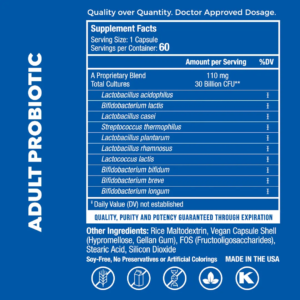
You’re not going to treat PMOS with a probiotic alone. PMOS is a complex, multi-system condition that requires a full medical workup and a personalized treatment plan.
Nevertheless, the gut-hormone axis is real, and there’s a growing body of evidence that a healthy, diverse microbiome supports the metabolic and hormonal processes that go haywire with PMOS.
That’s where a multi-strain probiotic like EndoMune comes in — not as a panacea but as a foundation to build on. EndoMune’s formulation includes multiple Lactobacillus and Bifidobacterium strains that support microbial diversity and gut barrier function.
For women managing insulin resistance, inflammation, or the kind of metabolic disruption associated with PMOS, a consistent probiotic habit is the easiest, evidence-based tools they can add to their care plan.
Think of it as protecting the infrastructure that your body runs on.
What This Rename Means Going Forward
The shift from PCOS to PMOS isn’t just semantic. The researchers who contributed to The Lancet paper hope the new name drives faster diagnoses, better treatment protocols, and more research funding—and there’s precedent for that optimism. When the medical community reframed “juvenile diabetes” as Type 1 diabetes, it sharpened research targets, accelerated funding, and ultimately produced better treatment pathways. A name that accurately describes a condition makes it easier to study, easier to fund, and easier to treat.
For patients, the rename also carries something less tangible but no less important: validation. The women who spent years being told nothing was wrong with them, the women suffering from lists of symptoms, the women who were told to lose weight and their symptoms would disappear—those women now have a name for what they’ve been living with that reflects its scope.
That matters.
The Key Takeaways
PCOS is now PMOS, and that change is more than cosmetic. It reflects what researchers and patients have long known: this is a metabolic condition, a hormonal condition, a whole-body condition, and treating it requires a whole-body approach beginning in the gut.
If you’re living with PMOS, the most important thing you can do is work with a clinician who takes a comprehensive view of your health. A healthy diet, movement, and stress management all support the gut-hormone axis, and so does a quality multi-strain probiotic. EndoMune Advanced Probiotic is formulated specifically for the kind of metabolic and hormonal disruption that defines PMOS, making it one of the most direct things you can add to a comprehensive management plan.
As always, talk with your healthcare provider before adding any supplement to your routine, especially if you’re managing blood pressure, blood sugar, or other conditions related to PMOS.
Sources: – Lancet paper announcing PCOS → PMOS rename: https://www.thelancet.com/journals/lancet/article/PIIS0140-6736(26)00717-8/fulltext