
Your gut is the headquarters of your immune system. The bacteria and other microbes living in your digestive system, known as the microbiota, are constantly communicating with your immune cells, teaching them how to fight germs, tamp down inflammation, and protect your body from allergies and infection. Keeping your microbiota strong and diverse means a healthier immune system and a better you.
That’s old news for anyone doing research about how probiotics can support their immune system. What’s missing from the plethora of most content arguing that probiotic supplementation can help optimize your immune system is: exactly how do probiotic bacteria accomplish that? In other words, how does the engine that ensures your gut health cross over and support your immune system?
Full disclosure – there are a lot of scientific pages that explore how gut health affects immune health available, but doctors and scientists write the content for doctors and scientists. That makes it hard to understand. Hard to digest, pun intended, for nonprofessionals. This blog post discusses how your gut health can boost your immune system as simply as possible.
How Probiotics Improve Immunity – The Basics
What Are Probiotics and How Do Probiotics Improve Immunity?
- Probiotics are living “good” bacteria that, when consumed in the right amounts, help maintain a healthy gut and support a body’s immune defenses.
- Probiotics Improve Immunity in the Following Ways:
- They Refactor The Balance of Bacteria in Your Gut, Crowding Out any Bad Bacteria and Viruses Allowing the Gut to Function at Peak Efficiency.
- They Stimulate Immune Cells, Triggering the Production of Protective Cytokines and Antibodies – Key Elements in a Robust Immune System.
- They Strengthen the Gut Barrier, Making it Harder for Germs to Get Into Your Bloodstream.
- They Reduce Excess Inflammation, Which Helps Prevent Allergies, Asthma, and Autoimmune Issues.
- They Create Short-Chain Fatty Acids (SCFAs), Which are Natural Chemicals That Calm Inflammation and also Feed Your Gut Lining.
What Are Prebiotics and Postbiotics? How do They Support Gut and Immune Health?
- Prebiotics are plant fibers found in foods like bananas, onions, garlic, and whole grains. Your body can’t digest them, but your good gut bacteria can.
- Prebiotics Feed Beneficial Bacteria, So They Multiply and Stay Strong and Reduce the Need for Probiotic Supplements. A Diet Rich in Prebiotics Helps Preserve/Restore Gut Health Naturally.
- They Help Produce More IgA antibodies, which are Key to Effective Immune Responses that Safeguard Your Gut Lining From Infection.
- Prebiotics Lower Inflammation by Strengthening the Gut Barrier.
- Postbiotics are helpful substances produced when probiotics digest prebiotics.
- Postbiotics Include SCFAS, Antimicrobial Compounds, and Immune-Signaling Molecules That Reduce Inflammation and Help Keep The Gut Wall Strong.
- They Also Help Train Your Immune System to React Calmly, Reducing the Risk of Allergy Attacks or Autoimmune Problems.
Best Foods for Gut Health
It’s possible to get optimum gut health by eating a diet rich in prebiotic and probiotic foods and reducing processed foods from your diet as much as possible. It’s not difficult to introduce healthy food from the categories mentioned above. Here are a few examples of healthy foods you can feed your gut today.
- Top Prebiotic Food Sources:
- Garlic
- Onions
- Asparagus
- Bananas
- Whole grains
- Fermented Foods are Natural Probiotics:
- Yogurt (with live cultures)
- Kefir
- Sauerkraut
- Kimchi
- Miso
Single Strain vs. Multi-Strain Probiotics
Although the evidence is clear that most people benefit from taking a multi-strain probiotic, single-strain probiotics play an important role in gut health too. For example, if you’re suffering from a specific gut issue, your doctor might suggest taking a single-strain probiotic supplement, but these cases require specific information about your current microbiome or gut disease. The key takeaway from the single vs. multi-strain versions of probiotic supplements is that more strains are typically better to ensure that your gut flora is as diverse as possible. Below is a chart that shows the difference between single vs. multi-strain probiotics and their impact on gut diversity:

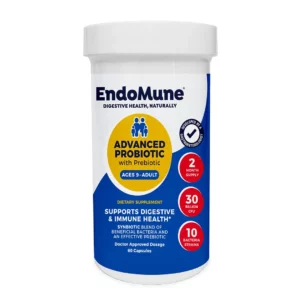
Note: EndoMune Advanced Probiotic Combines 10 Strains Plus Prebiotics For A Full-Spectrum Effect: Supporting Gut Barrier Strength, Modulating Immune Response, And Improving Overall Digestive Health.
How Probiotics Help Against Allergies, Infections, and Inflammation
- How They Reduce Allergy Risks: Probiotics and Prebiotics Help Train Your Immune System to Ignore Harmless Things Like Pollen or Certain Foods, Lowering Your Chance of Allergic Reactions.
- How They Prevent Infections: The Right Gut Microbes Strengthen Mucus and Antibody Defenses in the Gut, Mouth, Nose, and Lungs, Making it Harder for Viruses and Bacteria to Thrive Inside Your Body.
- How They Calm Chronic Inflammation: Probiotics Lower “Bad” Inflammatory Messengers (Like TNF-Α And IL-6) Linked to Autoimmune Diseases, Obesity, and Diabetes.
- Research Shows: Regular Probiotics May Support Recovery From Respiratory Illnesses, Including Colds and Possibly Even COVID-19.
Key Takeaway to Optimize Your Immune Health with Gut Support
Taking care of your gut microbiota by eating a fiber-rich, plant-based diet and supplementing with a high-quality, multi-strain probiotic like EndoMune Advanced Probiotic can make your immune system smarter, stronger, and more balanced. A healthy gut means fewer infections, less inflammation, and a happier, more resilient you.
FAQs About Probiotics, Prebiotics & Immune Health
Q: Can probiotics help with allergies?
A: Yes, by strengthening the gut barrier and improving immune tolerance, probiotics and prebiotics lower the risk and severity of allergies.
Q: What’s the difference between probiotics, prebiotics, and postbiotics?
- Probiotics are live, helpful bacteria that live in your gut.
- Prebiotics are plant fibers that feed good probiotic bacteria.
- Postbiotics are health-boosting compounds made by probiotics when they digest prebiotics.
Q: Are multi-strain probiotics better than single-strain?
A: Multi-strain probiotics, like EndoMune, offer broader support for gut and immune health by delivering several types of beneficial bacteria, improving diversity and full-body resilience.
Q: How often should I take probiotics for immune benefits?
A: Many studies recommend daily use, especially during cold/flu seasons, after antibiotics, or when experiencing digestive issues. Always choose clinically tested and transparent formulas.
References
- Frontiers in Nutrition: “Unveiling the therapeutic symphony of probiotics, prebiotics, and postbiotics in gut-immune harmony” (2024). https://www.frontiersin.org/journals/nutrition/articles/10.3389/fnut.2024.1355542/full
- Probiotics Mechanisms: https://pmc.ncbi.nlm.nih.gov/articles/PMC10972033/
- COVID-19 and Probiotics: https://www.explorationpub.com/Journals/eff/Article/101081