
Free shipping on all orders over $125*

Synbiotic Blend of 10 Beneficial Strains, Developed by Board-Certified Gastroenterologist

Children’s Health

Children’s Health Issues

Breastfeeding feeds your baby’s gut

One of the most important things Moms can do for the health of their newborn babies is to breastfeed them for as long as possible. Breast milk provides an ideal mix of fats, protein and vitamins, nearly all the nutrition your newborn baby needs from the get-go (with the possible exception of vitamin D).

New Moms should breastfeed their babies exclusively for at least six months, and in combination with solid food until age 1 at minimum, according to the American Academy of Pediatrics.

Not only does breastfeeding provides babies the basic nutrition they need, it works to “seed” their developing gut microbiomes with the bacteria, giving them a natural boost to their immune systems that can protect them from disease.

A gut health boost

How much does breastfeeding really help your baby’s gut health? A recent JAMA Pediatrics study led by UCLA researchers tracked the health of 107 Moms and their babies, collecting samples of breast milk, stool samples from infants and skin swabs around the nipple for an entire year to find out.

Scientists learned that breast milk accounts for nearly 30 percent of the beneficial bacteria in a baby’s gut and an extra 10 percent from skin contact with a Mom’s breast.

Plus, the gut microbiomes of babies who were mostly breastfed were a little more diverse compared to infants who were breastfed less.

“We’re appreciating more and more how these bacterial communities, particularly in the intestine, help guard against the bad guys,” says Dr. Grace Aldrovandi, a professor of pediatrics and chief of infectious diseases at UCLA’s Mattel Children’s Hospital, according to a press release.

“We know from animal model systems that if you get good bacteria in your gut early in life, you’re more likely to be healthy.”

What if you can’t breastfeed?

Despite the many benefits breastfeeding provides Moms and their babies, some health conditions require specific prescription drugs — not to forget chemotherapy for cancer treatments — that prevent women from doing it.

Plus, your baby may need an antibiotic to fight common infections, although you’ll want to guard against exposing their growing bodies too often to them.

Moms can still give their babies a gut healthy boost whether they can breastfeed or not with the help of multi-strain probiotics made just for them like EndoMune Kids.

Each dose of EndoMune Kids contains four strains of beneficial bacteria plus a prebiotic that can be easily sprinkled onto foods or added to liquids to protect and enhance their developing gut health.
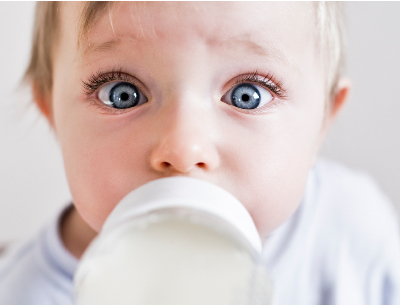
Breastfeeding feeds your baby’s gut Read More »

Colon cancer patients are getting younger

For the longest time, the incidence of colon cancer — the second leading cause of cancer deaths among men and third among women in America — has been confined to older people.

Some 90 percent of all new cases of colon cancer occur in patients age 50 and older, and the average age of diagnosis has been age 72. Until now…

Research by the American Cancer Society has shown a steady uptick in colorectal cancer rates among young and middle-age adults including those in their early 50s, according to a recent report in the Journal of the National Cancer Institute.

By the numbers

Based on a deeper look at the demographics, researchers discovered colon cancer rates had increased by as much as 1-2 percent per year from the mid 1980s to 2013 among adults ages 20-39.

The numbers are even more alarming for rectal cancer, with cases rising about 3 percent annually among adults ages 20-29 (1974-2013) and adults ages 30-39 (1980-2013).

“Our finding that colorectal cancer risk for millennials has escalated back to the level of those born in the late 1800s is very sobering,” said Dr. Rebecca Siegel of the American Cancer Society, according to a press release.

In fact, the trend toward younger colon cancer patients over the past two decades has closed a once wider gap in disease risks and patients in their early 50s compared to those in their late 50s, the study says.

Also, an increase of new cases among patients ranging in age from their 40s to early 50s in 2013 has prompted researchers to suggest starting colorectal cancer screenings for patients at average risk earlier than age 50.

(Due to higher incidences and lower survival rates, the American College of Gastroenterology published guidelines that recommend colon cancer screenings for African-Americans starting at age 45.)

5 ways to prevent colon cancer

No matter how gloomy the stats appear on the surface, the underlying good news here is that it’s pretty easy to reduce your risks of colon cancer if you’re willing to take some simple preventative steps.

  1. Get screened! There are an array of tests at your disposal, from a high-sensitivity fecal occult blood test (FOBT) done annually to the flexible sigmoidoscopy (five years) and colonoscopy (10 years).
  1. Fight the obesity bug with exercise and a healthy diet. Obesity increases your odds of colon and rectal cancer by 30 percent, and higher BMIs elevate those cancer risks among men even more. Instead of trying and failing to conquer obesity with a home run punch, however, many scientists suggest a more measured, steadier approach. In fact, a 2016 study from Washington University concluded the greatest health benefits come from patients losing just 5 percent of their body weight.
  1. Take a supplement. If you’re taking a daily supplement for your good health, make sure it includes the right amount of vitamin D (1,000 IU) and calcium (1,000-1,200 mg), two proven colon cancer fighters.
  1. Reduce your contact with antibiotics and antibacterial soaps. Relying too often on antibiotics not only upsets the healthy balance of bacteria in your gut. Exposure to a common antibiotic like penicillin can increase your risk for colon cancer by promoting a “pro-inflammatory environment” for up to a decade before a diagnosis. Plus, it’s time to give up antibacterial soaps, toothpastes and personal hygiene products that contain triclosan, an endocrine disruptor and antimicrobial compound linked to bacterial resistance.
  1. Take a probiotic. The best step to ensure your continued good health, and protect the healthy balance of bacteria in your gut: Take a multi-strain probiotic like EndoMune Advanced Probiotic or EndoMune Advanced Junior (for your kids).

Colon cancer patients are getting younger Read More »

A Low-fiber Diet may Harm Your Grandkids

Previously, we’ve discussed the benefits related to including more fiber-rich foods in your daily diet, from relieving constipation to protecting your heart.

The downside of avoiding dietary fiber, however, may be worse and more far-reaching than health professionals ever imagined, according to a Stanford University School of Medicine study appearing in a recent issue of Gut Metabolism.

Much is known about the many ways gut bacteria can be depleted from the human gut — too many antibiotics, more C-section births and less breastfeeding — in industrialized societies like our own, says Dr. Erica Sonnenburg, lead author of the Stanford study.

“We asked ourselves whether the huge difference in dietary fiber intake between traditional and modern populations could, alone, account for it.”

In fact, Dr. Erica Sonnenburg, along with many other scientists, now believe the gut health of people in developed countries like our own is an estimated 30 percent less diverse than those living as hunter-gatherers today, due to the disparity in fiber.

Fiber vs. no fiber

Researchers tested their concerns on mice living in a sterile environment, whose guts were populated with human gut bacteria. Then, the mice were split into two groups. One was fed high-fiber, plant-derived food, while the other was fed a similar chow (similar fat, protein and calories) that contained almost no fiber.

Within two weeks, the differences between both groups became very apparent. Among mice consuming low-to-no fiber, many species of gut bacteria disappeared altogether, while others fell by about 75 percent.

Switching back to a healthier, fiber rich diet didn’t solve the problem entirely for the no-fiber mice either, as a third of the bacterial species that inhabited their guts early on were never restored.

About your grandkids…

So, how can a low-fiber diet affect generations of grandkids?

Once a group of these mice were fed and raised on high-fiber foods and allowed to reproduce, scientists discovered the gut health of each successive generation of animals declined sharply.

By the fourth generation, bacterial diversity in the guts of mice had fallen by nearly 75 percent, compared to the first generation. Even worse, at least two-thirds of the bacterial species in the guts of first generation mice were lost for good.

Stanford researchers managed to engineer a happy ending to this study, albeit with caveats. By giving the fourth generation of depleted mice fecal transplants taken from high-fiber diet mice and feeding them high-fiber diets, the diversity and composition of gut bacteria mirrored those of the control mice within 10 days.

Although changes in human DNA are few as generations pass, the same may not be said about our gut microbiomes over time, says Dr. Sonnenburg, in an interview with Science.

Unfortunately, a fecal transplant isn’t a quick fix for health problems either. Based on a recent case study, a woman became overweight after receiving a fecal transplant from her daughter.

One very safe way to maintain and improve the diversity of your gut is to take a daily probiotic like EndoMune Advanced Probiotic that contains multiple strains of beneficial bacteria.

Your children and grandchildren will also benefit by supplementing their health with the multiple strains of Lactobacillus and Bifidobacteria contained in EndoMune Kids.

A Low-fiber Diet may Harm Your Grandkids Read More »

The importance of breastfeeding your baby

There’s no denying newborn babies get a very healthy start in lives when their Moms delivered them naturally and breastfed them for as long as possible. This one-two punch inoculates their tiny gut microbiomes with the bacteria that helps their bodies thrive and fight off diseases naturally.

As we’ve discussed previously, even the best laid plans of parents and their pediatricians change, making a caesarean (C-section) delivery a tough choice but a necessity for some, nonetheless.

Still, Moms have an important say in their young baby’s gut health by choosing to breastfeed, as shown by a pair of recent studies.

C-sections vs. breastfeeding

A Swedish study tracking the development of the infant microbiome by comparing fecal samples from 98 infants reached some of the same problematic conclusions about C-section births as have previous researchers.

For the record, the microbiomes of young babies born vaginally more closely resembled their Moms than those delivered via C-section, according to the study appearing in Cell Host & Microbe.

Although C-section babies receive less microbial help due to their delivery, they still receive some of Mom’s bacteria through direct contact with their skin and mouth.

However, Swedish researchers also found that infant nutrition — making a decision to breastfeed — also drives the development of young microbiomes as they shift to adapt to their new environments.

The big surprise to researchers: How the end of breastfeeding was the key factor in a baby’s shift to an adult-like microbiome, rather than the introduction of solid foods, says lead study author Fredrik Bäckhed of The University of Gothenburg, Sweden.

Bifidobacterium and Lactobacillus, important bacteria young growing babies need, dominated the gut composition of babies who were breastfed at 12 months.

Conversely, the gut microbiomes of babies who were no longer being breastfed were dominated by the Clostridia species prevalent in adults.

How many species of bacteria are found in breast milk?

If Moms needed any more reasons to breastfeed their young babies, Spanish researchers gave them an important one in a 2012 study published by the American Journal of Clinical Nutrition.

DNA sequencing of colostrum (the first liquid secreted by the mammary glands after a woman gives birth) identified more than 700 species of bacteria, far more than expected.

But there are some interesting caveats that may affect the diversity of bacteria a new Mom produces. For one, overweight Moms or women who gained more weight than expected during their pregnancies produced less diverse breast milk.

The kind of delivery also affects the microbial diversity, but not how you might assume, according to the study. As expected, women who delivered their babies naturally had richer breast milk compared to new Moms who had planned a C-section.

However, women who experienced an unplanned C-section delivered breast milk whose composition was bacterially very similar to mothers who gave birth vaginally.

Differences in diversity could be explained by the state of a new Mom’s hormones and physical stress at the time of birth. “The lack of signals of physiological stress, as well as hormonal signals specific to labor, could influence the microbial composition and diversity of breast milk,” according to researchers in a press release.

These results seem to mirror findings in a more recent report about a Mom’s stress levels triggering changes in the ways her baby’s gut health and brain develops.

The good news: Moms can provide their babies a gut healthy boost by giving them a multi-strain probiotic like EndoMune Kids, which contains beneficial strains of Lactobacillus and Bifidobacterium, plus a prebiotic that feeds the good bacteria in their guts.

The importance of breastfeeding your baby Read More »

infant allergies

Reverse infant milk allergies with probiotics

An estimated 2.5 percent of children under age 3 are allergic to cow’s milk. Overall, milk allergies are the most common food allergy for infants and small children, according to Food Allergy Research & Education (FARE).

Cow’s milk allergy symptoms can vary from mild to life-threatening, and should not be confused with lactose intolerance, a condition, while problematic, isn’t fatal.

Most young children eventually outgrow these allergies, according to FARE. Until then, medical experts recommend babies be fed hydrolyzed, casein-based formulas containing altered proteins that are easier and safer for their growing young systems. Moms must keep a vigilant eye on product labels to avoid milk-based ingredients too.

Concerns about milk allergies led scientists from the University of Chicago to find a safer treatment in probiotics, according to a study featured in The ISME Journal.

Researchers tested a probiotic formula containing the proprietary strain Lactobacillus rhamnosus GG (LGG) by analyzing and comparing stool samples taken from healthy infants who consumed the probiotic formula and babies given the formula without the probiotic.

Babies with cow’s milk allergies had significantly different compositions of gut bacteria compared to healthy children, which may have had an influence on their development.

Overall, babies whose bodies responded to the probiotic formula had higher amounts of gut bacteria when compared to children who didn’t, developed a similar tolerance.

This tolerance is connected to specific bacterial strains that produce butyrate, a byproduct of the metabolization of fiber providing nourishment for colon lining cells and linked to cancer-fighting benefits.

“The ability to identify bacterial strains that could be used as novel therapeutics for treating food allergies is a fundamental advance,” said Dr. Jack Gilbert, Associate Professor in the Department of Ecology & Evolution at the University of Chicago and co-author of the study, according to a press release.

Another probiotic formulation containing a proprietary strain of Lactobacillus rhamnosus was also responsible for providing a safe, long-term solution for treating peanut allergies earlier this year.

With all of this attention on probiotics, it may be just a matter of time before scientists test a non-proprietary strain of Lactobacillus rhamnosus like the kind contained in EndoMune Advanced Probiotic and EndoMune Kids to treat food allergies.

Despite the good news about probiotics treating infant food allergies, always consult with your doctor or pediatrician first so they can provide the proper course of action for your child’s specific health condition.

Reverse infant milk allergies with probiotics Read More »

Moms: Stressing out may affect your new baby’s brain, gut health

A number of variables affect the health of newborn babies, from preeclampsia to caesarean (C-section) births, which have a direct connection to a mother’s gut health.

The vaginal microbiota of an expectant mom experiencing stress may be affected during her first trimester. Some emotions could trigger changes in the way her baby’s gut health and brain develop, according to a recent study appearing in the medical journal Endocrinology.

“As the [newborn’s] gut is initially populated by the maternal vaginal microbiota, changes produced by maternal stress can alter this initial microbial population as well as determine many aspects of the host’s immune system that are also established during this early period,” says Dr. Tracy Bale, senior author of the study and a professor of neuroscience at the University of Pennsylvania’s Perelman School of Medicine and its School of Veterinary Medicine, via a press release.

Researchers tested their theory by exposing pregnant mice to various stressors, including unique noises, odors of established predators and restraints, during the animal’s equivalent of their first trimester.

Shortly after giving birth, scientists examined the vaginal microbiota of the mothers along with the gut microbiota from their offspring. Additionally, they examined how amino acids travel in the brains of pups to measure development and metabolism.

Exposure to stressors had lasting effects on the vaginal microbiota of pregnant mice that were observed, not only in the gut microbiota, but in the metabolism and neurodevelopment of their babies too.

Neurodevelopment issues were most pronounced among males, a finding Dr. Bale and her colleagues discovered in a prior study. These alterations could be a sign of serious neurological disorders to come like schizophrenia and autism, conditions that affect males far more often.

Scientists also conducted a supplemental experiment that showed how important it is for moms to deliver their babies vaginally. Baby mice born via C-section had their gut microbiomes restored to those of vaginally-delivered offspring only after receiving transplants from the vaginal microbiomes of female mice.

Despite the challenges new moms face by delivering their babies via C-section, there’s growing evidence that giving newborns a probiotic could enhance their developing gut health and lessen problems with colic.

When shopping for the right probiotic for your young child, consider EndoMune Kids, which contains important building blocks such as Lactobacillus and Bifidobacterium.

Moms: Stressing out may affect your new baby’s brain, gut health Read More »

Poor gut health may be responsible for the terrible toddler twos

Your toddler’s unique gut microbiome may contribute to those mood swings associated with the “terrible twos.”

There may be more going on besides fussy behavior, according to researchers at Ohio State University’s Center for Clinical and Translational Science.

Those mood swings may provide indicators for early stages of chronic diseases, like allergies, asthma, bowel disease and even obesity, according to a recent study appearing in the journal Brain, Behavior, and Immunity.

Evidence has shown that intestinal bacteria interact with stress hormones, the very same ones linked to chronic illnesses like obesity and asthma, says Dr. Lisa Christian, a researcher with Ohio State’s Institute for Behavioral Medicine Research.

“A toddler’s temperament gives us a good idea of how they react to stress. This information combined with an analysis of their gut microbiome could ultimately help us identify opportunities to prevent chronic health issues earlier,” Dr. Christian explained.

Based on an analysis of 77 stool samples taken from young boys and girls ages 18-27 months old, there were signs of activity in the gut-brain axis, says Dr. Michael Bailey, study co-author, microbiologist and member of the Institute for Behavioral Medicine Research.

“There is definitely communication between the bacteria in the gut and the brain, but we don’t know which one starts the conversation.”

No matter which side “started the conversation,” evidence appears to link young temperaments to the amount and diversity of gut bacteria, even after taking into account their diets, the mother’s birthing method and whether or not they were breast fed.

Matching gut bacteria to behaviors

Mothers were asked to assess their child’s behaviors using questionnaires that gauged 18 specific traits that fed into specific scales of emotional reactivity.

Based on those reports, researchers analyzed the different genetic types and quantities of gut bacteria in those stool samples (along with diets).

With improvements in DNA testing, which enable scientists to spot individual bacteria and concentrations in stool samples, “All of the predominant bacteria we found in our study have been previously linked to either changes in behavior or immune responses,” says Dr. Bailey, according to a press release.

Girls vs. boys

Generally, children who had the most genetically diverse gut bacteria more often displayed the behaviors connected with positive mood, impulsivity, sociability and curiosity.

Scientists have also been able to link extroverted personality traits in boys to an abundance of gut microbes from specific families (Ruminococcaceae and Rikenellaceae) and genera (Parabacteroides and Dialister).

“It’s possible that more outgoing kids could experience less trouble due to fewer stress hormones in their guts than those who are shy. Healthy guts regulate the production of stress hormones better or it could be a bit of both,” Dr. Bailey says.

The links between gut bacteria and temperament were less consistent in girls according to the study. Still, scientists linked some traits in girls — focused attention, self-restraint and cuddliness — to a less diverse microbiome.

Also, girls who had more of one particular family of gut bacteria (Rikenellaceae) experienced more fear than others with better balance in their gut health.

What makes a real difference?

Although researchers concluded diets didn’t make a difference in the behaviors and gut health of the toddlers they examined, they left room for the possibility that they could.

“It is certainly possible that the types or quantities of food that children with different temperaments choose to eat affect their microbiome,” says Dr. Christian.

Despite the findings in this study, evidence points to the method of birth — vaginal delivery versus caesarean — being a huge factor. Babies born via C-section had less gut diversity than those who were born naturally.

What’s more, the growing immune systems of small children aren’t nearly as prepared for challenges to come if they don’t have the right balance of gut bacteria. That’s where probiotics can help your child, whether he or she is a newborn, toddler or school age child.

That’s why EndoMune Kids now comes into two varieties: a powdered formula, ideal for mixing into food or drinks and a delicious chewable berry-flavored tablet that will leave them wanting more.

Each dose of EndoMune Kids contains 10 billion CFUs, including four species of proven health-promoting bacteria, and a prebiotic that feeds the good bacteria already in your child’s gut.

Poor gut health may be responsible for the terrible toddler twos Read More »

The gut health mix of young babies may signal food allergies, asthma

The lack of diversity in the gut is a clear sign there are health problems looming, as we’ve seen in recent reports linked to obesity and heartburn drugs. Unfortunately, that reprogramming of human gut diversity may start much earlier, during the very early stages of childhood development before birth due to early exposure to antibiotics.

New research from Canadian scientists at the University of Alberta and University of Manitoba published in Clinical & Experimental Allergy has discovered that the lack of gut diversity among babies as young as three months old, may be a warning sign about the early development of asthma or food allergies.

Gut diversity matters

Researchers examined data collected from 166 infants enrolled in the Canadian Healthy Infant Longitudinal Development (CHILD) study. This ambitious study is closely monitoring the health of more than 3,500 families and their newborn infants to provide more knowledge about the genetic and home environmental factors that trigger asthma and allergies.

Scientists used DNA techniques to classify the good bacteria in stool samples taken at three months and age one, then identified which bacteria were present when food allergies began to emerge later in life (based on a skin reaction test to foods).

Overall, only a dozen babies experienced sensitivities to foods. No surprise, infants with less diversity of specific types of gut bacteria—Enterobacteriaceae (too much) and Ruminococcaceae and Bacteroidaceae (not enough)—at three months were more likely to develop allergies to peanuts, eggs and other foods by the time they reached age one.

“It is something that one can measure which indicates increased risk of food sensitization by one year of age,” said Dr. Anita Kozyrskyj, professor in the Department of Pediatrics at the University of Alberta and senior author of the study in a press release.

Scientists hope to expand the sample size as data comes from other Canadian cities to some 2,500 children across the country, tracking them as they grow up, then re-examining the findings again at ages three and five.

Protect your baby’s gut health

The good news: Protecting and improving the diversity of your baby’s gut health can be as safe and convenient as giving him/her a probiotic like EndoMune Advanced Junior, made from four different strains of beneficial bacteria plus the prebiotic fructooligosaccharide.

Each dose of Endomune Advanced Junior features 10 billion CFUs of good bacteria and contains no artificial colorings, dairy products, preservatives or sugar and is certified Kosher and gluten-free.

The gut health mix of young babies may signal food allergies, asthma Read More »

A healthy gut protects your newborn’s brain

When discussing the gut and the brain, typically the conversation turns to the gut-brain axis, the connection that ties your brain and emotions to your intestines.

A recent study on mice conducted by researchers in Sweden, Singapore and the U.S. has discovered another connection between the gut and brain, but this one guards the brain from damaging chemicals in the blood, even before birth.

This relationship is related to the blood-brain barrier, a semi-permeable “network” of blood vessels that separates the brain from the body’s circulatory system and protects the central nervous system from toxins, blood-borne infections and other harmful substances while maintaining stability and regulating the movement of essential molecules.

Scientists found this link by comparing the development of the blood-brain barriers of two sets of mice. One group of germ-free mice was raised in a sterile environment away from bacterial contact, while the other group was exposed to typical bacteria in a “normal” environment.

Normal vs. Sterile Environments

The results of this study aren’t surprising if you recall our recent posts about the quest for too much cleanliness via the hygiene hypothesis, causing so many health problems.

The differences between both sets of mice started before birth. The gut health of mothers raised in a normal environment protected the brains of mice before they were born by blocking labeled antibodies from circulating into brain tissues. Conversely, those same-labeled chemicals “leaked” into the brains of pups from germ-free mothers.

Also, the leakiness of the blood-brain barrier among germ-free mice continued as they aged from babies to adulthood. While the exact process is still being identified, researchers determined tight junction proteins (important to the permeability of the blood-brain barrier) changed structurally and acted differently in the absence of bacteria.

“These findings further underscore the importance of the maternal microbes during early life and that our bacteria are an integrated component of our body physiology,” says Prof. Sven Pettersson, the principal investigator at the Department of Microbiology, Tumor and Cell Biology at the Karolinska Institute in a press release.

“Given that the microbiome composition and diversity change over time, it is tempting to speculate that the blood-brain barrier integrity also may fluctuate depending on the microbiome. This knowledge may be used to develop new ways for opening the blood-brain barrier to increase the efficacy of the brain cancer drugs and for the design of treatment regimes that strengthens the integrity of the blood-brain barrier.”

Protecting C-Section Babies

In the human world, babies delivered via a caesarean (C-section) have serious health problems like those young germ-free mice from the beginning of their young lives due to a lack of diversity in their gut microbiomes.

This gut health challenge puts babies at a higher risk for many health problems down the road, ranging from allergies and obesity to diabetes and irritable bowel syndrome (IBS).

A safe, simple, non-drug solution that protects and enhances the diversity of your baby’s gut health and lessens prolonged crying and discomfort due to colic and other digestive problems: Give them a multi-species probiotic, like EndoMune Advanced Junior (for kids).

Read about the latest research on the gut-brain axis on this 2025 blog.

A healthy gut protects your newborn’s brain Read More »

Moms: Are you limiting your baby’s exposure to antibiotics?

When taken too often, antibiotics are harmful to gut health. Medical evidence proving such damaging effects has grown significantly over the past year.

The main hazards linked to taking too many rounds of antibiotics have centered on a growing vulnerability to Clostridium difficile (C. diff) infections and obesity in adults.

Unfortunately, the harm antibiotics do to human health may start much earlier, during the early stages of childhood development—even before your baby is born—and may last for a lifetime, according to a pair of recent studies.

Reprogramming your baby’s gut health with antibiotics

Researchers at NYU’s Langone Medical Center studied the effect low doses of penicillin given over a lifetime would have on the health of mice in a study published in the medical journal Cell.

The big picture conclusion: Starting in the last week of pregnancy or during nursing, mice given low doses of penicillin were more vulnerable to metabolic abnormalities including obesity than animals exposed to antibiotics later in their lives.

In the main experiment, researchers compared the effect of penicillin on three groups of rodents: Two groups received penicillin—one before birth and the other later after weaning—then for the remainder of their short lives, while a third control group was given no antibiotics at all.

Both groups of mice that were fed penicillin had higher amounts of fat on their little bodies than the control group, but the womb group was the fattest, providing solid proof that mice were “more metabolically vulnerable if they get antibiotics earlier in life,” says Dr. Laura Cox, lead author of the study.

Not only did penicillin-treated mice carry twice as much fat compared those fed only high-fat food, but their bodies also showed signs of metabolic disorders.

Do antibiotics lessen the amount of gut bacteria? Not necessarily…

Scientists took another important step by transferring gut bacteria from penicillin-treated mice and those not given the antibiotic to antibiotic- and germ-free mice shortly after the time they would be weaned (three weeks old).

Mice given gut bacteria from donors treated with antibiotics were fatter than those treated with antibiotic-free gut bacteria.

Another interesting discovery made by NYC researchers during their study may have overturned a long-standing belief that antibiotics (at least penicillin) reduces the amount of gut bacteria contained in the body.

As a whole, gut bacteria didn’t decrease, but four very important strains did: Allobaculum, Candidatus, Arthromitus, member of the Rikenellaceae family and the very popular Lactobacillus (one of the key bacteria ingredients in EndoMune Advanced Probiotic).

These results reaffirm the work conducted by one of the most popular researchers in the field of gut health research, Dr. Martin Blaser, director of the NYU Human Microbiome Program and author of the book, Missing Microbes: How the Overuse of Antibiotics is Fueling Our Modern Plagues.

More evidence broad-spectrum antibiotics may trigger obesity

A more recent study appearing in JAMA Pediatrics gets to the heart of the problem: Health problems occur when exposing babies under age 2 and up to age 5 to broad-spectrum antibiotics.

Using electronic records spanning 2001-13 from a network of primary health clinics, scientists tracked the health of more than 64,000 children from birth to age 5. The numbers speak volumes:

  • Nearly 70 percent of all children were exposed to antibiotics more than twice on average before they reached age 2.
  • Young children who were exposed to all antibiotics or broad-spectrum antibiotics four or more times had a greater risk of obesity.
  • The prevalence of obesity or being overweight increased over time from 23 percent at age 2 to 33 percent at age 4.

One additional factoid from the study that’s worth noting: No link was found between obesity and prescribing children narrow-spectrum antibiotics, medicines that treat a more select group of bacterial types, according to the Alliance for the Prudent Use of Antibiotics (APUA).

However, broad-spectrum antibiotics can handle a greater number of bacterial types and are often prescribed to treat a wider variety of infectious diseases or when the source of the infection is unknown, according to APUA. Varieties of broad-spectrum antibiotics include some synthetic penicillins, quinolones and aminoglycosides.

Because infants are so very vulnerable to antibiotics, especially soon after they’re born, it’s important for moms to work with their family pediatricians to ensure their babies get the healthy start they need to avoid metabolic problems that could lead to lifelong ailments like obesity.

The good news: A multi-species probiotic like EndoMune Advanced Junior can give your baby’s health a much-needed boost by protecting the diversity of beneficial bacteria in their gut and strengthening their tiny but growing immune systems.

Moms: Are you limiting your baby’s exposure to antibiotics? Read More »

Scroll to Top