How Probiotics Support Mental and Cognitive Health
When most people hear “probiotics,” they think about digestive health. But did you know your gut does much more than help you digest pizza or salad? Scientists now know that your gut and brain are in constant communication, and the right probiotics can make a big difference for your mood and ability to think clearly—no matter your age.
The Gut-Brain Axis: Your Body’s Secret Communication Superhighway
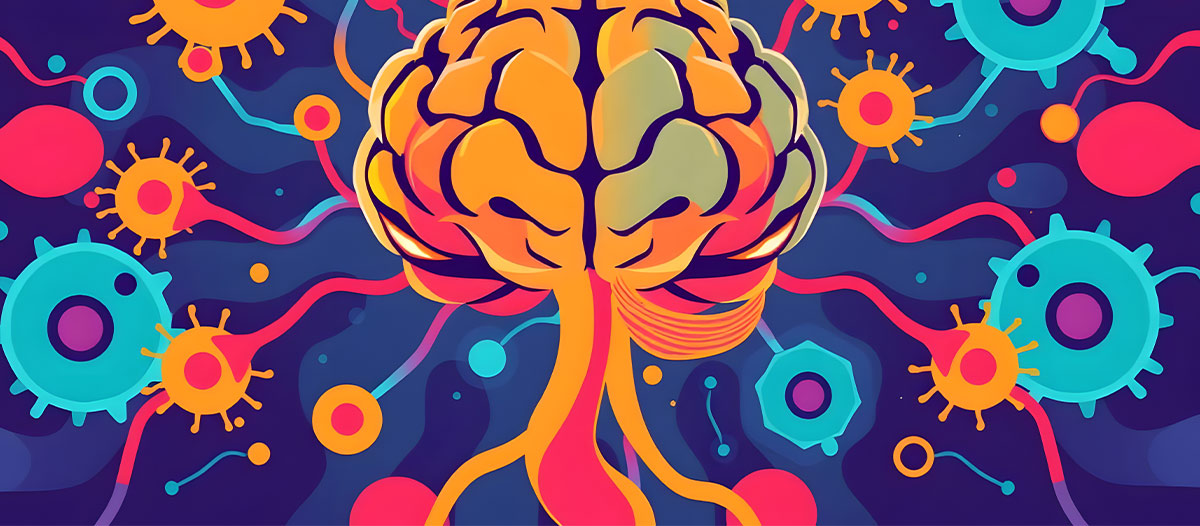
Your gut and brain are connected by a network called the gut-brain axis. Think of it like a super-fast messaging app between your stomach and mind. The “texts” they send travel through:
- Nerves: The vagus nerve runs from your gut up to your brain, passing along important signals from your gut/digestive symptoms to your brain.
- Chemicals: Your gut also uses neurotransmitters, like serotonin and dopamine, the brain’s happy messengers, to talk directly to your brain.
- Immune Signals: Gut bacteria help control inflammation, which can protect your brain by ensuring the pathways described above maintain their peak performance.
When your gut bacteria, also called your “microbiome,” are healthy, it boosts both your brain and mood. When your microbiome is out of balance, it affects how well you process stress, remember things, or handle anxiety. Clearly, if you’re under stress or suffering from anxiety, it’s important to keep your gut-brain axis as healthy as possible.
How Probiotics Influence Your Mind and Mood
Probiotics are the “good microbes” that live in your gut and come from either probiotic supplements or gut-friendly foods like yogurt and fermented foods like kombucha. Research shows that probiotic bacteria help your mental health by:
- Calming Stress: Probiotics can lower stress hormone levels (like cortisol) and send relaxing signals to your brain.
- Boosting Mood: By helping your gut make more serotonin, probiotics are shown to help reduce symptoms of depression and anxiety.
- Improve Focus and Memory: Recent clinical studies, especially those using multi-strain probiotics, found improved reaction time, sharper thinking, and better executive function by enhancing your brain’s command center for decision-making.
Neuroimaging research (think: brain scans) has shown that taking probiotic supplements doesn’t just help your gut; they actually change how your brain works!
In fact, studies show that people who take probiotics regularly have:
- Stronger Connections In Regions of the Brain Linked to Maintaining Focus
- Reduced Activity In Areas That Lead to Negative Thoughts Or Feeling Distracted
- A Boost In Regions of The Brain That Handle Emotion And Stress
What Does the Latest Science Say?
Recent experiments and meta-analyzes have found that regular probiotic use can:
- Decrease Anxiety And Depression Scores on Mental Health Tests
- Reduced Physical Stress Responses – Like a Racing Heart When Nervous
- Help With Emotional Balance and Sharper Thinking, Even Under Pressure
One review from 2024 used brain scans to show that probiotics increase brain connectivity in networks that help you stay calm and collected, especially when you’re feeling overwhelmed. This means probiotics really help your brain handle stress better.
Myth Busting
There is a lot of misinformation out there about gut health, gut diseases, and probiotics. Especially probiotic supplements. Don’t fall for these common misconceptions:
- “Probiotics are Only for Digestion.” This is False! Probiotics Have Direct Impacts on Your Mood And Cognitive Function via the Gut-Brain Axis.
- “All Probiotics Are The Same.” Not True. Multi-Strain Probiotics (Using Different Bacteria) Offer The Biggest Mental Benefits According to Recent Peer-Reviewed Studies.
- “You’ll Feel Changes Overnight.” This is Another Misconception. Perceptual Mind and Mood Benefits Typically Emerge/Appear After A Few Weeks Of Regular Use.
The Key is regular use. If you take intermittent doses of probiotics, either through eating a healthy diet without processed food or through probiotic supplementation, your results will be reduced.
Simple Definitions
- Gut Microbiome: The Collection of Good and Bad Bacteria Living Inside Your Digestive System.
- Probiotics: Good Bacteria, Often Found In Healthy Foods, or in Probiotic Supplements, That Help Your Gut and Brain Function Better.
- Neurotransmitters: Chemicals Like Serotonin and Dopamine That Pass Signals Between Your Gut and Brain.
- Executive Function: Your Brain’s Ability to Plan, Focus, Remember, and Make Decisions.
- Serotonin: A Chemical In Your Body Associated With Calmness, Focus, and Well-Being. It Also Plays a Significant Role in Digestive Functions, Appetite, and Sleep.
- Dopamine: A Chemical In Your Body Linked to the Brain’s Reward System, Motivation, Pleasure, and Motor Control.
Everyday Tips for a Healthier Gut-Brain Connection
Here’s how to boost your gut-brain health today:
- Eat More Fiber-Rich Foods – Veggies, Fruits, and Whole Grains are Your Gut’s Favorite Food and Diets Rich with Fiber Reduce the Need For Probiotic Supplements.
- Try a Quality Multi-Strain Probiotic. Products like EndoMune Advanced Probiotics are Formulated Specifically to Support Both Gut and Mental Wellness.
- Limit Sugary Drinks and Processed Snacks, Which Feed Bad Bacteria and Hurt Gut Health.
- Manage Stress Through Activities You Enjoy – Music, Sports, or Quality Time with Friends Help Your Mind Reduce Stress and Anxiety.
- Get Plenty of Sleep. Your Gut And Brain Both Need Rest to Perform at Peak Efficiency.
Key Takeaway: Take Charge of Your Brain—From the Inside Out
With new scientific research showing how important the gut-brain axis is to your mental health and mood, repairing or enhancing your gut health could be the key to thinking faster, feeling better, and staying resilient in tough times – without drugs or other medication. A simple daily addition like a multi-strain probiotic could help unlock both a healthier gut and a happier mind.
References
- “What Is the Gut-Brain Connection?”, Cleveland Clinic: https://my.clevelandclinic.org/health/body/the-gut-brain-connectionclevelandclinic
- “The gut-brain connection: What the science says”, Stanford Medicine: https://med.stanford.edu/news/insights/2025/03/gut-brain-connection-long-covid-anxiety-parkinsons.html
- “4 Fast Facts about the Gut-Brain Connection”, NCCIH: https://www.nccih.nih.gov/news/events/4-fast-facts-about-the-gutbrain-connection
- “Probiotics as modulators of gut-brain axis for cognitive development”, Frontiers in Pharmacology: https://www.frontiersin.org/journals/pharmacology/articles/10.3389/fphar.2024.1348297/full
- “From gut to brain: unveiling probiotic effects through a neuroimaging perspective”, Frontiers in Nutrition: https://www.frontiersin.org/journals/nutrition/articles/10.3389/fnut.2024.1446854/full
- “Probiotics reduce negative mood over time: the value of daily self-assessment”, Nature: https://www.nature.com/articles/s44184-025-00123-z
- “Gut–sleep–brain axis: Probiotics may improve sleep & mood”, NutraIngredients: https://www.nutraingredients.com/Article/2025/07/23/gutsleepbrain-axis-probiotics-may-improve-sleep-mood