Free shipping on all orders over $125*

Synbiotic Blend of 10 Beneficial Strains, Developed by Board-Certified Gastroenterologist

Digestive Health

Digestive Health related factors related to maintaining a healthy gut.

Could your gut be training your body to yo-yo diet?

Losing weight isn’t easy. It takes a lot of consistent effort in many areas — exercise, food choices, portion control, sleep, self-esteem are just a few — to do it the safe and right way.

Sadly, life often gets in the way and not every weight loss effort goes as planned. Sometimes, this can lead to weight cycling, better known as yo-yo dieting.

Although there’s no general consensus among medical experts whether repeatedly losing and regaining weight is bad, there are health consequences associated with yo-yo dieting, like coronary issues, extra stress and a slower metabolism.

A recent series of tests by a team of Israeli researchers pinpointed a potential cause for yo-yo dieting in a study appearing in Nature: A gut microbiome that changes when weight is lost, then exposed to high-fat foods again.


The experiments

As scientists studied mice, they discovered an important constant with yo-yo dieting: After one cycle of gaining and losing weight, every bodily system in their test subjects reverted to normal except for their microbiomes. For some six months after their weight loss, mice retained an “obese” microbiome.

“This persistent microbiome accelerated the regaining of weight when the mice were put back on a high-calorie diet or ate regular food in excessive amounts,” said lead researcher Dr. Eran Elinav of the Weizman Institute of Science in a press release.

No surprise, when researchers transplanted gut bacteria from obese mice into germ-free mice, they began to gain weight too when fed high-fat foods.

It was only when scientists bombarded obese mice with broad-spectrum antibiotics or gave them fecal samples from mice that had never been obese that the cycle stopped.

Those treatments may work for mice, but for humans, antibiotics have been a known enemy of gut health for a very long time and fecal transplants have unintended consequences that may do more harm than good.

However, scientists identified a pair of flavonoids, a diverse family of natural chemicals found in nearly all fruits and vegetables, that were in short supply among obese mice that would improve fat-burning.

When mice were fed flavonoids in their drinking water, their little bodies readjusted and didn’t experience accelerated weight gains, even when fed high-calorie diets.


Targeting the gut

Whether extra flavonoids will work on the guts of humans to prevent yo-yo weight gains is anyone’s guess. However, there’s one critical aspect of gut health that the Israeli study didn’t investigate.

Microbial diversity in the gut plays a vital role in protecting humans from all kinds of health issues, not to mention obesity. Unfortunately, our go-go-go lifestyles can make it difficult to eat at the right times, get enough exercise or follow a consistent sleep schedule.

That’s when taking a quality probiotic made with multiple strains of beneficial bacteria like EndoMune Advanced Probiotic can make a big impact in protecting your health.

Could your gut be training your body to yo-yo diet? Read More »

A diverse gut protects your health during immunotherapy treatments for cancer

For many cancer patients, undergoing chemotherapy or radiation are often a necessity, but they come with lots of risks depending on the severity and length of treatments.

Rather than bombarding tumors with chemo and radiation, however, some patients and their teams of doctors are choosing other cancer-fighting approaches like immunotherapy that work far differently.

Immunotherapy focuses on treating your body’s immune system to fight cancer either by supercharging a patient’s immune system or teaching his/her body how to spot cancer cells and eradicate them. Also, in some cases, immunotherapy can aid in a cancer patient’s recovery long after treatments have ended.

But not everyone responds well to immunotherapy, which has researchers scrambling for answers.

Over the years, cancer researchers have learned how good gut health plays a critical role in protecting cancer patients during chemo treatments.

A diverse gut microbiome may also be very important in how well the human body handles certain forms of immunotherapy, according to a study presented at a recent symposium sponsored by American Society of Clinical Oncology.

A team of researchers, led by senior study author Dr. Jennifer Wargo from the University of Texas MD Anderson Cancer Center, studied the connections between a healthy gut and the benefits of immunotherapy by examining fecal and oral bacteria samples taken from more than 200 patients fighting metastatic melanoma, an advanced form of skin cancer.

Ninety-three patients received an anti-PD1 immune drug that blocked a pathway protecting tumor cells from a patient’s immune system equipped to fight it.

From that smaller group, scientists studied fecal samples provided by 30 patients who responded to immunotherapy and 13 more who didn’t.

No surprise, patients who responded to the anti-PD1 drug had greater diversity of gut bacteria and for a specific type of bacteria (Ruminococcaceae). Plus, an examination of their tumors uncovered a greater number of cancer-fighting immune system cells (CD8+T).

On the other hand, patients whose bodies didn’t react to immunotherapy drugs had much lower gut diversity and one specific family of gut bacteria (Bacteriodales).

“Meanwhile, we need concerted research efforts to better understand how the microbiome may influence immune responses, as well as an in depth view on how we can tweak the microbiome so that more patients can benefit from immunotherapy,” said Dr. Wargo, an associate professor of genomic medicine and surgical oncology, according to a press release.

Some of that tweaking may come from changing a patient’s dietary habits or boosting the diversity of their gut by recommending a probiotic, scientists said.

Although taking a probiotic is beneficial for your health, many believe eating a cup of yogurt or taking a cheap supplement containing one or two strains of bacteria is good enough.

The real value of taking a multi-strain probiotic like EndoMune Advanced Probiotic: Ten strains of beneficial bacteria plus the prebiotic FOS provide 20 billion allies that protect your health every day.

A diverse gut protects your health during immunotherapy treatments for cancer Read More »

The gut-brain axis even works between mice and men

The importance of a healthy gut-brain axis — the connection that links your brain, intestines and emotions — is critical to protect your cognitive and physical well-being.

That connection seems pretty clear, considering as much as 90 percent of your body’s serotonin, a chemical neurotransmitter that sends message from one part of your brain to another, may be produced in your gut.

A recent study appearing in Science Translational Medicine takes the gut-brain axis connection to the next level, literally between mice and men, with the help of fecal transplants.

IBS and the gut-brain axis

Curious about the effect irritable bowel syndrome (IBS) has on behavior and intestinal health, researchers from McMaster University and the University of Waterloo took an unconventional approach: Transplanting fecal samples from eight patients suffering from IBS with diarrhea for at least two years and five healthy people into germ-free mice.

Three weeks later, compared to mice that received healthy samples, animals that were given IBS-laced transplants experienced increased gut permeability, low-grade inflammation and faster gastrointestinal transit (how long it takes food to travel from the stomach and through the intestine).

Then, scientists tested anxiety-associated behaviors by measuring the time mice spent in the dark and how long it took them to step down from a platform to explore their environments, according to The Scientist.

Mice that were given fecal samples from human IBS patients who reported anxieties experienced similar emotional difficulties, compared to animals given fecal samples from healthy patients and those with IBS who reported no problems with anxieties.

Probiotics to the rescue

Researcher Dr. Giada De Palma called these findings a landmark “because it moves the field beyond a simple association and toward evidence that changes in the microbiota impact both intestinal and behavioral responses in IBS.”

These results also offer more evidence that human gut health may play a larger role in the range of brain disorders ranging from the emotional (mood or anxieties) to more serious problems, like multiple sclerosis, Parkinson’s disease and autism, according to a press release.

The good news: Scientists believe treatments such as probiotics and prebiotics could be beneficial in treating, not only the physical aspects of IBS but the behavioral issues associated with it too.

Protecting the health of your gut by taking a probiotic like EndoMune Advanced Probiotic is certainly much safer and more effective than taking a drug like mesalazine that merely treats symptoms but not the root cause of IBS: Restoring the balance of beneficial bacteria in the gut.

The gut-brain axis even works between mice and men Read More »

Probiotics Proven to Reduce the Risk of Antibiotic-Associated Diarrhea

Nonadherence to antibiotic treatment due to diarrhea is a common concern among healthcare professionals when treating infection. Probiotics, more researchers are finding, can greatly reduce antibiotic-associated diarrhea (AAD) when taken two hours after the first antibiotic dose.

Several studies support the nutraceutical use of probiotics including two analyses steered by behavioral scientist Susanne Hempel, co-director of Southern California Evidence-Based Practice Center.

In her 2006 meta-analysis, 11,811 participants in 82 randomized, controlled trials who reported experiencing diarrhea while taking antibiotics showed a 42-percent reduced risk with probiotic supplementation. A 2012 clinical review by the same authors noted an increased interest in probiotic intervention as well as evidence of its effectiveness in preventing AAD.

The Journal of the American Medical Association article “Probiotics Revisited,” from a 2014 Medical Letter on Drugs and Therapeutics, further concludes that probiotics such as lactobacillus spp and saccharomyces can help abate AAD with few, if any, adverse effects.

Preventing AAD in Children

Incorporating probiotics is especially beneficial in treating young children who are frequently exposed to respiratory ailments that often lead to bacterial infections. Studies have found that up to 50 percent of children who receive antibiotics for ear infections will develop AAD.

Consider the case of Peter, a 4-year-old preschooler who developed a sore throat and fever that advanced into bronchitis. His pediatrician prescribed an antibiotic, which remedied the cough, but also caused severe diarrhea that resulted in a trip to the emergency room and the diagnosis of AAD.

Brian, an 8-month-old diagnosed with an ear infection, had a different experience. The doctor prescribed an antibiotic, but also recommended adding a probiotic. The infection healed without the occurrence of diarrhea and potentially fatal dehydration.

In fact, a study published by the Cochrane Library in 2015 revealed new evidence supporting the use of probiotics to prevent pediatric AAD. Twenty-three clinical trials in 3,938 newborns to children age 17 compared probiotics, placebo and non-treatment to measure the occurrence of diarrhea resulting from antibiotic use. The study also looked for any harmful side effects attributed to using probiotics for this purpose.

While most controlled studies to date have analyzed lactobacillus, the Cochrane trial also included bacillus spp., bifidobacterium spp., clostridium butyricum, lactobacilli spp., lactococcus spp., leuconostoc cremoris, saccharomyces spp. and streptococcus spp, either alone or combined. The results revealed a much lower incidence of AAD – just eight percent – in the probiotic group compared to 19 percent among control group participants. Adverse side effects attributable to the probiotics were hardly palpable among otherwise healthy children, compared to a host of undesirable events with the placebo, standard care and non-treatment groups that included nausea, gas, bloating and constipation. The authors of the study therefore concluded measurable, moderate-quality benefit to using probiotics in healthy individuals as compared to not.

Choosing a probiotic

Because different bacterial strains provide different benefits, choosing a probiotic containing several cultures that can work symbiotically is how to get rid of diarrhea or aiming to prevent AAD.

EndoMune Advanced Probiotic for adults provides 20 billion probiotic bacteria CFU consisting of ten naturally occurring bacterial strains, plus the boosting prebiotic fructooligosaccharide (FOS). EndoMune Jr. consists of four bacterial strains and provides10 billion CFU.

Probiotics Proven to Reduce the Risk of Antibiotic-Associated Diarrhea Read More »

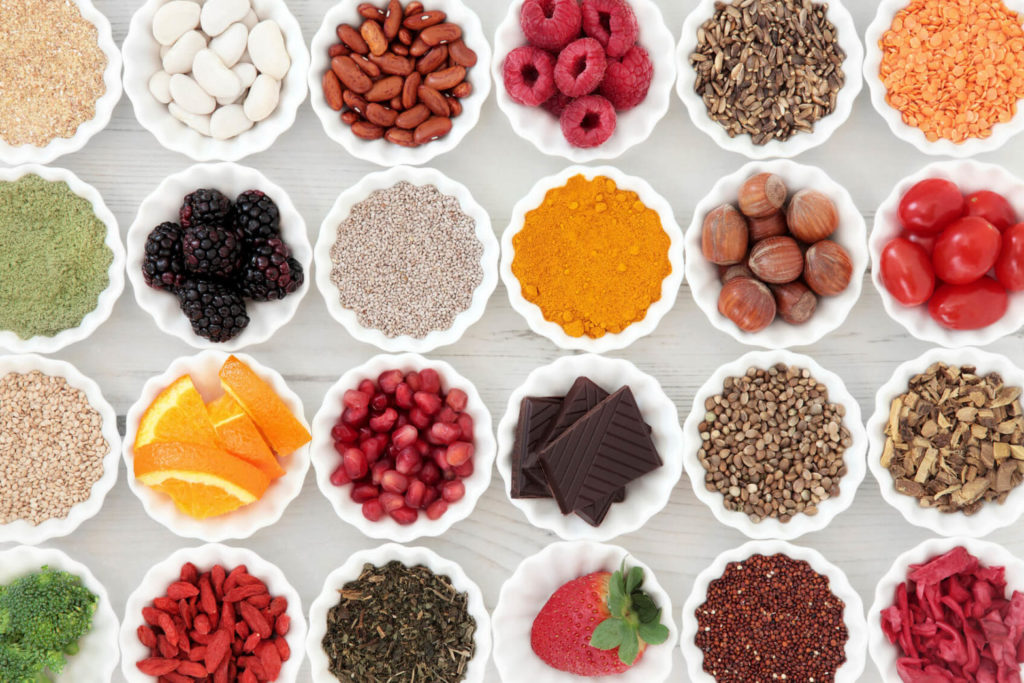
fruits and nuts organized into separate bowls

Mind your gut for a beautiful mind

There is a strong connection between the brain and the gut. Researchers claim there lies a brain in the gut with its own neural network.

The Enteric Nervous System ( ENS ) has a robust system that manages the hormones, emotions, and neurotransmitters, which communicate with the brain. Serotonin, dopamine and gamma-Aminobutyric acid (GABA) are all neurotransmitters that play a role in the intestines and the central nervous system. They can be transmitted to the brain through the blood or the vagus nerve.

There are trillions of gut microbiota residing in the gut that can directly impact our mental state. Sometimes when we are anxious or depressed it can in part be due to an unhealthy balance of the intestinal bacteria (dysbiosis).  Among women who suffer from depression, anxiety and GI difficulties, study results suggest a link to the gut rather than the brain.

5 Ways to Manage a Better Gut for a Better Mind

Managing the gut can result in benefits for the mind, including a better harmony between the gut and mind. Here are five ways that can create that powerful force within your body.

1. Diet

Diet is the core of every change in the body. The proverbial you are what you eat stands true in this case. The fuel you use to energize your body provides the essential nutrients and has a strong effect on every activity in the body.

Certain diets elicit a healthier bacterial balance. A diet rich in whole, unprocessed, unadulterated, and non-genetically modified foods helps to maintain a proper balance of the gut bacteria. Eliminating foods that are processed and choosing fresh and real foods is the key to providing the gut with healthy bacteria.

2. Lower Your Sugar Intake

Sugar brings about a lull in the body. It slows down the body. Sugar and carbohydrates affect the system by nurturing the pathogenic bacteria.

In a recent study, researchers fed a group of mice a diet high in sugar and then tested their mental and physical function. The sugar diet negatively impacted the mice’s gut microbiota, impaired their cognitive flexibility, and ability to efficiently adapt to changing situations. The change in gut bacteria also adversely affected the mice’s long-term and short-term memory.

Sugar affects adaptability. The sugar spike in blood levels makes the body work harder. It also leads to gut inflammation. Consuming less sugar can be beneficial for the gut and the brain.

3. Add a Probiotic

Healthy foods such as lacto fermented kimchi, pickles, sauerkraut, and other traditional vegetables have microbes that have a positive effect on our gut. A common ancestral practice to consume fermented foods rich in probiotics is quite interesting. Healthy fermented foods are filled with probiotics that allow all the healthy fauna to settle in the gut and flourish.

In a 2013 study in Gastroenterology, 12 out of the 25 healthy women ate a cup of yogurt twice a day for four weeks. The rest of the women ingested no yogurt. All women had pre and post brain scans while being asked to respond to a series of images depicting different facial expressions. Results indicated that the women who ate yogurt were calmer when shown various emotions than the control group. The results revealed that the yogurt changed the subjects’ gut microbiota, which also modified their brain chemistry.

Consuming good probiotics are one great way to keep the gut healthy. Alive organisms when ingested in adequate amounts, produces a health benefit in patients suffering from psychiatric illness.”  A review by Dinan et al encompasses the clinical basis for the use of probiotics in mental health with reference to animal studies in which behavioral changes resulted from exposure to bacterial strains such as  Bifidobacterium and Lactobacillus. In placebo-controlled trials in humans, measures of anxiety, chronic fatigue, depression and anxiety are associated with irritable bowel syndrome (IBS). IBS is felt to be due to an imbalance or dysbiosis of the gut microbiota.

Besides foods, a good probiotic supplement with a number of strains can be very helpful for the gut.

4. Exercise Regularly

Exercise releases the good hormones in our bodies. These hormones help to stimulate growth and make us feel happy. All the chemicals and hormones released during exercise benefit the body, and eventually the gut. Regular exercise stimulates better bowel movements and leads to more water consumption. All these affect the gut, keeping it healthy and strong.

Exercise can be the best therapy for a weak gut. So whenever you feel low, experience anxiety or have a stressful meeting coming up, go for a run, hit the gym and take a probiotic like EndoMune Advanced.

5.  Relax and De-stress

A stressful mind releases harmful hormones like cortisol. A rise in cortisol affects the gut making the cholesterol level higher, and even triggers depression.

A relaxed mind can induce hormones that promote relaxation, which also affect the gut. Studies have shown stress puts us at risk for dysbiosis, a shift away from healthy gut diversity.

In a 2015 study from Harvard University affiliates, forty-eight patients with either IBS or Inflammatory Bowel Disease (IBD) took a 9-week session that included meditation training. The results showed reduced pain, improved symptoms, stress reduction, and a decrease in inflammatory processes.

Practicing mindful techniques of relaxing the mind, and breathing more deeply to oxygenate the body lead to a less distressed mind and gut. The best way to develop a beautiful mind is to cultivate a healthy and happy gut.

To learn more about your gut/brain connection, talk to your health care provider and ask if adding a probiotic like EndoMune Advanced Capsules to your daily regimen will help issues likes anxiety and depression.

Mind your gut for a beautiful mind Read More »

You’re probably overdoing heartburn drugs

It’s not a big stretch to say over-the-counter heartburn drugs — proton pump inhibitors (PPIs) like esomeprazole (Nexium), lansoprazole (Prevacid) and omeprazole (Prilosec) — are some of the over-prescribed, overused medications on the consumer market in America.

An estimated 16 percent of patients ages 55-64 took a prescription drug for heartburn over the previous 30 days between 2009-12. This percentage is nearly double the rate from the previous decade (9 percent), according to data collected by the CDC in 2014.

Overall, PPIs ranked third on the CDC list, topped only by cholesterol and cardiovascular drugs.

The bad news: PPIs come with some serious side effects, especially if you take them in high doses over a year or more, including osteoporosis-related fractures and heart attack.

We warned you recently about another serious side effect of overusing heartburn drugs: A disruption of your gut bacteria, leaving it less diverse and more vulnerable to Clostridium difficile (C. diff) infections.

More infections

A pair of studies published nearly at the same time late last year in the health journal Gut confirmed how PPIs harm your gut health.

One study that tracked the health of more than 1,800 British twins discovered how the risk for infections may grow when taking PPIs regularly.

Among the patients being tracked, some 10 percent were already taking a PPI, including 20 percent who had been diagnosed with inflammatory bowel syndrome and 8 percent who were healthy.

Based on an analysis of stool samples, the guts of patients who took heartburn drugs had different strains of bacteria, including those typically found on the skin and mouth, like Streptococcus.

Scientists confirmed these changes when testing the gut bacteria of identical twins and only one was taking a PPI.

In the second study, roughly the same number of patients living in the Netherlands were tested for similar gut health irregularities with PPIs, with their stool samples studied with microbial DNA sequencing.

Not surprisingly, researchers discovered very similar results. Some species of gut bacteria were greatly reduced while others grew exponentially. Also like the previous study, there was more mouth bacteria found in the guts of PPI users.

Overall, researchers estimated 20 percent of their gut bacteria was affected by the use of PPIs.

How to avoid heartburn drugs

Despite these alarming results, some people must take heartburn drugs, but not everyone needs them. In fact, one 2011 study estimated more than half of patients receiving prescriptions for PPIs and some 60 percent who bought them on their own didn’t need PPIs or took them much longer than necessary.

If you’re not prescribed a PPI for heartburn by your doctor, here’s some simple ways to avoid taking one.

  • Do you need to lose weight? Consider dropping a few pounds.
  • Avoid acidic foods along with those that interrupt sleep.
  • Stop smoking.
  • Delay your bedtime by two hours after eating an evening meal.
  • Before bedtime, elevate your pillows slightly to prevent an overnight occurrence of heartburn symptoms.

Should you need to take a heartburn drug, however, some experts believe taking a probiotic at the same time may prevent serious bacterial shifts in your gut health.

If you’re considering a probiotic, think about the diversity of your gut bacteria and look for a multi-species product like EndoMune Advanced Probiotic that treats a wide range of health problems naturally and safely.

You’re probably overdoing heartburn drugs Read More »

Yogurt and your gut health

When people talk to me at seminars about improving their gut health, some say they’re already eating yogurt every day… So why should they take probiotics?

Their confusion is understandable. Big food companies spend a lot of money on studies to show off the healthy value of foods they produce, like this 2013 study published in the journal Gastroenterology funded by Danone Research.

For this small study, scientists tested the effect of a non-fermented yogurt containing four different strains of probiotic bacteria on 36 women (ages 18-55) for four weeks on brain functionality.

Patients were divided into three groups: Women who ate the yogurt with beneficial bacteria twice a day, a plain mixture with no bacteria or nothing at all.

Based on functional magnetic resonance imaging (fMRI) done before and after the four-week period, women who ate the yogurt containing probiotic bacteria experienced a decrease in engagement in parts of their brains when shown a series of frightened or angry faces, then matching these with other faces showing the same emotions.

Also, women who ate the probiotic-laced yogurt experienced greater connectivity with the prefrontal cortex during a resting fMRI. In fact, scientists were surprised to see these effects in many areas of the brain, including sensory processing.

The real benefit of this study was to demonstrate one more time how consuming beneficial probiotic bacteria affects the gut-brain axis — the biological connection linking the gut, emotions and brain as one — in very positive ways.

Why not yogurt?

Still, the looming question — Why isn’t the yogurt you’re eating having the same effect on your gut health and emotions? — remains.

It’s very possible scientists tested a mixture of live bacteria in that non-fermented yogurt. Unfortunately, most brands of yogurt you’ll find at your neighborhood grocery store are made with high-heat pasteurization.

This processing kills harmful bacteria at the expense of introducing new bacteria that may not benefit your health.

Plus, most yogurt brands are made with a problematic list of ingredients (artificial sweeteners, dairy fat or sugar) that can drive obesity.

To derive any gut health benefits from yogurt or other probiotic/fermented foods we reviewed in a recent blog post, you’ll probably need to prepare them, a time-consuming task that requires a lot of time and follow strict food safety guidelines to protect yourself from illness.

The major difference between eating yogurt or fermented foods and taking a daily probiotic is a pretty simple one. With foods, you’re not sure how much beneficial bacteria you’re eating from serving to serving, if any at all.

Taking probiotics, like EndoMune Advanced Probiotic and EndoMune Kids, ensures you’re receiving multiple strains of beneficial bacteria plus prebiotics that feed the good bacteria already living in your gut.

Yogurt and your gut health Read More »

This Diabetes Drug may Benefit your Gut

In the past, we’ve discussed how some drugs — heartburn meds and antibiotics — harm the delicate balance of gut bacteria, making your body more vulnerable to serious health problems.

However, at least one very common drug used by type 2 diabetes patients to control their blood sugar — metformin (Fortamet and Glumetza are brand names) — may work primarily in the gut and be beneficial for gut health, based on findings of recent studies.

In the gut, not the bloodstream

Scientists at the University of North Carolina (UNC) School of Medicine discovered the connection between metformin and gut health, erasing some 60 years of assumptions that the type 2 diabetes drug worked primarily in the bloodstream, according to a Diabetes Care study.

This discovery was critical because some type 2 diabetes patients with kidney issues accumulate too much metformin in their blood, which may leave them vulnerable to other serious problems so they can’t take it.

“These findings create an opportunity to develop a new metformin treatment option for the 40 percent of patients that currently can’t take this first-line drug of choice,” says Dr. John Buse, lead author of the study and director of the Diabetes Care Center at the UNC’s School of Medicine, according to a press release.

Scientists compared the effect of three kinds of metformin — delayed-release (DR), extended-release (XR) and immediate-release (IR) — on healthy patients and those with type 2 diabetes in this two-phase study.

In phase 1 testing on 20 healthy patients, scientists found roughly half as much of the DR version of metformin in their blood compared to IR and XR forms.

Various doses of Metformin DR also performed well in phase 2 testing (comparing it to Metformin XR or a placebo in type 2 diabetes patients), as the potency of the delayed-release version increased by 40 percent.

Improved fatty acid production

A separate study conducted by European and Chinese researchers also observed the positive effects of metformin on the gut health of type 2 diabetics, even over healthy patients, featured in the journal Nature.

The gut microbiomes of type 2 diabetics from Europe and China who took metformin generated more specific kinds of beneficial short-chain fatty acids (butyric acid and propionic acid) that lowered blood sugar levels.

“We weren’t able to show that other types of anti-diabetic drugs had any actual impact on the gut microbiota,” says senior study author Dr. Olaf Borbye Petersen of the University of Copenhagen, according to a press release.

“When studying type 2 diabetes patients not being treated with metformin, we did, however, discover that they — irrespective of whether they were from Denmark, China or Sweden — had fewer of the bacteria which produce the health-promoting short-chain fatty acids.”

But, does this discovery mean the lack of fatty acid-producing bacterial species in the gut contributes to type 2 diabetes? Stay tuned for more research, says Dr. Petersen.

These findings may also explain why metformin patients experience increased flatulence and bloating, as those treated with the drug have more coliform bacteria in their gut.

Could taking a daily probiotic like EndoMune Advanced Probiotic that contains multiple strains of beneficial bacteria also make a difference in the treatment of type 2 diabetes?

Only time will tell…

This Diabetes Drug may Benefit your Gut Read More »

Feeling full? That’s your gut bacteria talking!

It’s the holidays, and you’ve already made two passes through the huge spread of delicious foods your family has made for your special feast with friends and family in the dining room.

While you’re stuffing your face with stuffing, you’re kept a close eye on the dessert table, especially anyone going near your Mom’s once-a-year specialty: Her chocolate crème pie. You know you want a slice, and it’s merely a matter of time before you get it.

After finishing those second helpings, however, that satisfied feeling of fullness, known as satiety, has started to kick in big time, and you’re losing the appetite for that delicious slice of pie…

If you want to blame someone or something for this holiday pie fiasco (besides yourself), look no further than the bacteria in your gut, according to a recent study published in the medical journal Cell Metabolism.

The study offers another interesting twist on the gut-brain axis, the biological connection that links the gut, brain and emotions as one.

It’s known that gut hormones send biological signals to the brain when your body is hungry or full, yet little was known about the process until this study conducted on mice by European researchers.

Overall, scientists discovered after 20 minutes of consuming food — about the same amount of time it takes for humans to feel tired or full after a meal — E. coli bacteria residing in the guts of mice produced different kinds of proteins than before eating.

Injecting mice with small amounts of bacterial proteins created after feeding also lowered of appetites of hungry and free-fed mice too.

More tests of bacterial proteins backed up this association, first by identifying the release of a peptide (YY) linked to satiety, then detecting the production of specific DNA (CipB) in the gut also linked to fullness.

“We now think bacteria physiologically participate in appetite regulation immediately after nutrient provision by multiplying and stimulating the release of satiety hormones from the gut,” says senior author Dr. Serguei Fetissov, according to a press release.

Paying closer attention to satiety is a good thing. Overdoing it on high-fat foods too often can force our gut health to compensate by cutting back on the diversity of bacteria, thus leaving our bodies more vulnerable to disease.

Fortunately, you can protect your gut-brain axis as well as the diversity of bacteria in your gut by taking a probiotic, ideally one like EndoMune Advanced Probiotic that contains multiple strains of beneficial bacteria.

Feeling full? That’s your gut bacteria talking! Read More »

Your gut health balance affects chemo treatments

Your ability to maintain a diverse, thriving gut microbiome by eating the right foods, using antibiotics only when you must and taking a multi-species probiotic ensures it is capable of protecting your overall health even when the worst case scenarios happen.

Like cancer.

A growing number of studies are showing how gut health is an important part in helping chemotherapy and anti-tumor drugs do their job to eradicate cancer.

No gut bacteria, no luck

A pair of studies cited in a 2014 American Cancer Society report compared the effect of specific kinds of cancer therapies — drugs, immunotherapy and platinum chemotherapy — based on its effect on germ-free mice lacking gut bacteria or animals treated with antibiotics.

No surprise, in both studies, these cancer-fighting weapons were much more effective with mice that had good gut health.

The results were most apparent in a study conducted by the French Institute of Health and Medical Research in testing the cancer drug cyclophosphamide.

In this study, researchers discovered cyclophosphamide worked best in healthier bodies because the drug affected the composition of their microbiomes that generates more immune cells and eliminates tumors.

The importance of gut health diversity before chemo

A more recent study, a collaboration by researchers at M.D. Anderson’s Infectious Diseases department and the Alkek Center for Metagenomics and Microbiome Research at Baylor College of Medicine in Houston, shows how gut diversity can be so vital to the health of cancer patients even before they begin induction chemotherapy.

Scientists examined stool and oral samples taken from 34 patients with acute myelogenous leukemia (AML) at three-day intervals during a 26-day course of chemotherapy.

Also, all patients were given antibiotics, no friend to good gut health, at least five times over more than six days. The concern: Physicians treat neutropenic fever, a common problem among AML patients on chemotherapy when body temperatures rise above 100˚, with antibiotics.

Interestingly, a third of the patients who maintained the diversity of their gut health or improved it experienced no infections over a 90-day span. However, 23 of the 34 patients experienced a drop in diversity over the same time and nine suffered from infections.

In fact, lead researcher Dr. Jessica Galloway-Pena of M.D. Anderson says she wants to use the human gut microbiome “as a tool” to spot which patients need extra treatments, or be prescribed a special diet, fecal transplant or probiotics, according to Medscape Medical News.

“I really think it’s not just one (species). I think it’s the community (of species) that strikes a balance. That’s why I’m not that big a proponent of probiotics with one species. I really think it’s going to be a cocktail of species that’s going to improve your outcome,” says Dr. Galloway-Pena in a recent YouTube video about her study.

This provides more evidence that taking a probiotic containing just one species of beneficial bacteria can do some good, but not nearly as much as one that contains multiple strains of beneficial bacteria, like EndoMune Advanced Probiotic and EndoMune Kids.

Your gut health balance affects chemo treatments Read More »

Scroll to Top