Free shipping on all orders over $125*

Synbiotic Blend of 10 Beneficial Strains, Developed by Board-Certified Gastroenterologist

Probiotics

Probiotics, according to a large number of  studies indicate that probiotics help restore and maintain healthy guts leading to overall better health.

Probiotics may treat spinal cord injuries

The results of recent studies of the human gut and how it touches so many different health conditions is just amazing. So much so, scientists have discovered all sorts of new uses for probiotics that few would’ve considered previously.

Innovations ranging from protecting your teeth from thrush to treating burns and other kinds of physical trauma all hinge on the incredible ability of probiotics to provide incredible benefits when the health of the gut is compromised.

One day, probiotics may become a key component in treating spinal cord injuries, based on the findings of research conducted on mice at Ohio State University and featured in the Journal of Experimental Medicine.

Researchers came to this conclusion after studying the health of mice whose guts suffered from dysbiosis (an imbalance between harmful and beneficial bacteria).

Overall, mice that recovered poorly from spinal injuries experienced the most changes in the makeup of their gut microbiomes. What’s more, mice that were pretreated with antibiotics prior to their injuries experienced higher levels of spinal inflammation and reduced functional recovery, according to the study.

To the good, mice that received daily doses of probiotics containing large amounts of lactic acid-producing bacteria experienced less spinal damage, regained more movement in their hind limbs and had healthier gut microbiomes too.

Scientists believe the probiotic mix they fed injured mice triggered regulatory T cells (gut-related immune cells) that may have slowed down inflammation and could have prevented extra damage to the spinal cord after their injuries.

Another possible explanation could be a kind of gut-brain axis link as the bacteria contained in the probiotic may be secreting beneficial chemicals that enhance the growth and functioning of neurons.

“Either or both of these mechanisms could explain how post-injury disruption of the gut microbiome contributes to the pathology of spinal cord injuries and how probiotics block or reverse these effects,” says Dr. Philip Popovich, principle investigator and director of The Center for Brain and Spinal Cord Repair at Ohio State’s Neurological Institute in a press release.

So, what’s next for researchers measuring the value of a healthy gut in treating all kinds of health problems? The sky’s the limit!

You can do your part to protect your health from all kinds of ailments naturally, even those yet to be discovered, by taking a probiotic featuring multiple strains of beneficial bacteria like EndoMune Advanced Probiotic.


Probiotics may treat spinal cord injuries Read More »

Probiotics Proven to Reduce the Risk of Antibiotic-Associated Diarrhea

Nonadherence to antibiotic treatment due to diarrhea is a common concern among healthcare professionals when treating infection. Probiotics, more researchers are finding, can greatly reduce antibiotic-associated diarrhea (AAD) when taken two hours after the first antibiotic dose.

Several studies support the nutraceutical use of probiotics including two analyses steered by behavioral scientist Susanne Hempel, co-director of Southern California Evidence-Based Practice Center.

In her 2006 meta-analysis, 11,811 participants in 82 randomized, controlled trials who reported experiencing diarrhea while taking antibiotics showed a 42-percent reduced risk with probiotic supplementation. A 2012 clinical review by the same authors noted an increased interest in probiotic intervention as well as evidence of its effectiveness in preventing AAD.

The Journal of the American Medical Association article “Probiotics Revisited,” from a 2014 Medical Letter on Drugs and Therapeutics, further concludes that probiotics such as lactobacillus spp and saccharomyces can help abate AAD with few, if any, adverse effects.

Preventing AAD in Children

Incorporating probiotics is especially beneficial in treating young children who are frequently exposed to respiratory ailments that often lead to bacterial infections. Studies have found that up to 50 percent of children who receive antibiotics for ear infections will develop AAD.

Consider the case of Peter, a 4-year-old preschooler who developed a sore throat and fever that advanced into bronchitis. His pediatrician prescribed an antibiotic, which remedied the cough, but also caused severe diarrhea that resulted in a trip to the emergency room and the diagnosis of AAD.

Brian, an 8-month-old diagnosed with an ear infection, had a different experience. The doctor prescribed an antibiotic, but also recommended adding a probiotic. The infection healed without the occurrence of diarrhea and potentially fatal dehydration.

In fact, a study published by the Cochrane Library in 2015 revealed new evidence supporting the use of probiotics to prevent pediatric AAD. Twenty-three clinical trials in 3,938 newborns to children age 17 compared probiotics, placebo and non-treatment to measure the occurrence of diarrhea resulting from antibiotic use. The study also looked for any harmful side effects attributed to using probiotics for this purpose.

While most controlled studies to date have analyzed lactobacillus, the Cochrane trial also included bacillus spp., bifidobacterium spp., clostridium butyricum, lactobacilli spp., lactococcus spp., leuconostoc cremoris, saccharomyces spp. and streptococcus spp, either alone or combined. The results revealed a much lower incidence of AAD – just eight percent – in the probiotic group compared to 19 percent among control group participants. Adverse side effects attributable to the probiotics were hardly palpable among otherwise healthy children, compared to a host of undesirable events with the placebo, standard care and non-treatment groups that included nausea, gas, bloating and constipation. The authors of the study therefore concluded measurable, moderate-quality benefit to using probiotics in healthy individuals as compared to not.

Choosing a probiotic

Because different bacterial strains provide different benefits, choosing a probiotic containing several cultures that can work symbiotically is how to get rid of diarrhea or aiming to prevent AAD.

EndoMune Advanced Probiotic for adults provides 20 billion probiotic bacteria CFU consisting of ten naturally occurring bacterial strains, plus the boosting prebiotic fructooligosaccharide (FOS). EndoMune Jr. consists of four bacterial strains and provides10 billion CFU.

Probiotics Proven to Reduce the Risk of Antibiotic-Associated Diarrhea Read More »

group of people working on a project

Probiotics Improve Workplace Health and Increase Productivity

Probiotic means ‘promoting life,’ and they are life-enhancing supplements that work at your gut level. The live microorganisms of a probiotic benefit the host’s gut by launching healthy bacteria in the gut. Your gut health is closely related to your work life, and plays a significant role in your quality of work and productivity.

There are many cases where employees miss days at work due to infections and diarrhea. In an earlier study in Sweden, it was found that strains of Lactobacillus can “reduce the proportion of subjects reporting sick from gastrointestinal or respiratory tract diseases by 60%. The effect was highly statistically significant and similar to the findings by Weizman et al., where small children in daycare centers had a 70 percent lower frequency of absence when given Lactobacillus as compared with a placebo,” according to ehjournal.

Benefits of a Probiotic

Probiotics help the food move through your gut. Researchers are still trying to figure out which are best for certain health problems. Some common conditions probiotics treat include:

  • Irritable bowel syndrome
  • Inflammatory bowel disease (IBD)
  • Infectious diarrhea (caused by viruses, bacteria, or parasites)
  • Antibiotic-related diarrhea

Research has also shown that probiotics seem to improve other health problems like:

  • Skin conditions like eczema
  • Urinary and vaginal health
  • Preventing allergies and colds
  • Oral health

The use of probiotics can counter-attack these problems by launching the good helpful bacteria in our system. Researchers are always working to find more uses of probiotics and how it can help the human body especially by replacing the harmful bacteria in the gut.

In the workforce, employees are constantly expected to perform up to their optimum levels, and probiotics can turn out to be a boon for keeping productivity levels up by reducing health problems and chances of stomach infection.

Different bacteria have a reputation of causing stomach related diseases. Growing scientific evidence suggests that probiotics can control many health problems and benefit the body.

An estimated 100 trillion microorganisms representing more than 500 different species inhabit every normal, healthy bowel. Gut-dwelling bacteria keep pathogens (harmful microorganisms) in check, aid digestion, and nutrient absorption, and contribute to immune function.

Higher immunity means lesser cases and bouts of sickness at the workplace. A regular dose of probiotics means a happy gut and increased productivity. When you start a dose of probiotics, ensure you choose a good probiotic with the right amount of probiotic strains. The more varied the bacteria, the better the probiotic supplement.

Probiotic Strains

While probiotic cultures naturally occur in certain fermented foods, these foods won’t have the same effect of taking a multispecies probiotic like EndoMune Advanced. Additionally, EndoMune is one of the few probiotics to contain a prebiotic, which acts as a fuel source for the probiotic. Overall, adding a daily multispecies probiotic that contains a prebiotic has been shown to be more efficacious in improving gut and systemic health.

To find the relief you’ve been looking for, talk to your doctor about adding a probiotic like EndoMune to your daily regimen for help in aiding gut-related health issues.

Probiotics Improve Workplace Health and Increase Productivity Read More »

Probiotics may lower the risk for heart disease? Research says, ‘yes’!

Every year nearly 735,000 Americans have a heart attack. Of these, 525,000 are a first heart attack and 210,000 happen in people who have already had a heart attack. While these numbers are staggering, the first step towards fighting cardiovascular problems and lowering cholesterol levels starts with a living a healthy lifestyle that includes a balanced diet, daily exercise along with adding a probiotic supplement.

Further research and studies conducted on probiotics show that gut health can be related to the heart. A healthy gut with a rich flora of life-supporting bacteria can mean the prevention of many health issues, even preventing and treating heart ailments.

Research shows probiotics can lower the risk for cardiovascular disease by limiting two risk factors:

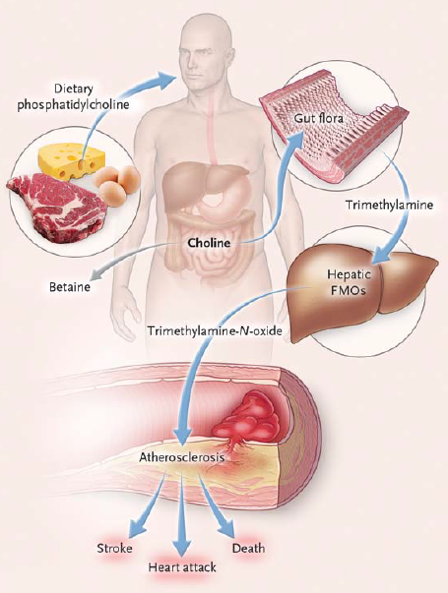
A new Cleveland Clinic study links a particular type of metabolite called Trimethylamine (TMA) N-oxide or TMAO as a recently discovered independent risk factor for coronary artery disease and strokes. This chemical interacts with the lining of our arteries leading cholesterol plaques. Harmful intestinal bacteria breakdown a chemical called choline that is in egg yolk, liver, beef, and pork. The breakdown metabolite called TMA is converted by the liver into TMAO.

TMAO: The New Culprit

High plasma levels of TMAO correlated with an increased risk of major adverse cardiovascular events that is independent of traditional risk factors like hypercholesterolemia (high cholesterol), smoking and hypertension. The authors of the study recommend limiting the intake of the choline containing foods and adding a beneficial probiotic that will reduce the harmful bacteria that metabolize choline. “This is a very exciting study,” said Dr. Crandall. “It gives us a brand new way of looking at heart disease. It also opens an avenue for new tests and treatments.”

The discovery of the heart disease-causing bacteria might explain why about half of those who die of sudden heart attacks have no known risk factors for heart disease, like high blood pressure, cholesterol or diabetes, he noted.

Lowering circulating blood total cholesterol and LDL cholesterol (bad cholesterol)

In another study from the American Heart Association, researchers tracked cholesterol esters bound to saturated fat, which has been linked to dangerous arterial plaque buildup and occurs at higher levels in coronary artery disease in patients.

The study involved 127 adult patients with high cholesterol. About half the participants took a probiotic called Lactobacillus reuteri NCIMB 30242 twice a day while the other half of the group were given placebo capsules. Those taking the probiotic had LDL levels 11.6 percent lower than those on placebo after nine weeks. Furthermore, cholesterol esters were reduced by 6.3 percent and cholesterol ester saturated fatty acids by 8.8 percent, compared with the placebo group.

Scientists have proposed that Lactobacillus bacteria alone may impact cholesterol levels in several ways, including breaking apart molecules known as bile salts which results in lower production of cholesterol by the liver.

If you are struggling with cholesterol-related health problems or are on a weight loss program that isn’t working for you, consider meeting with your medical practitioner and adding a high quality probiotic like EndoMune to lessen risk factors for cardiovascular disease.

Probiotics may lower the risk for heart disease? Research says, ‘yes’! Read More »

infant allergies

Reverse infant milk allergies with probiotics

An estimated 2.5 percent of children under age 3 are allergic to cow’s milk. Overall, milk allergies are the most common food allergy for infants and small children, according to Food Allergy Research & Education (FARE).

Cow’s milk allergy symptoms can vary from mild to life-threatening, and should not be confused with lactose intolerance, a condition, while problematic, isn’t fatal.

Most young children eventually outgrow these allergies, according to FARE. Until then, medical experts recommend babies be fed hydrolyzed, casein-based formulas containing altered proteins that are easier and safer for their growing young systems. Moms must keep a vigilant eye on product labels to avoid milk-based ingredients too.

Concerns about milk allergies led scientists from the University of Chicago to find a safer treatment in probiotics, according to a study featured in The ISME Journal.

Researchers tested a probiotic formula containing the proprietary strain Lactobacillus rhamnosus GG (LGG) by analyzing and comparing stool samples taken from healthy infants who consumed the probiotic formula and babies given the formula without the probiotic.

Babies with cow’s milk allergies had significantly different compositions of gut bacteria compared to healthy children, which may have had an influence on their development.

Overall, babies whose bodies responded to the probiotic formula had higher amounts of gut bacteria when compared to children who didn’t, developed a similar tolerance.

This tolerance is connected to specific bacterial strains that produce butyrate, a byproduct of the metabolization of fiber providing nourishment for colon lining cells and linked to cancer-fighting benefits.

“The ability to identify bacterial strains that could be used as novel therapeutics for treating food allergies is a fundamental advance,” said Dr. Jack Gilbert, Associate Professor in the Department of Ecology & Evolution at the University of Chicago and co-author of the study, according to a press release.

Another probiotic formulation containing a proprietary strain of Lactobacillus rhamnosus was also responsible for providing a safe, long-term solution for treating peanut allergies earlier this year.

With all of this attention on probiotics, it may be just a matter of time before scientists test a non-proprietary strain of Lactobacillus rhamnosus like the kind contained in EndoMune Advanced Probiotic and EndoMune Kids to treat food allergies.

Despite the good news about probiotics treating infant food allergies, always consult with your doctor or pediatrician first so they can provide the proper course of action for your child’s specific health condition.

Reverse infant milk allergies with probiotics Read More »

Treat burn, trauma patients with probiotics

Inflammation, an over-reaction of the immune system when your body is injured or harmed by disease, has become a popular topic on this blog, as studies are showing how tightly it is linked to your gut health.

Low levels of chronic inflammation are signaled by reduced amounts and richness of gut bacteria, tying gut diversity to a boost in a patient’s risk of cardiovascular disease and type 2 diabetes, according to a recent Danish study.

A dramatic shift in gut bacteria is the subject of a new PLOS One study related to patients whose bodies produced large increases of Enterobacteriaceae, a “family” of bacteria which include harmful Salmonella and E. coli, after being severely burned.

Scientists from Loyola University Medical Center’s Burn Center compared fecal samples from four severely burned trauma patients, five to 17 days after their injuries occurred, with fecal samples from a control group of eight patients whose bodies experienced only minor burns.

Amounts of Enterobacteriaceae were miniscule (0.5 percent) among patients with only light burns. However, among patients with serious burns, Enterobacteriaceae accounted for 32 percent of their gut bacteria.

These imbalances in the gut microbiome may contribute to complications from infections like sepsis, that are linked to 75 percent of patient deaths caused by severe burns, says Dr. Mashkoor Choundry, senior author of the study.

In fact, Dr. Choundry is planning future studies to investigate the possibility that this over-production of harmful bacteria could lead to leaky gut.

Leaky gut is a serious health condition that occurs when unintended substances, ranging from undigested food and toxic waste products to bacteria and viruses, seep through the vulnerable intestinal barrier and into the bloodstream.

Injuries to the body like burn trauma can jumpstart a harmful cycle, according to study co-author Dr. Richard Kennedy. Your body’s immune system responds to trauma with inflammation, triggering an imbalance of gut bacteria, which spirals into a more powerful inflammatory response and greater disparities in the gut microbiome.

Burn victims may also benefit from taking probiotics, a safe, drug-free treatment that can help an injured gut microbiome recover. Future studies will determine if probiotics can reduce the possibility of infectious problems like sepsis, says Dr. Choundry in a press release.

One day, doctors could use probiotics to treat patients suffering other kinds of trauma (injuries to brain) too.

Treat burn, trauma patients with probiotics Read More »

Beat Depressing Thoughts with Probiotics

Reflecting on life’s lessons about a difficult time in your life can be beneficial, and even instructive.

Looking back, however, can become unhealthy if your mind gets stuck ruminating, and replaying the same situation over and over again, causing you to focus more on what you might’ve done rather than how to solve the issue or avoid it.

When taken to an extreme, according to the American Psychological Association, ruminating doesn’t offer new insights at all. Instead, it can feed depression and make it harder for you to shake negativity.

There are lots of strategies you can use to beat the rumination cycle, using cognitive skills you can learn on your own, or with the help of a licensed therapist or a trusted friend.

A new study appearing in Brain, Behavior, and Immunity identified a familiar weapon — multi-species probiotics — which can also be helpful in breaking the depression-rumination cycle too.

Psychologists at the Leiden Institute of Brain and Cognition (located in the Netherlands) tested the effect of probiotics containing proprietary strains of various beneficial bacteria, including Lactobacillus acidophilus, Lactobacillus lactis, Lactobacillus casei, Bifidobacterium bifidum and Bifidobacterium lactis on 40 healthy patients.

(These five strains represent half of the beneficial bacteria contained in EndoMune Advanced Probiotic.)

Half of the patients received a drink made of lukewarm water or milk containing probiotics or a placebo for four weeks. At the beginning and end of the study, patients completed questionnaires that measured their sensitivity to depression.

Patients who were given the multi-strain probiotic experienced significantly fewer ruminative thoughts, compared to those assigned the placebo.

“Even if preliminary, these results provide the first evidence that the intake of probiotics may help reduce negative thoughts associated with sad mood,” says Dr. Lorenza Colezato, co-researcher of the study in a press release.

“As such, our findings shed an interesting new light on the potential of probiotics to serve as adjuvant or preventive therapy for depression.”

Considering the results of a recent study that identified specific beneficial bacteria in your gut responsible for the production of serotonin, as well as more evidence of the gut-brain axis, these results were not unexpected.

In addition to multiple species of beneficial bacteria, EndoMune Advanced Probiotic and EndoMune Jr. contain no artificial colorings, sugar, dairy products, preservatives or gluten and both are certified kosher.

Beat Depressing Thoughts with Probiotics Read More »

Protect your teeth from thrush with probiotics

Protect your teeth from thrush with probioticsThe great thing about probiotics is how versatile the beneficial bacterial can be at treat health conditions unrelated to your gut. Recent studies have shown how probiotics treat common tooth-related problems like gum disease and help tooth decay.

Researchers in Sweden and Denmark have found success in treating thrush (oral candidiasis), a condition experienced by nursing home residents, with a probiotic lozenge containing Lactobacillus reuteri, according to a study published in the Journal of Dental Research.

Thrush is a pesky health problem that occurs when the fungus Candida albicans accumulates in large quantities in the mucous membranes of the mouth, according to the Mayo Clinic.

Learn more about thrush

Although Candida albicans lives naturally in the mouth, the fungus becomes a problem when it grows out of control, creating white lesions on the tongue or inner cheeks, which can spread further to the gums, tonsils, the roof of your mouth and into the throat.

If you’re in good health, thrush isn’t a serious health condition to treat and it can happen to anyone. Thrush occurs most often among the elderly, babies, toddlers and their moms.

Thrush can become harder to control if your immune system is compromised by health problems, including uncontrolled diabetes, cancer, HIV, hormonal changes experienced by pregnant women, if you wear dentures or smoke.

Taking some medications can mess up the balance of bacteria in your mouth such as birth control pills, corticosteroids and antibiotics may trigger thrush too.

Treating thrush with probiotics

Typically, doctors treat thrush by prescribing antifungal medications for 10-14 days. For this latest study, 215 seniors living in nursing homes were given probiotic lozenges containing either two proprietary blends of Lactobacillus reuteri or a placebo, every day for 12 weeks.

Although there were no great differences between either group in levels of supragingival plaque (the tooth surface above the gum line) or bleeding, Candida levels dropped in saliva and plaque by more than 50 percent in the group taking probiotics.

Among the complementary and alternative therapies listed by the University of Maryland Medical Center for thrush, probiotics containing Lactobacillus acidophilus and Bifidobacterium topped the list, especially when taking antibiotics that may eliminate the friendly bacteria that prevent thrush from becoming a health problem.

Both Lactobacillus acidophilus and Bifidobacterium are some of the proprietary strains in EndoMune Advanced Probiotic, EndoMune Kids and EndoMune Jr. Chewable Probiotic for Kids (for kids ages 3-8).

How to prevent oral thrush

Preventing oral thrush is pretty simple, if you follow these simple steps.

  • Visit your dentist for regular checkups.
  • Don’t smoke and quit if you still do.
  • Practice good oral hygiene (daily flossing and tooth brushing).
  • Avoid using mouthwashes or sprays too often as they can also disrupt the safe balance of microbes in your mouth.
  • Limit your intake of foods containing processed sugars and yeast.

Protect your teeth from thrush with probiotics Read More »

Could probiotics be the answer for allergies?

As physicians steer patients away from drugs that can do more harm than good, like antibiotics, probiotics have attracted much attention as a safer way to treat allergies.

For example, giving patients a drink containing a proprietary strain of Lactobacillus casei was shown to boost the immune systems of patients, according to a 2013 PLOS One study we featured in a previous blog post.

Nevertheless, up to 30 percent of all American adults and 40 percent of children suffer from nasal allergies, leading to more than 13 million visits to the doctor, according to the American College of Allergy, Asthma & Immunology.

These numbers could explain why allergies are considered the sixth leading cause of chronic illness in America with an estimated annual price tag of more than $18 billion in healthcare costs, according to the CDC.

The latest study giving probiotics a four-star review was featured in the International Forum of Allergy & Rhinology. It took a look at 23 studies and all but six demonstrated some improvements in at least one aspect of a patient’s health after starting a probiotic regimen.

“When you look at all the studies combined, there was a statistically significant improvement in both the rhinitis-specific quality of life of those patients and in their nasal specific quality of life,” said lead author Dr. Justin Turner, an associate professor of otolaryngology at Vanderbilt University.

Here’s where the results get tricky. The studies that the researchers examined featured probiotics with very different mixes of bacteria and durations of treatments. Some probiotic bacteria were found in foods like yogurt or in supplements like EndoMune Advanced Probiotic.

Is it seasonal allergies or a cold?

Another potential complicating factor, based on a recent survey conducted by Doctor on Demand and Harris Interactive, is not knowing whether the symptoms experienced are derived from allergies or the common cold.

Some symptoms, such as a runny or stuffy nose and sneezing, are shared by colds and allergies. However, more than half of the Americans polled in the Doctor on Demand survey attributed some symptoms (itchy ears and watery and itchy eyes) to colds.

The obvious difference between colds and allergies is the duration. Allergies can go on for months while colds have an expiration date of up to 14 days.

No matter which sets of symptoms you’re experiencing, probiotics can help with allergies and colds by strengthening your immune system to prevent bad bugs and allergens from slowing you down.

Multi-species probiotics like EndoMune Advanced Probiotic or EndoMune Kids contains multiple strains of beneficial bacteria that can be a healthy improvement for your gut and body.

Could probiotics be the answer for allergies? Read More »

Could probiotics be a future treatment for peanut allergies?

Allergies that come with the flip of a calendar page to spring may be a nagging problem for 50 million Americans but seem very minor when compared to the seriousness of food sensitivities.

Of the eight foods or food groups that provoke 90 percent of the most serious responses, allergic reactions to peanuts are the most common.

Itchy eyes, a stomach ache or a tingling in or around your mouth are considered mild symptoms that may be treated by taking an antihistamine.

More severe symptoms, including breathing difficulties, a dramatic drop in blood pressure and dizziness, are considered life-threatening medical emergencies connected to anaphylaxis, a dangerous whole body reaction by the immune system to an allergen. Such serious reactions necessitate following a prescribed action plan by your doctor, which will likely include an emergency injection of epinephrine and a trip to the ER.

Unfortunately, the number of children under age 18 who are vulnerable to allergies to peanuts and tree nuts (walnuts, almonds, cashews) is growing, according to a 2010 study published in the Journal of Allergy and Clinical Immunology.

The Good News

A recent double-blind study that treated children with probiotics over 18 months offers some evidence of a safe, long-term solution to peanut allergies.

Australian researchers from the Murdoch Childrens Research Institute compared the effect of taking a probiotic containing a proprietary strain of Lactobacillus rhamnosus (also one of several beneficial strains of bacteria contained in EndoMune Advanced Probiotic) along with an increasing course of peanut protein in a double-blind, placebo-controlled trial of 60 children.

Of the 56 children who finished the 18-month trial, all but five of the 28 young patients who received probiotics could safely tolerate eating 4 grams of peanut protein without a problem, compared to only one of the placebo group. Also, the beneficial effect of the treatment lasted up to five weeks in some patients.

Researchers are planning a follow-up study that would measure the response of this treatment three to four years after giving patients probiotics.

More Research

Although some experts aren’t sure if probiotics were the answer, recent research with mice by scientists at the University of Chicago Medicine & Biological Sciences may provide some clues.

Two sets of mice (one was born germ-free while the other was treated with antibiotics at birth) with limited gut bacteria displayed a strong reaction to peanuts when compared to normal mice. Introducing a strain of Clostridia back into the guts of mice reversed these reactions, but a second group of intestinal bacteria tested by scientists (Bacteroides) failed.

“It’s exciting because we know what the bacteria are; we have a way to intervene,” says Dr. Cathryn Nagler, senior study author, in a news release. “There are of course no guarantees, but this is absolutely testable as a therapeutic against a disease for which there’s nothing. As a mom, I can imagine how frightening it must be to worry every time your child takes a bite of food.”

Tips to Avoid Peanut Allergens

Some tips you must consider to avoid allergic reactions to peanuts:

  1. Know what you’re eating, especially at restaurants, parties and the homes of friends. Don’t be afraid to ask about peanut ingredients in prepared foods if you have any doubt about their safety.
  2. Peanut allergens floating in the air can cause allergic reactions, so be cautious about your environment.
  3. Read food and product labels carefully before using them. Some shampoos, pet foods and lotions contain peanuts.
  4. Be prepared for the worst by taking an epinephrine shot with you at all times.

Additionally, despite this good news about probiotics and a healthy gut microbiome being a possible solution one day to lessening peanut allergies, I strongly recommend seeking the advice of your family doctor first to guide you in the treatment of peanut allergies.

Could probiotics be a future treatment for peanut allergies? Read More »

Scroll to Top