Could a Healthier Gut Help Protect Your Memory as You Age?
New research from Stanford Medicine sheds fascinating light on a question that matters to all of us: Why do some people stay mentally sharp well into old age, while others begin experiencing memory loss in their 50s or 60s?
The answer, according to a study published March 11, 2026, in Nature, may have a lot to do with what’s happening in your gut — not just in your brain. [med.stanford]
What the Study Found
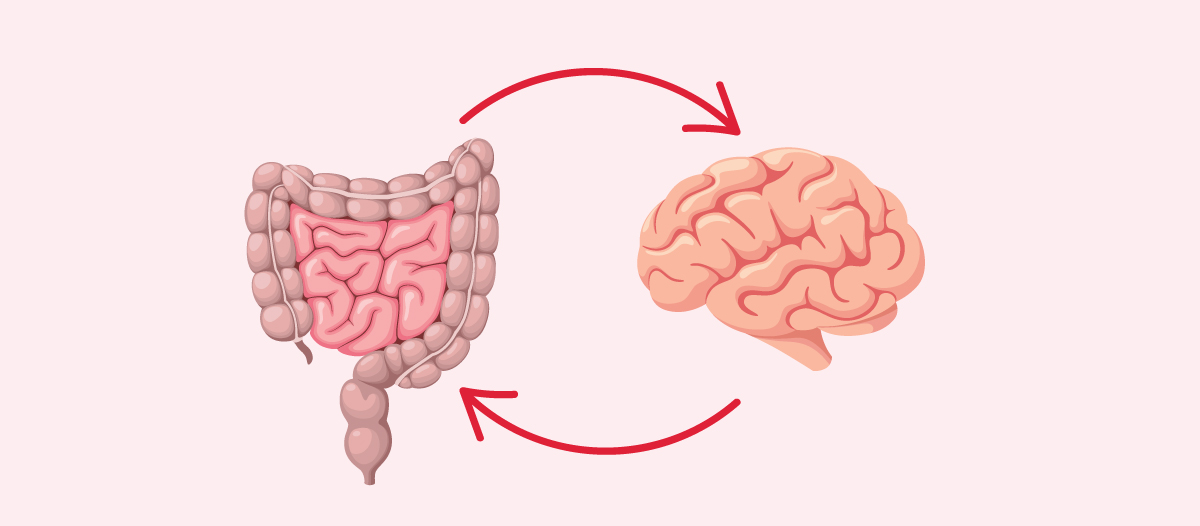
Researchers at Stanford Medicine and the Arc Institute discovered that as mice age, the composition of their gut microbiome — the community of bacteria living in the intestines — changes significantly. These microbial shifts trigger an inflammatory response in gut immune cells, which interferes with the vagus nerve, the critical communication highway connecting the gut to the brain. When that gut-brain “signal” weakens, the hippocampus (the brain’s memory center) becomes less active, and memory formation suffers.
In short: an aging, imbalanced gut microbiome may be quietly turning down the volume on your brain.
Perhaps most striking was what happened when researchers restored gut-brain communication in older animals. Once the gut health of old mice was reset, they performed just as well as young mice on memory and spatial navigation tests. As lead researcher, Dr. Christoph Thaiss put it, the gastrointestinal tract acts like “a remote control for the brain.”
The researchers also found that when young mice were given bacteria from the microbiomes of older mice, their cognitive performance dropped — mimicking the memory struggles of aging. When those same young mice were treated to clear out the older mice’s bacterial populations, their cognitive abilities bounced back.
Why This Matters for You
This research was conducted in mice, and human studies are the important next step. Nevertheless, the implications are hard to ignore: the health of your gut microbiome may play a meaningful role in how well your brain ages.
We’ve long known that the gut microbiome influences digestion, immunity, and overall health. Now, emerging science suggests it may also influence cognitive resilience — your brain’s ability to stay sharp over time.
The good news? Unlike your age, your gut microbiome is something you can actually influence.
Supporting Your Gut Health May Support Brain Health
While no supplement or probiotic is a guaranteed shield against cognitive decline, supporting a healthy, diverse gut microbiome is a reasonable and well-grounded strategy for overall wellness — and potentially for brain health, too. Here’s what that can look like in practice:
- Eat a Fiber-Rich, Varied Diet — vegetables, fruits, legumes, and whole grains help feed beneficial gut bacteria.
- Include Fermented Foods — yogurt, kefir, sauerkraut, and kimchi can contribute to microbiome diversity.
- Limit Unnecessary Antibiotic Use — while antibiotics are sometimes essential, they can significantly disrupt gut bacterial balance.
- Take a Quality Probiotic — a daily probiotic supplement helps replenish and maintain beneficial bacteria in your gut.
At EndoMune, our probiotics are formulated with multiple species and strains of beneficial bacteria to support a balanced, thriving microbiome — the kind of gut health that this emerging science suggests may be important not just for your digestion, but for your long-term cognitive well-being.
The Bottom Line
A recent Stanford Medicine research study adds to a growing body of evidence that the gut and the brain are far more connected than we once thought. Memory loss and cognitive decline may not be entirely “hardwired” into our biology — they may be influenced, at least in part, by what’s going on in our gut. [med.stanford]
That’s an empowering idea. And it’s one more reason to take your gut health seriously — not just for how you feel today, but for how sharp you want to be tomorrow.
This blog post is for informational purposes only and is not intended as medical advice. Always consult your healthcare provider with questions about your health.