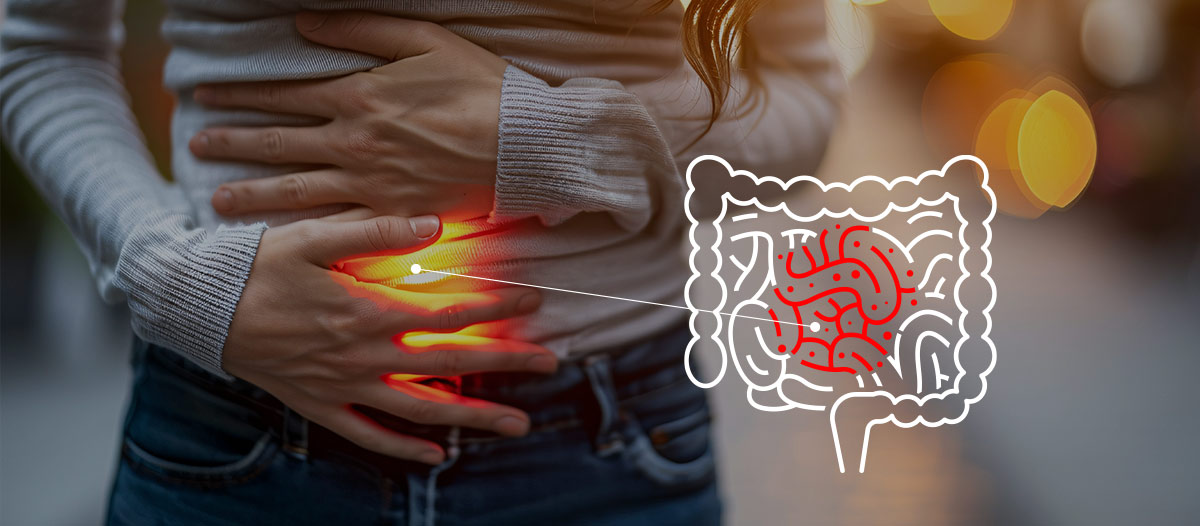
Confused about IBD and IBS?
You’re not alone. Millions of people struggle to understand the difference between IBD and IBS – two conditions that sound similar but affect your digestive system in completely different ways.
Understanding which condition you have will make all the difference in finding the right treatment and feeling better faster. Let’s explore these conditions in simple terms and learn how probiotics can transform your digestive health.
What Makes IBD and IBS Different?
These two digestive conditions share similar-sounding names, but they impact your gut in vastly different ways. Here’s what sets them apart:
IBD (Inflammatory Bowel Disease): The Serious Inflammation Fighter
IBD stands for Inflammatory Bowel Disease – a serious condition that creates real, visible damage in your digestive tract.
Key characteristics of IBD:
- Location: Affects Your Small Intestine, Large Intestine, Or Both
- Main Types: Includes Crohn’s Disease And Ulcerative Colitis
- What Happens: Your Immune System Mistakenly Attacks Your Digestive Tract
- Visible Damage: Doctors Can See Inflammation, Ulcers, And Tissue Damage During Tests
- Symptoms: Bloody Diarrhea, Significant Weight Loss, Fever, And Extreme Fatigue
- Genetic Component: Family History Increases Your Risk, Though No Single Gene Causes IBD
Take Action: If you experience bloody stools or unexplained weight loss, schedule an appointment with a gastroenterologist immediately.
IBS (Irritable Bowel Syndrome): The Functional Troublemaker
IBS stands for Irritable Bowel Syndrome—a functional disorder that affects how your gut works without causing permanent damage.
Key characteristics of IBS:
- What It Is: A Disorder Of Gut-Brain Communication, Not Structural Damage
- Appearance: Your Intestines Look Completely Normal Under A Microscope
- Symptoms You’ll Experience: Abdominal Pain, Bloating, Gas, And Bathroom Habit Changes
- No Progression: IBS Never Develops Into IBD or Causes Lasting Intestinal Damage
- Daily Impact: Can Significantly Affect Your Quality Of Life Despite Being “Functional”
Quick Reference: IBD vs. IBS Comparison

How Probiotics Combat Both IBD and IBS
Probiotics – are beneficial bacteria that keep your gut healthy, provide powerful support for both conditions, although they work differently for each.
Probiotics Combat IBD Inflammation
Scientific evidence shows probiotics can:
- Reduce Inflammatory Markers In Your Digestive Tract
- Strengthen Your Intestinal Barrier Function
- Help Prevent Flare-Ups When Combined With Medical Treatment
- Support Your Gut’s Natural Healing Processes
Important note: Probiotics complement but never replace prescribed IBD medications. Always work with your gastroenterologist.
Probiotics Combat IBS
Research Demonstrates Probiotics Can:
- Significantly Reduce Bloating, Gas, And Abdominal Pain
- Improve Bowel Movement Regularity And Consistency
- Enhance Gut-Brain Communication
- Provide Relief Within 4-8 Weeks Of Consistent Use
Specific strains that help IBS
- Lactobacillus Species For Pain Reduction
- Bifidobacterium Strains For Bloating Relief
- Multi-Strain Formulas For Comprehensive Digestive Support
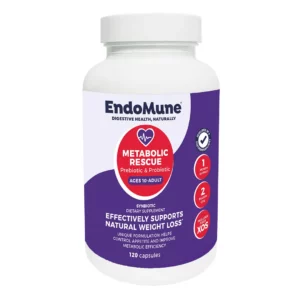
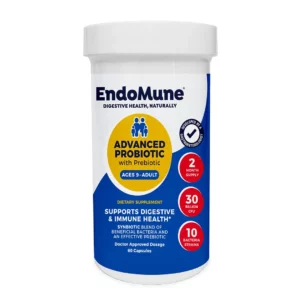
Ready to start feeling better? Explore EndoMune’s Advanced Probiotic clinically proven probiotic formulations designed specifically for digestive health support.
Your Action Plan: Choosing the Right Probiotic
Essential Selection Criteria:
- Look For Specific Strain Names On The Label (Not Just “Lactobacillus”)
- Choose Multi-Strain Formulas For Broader Digestive Support
- Verify Clinical Research Backing The Specific Strains
- Commit To Consistency—Take Daily For At Least 4-8 Weeks
- Combine With Lifestyle Changes: Fiber-Rich Diet And Regular Exercise
Important Safety Note:
Always consult your healthcare provider before starting any new supplement, especially if you have diagnosed digestive conditions or take medications.
Take Control of Your Digestive Health Now
Understanding whether you have IBD or IBS empowers you to make informed decisions about your health. While IBD requires medical management, IBS responds well to dietary changes, stress reduction, and targeted probiotic support.
Don’t let digestive issues control your life any longer. Whether you’re dealing with IBD or IBS, the right probiotic support can make a meaningful difference in how you feel every day.
Ready to start your journey to better digestive health? Check out EndoMune’s probiotic lineup to find probiotic supplements with clinical-grade, multi-strain probiotic formulas clinically proven and designed for real gut health support.
Want to Dig Deeper?
Here are some research links you can trust for more info: