
Heartburn is a common problem for adults, causing burning pain and discomfort that may disrupt daily life for some people. Heartburn medications like proton pump inhibitors (PPIs), H2 blockers, and antacids are widely used for relief, but many people are unaware that these solutions may have significant impacts on gut health. If you rely on heartburn drugs, it’s important to understand how they work, the potential risks, and effective ways to maintain a healthy digestive system while taking an antacid.
Understanding Heartburn and Its Triggers
Heartburn (the technical term is acid reflux), occurs when acidic stomach contents flow backward into the esophagus. Triggers range from eating spicy or fatty foods, smoking, drinking alcohol, being overweight, or even stress. Occasional heartburn is normal, but frequent episodes may indicate chronic conditions like GERD (Gastroesophageal Reflux Disease).
How Heartburn Medications Work
There are three main types of medications available for heartburn relief:
- Proton Pump Inhibitors (PPIs): These Drugs (E.G., Omeprazole, Pantoprazole, Esomeprazole) Reduce Stomach Acid Production at its Source. They are Highly Effective for Chronic Heartburn or GERD but are Intended For Limited Use.
- H2 Blockers: These Medications (Like Famotidine) Block Histamine Receptors in the Stomach Lining, Lowering Acid Levels, and are Typically Used for Milder Symptoms.
- Antacids: These Provide Quick, Short-Term Relief by Neutralizing Stomach Acid Common Antacid Brands are Tums, Maalox, Rolaids.
The Dark Side of Antacids: Gut and Whole-Body Side Effects
Regular use of acid-reducing drugs can significantly affect the gut’s delicate ecosystem; potentially creating issues equal to or worse than GERD and other diseases triggered by acid reflux.
Gut Microbiome Disruption
Your gut is home to trillions of bacteria that help digest food, produce vitamins, support immunity, and keep harmful germs in check. PPIs, in particular, lessen stomach acidity, which can lead to overgrowth of harmful bacteria and reduce the diversity of “good” bacteria, causing gut dysbiosis. Dysbiosis refers to an imbalance or disruption in the composition and function of the body’s microbial communities, typically in the gastrointestinal tract.
Key Risks Linked to Long-Term Heartburn Medications
- Increased Infections: Reduced Acid in the Gut Allows Bad Bacteria to Survive, Increasing Your Risk of Infections Like C. Difficile And Pneumonia, which is Sometimes Found in the Gut.
- Nutrient Deficiency: Chronic Antacid Use Can Hinder Absorption of Important Nutrients Such as Vitamin B12, Magnesium, and Calcium, Raising Your Risk of Anemia, Nerve Problems, and Bone Fractures.
- Kidney Issues: Research Links Extended PPI Use to a Higher Risk of Kidney Disease and in Extreme Cases Kidney Failure.
- Dementia And Neurological Risks: Some Evidence Connects Long-Term PPI Use with Memory Issues or Even Dementia, Likely Due to Nutrient Absorption Problems.
- Increased Fracture Risk: Ongoing PPI Use Can Weaken Bones, Making Fractures More Likely.
- Heart Risks: Studies Suggest Chronic Use May be Associated With a Higher Risk of Heart Attack For Some Adults.
Although antacids and heartburn medications have legitimate uses for GERD and similar diseases, like all medications, any benefit comes with risk and/or side effects. Here is a short list of side effects most commonly reported with these medications.
Common Side Effects Of These Medications Include:
- Headache
- Nausea Or Stomach Pain
- Diarrhea Or Constipation
- Gas And Bloating
What Can You Do to Protect Your Gut Health?
Lifestyle and Natural Approaches
Consider these strategies to lessen dependence on acid-blockers and promote gut health:
- Eat Smaller, Balanced Meals and Avoid Eating at Bedtime.
- Identify and Reduce Trigger Foods (Fatty, Spicy, or Acidic).
- Limit Alcohol and Quit Smoking for Long-Term Relief.
- Raise the Head of Your Bed to Prevent Nighttime Reflux.
- Maintain a Healthy Weight to Decrease Pressure on Your Stomach.
- Try Gentle Herbal Remedies Such as Ginger, Licorice Root, or Chamomile with your Doctor’s Approval.
Consider Probiotics
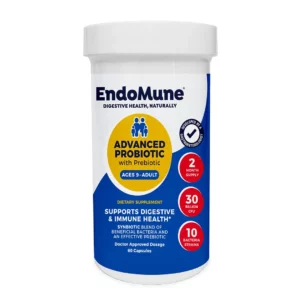
Probiotics are supplements or foods containing live, beneficial gut bacteria. They help restore gut balance, especially when medications and life’s stresses throw things off. Probiotic strains such as Lactobacillus and Bifidobacterium support gut health both during and after heartburn medication use. Probiotic supplements like EndoMune Advanced help:
- Maintain digestive regularity
- Restore healthy microbiome balance
- Reduce gas, bloating, and discomfort
You can also help maintain a healthy gut by including probiotic-rich foods such as yogurt, kefir, sauerkraut, and miso.
When to Seek Professional Guidance
Anytime heartburn persists despite healthy lifestyle changes, or if you need heartburn medication for more than a few weeks, consult your healthcare provider. Persistent reflux can damage the esophagus and may point to more serious concerns. Regular checkups with your healthcare provider ensure you choose the right medication for your unique situation.