
Free shipping on all orders over $125*

Synbiotic Blend of 10 Beneficial Strains, Developed by Board-Certified Gastroenterologist

Digestive Health

Digestive Health related factors related to maintaining a healthy gut.

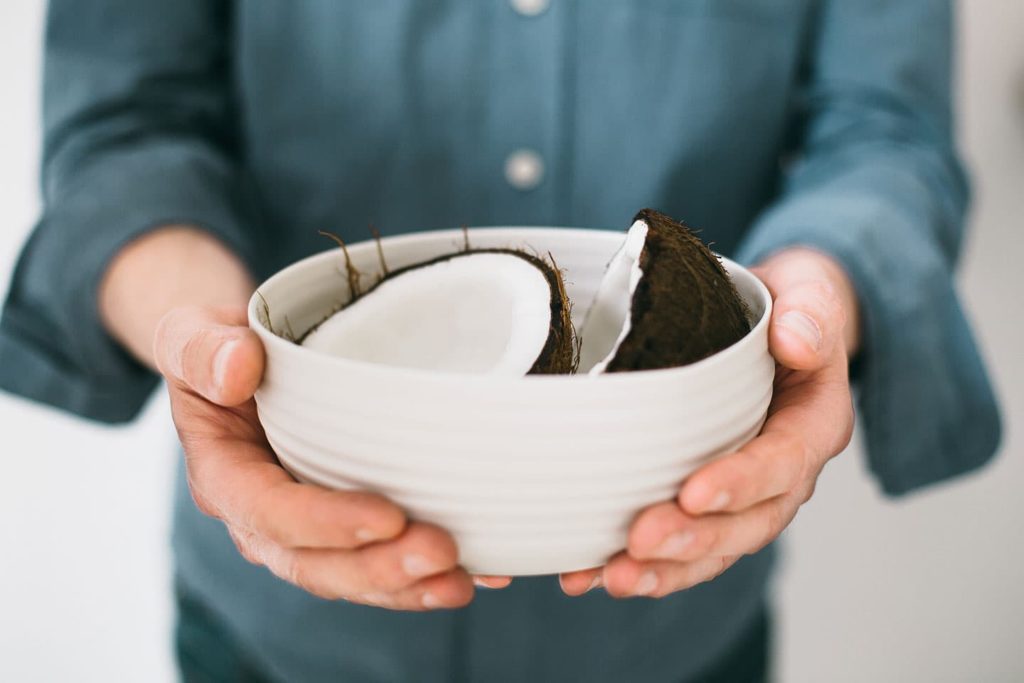
a person holding a jar of coconut

Power Packed Probiotic Smoothie

Summer holidays are opportunities to enjoy a cold drink, sun bathe by the pool, and spend time with friends and family! Good times in the sun often include sugary drinks, alcoholic beverages, and processed food – all of which may upset your gut. Now, you can make the next day just as good as the day before. Try our 5th of July Coconut Açaí Smoothie and add EndoMune Advanced Probiotic, which can help repair your gut from the damage done by the alcohol and processed or fried food. In this delicious drink, the coconut water and Himalayan sea salt help replenish electrolytes lost during the festivities, and the açaí and blueberries provide high amounts of polyphenols to fight the free radicals in processed food and alcohol. Make this concoction to make your 5th even happier than your 4th!

5th of July Coconut Açaí Smoothie

  • 1 cup coconut water
  • 100 grams frozen natural açaí puree (Sambazon brand is sold at many local grocery stores)
  • ½ cup natural frozen blueberries
  • 1 scoop vanilla-flavored whey protein isolate (or vegan protein of choice)
  • 1/4 teaspoon pink Himalayan sea salt*
  • 1 capsule EndoMune Advanced Probiotic

*Feel free to add a scoop of your favorite electrolyte powder to this drink!

Blend on high for 30 seconds, or until desired consistency is reached. Drink it now or freeze in popsicle molds for a cold treat!

Power Packed Probiotic Smoothie Read More »

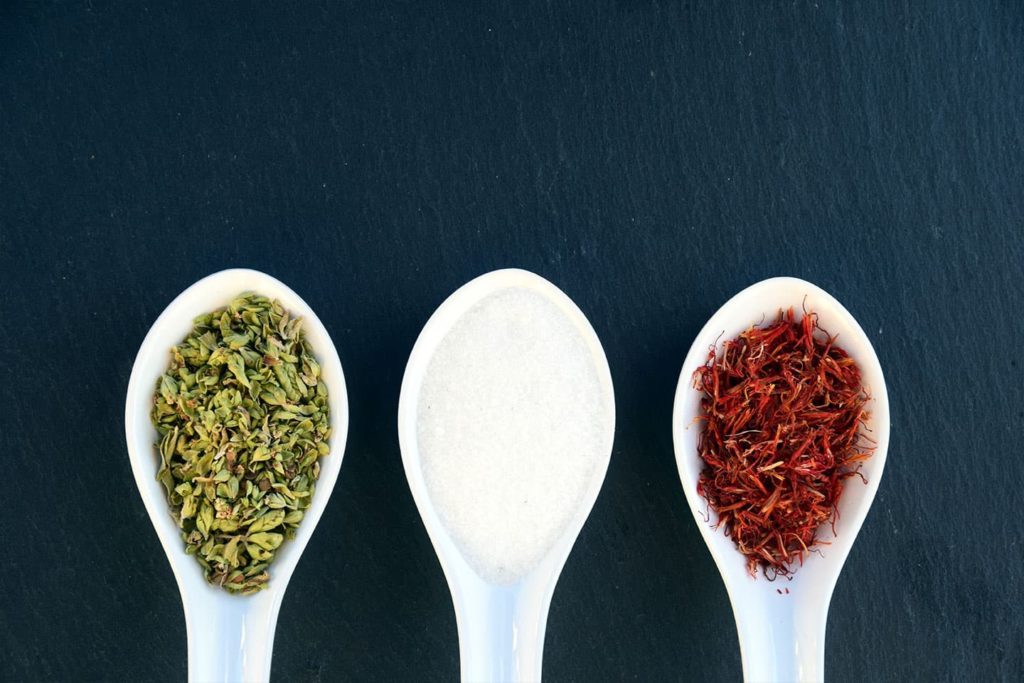
3 spoonfuls of spices and salt

Your Gut May Protect You From Too Much Salt

Are you eating a diet heavy in processed or fast foods? Chances are good you’re eating way too much salt and setting yourself up for a lot of cardiovascular problems.

You’re already thinking, “I never touch a salt shaker at dinner or when I’m eating out.” More than 75 percent of the salt you consume hides in the processed foods you eat on the run or in a restaurant, according to the American Heart Association.

The average American consumes about 3,400 milligrams of salt every day, nearly 50 percent more than the 2,300 milligrams (1 teaspoon) recommended by most health experts.

Left unchecked, all of that extra salt in your body is a silent force that can lead to high blood pressure and, in time, heart disease, which leads the list of the top 10 causes of death among all Americans.

You probably won’t be surprised to learn all that extra salt harms your gut health too. But, a recent study on animals and human subjects appearing in Nature – a team-up between researchers at MIT and Berlin’s Max Delbruck Center and Charite – offers a bit hope.

Previous work has shown how a high-salt diet harms the body’s immune system by increasing the production of Th-17 cells that trigger inflammation and elevate a patient’s risks of hypertension.

For this new study, researchers sharply increased the salt intake of mice (eight times) and 12 healthy men (nearly three times) for two weeks apiece compared to healthier diets to determine how their bodies would react.

In both sets of tests, the composition of gut bacteria in mice and men changed for the worse with drops in Lactobacillus. These declines were also marked by expected increases in inflammatory Th-17 cells and higher blood pressure.

Interestingly, when probiotics containing Lactobacillus were introduced the collective gut and cardiovascular health of both sets of test subjects improved rapidly too, underscoring a link between salt and gut bacteria.

(Both EndoMune Advanced Probiotic for adults and EndoMune Jr contain multiple strains of beneficial bacteria, including Lactobacillus).

Extra salt harms your brain

According to researchers, heart disease may not be the only health issue affected by excessive salt intake either, as the uptick in inflammation may trigger the development of autoimmune diseases similar to multiple sclerosis.

A more recent study on salt appearing in Nature Neuroscience tied the accumulation of Th-17 cells in the gut (they produce proteins that suppress nitric oxide which reduces the supply of blood to the brain) to damaged neurons and cognitive problems related to the gut-brain axis.

“We discovered that mice fed a high-salt diet developed dementia even when blood pressure did not rise,” said senior author Dr. Costantino Iadecola, director of the Feil Family Brain and Mind Research Institute (BMRI) and the Anne Parrish Titzell Professor of Neurology at Weill Cornell Medicine, according to a press release.

“This was surprising since, in humans, the deleterious effects of salt on cognition were attributed to hypertension.”

Despite the restorative power of probiotics mentioned in the MIT study, researchers were concerned consumers might take them in hopes of canceling out the effect of eating of salty, fatty foods.

Yet, as we’ve seen in previous reports documenting the production of TMAO (trimethylene n-oxide), the gut is much more strongly connected to heart disease than many experts previously assumed.

Probiotics certainly aren’t “magic pills” that can cure any disease, but even the experts have come to appreciate the many ways the gut touches all parts of human health.

Taking a probiotic, ideally with multiple strains of beneficial bacteria like EndoMune, is quickly becoming a must if you want to protect your health, safely, effectively and naturally.

Your Gut May Protect You From Too Much Salt Read More »

woman having trouble getting out of bed

Is Chronic Fatigue Syndrome a gut issue?

Chronic fatigue syndrome (CFS) is a very frightening and complicated disorder. Defined as severe exhaustion that can’t be relieved by rest, this condition has frustrated modern medicine for a long time.

Also known as myalgic encephalomyelitis (ME/CFS), this disease has no real triggers or underlying conditions, and diagnosing it requires a lot of time and testing. Although anyone can have CFS, women are far more likely to suffer from it than men, most commonly in their middle years.

Its symptoms run the gamut, from extreme fatigue lasting more than a day and unexplained joint or muscle pain to enlarged lymph nodes, headaches, poor sleep and even irritable bowel syndrome (IBS).

While CFS is a condition with very few connections, research teams at Columbia and Cornell Universities have found important markers that link it to the human gut.

83 percent accurate

The discovery that connects chronic fatigue syndrome to the human gut was a welcome confirmation to Cornell researchers that its origins were definitely not psychological.

“Our work demonstrates that the gut bacterial microbiome in ME/CFS patients isn’t normal, perhaps leading to gastrointestinal and inflammatory symptoms in victims of the disease,” says Dr. Maureen Hanson, senior author of the study, according to a press release. “Furthermore, our detection of a biological abnormality provides further evidence against the ridiculous concept that the disease is psychological in origin.”

For the record, the Cornell study compared blood and stool samples from 48 CFS patients to 39 health controls. The links to a gut health connection were obvious.

Chronic fatigue patients had less gut bacteria diversity and their blood samples showed signs of inflammation linked to leaky gut. Stool samples also found markers for ulcerative colitis and Crohn’s disease, even more serious gut problems.

Moreover, scientists were able to detect which patients were battling CFS based on microbiome testing with 83 percent accuracy.

Gut imbalances affect severity

Mirroring the Cornell findings, Columbia researchers also found bacterial imbalances – too much of some bacterial species including Faecalibacterium – in the fecal samples of the 50 chronic fatigue syndrome patients they examined (versus an equal number of healthy ones), according to the study appearing in Microbiome.

These imbalances varied depending on whether CFS patients were also suffering from IBS or not (21 of the 50 patients did have IBS). Also, depending on which bacteria imbalance chronic fatigue syndrome patients had and the metabolic pathways affected, the severity of their symptoms differed too.

“Individuals with ME/CFS have a distinct mix of gut bacteria and related metabolic disturbances that may influence the severity of their disease,” says Columbia researcher Dorottya Nagy-Szakal, according to a press release.

Probiotic success

Despite all of the attention paid by Columbia and Cornell researchers, a few scientists already had an eye on the intersection of gut health and chronic fatigue syndrome.

In fact, a systemic review of studies appearing very recently in Beneficial Microbes cited studies that showed how using probiotics may be effective in treating CFS and fibromyalgia.

(Both studies cited in this review used proprietary strains of Lactobacillus and Bifidobacterium, the two building blocks of EndoMune Advanced Probiotic.)

Based on these results, it seems more likely probiotics could become part of a more comprehensive treatment plan for chronic fatigue syndrome. 

“If we have a better idea of what is going on with these gut microbes and patients, maybe clinicians could consider changing diets using prebiotics such as dietary fibers or probiotics to treat the disease,” says Ludovic Giloteaux, a researcher in the Department of Molecular Biology and Genetics at Cornell University.

Is Chronic Fatigue Syndrome a gut issue? Read More »

a man holding whole foods standing near a window

Fight Type 2 Diabetes with a Healthy Gut

There’s no disputing the health benefits of eating whole foods — legumes, vegetables, fresh fruits and whole grains – rich in dietary fiber.

For a long time, science has recognized the role good gut health plays with help from dietary fiber in treating diseases like type 2 diabetes without really understanding how both converge to promote better overall health.

The results of a Chinese study that treated type 2 diabetes patients partly with a high-fiber diet may offer a critical clue, based on a tiny group of bacteria in the human gut.

A select group of gut bacteria

Researchers split patients into two groups: A control group who received standard dietary recommendations and patient education and a more active group who was prescribed a high-fiber diet containing many kinds of dietary fiber from whole grains, prebiotics and Chinese medicinal foods, according to the study featured in Science.

After 12 weeks, patients following the fiber-rich diet created by scientists that jump-started the development of short-chain fatty acids (SCFAs) had done its job.

Those patients in the active group experienced sharply reduced blood glucose levels at faster rates and lost extra weight too.

How did high-fiber diets make such a difference?

Researchers believe diseases like type 2 diabetes may occur as a result of problems in producing SCFAs in the gut. Surprisingly, a tiny number of gut bacteria – 15 out of a possible 141 strains – were affected by eating a high-fiber diet. In fact, this select group became the dominant strains in the guts of patients, after increasing butyrate and acetate levels.

Simply, the presence of higher levels of butyrate and acetate (both are SCFAs) created mildly acidic environments that decreased the amounts of bad bacteria in the gut, leading to a greater production of insulin and improved blood glucose control.

“Our study lays the foundation and open the possibility that fibers targeting this group of gut bacteria could eventually become part of your diet and your treatment,” says Dr. Liping Zhao, lead author of the study and a professor in the Department of Biochemistry and Microbiology at Rutgers University, according to a press release.

More whole-grain goodness

This select group of gut bacteria may also be at work in the results of a study appearing in Gut, in which 60 Danish adults followed a high whole-grain diet (more than 100 grams per day) and a low refined grain diet (13 grams per day) alternately for eight-week periods.

Compared to the refined grain diet, patients eating a diet rich in whole grains lost weight and lowered the number of markers associated with inflammation that causes metabolic syndrome.

That’s a cluster of conditions ranging from elevated blood sugar levels to extra body fat around the waist that increases your risk of serious cardiovascular problems and diabetes.

Are you having trouble losing weight? Are you fighting a losing battle against metabolic syndrome?

To prevent metabolic syndrome from harming your health further and begin the healing process, restore the proper balance of gut bacteria with the help of EndoMune Metabolic Rescue and its unique probiotic blend of Bifidobacterium lactis and the prebiotic XOS.

How EndoMune Metabolic Rescue works

Unfortunately, the number of Bifidobacteria in your gut decline as your body ages, largely due to a changing diet that usually contains more fiber-free foods.

That’s where your adult gut needs extra help from a prebiotic, a substance made from non-digestible starches that literally feed your gut by promoting the growth of beneficial bacteria.

In recent years, XOS has emerged as a versatile, natural prebiotic that can provide many benefits, for example, reversing imbalances in the human gut during the development of type 2 diabetes to healthier ones.

EndoMune Metabolic Rescue’s unique formulation of Bifidobacterium lactis (a beneficial subspecies of Bifidobacteria) works as a synbiotic to produce SCFAs, stimulating the production of hormones that could slow down activity in the appetite center of your brain.

This hormonal action also slows down the motility (emptying) of your stomach, which promotes the sense of fullness or satiety. In other words, it takes less food to feel full.

Research related to consuming XOS has found increased amounts of Bifidobacteria in test subjects. Other studies have shown how patients given Bifidobacteria lactis can metabolize resistant starches like XOS, producing the SCFAs that act as signals to reduce appetite and slow down stomach motility, ideally resulting in weight loss and a healthier gut.

Fight Type 2 Diabetes with a Healthy Gut Read More »

friends cheering their glasses of wine over plates of food

How Aphrodisiacs can Help Fight Disease

There has been a lot of recent interest among food researchers investigating the health benefits of resveratrol, an antioxidant found naturally in red wine, dark chocolate, peanuts and some berries.

As we’ve talked about previously in this space, good gut health is one of the variables that allows resveratrol-rich foods like dark chocolate and red wine to offer some pretty nifty advantages, like sharpening your brain.

Consuming resveratrol-rich foods may also be responsible for these perks by making changes to your gut health, according to a pair of reports related to protecting your cardiovascular system from disease.

Resveratrol vs. diabetes

A fascination about the benefits of resveratrol piqued the curiosity of Dr. Jason Dyck, who has spent years studying this antioxidant at the University of Alberta.

Previous studies found resveratrol benefited the health of diabetic patients by lowering their blood sugar levels, but scientists didn’t understand how because resveratrol levels circulating throughout the human bloodstream are so low.

That is, until Dyck and his research team examined how resveratrol affected the gut microbiomes of mice in a study appearing in the medical journal, Diabetes.

In step one, feeding obese mice resveratrol for six weeks was enough to change the makeup of their tiny microbiomes and improve their tolerance to glucose.

The positive results from stage two of their study – giving new healthy mice fecal transplants from that previous group of diabetic mice – were far more dramatic, rapid and impressive than feeding them resveratrol alone.

“We performed fecal transplants in pre-diabetic obese mice and within two weeks their blood sugar levels were almost back to normal,” says Dr. Dyck, according to a press release.

After some deliberation, scientists concluded this gut health change may be the result of one or a group of metabolites that could be triggering healthy changes in blood sugar levels.

“It’s going to take a herculean effort to find what that molecule is,” says Dr. Dyck. “Maybe it’s one, maybe it’s a combination of four or five, or maybe even a hundred. We don’t know, but we intend to find out.”

Resveratrol vs. heart disease

Resveratrol may also play an important role in reducing the production of TMAO (trimethylamine N-oxide), an natural gut byproduct that promotes heart disease by triggering the accumulation of plaque in the arteries by gut flora, according to a report appearing in mBio.

A group of Chinese researchers fed mice bred to have an elevated risk of developing atherosclerosis food with or without resveratrol for 30 days. Then, the mice were fed TMA (trimethylamine) or choline to trigger any unhealthy reactions.

Resveratrol had a very similar calming effect, not only on TMAO levels, but the production of TMA in the gut that generates TMAO. Additionally, feeding mice resveratrol also increased levels of various bacterial species, including Lactobacillus and Bifidobacterium.

Too much of a good thing

Before you start stocking up on resveratrol-rich foods, it’s important to remember too much of a good thing can cause health problems too.

For example, increasing your resveratrol intake by eating dark chocolate is OK, so long as you don’t overdo it. Be sure you’re eating minimally processed dark chocolate that contains high percentages of cocoa.

Consuming wine, along with beer and baked goods, can also be a problem for your gut, as these foods contain sulfites that can inhibit the growth of beneficial bacteria in your gut if you’re not careful.

Feeding your gut by taking a probiotic like EndoMune Advanced Probiotic, with multiple strains of beneficial bacteria may shield your heart health from cardiovascular diseases, like diabetes and chronic inflammation too.

How Aphrodisiacs can Help Fight Disease Read More »

two woman standing at yoga class

Exercise Changes Your Gut

Exercise is one of the best things you can do, not only for improving your physical and mental health. Fact is, exercise can help your body work and sleep better and may even help you live longer too.

In some cases, exercise may promote a stronger immune system, based on findings from a pair of related studies on mice and human subjects appearing in Gut Microbes and Medicine & Science in Sports & Science.

Running mice beat colitis

The animal study, conducted by scientists at the University of Illinois and the Mayo Clinic, started by letting a group of mice either run around or be sedentary for most of their lives.

Then, researchers transplanted gut bacteria from those two groups of mice into rodents that were bred to be germ free, so their microbiomes would more easily adapt to the new bugs.

Several weeks later, those younger mice were exposed to chemicals that induced ulcerative colitis to test the health of their microbiomes.

No surprise, those germ-free mice conformed to the bacteria they received, and the changes in their gut health were plain to see. But how?

Mice receiving transplants from active animals experienced less inflammation and healed damaged tissues better and faster than those receiving bacteria from sedentary animals. The tell-tale sign: Higher amounts of gut bugs producing butyrate.

In humans, the presence of butyrate (a short-chain fatty acid) protects your gut from harmful bacteria like E. coli and keeps gut inflammation in check.

The human touch

Researchers took a different approach with their follow-up work on human subjects (18 lean and 14 obese patients). First, patients were assigned to an ongoing cardiovascular exercise program (30-60 minutes, three times per week) for six weeks.

After completing the exercise cycle, microbiome samples were taken, and then a final one after six weeks of no exercise.

Just like their animal counterparts, the guts of humans produced more butyrate and other short-chain fatty acids during the exercise cycle, then declined during the sedentary period of rest.

Also, levels of butyrate and other short-chain fatty acids rose dramatically in the guts of leaner patients, compared to that of obese patients. Moreover, there were very consistent differences in the ratios of gut microbes between obese and leaner patients at every point in the study.

“The bottom line is that there are clear differences in how the microbiome of somebody who is obese versus somebody who is lean responds to exercise,” says Dr. Jeffrey Woods, a University of Illinois professor of kinesiology and community health. “We have more work to do to determine why that is.”

An additional factor that may have been a difference maker on the human side of this study: Patients ate what they wanted and weren’t assigned special diets.

A lot more to learn

There’s more work being done at other research venues to determine how much exercise benefits the human gut and how frequently one needs to be active in order to maintain those healthy rewards.

As is the case with many healthy things, however, the benefits of exercise have their limits, especially when you overwork your body. Pushing it with excessive exercise can become a big problem to the point that it can reverse the physical benefits you hoped to achieve.

Exercising to an extreme can take a huge toll on the health of your gut too, promoting leaky gut in as little as two hours.

However, one of the chemical triggers of leaky gut – the production of zonulin – was eased in a human study by taking a probiotic, like EndoMune Advanced Probiotic, containing multiple strains of beneficial bacteria.

Exercise Changes Your Gut Read More »

a plate of delicious looking veggies

More Food Additives May Harm Your Gut

We warned you recently about a gut bacteria connection to nitrites, a common food additive that may be a trigger for migraines. However, nitrites aren’t the only potential problem harming your gut health.

Your gut health may undergo changes or be compromised by chemical preservatives added to an array of foods, based on the results of two new studies.

Are antimicrobials benign?

As we’ve seen time and again, the use of antibacterial soaps and antibiotics has created unintended problems that have often made us too clean for our good.

Antimicrobial compounds work like antibacterials, with one key exception: Antibacterials prevent the spread of bacteria alone, while antimicrobials eliminate a wider range of critters, including viruses, yeasts, fungi and bacteria.

In a surprise to scientists at the University of Massachusetts, one specific antimicrobial compound – the food-grade polymer, polylysine — was responsible for the temporary disruption of gut bacteria in mice, according to a study appearing in Science of Food.

Polylysine is used as a food preservative in Korea and Japan as well as foods imported to America. (It’s commonly used in boiled rice, noodles, cooked rice and sushi.)

Over 15 weeks, researchers studied fecal samples taken from male and female mice that were fed polylysine at three different times (the beginning then at five and nine weeks).

“The concentrations of gut microbes changed in response to polylysine as we fed the mice throughout the study,” said Dr. David Sela, a nutritional biologist and lead study author, according to a press release.

“Surprisingly, the microbiome snapped back to the original concentrations despite continuous feeding of the polylysine, but we don’t understand how or the potential relevance to health.”

By week 5 of their study, the microbiomes of mice given polylysine had changed, but shifted back to normal at week 9.

It’s obvious that the microbiomes of mice adapted to this antimicrobial compound for reasons scientists can’t explain. Is that a good thing? And, how does this affect gut health over a longer time?

Is wine harming your gut?

Researchers at the University of Hawai’i Maui were far more definitive about the effect sulfites – a food preservative used in baked goods, beer and wine and canned vegetables just to name a few — have on the beneficial bacteria in your body, and it’s not good.

FDA regulations limit sulfites in processed foods to 5,000 parts per million, not a great amount. Nevertheless, some people are very sensitive to sulfites and must avoid them.

Researchers exposed four bacterial species in the human microbiome (from the Lactobacillus and Streptococcus families) to concentrations of two common kinds of sulfites (sodium bisulfite and sodium sulfite) in smaller concentrations (10-3,780 ppm) for up to six hours for a study appearing in PLOS One.

Unfortunately, these sulfites were responsible for killing or inhibiting the growth of beneficial bacteria, results that lead researcher Dr. Sally Irwin says could be a direct link between diseases and changes in the human microbiome.

Yes, food additives are a problem for people who are sensitive to them, but these results certainly shed a new light on what’s considered “safe” and “healthy.”All the more reason to protect and fortify your health with a multi-species probiotic like EndoMune Advanced Probiotic with 10 essential species of beneficial bacteria plus a prebiotic that feeds the good guys in your gut.

More Food Additives May Harm Your Gut Read More »

How Dietary Fiber Protects Your Health

Eating a variety of foods rich in dietary fiber – whole grains, legumes, vegetables and fresh fruits – is one of the best things you can do to protect your health from disease.

Unlike other components of food, dietary fiber isn’t broken down or absorbed. It passes through your body either as soluble fiber that dissolves in water and lowers cholesterol and glucose levels or insoluble fiber that helps food move through your digestive system.

Scientists at the University of California Davis (UC Davis) discovered another reason to eat more fiber based on how it interacts with your gut bacteria in ways that may protect your body from harmful pathogens, according to a recent study published in Science.

Here’s how it works: As the microbes in your gut process soluble fiber, short-chain fatty acids (better known as butyrate) are created which does a lot of good behind the scenes.

Ideally, butyrate signals to the cells lining the walls of your large bowel to increase its consumption of oxygen, protecting your gut from more harmful bacteria, like E. coli and Salmonella. (Butyrate production keeps gut inflammation in check too.)

Scientists better appreciated the work butyrate does when cells were exposed to antibiotics – definitely no friend to your gut. Antibiotics deplete your body’s reserves of butyrate, which reduces the signaling between butyrate and the gut wall.

This disruption in your gut’s natural signaling allows more oxygen to hang around, letting E. coli and other nasty bugs multiply. In time, all of these behind-the-scenes problems could come to the forefront and make you sick.

“Our research suggests that one of the best approaches to maintaining gut health might be to feed the beneficial microbes in our intestines dietary fiber, their preferred source of sustenance,” said Dr. Andreas Bäumler, professor of medical microbiology and immunology at UC Davis and senior author of the study, according to a press release.

Unfortunately, too many Americans are addicted to Western diets, full of fatty foods with little nutritional value, so they tend to avoid fiber-rich foods at the expense of their health.

That said, it doesn’t take a lot of fiber to make a big difference in your health. Merely increasing your intake of dietary fiber by just 1 ounce (about 30 grams) is enough to help you lose weight and lower your risk of cardiovascular problems, not to mention relieve constipation.

Boosting the amount of fiber you eat every day isn’t hard, especially if you like lentils, beans, artichokes, apples, pears, strawberries and whole grains.

Along with eating more fiber, taking a daily probiotic, like EndoMune Advanced Probiotic with multiple strains of beneficial bacteria and a prebiotic (FOS), may do even more good as both work in sync by triggering the fermentation process that feeds your gut safely and naturally.

How Dietary Fiber Protects Your Health Read More »

Probiotics will keep us Healthy in Space

The very last thing you’re probably thinking about when watching exciting science-fiction films like Interstellar or Gravity is the gut health of the astronauts flying through space.

But that doesn’t mean Earth-bound scientists aren’t studying or thinking about it… a lot!

Some of these studies could have some important real-world implications and benefits, even for the 99.99 percent of us who will never fly higher than 39,000 feet (slightly more than 7 miles) in the air.

The Twins Study

The most current and popular project has been the Twins Study, encompassing 10 NASA-funded studies that compared the molecular structures of identical twin astronauts: Scott Kelly who spent nearly a year in space living in a zero-gravity environment and his brother Mark who stayed on the planet as an “Earth-bound control subject.”

One of these research projects, based in Chicago at Northwestern University, Rush University Medical School and the University of Illinois, discovered some interesting fluctuations in the gut microbiomes of both brothers.

Researchers found imbalances in two dominant groups of bacteria (Bacteroidetes and Firmicutes) had shifted in Scott Kelly’s while space bound and returned to pre-flight levels after arriving back on Earth. Interestingly, Mark Kelly’s gut microbiome fluctuated in those two areas too, however, not as drastically as his twin.

Another very surprising result: An expected change in gut diversity while Scott Kelly was in space never happened.

Female astronauts need probiotics

A pair of Canadian researchers at Western University made a good case for female astronauts taking probiotics in a 2016 report appearing in the health journal Women’s Health.

Scientists believe the unique challenges female astronauts face — osteoporosis, breast cancer, compromised vaginal health and urinary tract infections (UTIs) — could be more problematic during space flights.

For instance, women experience more UTIs during space missions than their male counterparts. Treating women with antibiotics may be problematic due to gravity, not to mention the complications associated with overusing them, which is why researchers believe probiotics may be a better option.

“It’s important to look at the health of women,” said Carmilla Urbaniak, a Ph.D. candidate working at the school’s Schulich School of Medicine & Dentistry, according to a press release.

“We know that drugs interact differently in males and females. The impact of probiotics are also different between males and females, and it’s time we focused our research on female astronauts.”

Studying gut health on a microchip

Preventing disease isn’t the only concern on the minds of one lab funded by NASA at the University of Arizona’s Center for Applied NanoBioscience and Medicine.

Researchers there have created amazing “gut-on-a-chip” technology that mimics the internal workings of the human gut. Its primary function for this research is to test how the human gut will respond to cosmic radiation exposure during long periods of space travel.

Among the more practical applications for this microchip technology include the development of probiotics that could treat or even prevent radiation damage, says Dr. Frederick Zenhausen.

Don’t forget traveling on planet Earth

Back a bit closer to planet Earth, you may be traveling long distances in airplanes, especially over the long holiday season, to see family members far and wide.

Doing so creates opportunities for jet lag, a temporary sleep problem that happens when people travel quickly across multiple time zones.

These abrupt time shifts can also create problems for your gut, not only by messing up your body’s natural 24-hour circadian rhythms but playing a role in triggering the accumulation of body fat that leads to obesity.

Getting the right amount of sleep and eating a healthy, balanced diet goes a long way toward combating the effects of jet lag, but so does protecting the health of your gut.

Taking a probiotic with multiple strains of beneficial bacteria, like EndoMune Advanced Probiotic, every day gives your gut the extra protection it needs when traveling on land or in the air.

Probiotics will keep us Healthy in Space Read More »

Protect Your Gut From Fatty Holiday Foods

Many of us can’t wait for the end of the year, if for no other reason than to satisfy our year-round cravings for eggnog, prime rib, dressing, pecan pie and other fatty holiday foods.

Eating those holiday foods in excess as many of us do during the season comes with an unhealthy price to pay in adding extra pounds, not to mention harming our gut.

A recent study featured in Cell Reports goes a long way toward describing how the gut may predict the damage you do to your body merely by eating excessive amounts of high-fat foods.

High-fat diets: No ho, ho, ho!

Previous studies have found that people eating the same high-fat diets — the major culprit in an array of health problems, including diabetes, heart disease, obesity and stroke — react differently. Some may suffer from less or more problems than others.

Researchers fed genetically similar mice healthy foods and screened urine samples for compounds produced by their gut bacteria, establishing a baseline of healthy chemical profiles.

Once those same lab animals were switched to fatty foods, their tiny bodies reacted just like their human counterparts, with some becoming less tolerant to glucose (an early sign of diabetes) while others gained more weight.

Follow-up analyses of urine samples taken from mice after feeding them fatty foods changed too, predicting signs of unhealthy changes in weight, glucose and behavior.

In fact, the presence of one very popular chemical produced by the gut — trimethylene n-oxide (TMAO) — was a sign of glucose issues, not to mention heart disease.

“We tend to believe that obesity is caused by bad genes or by bad genes interacting with bad environment,” says Dr. Dominique Gauguier, a senior investigator on this study based in Paris, according to a press release.

“Our findings indicate that an organism’s gut microbiome can drive the adaptation to dietary challenges in the absence of genetic variation.”

These results are only the beginning, as researchers plan to embark on a larger, more in-depth clinical trial on 2,000 human patients that will go further toward forecasting how people react to differing diets and how gut health drives their overall health.

The long-term goal: Generating chemical profiles from urine and blood samples that may offer guidance on what diets are most supportive for a patient’s optimal health.

Until that comes…

What we do know right now is that maintaining a healthy balance of beneficial gut bacteria is critical in protecting your body from cardiovascular diseases like diabetes, based on the findings of a Danish study we’ve discussed previously.

That same study also found that patients who had less diverse gut microbiomes carried more fat on their bodies and experienced more inflammation in their digestive tracts, making them more vulnerable to cardiovascular diseases.

The holiday season is full of gatherings with friends, family and lots of fatty seasonal foods that can add inches and pounds to your waistline and disrupt the diversity of your gut in no time if you overindulge too often.

Keeping your portion sizes small and eating healthier foods rich in fiber can do a lot of good for your body and keep off those extra pounds.

Taking a multi-species probiotic, like EndoMune Advanced Probiotic with 10 distinct species of beneficial bacteria, can also go a long way toward protecting the diversity of your gut and your overall health too.

Protect Your Gut From Fatty Holiday Foods Read More »

Scroll to Top