Free shipping on all orders over $125*

Synbiotic Blend of 10 Beneficial Strains, Developed by Board-Certified Gastroenterologist

Disease

Disease risks and other issues related to poor digestive health.

Gut Health Problems May be a Sign of Type 1 Diabetes

Unlike the type 2 version, type 1 diabetes is an even more serious and virtually incurable form of the disease that prevents your body from making the insulin it needs.

What’s more, type 1 diabetes can harm the body’s major organs over the long haul, affecting the kidneys, blood vessels, nerves, heart and eyes. And, it can even make pregnancy risky for Moms and their babies.

For the longest time, medical science has assumed the origins of type 1 diabetes lie in the pancreas. The results of a recent study have led Italian researchers to look elsewhere, speculating that gut health problems may be a sign of type 1 diabetes.

“Our findings indicate the individuals with Type 1 diabetes have an inflammatory signature and microbiome that differ from what we see in people who do not have diabetes or even in those with other autoimmune conditions such as celiac disease,” says Dr. Lorenzo Piemonti of the Diabetes Research Institute at San Raffaele Hospital in Milan, Italy, according to a press release.

The pancreas or the gut?

Researchers compared samples (via biopsies of the small intestine, but not stool samples) taken from the microbiomes of 54 patients, including 19 type 1 diabetics, 16 healthy controls and 19 additional patients with celiac disease, which can damage the small intestine.

(The connection between type 1 diabetes and celiac disease is a sound one, as up to 11 percent of type 1 diabetics may suffer from celiac disease too, says Dr. Piemonti.)

Overall, patients with type 1 diabetes displayed many more signs of inflammation in the gut’s mucous membrane that were tied to 10 specific genes than those seen in healthy controls or even celiac patients, according to the study appearing in JCEM: The Journal of Clinical Endocrinology and Metabolism.

Additionally, the balance of gut bacteria in type 1 diabetes patients was distinctly different compared to the other groups.

“We don’t know if Type 1 diabetes’ signature effect on the gut is caused by or the result of the body’s own attacks on the pancreas,” Piemonti says. “By exploring this, we may be able to find new ways to treat the disease by targeting the unique gastrointestinal characteristics of individuals with Type 1 diabetes.”

Could probiotics make a difference?

Is it possible that a probiotic could make a difference one day in treating patients with type 1 diabetes?

Based on the results of a 2015 study appearing in Diabetes, Cornell University researchers had great luck with engineering a strain of Lactobacillus (gasseri) they fed to diabetic rats for 90 days.

Over that time, levels of high blood glucose fell as much as 30 percent in diabetic rates receiving this strain of beneficial probiotic bacteria. Even more promising, this probiotic bacteria reduced glucose levels in diabetic rats in the very same way as healthy animals.

Is it possible taking a probiotic with multiple strains of beneficial bacteria like EndoMune Advanced Probiotic could make a difference too?

These results may be just the start of a new way to look at and treat type 1 diabetes by rebalancing the bacteria that live in our guts.

Gut Health Problems May be a Sign of Type 1 Diabetes Read More »

A diverse gut protects your health during immunotherapy treatments for cancer

For many cancer patients, undergoing chemotherapy or radiation are often a necessity, but they come with lots of risks depending on the severity and length of treatments.

Rather than bombarding tumors with chemo and radiation, however, some patients and their teams of doctors are choosing other cancer-fighting approaches like immunotherapy that work far differently.

Immunotherapy focuses on treating your body’s immune system to fight cancer either by supercharging a patient’s immune system or teaching his/her body how to spot cancer cells and eradicate them. Also, in some cases, immunotherapy can aid in a cancer patient’s recovery long after treatments have ended.

But not everyone responds well to immunotherapy, which has researchers scrambling for answers.

Over the years, cancer researchers have learned how good gut health plays a critical role in protecting cancer patients during chemo treatments.

A diverse gut microbiome may also be very important in how well the human body handles certain forms of immunotherapy, according to a study presented at a recent symposium sponsored by American Society of Clinical Oncology.

A team of researchers, led by senior study author Dr. Jennifer Wargo from the University of Texas MD Anderson Cancer Center, studied the connections between a healthy gut and the benefits of immunotherapy by examining fecal and oral bacteria samples taken from more than 200 patients fighting metastatic melanoma, an advanced form of skin cancer.

Ninety-three patients received an anti-PD1 immune drug that blocked a pathway protecting tumor cells from a patient’s immune system equipped to fight it.

From that smaller group, scientists studied fecal samples provided by 30 patients who responded to immunotherapy and 13 more who didn’t.

No surprise, patients who responded to the anti-PD1 drug had greater diversity of gut bacteria and for a specific type of bacteria (Ruminococcaceae). Plus, an examination of their tumors uncovered a greater number of cancer-fighting immune system cells (CD8+T).

On the other hand, patients whose bodies didn’t react to immunotherapy drugs had much lower gut diversity and one specific family of gut bacteria (Bacteriodales).

“Meanwhile, we need concerted research efforts to better understand how the microbiome may influence immune responses, as well as an in depth view on how we can tweak the microbiome so that more patients can benefit from immunotherapy,” said Dr. Wargo, an associate professor of genomic medicine and surgical oncology, according to a press release.

Some of that tweaking may come from changing a patient’s dietary habits or boosting the diversity of their gut by recommending a probiotic, scientists said.

Although taking a probiotic is beneficial for your health, many believe eating a cup of yogurt or taking a cheap supplement containing one or two strains of bacteria is good enough.

The real value of taking a multi-strain probiotic like EndoMune Advanced Probiotic: Ten strains of beneficial bacteria plus the prebiotic FOS provide 20 billion allies that protect your health every day.

A diverse gut protects your health during immunotherapy treatments for cancer Read More »

Colon cancer patients are getting younger

For the longest time, the incidence of colon cancer — the second leading cause of cancer deaths among men and third among women in America — has been confined to older people.

Some 90 percent of all new cases of colon cancer occur in patients age 50 and older, and the average age of diagnosis has been age 72. Until now…

Research by the American Cancer Society has shown a steady uptick in colorectal cancer rates among young and middle-age adults including those in their early 50s, according to a recent report in the Journal of the National Cancer Institute.

By the numbers

Based on a deeper look at the demographics, researchers discovered colon cancer rates had increased by as much as 1-2 percent per year from the mid 1980s to 2013 among adults ages 20-39.

The numbers are even more alarming for rectal cancer, with cases rising about 3 percent annually among adults ages 20-29 (1974-2013) and adults ages 30-39 (1980-2013).

“Our finding that colorectal cancer risk for millennials has escalated back to the level of those born in the late 1800s is very sobering,” said Dr. Rebecca Siegel of the American Cancer Society, according to a press release.

In fact, the trend toward younger colon cancer patients over the past two decades has closed a once wider gap in disease risks and patients in their early 50s compared to those in their late 50s, the study says.

Also, an increase of new cases among patients ranging in age from their 40s to early 50s in 2013 has prompted researchers to suggest starting colorectal cancer screenings for patients at average risk earlier than age 50.

(Due to higher incidences and lower survival rates, the American College of Gastroenterology published guidelines that recommend colon cancer screenings for African-Americans starting at age 45.)

5 ways to prevent colon cancer

No matter how gloomy the stats appear on the surface, the underlying good news here is that it’s pretty easy to reduce your risks of colon cancer if you’re willing to take some simple preventative steps.

  1. Get screened! There are an array of tests at your disposal, from a high-sensitivity fecal occult blood test (FOBT) done annually to the flexible sigmoidoscopy (five years) and colonoscopy (10 years).
  1. Fight the obesity bug with exercise and a healthy diet. Obesity increases your odds of colon and rectal cancer by 30 percent, and higher BMIs elevate those cancer risks among men even more. Instead of trying and failing to conquer obesity with a home run punch, however, many scientists suggest a more measured, steadier approach. In fact, a 2016 study from Washington University concluded the greatest health benefits come from patients losing just 5 percent of their body weight.
  1. Take a supplement. If you’re taking a daily supplement for your good health, make sure it includes the right amount of vitamin D (1,000 IU) and calcium (1,000-1,200 mg), two proven colon cancer fighters.
  1. Reduce your contact with antibiotics and antibacterial soaps. Relying too often on antibiotics not only upsets the healthy balance of bacteria in your gut. Exposure to a common antibiotic like penicillin can increase your risk for colon cancer by promoting a “pro-inflammatory environment” for up to a decade before a diagnosis. Plus, it’s time to give up antibacterial soaps, toothpastes and personal hygiene products that contain triclosan, an endocrine disruptor and antimicrobial compound linked to bacterial resistance.
  1. Take a probiotic. The best step to ensure your continued good health, and protect the healthy balance of bacteria in your gut: Take a multi-strain probiotic like EndoMune Advanced Probiotic or EndoMune Advanced Junior (for your kids).

Colon cancer patients are getting younger Read More »

Probiotics may lower the risk for heart disease? Research says, ‘yes’!

Every year nearly 735,000 Americans have a heart attack. Of these, 525,000 are a first heart attack and 210,000 happen in people who have already had a heart attack. While these numbers are staggering, the first step towards fighting cardiovascular problems and lowering cholesterol levels starts with a living a healthy lifestyle that includes a balanced diet, daily exercise along with adding a probiotic supplement.

Further research and studies conducted on probiotics show that gut health can be related to the heart. A healthy gut with a rich flora of life-supporting bacteria can mean the prevention of many health issues, even preventing and treating heart ailments.

Research shows probiotics can lower the risk for cardiovascular disease by limiting two risk factors:

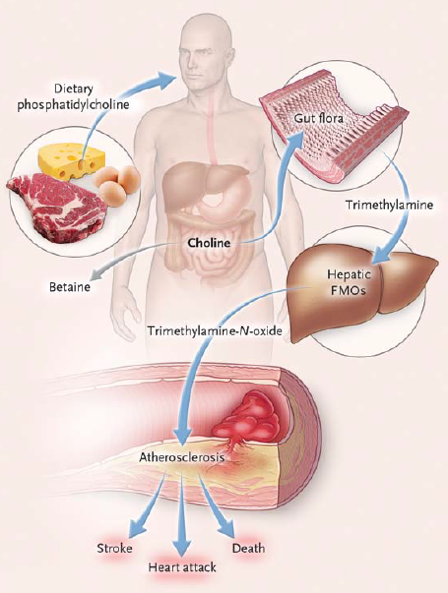
A new Cleveland Clinic study links a particular type of metabolite called Trimethylamine (TMA) N-oxide or TMAO as a recently discovered independent risk factor for coronary artery disease and strokes. This chemical interacts with the lining of our arteries leading cholesterol plaques. Harmful intestinal bacteria breakdown a chemical called choline that is in egg yolk, liver, beef, and pork. The breakdown metabolite called TMA is converted by the liver into TMAO.

TMAO: The New Culprit

High plasma levels of TMAO correlated with an increased risk of major adverse cardiovascular events that is independent of traditional risk factors like hypercholesterolemia (high cholesterol), smoking and hypertension. The authors of the study recommend limiting the intake of the choline containing foods and adding a beneficial probiotic that will reduce the harmful bacteria that metabolize choline. “This is a very exciting study,” said Dr. Crandall. “It gives us a brand new way of looking at heart disease. It also opens an avenue for new tests and treatments.”

The discovery of the heart disease-causing bacteria might explain why about half of those who die of sudden heart attacks have no known risk factors for heart disease, like high blood pressure, cholesterol or diabetes, he noted.

Lowering circulating blood total cholesterol and LDL cholesterol (bad cholesterol)

In another study from the American Heart Association, researchers tracked cholesterol esters bound to saturated fat, which has been linked to dangerous arterial plaque buildup and occurs at higher levels in coronary artery disease in patients.

The study involved 127 adult patients with high cholesterol. About half the participants took a probiotic called Lactobacillus reuteri NCIMB 30242 twice a day while the other half of the group were given placebo capsules. Those taking the probiotic had LDL levels 11.6 percent lower than those on placebo after nine weeks. Furthermore, cholesterol esters were reduced by 6.3 percent and cholesterol ester saturated fatty acids by 8.8 percent, compared with the placebo group.

Scientists have proposed that Lactobacillus bacteria alone may impact cholesterol levels in several ways, including breaking apart molecules known as bile salts which results in lower production of cholesterol by the liver.

If you are struggling with cholesterol-related health problems or are on a weight loss program that isn’t working for you, consider meeting with your medical practitioner and adding a high quality probiotic like EndoMune to lessen risk factors for cardiovascular disease.

Probiotics may lower the risk for heart disease? Research says, ‘yes’! Read More »

Could a Mediterranean diet help your heart and gut?

Trimethylamine N-oxide (TMAO) is a trouble-making metabolite produced by the liver after your gut bacteria digests animal protein that contributes to heart disease.

You may be familiar with our reporting on TMAO, as a number of researchers have targeted it, most recently using allicin, a sulfur-based compound in garlic, to reduce its chemical footprint and improve cardiovascular health significantly.

The goal: Develop safer ways to treat TMAO without resorting to antibiotics that promote the depletion of good and bad bacteria in the gut.

Previously, scientists had also tried unsuccessfully to stop the process by inhibiting host enzymes that converted trimethylamine (TMA) into TMAO until liver damage was detected.

A second TMAO-related study conducted by the Cleveland Clinic has discovered another way to fight atherosclerosis/heart disease by targeting gut molecules with DMB, a chemical compound contained in foods associated with the Mediterranean Diet.

This chemical is naturally found in grape seed oils, balsamic vinegars and cold-pressed extra virgin olive oils, according to the study appearing in Cell.

In testing on mice predisposed to atherosclerosis that were fed a choline-rich diet, DMB cut TMAO levels sharply by limiting the formation of TMA.

Two more important advantages of DMB:

  • Unlike antibiotics, DMB didn’t wipe out gut bacteria and limited the amounts of some microbes linked to higher levels of TMA. This could mean gut bacteria may not develop a resistance to DMB, unlike antibiotics.
  • DMB would work differently than drugs like Lipitor that lower cholesterol, as it would target gut bacteria, not human cells.

Should human trials by successful down the road, researchers believe this could lead to other investigations, and the development of a drug.

“If we replicate our findings in upcoming human studies, this could be a whole new approach to the treatment of cardiovascular and metabolic diseases,” says senior study author Dr. Stanley Hazen, according to a press release.

“In the meantime, our findings suggest that it might not be a bad idea to consume a Mediterranean diet to help stave off heart disease and other health problems.”

Adding a healthy amount of dietary fiber to your diet along with a multi-strain probiotic, like EndoMune Advanced Probiotic, also offers greater protection from cardiovascular disease.

Could a Mediterranean diet help your heart and gut? Read More »

This Diabetes Drug may Benefit your Gut

In the past, we’ve discussed how some drugs — heartburn meds and antibiotics — harm the delicate balance of gut bacteria, making your body more vulnerable to serious health problems.

However, at least one very common drug used by type 2 diabetes patients to control their blood sugar — metformin (Fortamet and Glumetza are brand names) — may work primarily in the gut and be beneficial for gut health, based on findings of recent studies.

In the gut, not the bloodstream

Scientists at the University of North Carolina (UNC) School of Medicine discovered the connection between metformin and gut health, erasing some 60 years of assumptions that the type 2 diabetes drug worked primarily in the bloodstream, according to a Diabetes Care study.

This discovery was critical because some type 2 diabetes patients with kidney issues accumulate too much metformin in their blood, which may leave them vulnerable to other serious problems so they can’t take it.

“These findings create an opportunity to develop a new metformin treatment option for the 40 percent of patients that currently can’t take this first-line drug of choice,” says Dr. John Buse, lead author of the study and director of the Diabetes Care Center at the UNC’s School of Medicine, according to a press release.

Scientists compared the effect of three kinds of metformin — delayed-release (DR), extended-release (XR) and immediate-release (IR) — on healthy patients and those with type 2 diabetes in this two-phase study.

In phase 1 testing on 20 healthy patients, scientists found roughly half as much of the DR version of metformin in their blood compared to IR and XR forms.

Various doses of Metformin DR also performed well in phase 2 testing (comparing it to Metformin XR or a placebo in type 2 diabetes patients), as the potency of the delayed-release version increased by 40 percent.

Improved fatty acid production

A separate study conducted by European and Chinese researchers also observed the positive effects of metformin on the gut health of type 2 diabetics, even over healthy patients, featured in the journal Nature.

The gut microbiomes of type 2 diabetics from Europe and China who took metformin generated more specific kinds of beneficial short-chain fatty acids (butyric acid and propionic acid) that lowered blood sugar levels.

“We weren’t able to show that other types of anti-diabetic drugs had any actual impact on the gut microbiota,” says senior study author Dr. Olaf Borbye Petersen of the University of Copenhagen, according to a press release.

“When studying type 2 diabetes patients not being treated with metformin, we did, however, discover that they — irrespective of whether they were from Denmark, China or Sweden — had fewer of the bacteria which produce the health-promoting short-chain fatty acids.”

But, does this discovery mean the lack of fatty acid-producing bacterial species in the gut contributes to type 2 diabetes? Stay tuned for more research, says Dr. Petersen.

These findings may also explain why metformin patients experience increased flatulence and bloating, as those treated with the drug have more coliform bacteria in their gut.

Could taking a daily probiotic like EndoMune Advanced Probiotic that contains multiple strains of beneficial bacteria also make a difference in the treatment of type 2 diabetes?

Only time will tell…

This Diabetes Drug may Benefit your Gut Read More »

Protect your health from E. coli

You can’t help but hear about recent problems with foodborne illnesses and wonder when — not if — one bad meal will make you or your family sick… or worse.

Even more distressing are daily news reports that more big box retailers, restaurants and food companies are reporting problems with making, handling and distributing our foods safely.

Escherichia coli, better known as E. coli, has been one of the more recent and popular bacterial invaders hiding in tainted rotisserie chicken salad at Costco Warehouse Club or unknown, sickening ingredients in foods prepared at Chipotle Mexican Grill restaurants.

Yet, E. coli is one of the most common types of bacteria around, living harmlessly in guts of humans and animals. Moreover, a recent University of Michigan study discovered how a protein in E. coli may be responsible for inhibiting the spread of Parkinson’s disease.

So, you may be wondering how E. coli bacteria can be benign, yet so dangerous.

The Dangers of E. coli

When some forms of E. coli spread into our environment from improper food handling, processing or cooking, contact with contaminated water or working with animals, given our national and international food supply chain and less funding at the federal level for food safety, people get sick.

Some 48 million Americans are sickened by a foodborne illness, and more than 125,000 are hospitalized every year, according to the Center for Science in the Public Interest’s latest Outbreak Alert that analyzed data collected for a decade.

For most who come in contact with E. coli, the uncomfortable symptoms — severe abdominal cramping, watery diarrhea and gas — will pass within 10 days, if not sooner. If these symptoms sound very familiar to you, they’re also associated with traveler’s diarrhea.

However, one serious and infectious complication with E. colihemolytic uremic syndrome — destroys red blood cells and may lead to kidney failure and dialysis treatments.

Follow These Steps to Avoid E. coli

Fortunately, the steps you can take to avoid being sickened by E. coli are very easy to follow.

  • Wash your hands before preparing foods and after contact with barnyard animals (sheep, goats and cows) with plain soap (no antibacterial substances) and clean water.
  • Also, wash all fruits and vegetables thoroughly before cooking or eating them.
  • Cook meats at the proper minimum internal temperature.
  • The same “keep it clean” mantra also applies to cutting boards, plates, countertops, cooking surfaces and utensils.

Taking a daily probiotic, ideally containing with multiple species of beneficial bacteria — like EndoMune Advanced Probiotic and EndoMune Kids — strengthens the immune system that protects your health from nasty foodborne problems like E. coli.

Protect your health from E. coli Read More »

Your gut health balance affects chemo treatments

Your ability to maintain a diverse, thriving gut microbiome by eating the right foods, using antibiotics only when you must and taking a multi-species probiotic ensures it is capable of protecting your overall health even when the worst case scenarios happen.

Like cancer.

A growing number of studies are showing how gut health is an important part in helping chemotherapy and anti-tumor drugs do their job to eradicate cancer.

No gut bacteria, no luck

A pair of studies cited in a 2014 American Cancer Society report compared the effect of specific kinds of cancer therapies — drugs, immunotherapy and platinum chemotherapy — based on its effect on germ-free mice lacking gut bacteria or animals treated with antibiotics.

No surprise, in both studies, these cancer-fighting weapons were much more effective with mice that had good gut health.

The results were most apparent in a study conducted by the French Institute of Health and Medical Research in testing the cancer drug cyclophosphamide.

In this study, researchers discovered cyclophosphamide worked best in healthier bodies because the drug affected the composition of their microbiomes that generates more immune cells and eliminates tumors.

The importance of gut health diversity before chemo

A more recent study, a collaboration by researchers at M.D. Anderson’s Infectious Diseases department and the Alkek Center for Metagenomics and Microbiome Research at Baylor College of Medicine in Houston, shows how gut diversity can be so vital to the health of cancer patients even before they begin induction chemotherapy.

Scientists examined stool and oral samples taken from 34 patients with acute myelogenous leukemia (AML) at three-day intervals during a 26-day course of chemotherapy.

Also, all patients were given antibiotics, no friend to good gut health, at least five times over more than six days. The concern: Physicians treat neutropenic fever, a common problem among AML patients on chemotherapy when body temperatures rise above 100˚, with antibiotics.

Interestingly, a third of the patients who maintained the diversity of their gut health or improved it experienced no infections over a 90-day span. However, 23 of the 34 patients experienced a drop in diversity over the same time and nine suffered from infections.

In fact, lead researcher Dr. Jessica Galloway-Pena of M.D. Anderson says she wants to use the human gut microbiome “as a tool” to spot which patients need extra treatments, or be prescribed a special diet, fecal transplant or probiotics, according to Medscape Medical News.

“I really think it’s not just one (species). I think it’s the community (of species) that strikes a balance. That’s why I’m not that big a proponent of probiotics with one species. I really think it’s going to be a cocktail of species that’s going to improve your outcome,” says Dr. Galloway-Pena in a recent YouTube video about her study.

This provides more evidence that taking a probiotic containing just one species of beneficial bacteria can do some good, but not nearly as much as one that contains multiple strains of beneficial bacteria, like EndoMune Advanced Probiotic and EndoMune Kids.

Your gut health balance affects chemo treatments Read More »

Ready for your flu shot?

As the fall colors come and the temperatures get cooler, you realize it’s time to start thinking about getting that annual flu shot.

All the reminders — signs galore along with being asked many times at your neighborhood grocery store, local pharmacy and even your workplace — are already in place. But you just say, “No, not today,” as politely and quickly as you can, then change the subject (or walk away quickly).

There are good reasons why some people shouldn’t get a flu shot (or a nasal spray vaccine). The most popular ones are linked to severe allergies to vaccine ingredients, age restrictions, problems with Guillain-Barre Syndrome and the current state of your health (review the full list on the CDC website).

Still, we know what you’re probably thinking…

  1. The last time I had a flu shot, it made me sick.
  2. The last time I had a flu shot, I caught it anyway.
  3. I never get sick, so I can’t spread the flu around.
  4. I take a probiotic… Isn’t that enough to keep the flu away?

Before you risk going it alone during the upcoming flu season, let’s address those aforementioned reasons/excuses with some solid health information.

The last time I had a flu shot, it made me sick. If a flu vaccine made you slightly sick, that’s not uncommon. Most people develop temporary soreness or swelling where the flu shot is delivered. Some reactions may include a low-grade fever and aches, and can last up to two days.

The last time I had a flu shot, I caught it anyway. Flu vaccines are made from an inactive or weakened virus that doesn’t make you sick. Also, the flu shot may take up to 14 days to create a protective effect in your body.

I never get sick, so I can’t spread the flu around. You may eat a healthy diet and wash your hands regularly, but you can pass the flu to others without showing any symptoms.

I take a probiotic… Isn’t that enough to keep the flu away? By itself, protecting your gut health helps. However, a recent study showed how good gut health may increase the beneficial effect of vaccines, and exposure to antibiotics diminishes it.

Taking a probiotic filled with multiple species of beneficial bacteria — like EndoMune Advanced Probiotic and EndoMune Kids — along with a flu shot, can provide the extra boost you need to stay healthy during this flu season.

Ready for your flu shot? Read More »

Could one molecule affect your immune health?

Since the development and wide use of penicillin during World War II, and a long time afterward, antibiotics were considered the Holy Grail of modern medicine.

That was true until our bodies became exposed too often to antibiotics and anti-microbial substances in the foods and soaps we use, cancelling out any benefits, crippling our immune systems and creating more serious diseases and conditions in their wake.

Researchers at the University of Chicago may have discovered a missing link on white blood cells that tie our immune system to higher amounts of good bacteria, according to a study appearing in the journal Immunity.

In tests on mice, scientists learned intestinal immune cells — type 3 innate lymphoid cells (ILC3s) — were crippled in responding to bacterial infections when lacking a single, binding ID2 protein.

Without this protein, ILC3 cells were unable to produce IL-22 molecules that spur other intestinal cells to create antimicrobial peptides, which protect our bodies from infections.

Researchers confirmed these results after transplanting ILC3 cells with or without the ID2 protein into germ-free mice. Animals not receiving the ID2-enriched immune cells were unable to fight off infections when exposed to bad bacteria, while those given protein-enriched cells resisted them.

“Given the rapid rise of harmful bacteria that are resistant to antibiotics, it is paramount that scientists find methods of limiting harmful bacterial infections without the use of antibiotics,” says Dr. Yang-Xin Fu, senior author of the study in a press release.

“For future patients who are infected with harmful bacteria, it might be beneficial to promote the development of good gut microbiota to indirectly kill harmful bacteria, instead of using antibiotics.”

Back to penicillin, Dr. Alexander Fleming discovered the wonder drug in 1928 and was one of three scientists awarded the Nobel Prize in Physiology or Medicine for its development 17 years later.

During his acceptance speech 70 years ago, Dr. Fleming warned people that overuse of penicillin to fight disease might be linked to the very same bacterial resistance problems we face today.

However, there are very natural and safe ways to maintain the balance of good bacteria in your gut that antibiotics deplete, with the help of probiotics.

A rule of thumb about taking probiotics: Waiting about two hours after taking an antibiotic to take a probiotic will lessen the risk of the drug diminishing the billions of live, beneficial bacteria that protect your health.

Also, you’ll want to take a probiotic that contains multiple strains of beneficial bacteria, like EndoMune Advanced Probiotic and EndoMune Kids.

Could one molecule affect your immune health? Read More »

Scroll to Top