Free shipping on all orders over $125*

Synbiotic Blend of 10 Beneficial Strains, Developed by Board-Certified Gastroenterologist

Probiotics

Probiotics, according to a large number of  studies indicate that probiotics help restore and maintain healthy guts leading to overall better health.

prostate health. gut-prostate axis

Broccoli, Turmeric and Probiotics: What a Recent Study Reveals About Prostate Health

For many men with low‑risk prostate cancer, “watch and wait” (active surveillance) is a double‑edged sword. It helps avoid surgery or radiation and the side effects of those treatments, but every PSA test or MRI is a new source of anxiety.

Fortunately, a recent 4‑month trial suggests a hopeful message: combining concentrated plant nutrients with specific probiotics may help reduce common “warning signals,” while also supporting urinary and sexual function. The way it seems to work is through a connection many men haven’t heard of yet — the gut–prostate axis.

The Study in Plain English

Researchers enrolled 208 men with low‑risk prostate cancer who’d chosen active surveillance at a leading UK hospital, instead of jumping straight into invasive treatments.  Blood tests (PSA), MRIs, and other typical symptoms were carefully tracked in these men.

In this study, everyone took the same daily capsule packed with plant‑based ingredients, including:

  • Broccoli and Other Cruciferous Extracts
  • Turmeric (Curcumin)
  • Pomegranate, Berries, and Green Tea Compounds

These plants are rich in natural phytochemicals that have been studied for decades thanks to their anti‑inflammatory and antioxidant effects.

However, the key aspect of the study was that half of the men also received a probiotic supplement containing live Lactobacillus probiotic bacteria. The other half received a placebo.

What Happened Over 4 Months?

Plants Helped, Plants Plus Probiotics Helped More

Before the trial, the men’s PSA levels were rising by about 20% during each preceding 4‑month period, an ominous trend that these men may eventually need invasive treatment. Fortunately, the study produced encouraging results:

  • Men Who Received the Plant Capsule with a Placebo Experienced, on Average, a 6.5% Slower Increase in their PSA Levels.
  • Men Who Took a Plant Capsule with a Probiotic saw a 21% Average Reduction in their PSA levels.

In other words, although the plant extracts alone appeared to slow things down, pairing the same plant extract with Lactobacillus probiotics produced a more favorable PSA reduction.

Quality of Life Matters: Urinary and Sexual Function

For men on active surveillance, staying comfortable and confident day‑to‑day is a big deal. In this trial both groups experienced the following improvements:

  • Urinary Symptoms (Like Frequency, Urgency, or Weak Flow) Improved 25% on Average.
  • Erectile Function Scores Improved By Roughly 11% on Average.

These changes matter, because they can help men feel better while they and their urologists watch and decide on next steps.

Inflammation: Probiotics Helped

The researchers also tracked a simple blood marker of systemic inflammation called the neutrophil‑to‑lymphocyte ratio.

  • In The Plant‑Only Group, This Marker Increased, Suggesting More Systemic Inflammation.
  • In The Plant‑Plus‑Probiotic Group, It Decreased, Suggesting Less Systemic Inflammation.

Since chronic inflammation is linked to many chronic diseases, including cancer, that shift is encouraging.

Was It The Veggies Or The Probiotics?

The honest answer is both.

  • The Plant Capsule with Extracts was The Foundation of Improvements for Each Group, and Both Groups Saw Slower Average PSA Rises Compared to Their Individual Prior Trends.
  • Probiotics Amplified The Effect Of The Plant Extracts. Adding Lactobacillus On Top Of The Extracts Was Associated With PSA Reductions, And Reduced Inflammation.

This is encouraging news and is simple and cost effective: nutrients from plants set the stage, and a healthy, balanced microbiome helps your body do more with them.

The Gut–Prostate Axis: Why Your Microbiome Matters

The gut–brain axis is old news and well established, and a growing body of research is revealing a similar connection between the gut and the prostate.

Here’s how probiotics may support this connection:

  • Better Use of Plant Compounds: If you take plant-based extract supplements, Lactobacillus and other beneficial probiotic bacteria help break down polyphenols into smaller, more absorbable forms. That turbo charges the benefits of the micronutrients of the plant compounds in your body.
  • Stronger Gut Barrier, Lower Inflammation: A healthy gut barrier reduces unwanted substances leaking into the bloodstream and triggering an immune response, which reduces inflammation; probiotics help reinforce this barrier.
  • Systemic Effects Reach the Prostate: Hormones, immune signals, and metabolic byproducts circulate throughout the body, including the prostate, so lower inflammation and better nutrient absorption may create a more favorable environment for prostate health.

How This Fits with Earlier Prostate Research

This isn’t the first time a plant‑rich formula was studied and shown to slow PSA rises:

  • In a previous study, a supplement containing pomegranate, green tea, broccoli, and turmeric significantly slowed PSA progression compared with placebo in men with prostate cancer.
  • A separate sulforaphane (broccoli‑sprout extract) trial extended PSA doubling time in men with biochemical recurrence.

Where Does EndoMune Fit In For Prostate Health?

The study supports the principles EndoMune was founded on:

  • Advanced EndoMune Probiotic is a Multi‑Strain, Lactobacillus‑Rich Formula That Helps Maintain Microbiome Diversity and Balance.
  • It’s Designed to Reduce Gut‑Driven Inflammation, Which Can Influence Your Overall Health Well Beyond Digestion.
  • Working with a Fiber‑Rich Diet, Not Instead of one.

For men on active surveillance or simply wanting to support a healthy lifestyle, a practical approach includes a plant‑rich diet and talking with their doctor about whether adding a multi‑strain probiotic like EndoMune makes sense.

Always discuss any new supplement you’re considering with your urologist or primary care provider, especially if you have a history of prostate cancer or are on prescription medications.

The Bottom Line For Men and Their Partners

This new study doesn’t claim to cure, and it doesn’t mean probiotics alone can control prostate cancer. But it does offer encouraging evidence that concentrated plant nutrients can help slow some of the warning signs doctors track, and that adding the right probiotics seems to enhance the body’s ability to use the nutrients and slow the progress of PSA markers and support a better quality of life.


Sources Used:

Here are direct links for the main sources:

Broccoli, Turmeric and Probiotics: What a Recent Study Reveals About Prostate Health Read More »

gut health may support brain health, gut-brain connection

Gut Health May Support Brain Health

Could a Healthier Gut Help Protect Your Memory as You Age?

New research from Stanford Medicine sheds fascinating light on a question that matters to all of us: Why do some people stay mentally sharp well into old age, while others begin experiencing memory loss in their 50s or 60s?

The answer, according to a study published March 11, 2026, in Nature, may have a lot to do with what’s happening in your gut — not just in your brain. [med.stanford]​

What the Study Found

Researchers at Stanford Medicine and the Arc Institute discovered that as mice age, the composition of their gut microbiome — the community of bacteria living in the intestines — changes significantly. These microbial shifts trigger an inflammatory response in gut immune cells, which interferes with the vagus nerve, the critical communication highway connecting the gut to the brain. When that gut-brain “signal” weakens, the hippocampus (the brain’s memory center) becomes less active, and memory formation suffers.

In short: an aging, imbalanced gut microbiome may be quietly turning down the volume on your brain.

Perhaps most striking was what happened when researchers restored gut-brain communication in older animals. Once the gut health of old mice was reset, they performed just as well as young mice on memory and spatial navigation tests. As lead researcher, Dr. Christoph Thaiss put it, the gastrointestinal tract acts like “a remote control for the brain.”

The researchers also found that when young mice were given bacteria from the microbiomes of older mice, their cognitive performance dropped — mimicking the memory struggles of aging. When those same young mice were treated to clear out the older mice’s bacterial populations, their cognitive abilities bounced back.

Why This Matters for You

This research was conducted in mice, and human studies are the important next step. Nevertheless, the implications are hard to ignore: the health of your gut microbiome may play a meaningful role in how well your brain ages.

We’ve long known that the gut microbiome influences digestion, immunity, and overall health. Now, emerging science suggests it may also influence cognitive resilience — your brain’s ability to stay sharp over time.

The good news? Unlike your age, your gut microbiome is something you can actually influence.

Supporting Your Gut Health May Support Brain Health

While no supplement or probiotic is a guaranteed shield against cognitive decline, supporting a healthy, diverse gut microbiome is a reasonable and well-grounded strategy for overall wellness — and potentially for brain health, too. Here’s what that can look like in practice:

  • Eat a Fiber-Rich, Varied Diet — vegetables, fruits, legumes, and whole grains help feed beneficial gut bacteria.
  • Include Fermented Foods — yogurt, kefir, sauerkraut, and kimchi can contribute to microbiome diversity.
  • Limit Unnecessary Antibiotic Use — while antibiotics are sometimes essential, they can significantly disrupt gut bacterial balance.
  • Take a Quality Probiotic — a daily probiotic supplement helps replenish and maintain beneficial bacteria in your gut.

At EndoMune, our probiotics are formulated with multiple species and strains of beneficial bacteria to support a balanced, thriving microbiome — the kind of gut health that this emerging science suggests may be important not just for your digestion, but for your long-term cognitive well-being.

The Bottom Line

A recent Stanford Medicine research study adds to a growing body of evidence that the gut and the brain are far more connected than we once thought. Memory loss and cognitive decline may not be entirely “hardwired” into our biology — they may be influenced, at least in part, by what’s going on in our gut. [med.stanford]​

That’s an empowering idea. And it’s one more reason to take your gut health seriously — not just for how you feel today, but for how sharp you want to be tomorrow.

This blog post is for informational purposes only and is not intended as medical advice. Always consult your healthcare provider with questions about your health.

Gut Health May Support Brain Health Read More »

Cold season defense, girl with a cough, endomune probiotics helping fight germs.

Cold Season Defense: How Probiotics Strengthen Your Immune System When It Matters Most

During winter months, we see more colds, more missed days of work and school, and more families looking for natural immune support. In one large clinical trial, people taking a specific probiotic mix had cold season symptoms on only 4.5% of study days compared with 6.7% for placebo, a relative reduction of about one-third in the time they felt sick.


Key Takeaways

Question

Answer

How do probiotics help immunity during cold season? They support gut health, where most of the immune system resides, helping balance good bacteria and modulate immune responses. Learn more in our article on the gut–immune system connection.
Can probiotics shorten colds? Clinical trials show certain probiotic blends can reduce how many days people experience cold symptoms and may lessen severity.
Which probiotic is best for general immune support? A multi-strain, high CFU formula with a prebiotic, such as EndoMune Advanced Probiotic, provides broad support for gut and immune health.
What about children’s immunity during winter? Kid-specific probiotics can support digestive and immune health. Explore child-focused options in our Children’s Health category.
Are infant probiotics useful for early immune support? Gentle infant probiotics help establish a healthy gut, which naturally supports developing immunity. Learn more in our article on probiotics for preterm and newborn babies.
Where can I view all EndoMune probiotic supplements? You can see our full line of gut and immune support formulas in the Shop Probiotics section.


1. Why Cold Season Challenges Your Immune System

Cold season brings together several stressors on your immune system, including more time indoors, drier air, and greater exposure to respiratory viruses. At the same time, holiday eating patterns, travel, and higher stress can disrupt the gut, which is home to much of the body’s immune activity.

When gut balance shifts, the immune system can become less efficient at recognizing and responding to everyday threats. We see this play out as more frequent colds, longer symptom duration, and slower recovery, especially in families juggling work, school, and childcare.

The Gut–Immune Connection In Winter

Research has linked specific gut microbes to upper respiratory tract infection risk, which reinforces how closely the gut and respiratory immune systems communicate. During cold months, supporting a healthy gut environment helps maintain this communication so immune cells respond quickly and appropriately.

This is where a well-formulated probiotic supplement can be a practical daily tool. By providing beneficial bacteria and, in some cases, prebiotic fibers, probiotics help maintain a resilient gut environment that supports immune defenses when exposure risk is highest.


2. How Probiotics Help Your Immune System Fight Colds

Probiotics support immunity during cold season in several complementary ways. They help crowd out potentially harmful bacteria in the gut, support the gut barrier, and influence immune cell activity.

In practical terms, this can mean fewer days with symptoms, less severe congestion or sore throat, and a quicker return to normal routines. Clinical studies in adults and children show that targeted probiotics can shorten the duration of cold and flu-like symptoms and reduce the need for medications like fever reducers.

Key Gut–Immune Actions Of Probiotics

  • Support the balance of beneficial bacteria, which helps keep the gut lining healthy.
  • Interact with immune cells in the intestinal wall, helping regulate inflammation.
  • Encourage production of antibodies, including IgA, that protect mucosal surfaces like the nose and throat.
  • Help the body respond more effectively to everyday viral exposures during winter.

Because 70 percent or more of the immune system is associated with the gut, this kind of daily support can make a meaningful difference in how you experience cold season. That is why many of our customers use a daily probiotic as part of their core wellness routine alongside sleep, nutrition, and hygiene.


3. Science Spotlight: What Clinical Trials Show About Probiotics And Colds

Several well-designed human studies have examined how probiotics impact respiratory infections and cold symptoms. In adults, one randomized controlled trial found that a specific probiotic mix cut the proportion of days with cold symptoms by about one-third compared to placebo.

In children, another trial showed that those receiving a probiotic had fevers that lasted about 2 days less than the placebo group during upper respiratory infections. Shorter fever duration means fewer missed school days and less stress for parents.

What This Means For Real Life

These trials do not mean that probiotics completely prevent every cold, and no supplement can promise that. What they suggest is that when illness does occur, a healthy gut supported by probiotics may help you and your family feel better sooner and with less intensity.

When we design an advanced probiotic supplement, we look closely at this kind of data, focusing on multi-strain formulas and adequate CFU counts that align with what has been studied in humans during cold and flu seasons.

Did you know?

In children with upper respiratory tract infections, fever duration was about 2 days shorter (median 3 days vs 5 days) when they received a probiotic compared with placebo.

4. EndoMune Advanced Probiotic: Daily Gut And Immune Support For Adults
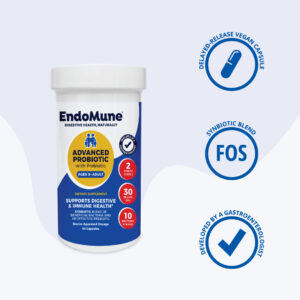
EndoMune Advanced Probiotics for Gut Health

For adults looking for daily support during cold season, EndoMune Advanced Probiotic is our flagship formula. It contains a synbiotic blend of 10 beneficial strains and a prebiotic to promote the growth of healthy bacteria in the gut.

Each delayed-release vegan capsule delivers 30 billion CFUs, designed to survive stomach acid and reach the intestines where they can offer the most benefit. At $42.95 per bottle, it provides a month of once-daily support for gut and immune health.

Why We Formulated This Advanced Probiotic

  • Developed by a practicing board-certified gastroenterologist who has seen firsthand how gut health impacts immunity.
  • Includes the prebiotic fructooligosaccharides (FOS) to nourish beneficial bacteria already living in your gut.
  • Supports digestive comfort while helping maintain a robust immune system, particularly helpful during winter.

You can take one capsule daily with or without food, and if you prefer, you can open the capsule and sprinkle it on soft food or mix it into a smoothie. This flexibility makes it easier to stay consistent, which is important when you want steady support across the entire cold season.

Cold Season Support infographic

This infographic explains five ways probiotics support immunity during the cold season.
Learn practical steps to include probiotic-rich foods in your routine.


5. Supporting Metabolic And Immune Health Together With EndoMune Metabolic Rescue
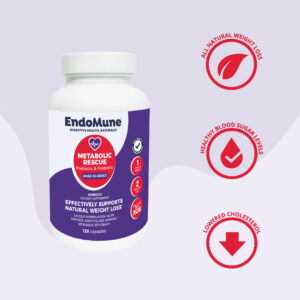
EndoMune Metabolic Rescue Probiotic for Weight and Metabolism

Cold season often coincides with changes in eating patterns, weight gain, and higher blood sugar swings, all of which can affect immune resilience. EndoMune Metabolic Rescue is a

carefully formulated prebiotic and probiotic combination designed to support metabolic efficiency while still offering all-natural gut support.

This advanced formula helps maintain healthy blood sugar and cholesterol levels while supporting regularity and overall digestive comfort. Better metabolic health can work hand in hand with a healthy immune system, particularly during the winter months when lifestyle habits sometimes shift.

How This Probiotic Supplement Fits A Winter Routine

  • Provides a blend of targeted strains plus prebiotics to support gut metabolism and beneficial bacteria.
  • Daily dosage is four capsules, taken as two capsules twice per day, which you can coordinate with meals.
  • At $44.95 per bottle, it offers an option for adults who want gut and metabolic support together during cold season.

Many of our patients and customers like to pair a metabolic-focused probiotic with lifestyle steps like consistent movement and balanced meals. Together, these choices can help keep energy and immunity steadier through the darker, colder months.


6. Immune Support For The Youngest: EndoMune Baby Probiotic Powder

Infants and toddlers face their own set of cold season challenges as their immune systemsEndoMune Baby Powder Probiotics for Gut Health learn to recognize new viruses. A healthy gut is crucial during this time because it helps train the immune system while supporting comfortable digestion.
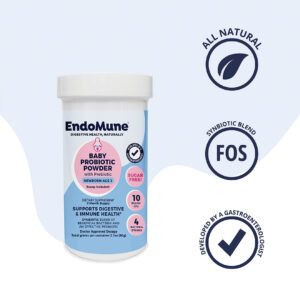
EndoMune Baby Probiotic Powder is a gentle probiotic supplement for newborns to age 3, including those delivered by Caesarean section or those who struggle with infantile colic. Each serving provides 10 billion CFUs with a prebiotic to foster a healthy gut environment.

How This Infant Probiotic Supports Immunity

  • Promotes digestive health, which naturally supports immune development in early life.
  • Includes a prebiotic to help beneficial bacteria thrive, particularly important in babies with early antibiotic exposure.
  • Easy to use: simply mix one scoop into breast milk, formula, or soft food once daily.

At $29.95 per bottle, this powder provides a month of infant-friendly gut and immune support. For families wanting to stay prepared through cold season, the EndoMune Baby Powder Twin Pack offers 10 percent savings at $53.91.


7. Kid-Friendly Immunity: EndoMune Kids Advanced ChewablesEndoMune KIds Chewable Probiotics for Gut Health
School-age children encounter many respiratory viruses during fall and winter, from classroom exposures to sports and playdates. Supporting their gut health with a child-focused probiotic can help keep their digestive and immune systems resilient.

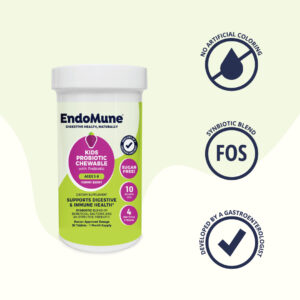
EndoMune Kids Advanced Chewable Probiotic delivers 10 billion CFUs per tablet in a sugar-free, kid-approved chewable. The EndoMune Kids Chewable Twin Pack, priced at $59.31, is ideal for families who want an ample supply through the season.

How Our Kids Probiotic Fits Daily Routines

  • Children ages 3 to 8 can chew one tablet daily, which fits easily into breakfast or bedtime routines.
  • We recommend taking it two hours before or after antibiotics if your child needs those medications.
  • The blend includes both probiotics and prebiotics to help maintain a healthy balance of gut bacteria that supports immune function.

For families who want to try the formula first, our EndoMune Kids Advanced Chewable Probiotic Trial is available for $0.00, with a small shipping and handling fee. This lets you see how your child tolerates a probiotic supplement before committing to a full-size bottle.


Did You Know?

Genetic research has identified dozens of gut microbes associated with acute upper respiratory infections, underscoring how closely gut balance and cold risk are linked.

8. Building A Family Probiotic Plan For Cold Season

Many households want a coordinated approach, so every family member receives age-appropriate gut and immune support. That is why we created options that cover infants, children, and adults with consistent quality standards and similar usage patterns.

For example, parents may choose EndoMune Advanced Probiotic for themselves, EndoMune Kids Chewables for school-age children, and EndoMune Baby Probiotic Powder for the youngest family members. This creates a simple, daily routine that supports the gut health of the entire household through the winter months.

Comparing Key EndoMune Probiotic Options

Product
Best For
CFUs/Serving
Price
EndoMune Advanced Probiotic Adults seeking daily gut and immune support 30 Billion $42.95
EndoMune Kids Advanced Chewable Probiotic Children ages 3–8 10 Billion $32.95 (single bottle listing)
EndoMune Kids Chewable Twin Pack Families wanting extra supply 10 Billion per tablet $59.31
EndoMune Baby Probiotic Powder Newborns to age 3 10 Billion $29.95

Our EndoMune Family Pack, listed at $101.02, provides a convenient way to support adults and children together with a bundled option. For families that anticipate a busy winter with school and travel, having these probiotic supplements on hand can help you stay ready.


9. Practical Tips: Getting The Most From Probiotics During Cold Season

A probiotic supplement works best when it is part of a consistent, daily routine. We generally recommend taking your chosen EndoMune probiotic at the same time each day, such as with breakfast, to support steady gut health across the season.

If you or your child are taking antibiotics, separate the probiotic by at least two hours to support better survival of the beneficial bacteria. Continue using the probiotic for several weeks after the antibiotic course ends to help restore balance.

Other Habits That Work With Probiotics

  • Focus on whole foods with fiber, which act as natural prebiotics for your gut bacteria.
  • Practice regular handwashing and adequate sleep, since these are fundamental to immune strength.
  • Stay hydrated, especially in dry, heated indoor environments, to keep mucosal barriers healthy.

When these everyday steps are paired with an advanced probiotic supplement that supports gut health, you provide your body with multiple layers of defense during cold season. This comprehensive approach is what we encourage in our practice and in our product development.


10. Frequently Asked Questions About Probiotics And Winter Immunity

We often hear similar questions from patients and customers when they start thinking about probiotics for cold season. Clear answers help you decide how a gut health supplement can fit into your own plan.

How Long Should I Take A Probiotic Before Cold Season?

We typically suggest beginning at least a few weeks before peak cold and flu activity, and then continuing throughout winter. This gives your gut time to adjust and allows beneficial bacteria to establish a stable presence.

Can I Keep Taking Probiotics All Year?

Yes, many people safely use probiotics year-round to support ongoing gut and immune health. If you have specific medical conditions or concerns, discuss long-term use with your healthcare provider.

Do Probiotics Replace Flu Vaccination Or Other Medical Care?

No, probiotics are not a substitute for recommended vaccines or professional medical evaluation. We see them as one part of a comprehensive approach that includes vaccines, healthy lifestyle choices, and prompt medical care for concerning symptoms.


Conclusion

Cold season puts real pressure on your immune system, and supporting your gut is one of the most practical ways to strengthen your defenses. Clinical research shows that targeted probiotics can shorten the duration and reduce the severity of colds in both adults and children.

By choosing a high quality, multi-strain probiotic supplement like EndoMune Advanced Probiotic for adults, and our pediatric and infant formulas for younger family members, you give your gut and immune system daily support when it matters most. Combined with healthy lifestyle habits, probiotics offer a natural, science-backed way to navigate winter with greater resilience and comfort.


Cold Season Defense: How Probiotics Strengthen Your Immune System When It Matters Most Read More »

probiotics for weight and metabolism

Probiotics for Weight and Metabolism

Gut microbiome–focused probiotics are being tested not just for digestion, but for obesity, insulin resistance, and related metabolic health issues.  Two 2024–2025 studies show they are not magic weight‑loss pills, but they can help lose weight in several ways. The strongest benefits discovered so far link modest improvements in body fat, blood sugar, and mood when probiotics and probiotic supplements are paired with lifestyle habits like caloric restriction, exercise, and healthy food choices.


Why “Gut Bugs” Matter For Weight and Metabolism

Your gut is home to trillions of microbes that help break down food, harvest energy, and send signals that influence appetite, blood sugar, and inflammation. People with obesity often show lower bacterial diversity and fewer beneficial genera such as Akkermansia, Bifidobacterium, and Faecalibacterium, along with lower inflammation and disrupted gut–brain signals. This led researchers to treat the microbiome as a metabolic “organ,” where changing the mix of microbes might nudge weight, insulin sensitivity, and even sleep and mood in a healthier direction.


2025 Review: Metabolic Disease Becomes a Hot Spot

A 2025 bibliometric review of more than 3,600 clinical papers found that probiotics are being tested as potential treatments for many conditions. However, several metabolic “hot spots” stand out: inflammation, obesity, insulin resistance, hyperlipidemia, and related cardiometabolic diseases. Nutrition, microbiology, and gastroenterology journals are leading this research surge, with rapid growth in trials beginning about 2019 and a peak in probiotic‑clinical‑application publications in 2024. Within this landscape, obesity and insulin resistance show up repeatedly as priority themes, reflecting interest in probiotics as adjuncts to lifestyle changes, not replacements for diet or exercise.


2024 Caloric Restriction + Probiotic Trial: What Really Changed

A 2024–2025 randomized, double‑blind, placebo‑controlled trial in obese men tested 12 weeks of caloric restriction (CR) plus a probiotic versus CR plus placebo. Both groups followed a reduced‑calorie diet designed to create a negative energy balance, while the probiotic group received a multi‑strain supplement containing Lactobacillus and Bifidobacterium species thought to support gut–brain and metabolic health.


Key Everyday‑Language Outcomes:


Weight and Body Composition:

    • Both groups lost weight and body fat with CR.
    • Adding the probiotic did not significantly enhance total weight loss or body fat reduction compared with CR alone.

Quality of Life (QoL):

    • Caloric restriction improved obesity‑related QoL measures, but the probiotic did not produce extra, statistically clear QoL gains beyond CR.

Psychobiological Factors (Sleep, Anxiety, Depression):

    • Probiotic plus CR showed signals that symptoms related to anxiety and depression might be optimized, consistent with a gut–brain effect.
    • However, differences between groups at 12 weeks were small and not clearly significant, so this looks more like a “nudge” than a cure.

The authors concluded that probiotics did not boost weight loss beyond what you get from sticking to a calorie‑restricted diet, but they may have subtle benefits for mood‑related symptoms that ride along with obesity. For a consumer, that means probiotics are better viewed as a support tool layered onto diet and lifestyle, not as a main driver of fat loss.


What Realistic Expectations Look Like In 2026

Pulling these findings together, here is what current evidence suggests for gut bugs, weight, and metabolism:

man exercising for weight and metabolism, good for metabolic health

  • Most of The Heavy Lifting Still Comes From Caloric Deficit and Movement. In the 2024 CR trial, cutting calories drove the big changes in weight and fat mass; probiotics did not dramatically change the scale.
  • Probiotics May “Fine‑Tune” Metabolic Health. Targeted strains can modestly influence inflammation, lipid profiles, and glucose homeostasis in some studies, especially in people with insulin resistance, but effects are usually small and vary by product and person.
  • Gut–Brain Benefits May Matter Indirectly. If probiotics improve sleep quality, stress resilience, or low‑grade anxiety for some individuals, that can make it easier to stay consistent with diet and exercise—an indirect but practical metabolic advantage.
  • Product Choice and Duration Matter. Trials tend to use multi‑strain, high‑CFU products taken daily for at least 8–12 weeks, often alongside structured nutrition programs.

For someone hoping probiotics will melt away pounds while everything else stays the same, current 2024–2025 data say that is not realistic. For someone already working on calorie control, strength training, and sleep, a well‑designed probiotic may offer modest extra support for metabolic markers and mental well‑being.


How to apply this research in everyday life

If you are considering probiotics specifically for weight or metabolic health:
EndoMune Metabolic Rescue Probiotic for Weight and Metabolism

  • Pair them with a clear nutrition strategy (like moderate caloric restriction and higher‑fiber, minimally processed foods), echoing the design of recent RCTs.
  • Look for products that use well‑studied genera such as Lactobacillus and Bifidobacterium, which are central in metabolic health and gut–brain research.
  • Give it enough time—most body‑composition and metabolic trials run for at least 8–12 weeks, not just a few days.
  • Track more than the scale: energy, sleep, cravings, mood, and waist measurements may capture benefits that the mirror alone misses.

The bottom line is that your gut bugs are part of your metabolic team, not the entire game. In 2024–2025 trials, probiotics look most useful as smart “assist players” that might help your body and brain handle weight‑loss efforts better—not as solo superstars that replace the basics.

Probiotics for Weight and Metabolism Read More »

Probiotics for preterm babies

Probiotics for Preterm and Newborn Babies

Probiotics for Preterm and Newborn Babies: What a 2024 JAMA Trial Means for Parents

From the first days of life, your baby’s gut is hard at work building a community of bacteria that will help train the immune system, digest milk, and protect against infections. Whether your little one arrived full-term or early and needed time in the NICU, probiotics for newborns have become a major talking point among pediatricians and parents.

A landmark 2024 randomized clinical trial in JAMA Pediatrics—the PRIMAL study—offers important clues about when infant probiotics make sense, especially for vulnerable preterm babies, and how they might help all infants move toward a healthier, full‑term‑like gut microbiome.

For families who want day-to-day support for their baby’s digestion and immune health, these findings can also help frame conversations about gentle, infant‑focused products like EndoMune Baby Probiotic Powder, which is designed for babies delivered by C‑section, those struggling with colic, and children up to age 3.


What Was the PRIMAL Clinical Trial?

The PRIMAL study (Probiotic Microflora Adaptation in Lower‑weight infants) was designed to answer a very specific question: could a targeted probiotic blend protect preterm infants from “superbugs,” or multidrug‑resistant organisms (MDROs), in the NICU? Researchers focused on three strains that are common in healthy full-time infants:

  • Bifidobacterium longum subsp. infantis
  • Bifidobacterium animalis BB‑12
  • Lactobacillus acidophilus

Preterm babies in the trial either received this probiotic mix or a placebo, and the team tracked whether harmful, drug‑resistant bacteria colonized their guts as well as how their overall microbiome developed.


Can Probiotics Prevent Superbugs in the NICU?

One big question parents and clinicians ask is whether probiotics can stop dangerous, hospital‑acquired germs from taking over a fragile infant gut. In PRIMAL, the probiotic combination did not significantly prevent colonization with multidrug‑resistant organisms. That might sound disappointing at first, but it’s only part of the story.

The more encouraging finding is what happened to the overall gut landscape in probiotic‑treated babies. Even though probiotics didn’t act like a complete “shield” against every superbug, they still changed the microbiome in ways that look more like what we see in full-term infants.


Shifting Toward a Full‑Term Microbiome

The most exciting takeaway from PRIMAL is not what the probiotics blocked, but what they built. Babies who received the probiotic mixture developed gut communities that looked less like a typical preterm pattern and more like a healthy, full-time microbiome, with higher levels of beneficial Bifidobacterium.

A full‑term‑like microbiome dominated by bifidobacteria is important because it supports:

  • Immune system training. The gut acts as a classroom for the immune system, helping babies learn to respond to harmful germs without overreacting to harmless triggers.
  • Gut barrier strength. Friendly bacteria help seal the gut lining, which lowers the risk of infections and inflammation.
  • Nutrient absorption. A balanced microbiome helps infants get more out of breast milk or formula, including key vitamins and short‑chain fatty acids that nourish the gut.

In other words, even though PRIMAL didn’t prove that probiotics can “erase” superbug risks, it showed that the right strains can nudge preterm babies toward the kind of gut environment we want to see in full-time newborns.


What This Means for Preterm vs. Full‑Term Babies

For preterm babies, especially those spending time in the NICU, the PRIMAL data suggest that a carefully chosen probiotic blend can:

  • Support a more stable, bifidobacteria‑rich microbiome.
  • Potentially lower inflammation by shifting the overall gut environment.
  • Complement, but not replace, other essential NICU care like breast milk, infection control, and careful antibiotic use.

For full-term babies, especially those born by C‑section or who cannot receive exclusive breastfeeding, the same principles apply on a spectrum. These infants may also start life with less exposure to beneficial bacteria and may benefit from gentle probiotic support to help bridge that gap, particularly when digestion, gas, or colic are ongoing concerns.

This is where practical, at‑home options like EndoMune Baby Probiotic Powder come in: it is a synbiotic formula (probiotic plus prebiotic) created by a board‑certified gastroenterologist to support gut balance in C‑section infants, babies with colic, and toddlers up to age 3, outside the NICU setting.


Takeaways for Parents

If you are considering probiotics for your newborn or preterm infant, the 2024 PRIMAL trial offers a few clear messages:

  • Probiotics are not a forcefield against every hospital germ, but they can be a powerful tool for building a healthier foundation.
  • The most meaningful benefits seem to come from specific strains (like B. Infantis, BB‑12, and L. acidophilus) that help push the microbiome toward a full‑term‑like pattern.
  • A better‑balanced infant microbiome may support immune training, gut barrier function, and nutrient absorption during a critical window of development.

For many families, it makes sense to:

  • Ask their neonatologist or pediatrician about probiotic options in the NICU, especially for lower‑weight or very early preterm babies.
  • Discuss over‑the‑counter, infant‑focused products such as EndoMune Baby Probiotic Powder once their baby is ready to transition home, particularly for babies delivered by C‑section or those dealing with colic or frequent digestive upset.


What to Discuss With Your Pediatrician

Before starting any probiotic, especially in preterm or medically complex infants, it is essential to talk with your baby’s care team. Helpful questions include:

  • Does my baby have a preterm‑type gut profile or other risk factors that might make probiotics helpful right now?
  • Are the specific strains studied in preterm infants (such as B. infantis, B. animalis BB‑12, and L. acidophilus) appropriate for my baby’s current health status?
  • How would a gentle, multispecies infant product like EndoMune Baby Probiotic Powder fit with our feeding plan (breast milk, donor milk, or formula) and any medications my baby is taking?
  • When should we start, how long should we continue, and what signs of benefit or intolerance should we watch for?

By grounding your decisions in clinical data like the PRIMAL trial and working closely with your pediatrician, you can make a confident, individualized plan for using probiotics to support your baby’s gut health—whether your child was born right on time or arrived a little early.


Reference Study

For a deep dive into the clinical data, you can view the full study here: PRIMAL preterm-infant probiotic trial (JAMA Pediatrics 2024).

Probiotics for Preterm and Newborn Babies Read More »

Taking Probiotics With Antibiotics

Should You Take Probiotics With Antibiotics? What Recent Science Shows

If your doctor prescribes antibiotics for you or your teen, you might wonder whether adding a probiotic could help. The short answer from recent research: yes, taking probiotics with antibiotics can make a real difference in protecting your gut health.

New studies from 2024 to 2025 give us clearer answers than ever before about when pairing probiotics and antibiotics makes sense. But here’s the catch—not all probiotics work the same way. The type of probiotic you choose matters just as much as when and how you take it.

Why Antibiotics Mess With Your Gut

Think of your gut as a bustling city of microscopic residents. Antibiotics act like a powerful cleanup crew designed to eliminate the harmful bacteria causing your infection. The problem? They can’t always tell the difference between the “bad guys” and the helpful bacteria your body needs.

When antibiotics sweep through your digestive system, they can:

  • Reduce bacterial diversity – Your gut loses some of the variety of good bacteria that keep you healthy
  • Create openings for troublemakers – Harmful bacteria like C. DifficileE. Coli, or Klebsiella can take over the empty space
  • Leave behind resistance genes – Antibiotic-resistance genes can stick around in your gut, sometimes called the “gut resistome”

The more times you take antibiotics throughout your life, the harder it becomes for your gut to bounce back. That’s why many people notice worse digestive issues after each round of antibiotics.


What the 2024 Adult Study Discovered

A rigorous 2024 study tested what happens when adults take a multi-strain probiotic alongside their antibiotics. Researchers used a double-blind, placebo-controlled trial (the gold standard in medical research) to get reliable answers.

The Probiotic Formula They Tested:

The study capsule contained 35 billion CFU (colony-forming units) of five beneficial strains:

  • Lactobacillus acidophilus (two different strains)
  • Bifidobacterium bifidum
  • Bifidobacterium animalis subsp. lactis
  • Saccharomyces boulardii (a beneficial yeast)

Participants took one capsule daily for 10 days, starting when they began antibiotics and timing it at least 2 hours after each antibiotic dose.

What Researchers Found:

Compared to people taking a placebo, those taking the probiotic showed impressive gut-level benefits:

  • Their Gut Diversity Stayed Stable – The variety of bacteria species remained healthy, while the placebo group’s diversity dropped significantly
  • Good Bacteria Thrived – Lactobacilli and bifidobacteria populations stayed strong, and beneficial Bacteroides actually increased during recovery
  • Harmful Bacteria Decreased – Problem-causing species like E. ColiShigella, and Morganella dropped significantly below starting levels
  • Resistance Genes Went Down – Antibiotic-resistance genes decreased during treatment and stayed low 30 days later in the probiotic group, while they rebounded to baseline in the placebo group

In simple terms: taking the right probiotic during antibiotics helped people maintain a healthier, more balanced gut both during and after treatment.


The 2024 Study on Kids and Teens

Parents and pediatricians have long wondered whether probiotics help young people taking antibiotics. A 2024 analysis of a large pediatric study examined how a multispecies probiotic changed the gut microbiome of children taking broad-spectrum antibiotics.

Study Details:

  • Who Participated: 350 children and teens (ages 3 months to 18 years)
  • Why They Needed Antibiotics: Common infections like respiratory illnesses, urinary tract infections, and skin infections
  • The Probiotic Blend: 8 strains including Bifidobacterium and Lactobacillus species, given as 10 billion CFU per day

What the Study Found:

Children taking the probiotic had a significantly lower risk of antibiotic-associated diarrhea compared to those taking the placebo. This builds on the original trial’s findings and confirms that multi-strain probiotics can protect young people’s digestive systems during antibiotic treatment.

Bottom Line: For healthy teens, adults, and most children without serious immune problems, the evidence supports using a studied, multi-strain probiotic alongside antibiotics to reduce diarrhea risk and support balanced microbiome recovery.


Where Probiotics Like EndoMune Advanced Probiotic Fit In

Multi-strain formulas like EndoMune Advanced Probiotic share key features with the probiotics that performed well in recent clinical trials.

What Makes It Similar:

  • Multi-Strain Formula – EndoMune provides 10 different bacterial strains at 30 billion CFUs per capsule, within the evidence-based range (10-20+ billion CFUs) that studies use
  • Includes the Important Families – Both Lactobacillus and Bifidobacterium species are present, the same bacterial groups linked to improved gut health in the adult and pediatric trials
  • Designed by an Expert – A board-certified gastroenterologist formulated it specifically for daily gut support
  • Contains Prebiotics – The added prebiotic fiber helps good bacteria thrive and recover better

While EndoMune wasn’t the specific product tested in the 2024 trials, its formulation aligns with what research shows works for supporting gut health during antibiotic treatment.

How to Take Probiotics With Antibiotics: A Simple Guide

Here’s a straightforward routine based on what the science shows:

Step 1: Start Right Away

Begin taking a multi-strain probiotic like EndoMune Advanced Probiotic on the same day you start antibiotics (or as soon as possible). Both major studies started probiotics immediately.

Step 2: Separate Your Doses

Take your antibiotic with food if recommended, then wait 2-3 hours before taking your probiotic. This timing helps protect more probiotic bacteria from direct antibiotic exposure.

Step 3: Keep Going After Antibiotics End

Continue your probiotic for at least 7-14 days after finishing antibiotics. Your gut needs this support period to help beneficial bacteria regrow and reestablish themselves.

Step 4: Support Your Gut With Food
  • Eat plenty of plant-based fiber (beans, oats, fruits, vegetables) to feed both the probiotic strains and your native gut bacteria
  • Limit added sugars and ultra-processed foods, which can favor less helpful bacteria when your microbiome is vulnerable

Choosing the Right Probiotic Product

When shopping for a probiotic to take with antibiotics, look for:

  • Clear labeling – Products like EndoMune Advanced Probiotic should list documented CFU counts per serving
  • Multiple strains – Look for formulas containing both Lactobacillus and Bifidobacterium species, which clinical trials associate with antibiotic-related benefits
  • Prebiotic included – Built-in prebiotic fiber enhances long-term recovery and helps good bacteria colonize your gut

When You Might Want to Skip Probiotics

While the 2024-2025 evidence is reassuring for most healthy people, certain situations require caution:

  • Severely weakened immune system – If you’ve had a recent bone marrow transplant, intensive chemotherapy, advanced HIV, or critical illness, even safe probiotics carry a slight risk of infection
  • Very short antibiotic courses with stable digestion – If you have rock-solid digestion and only need antibiotics for a day or two, the benefit might be minimal
  • Previous probiotic intolerance – If probiotics have caused you significant bloating, pain, or rashes in the past, talk to your doctor about starting with a lower dose

In these cases, decisions about using probiotics alongside antibiotics should involve a physician or gastroenterologist who knows your complete medical history.


The Key Takeaway

Recent scientific evidence makes it clear: taking probiotics with antibiotics can help protect your gut microbiome during treatment and support faster, healthier recovery afterward. The key is choosing a quality multi-strain formula and timing it properly — starting when you begin antibiotics, spacing doses by a few hours, and continuing for 1-2 weeks after your last antibiotic pill.

Your gut health matters. Supporting it with the right probiotic during antibiotic treatment is a simple, science-backed step you can take to help your body bounce back stronger.


Sources:

  1. A double-blind, randomized, placebo-controlled study assessing the impact of probiotic supplementation on antibiotic induced changes in the gut microbiome – Frontiers in Microbiomes
  2. Probiotics and Antibiotic-Induced Microbial Aberrations in Children: A Secondary Analysis of a Randomized Clinical Trial – JAMA Network Open
  3. Should physicians prescribe probiotics alongside antibiotics? A practical perspective – PMC
  4. Probiotics and Antibiotic-Induced Microbial Aberrations in Children – PMC


Should You Take Probiotics With Antibiotics? What Recent Science Shows Read More »

How Probiotics Affect Cognition

How Probiotics Affect Cognition

Probiotic supplements are emerging as a simple daily habit that may help protect the aging brain, especially for middle‑aged and older adults, and multi‑strain, higher‑CFU products like EndoMune Advanced Probiotic fit closely with what recent studies suggest is effective. While probiotics are not a cure for dementia, growing evidence shows they can support memory, processing speed, and overall cognitive function as part of a broader brain‑healthy lifestyle.


Key Takeaways on How Probiotics Affect Cognition

  • Probiotics can modestly improve memory, processing speed, and spatial skills in middle‑aged and older adults, especially after about 12 weeks of daily use at around 20 billion CFU or more.
  • Benefits for younger people are more targeted – for example, executive function in children and verbal skills in young adults – rather than broad cognitive boosts.
  • EndoMune Advanced Probiotic provides 30 billion CFU and 10 different strains plus a prebiotic, aligning well with research that favors multi‑strain, adequately dosed probiotic formulas for brain and gut support.


What The New Study Found

A 2025 meta‑analysis in the European Journal of Clinical Nutrition combined 21 randomized controlled trials, including people from infancy to over 90 years old, to ask a simple question: do probiotics help the brain, and at what ages?

The researchers found that the clearest and broadest benefits appeared in middle‑aged and older adults, where probiotics significantly improved overall cognitive performance, memory, processing speed, and spatial ability.

In this older group, the best results appeared after 12 weeks of daily probiotic use, with doses around 20 billion CFU. The improvements were modest but meaningful, suggesting probiotics can help aging brains stay sharper for longer.


How Age Changes the Brain Benefits

The same meta‑analysis and related reviews show that age matters for how probiotics affect cognition.

  • In infants and children, probiotics did not dramatically change overall cognitive development scores, but they did improve executive functions such as planning, mental flexibility, and handling multiple tasks—especially when taken for six months or longer.
  • In healthy young adults, probiotics did not significantly boost global cognition or memory, but they were linked to better verbal ability, which may reflect a “smaller room for improvement” in already high‑functioning brains.

Across all age groups, one consistent finding stands out: probiotics did not reliably change attention span, suggesting their primary effects lie in memory and information processing rather than simple focus.


Supporting Science Beyond One Paper

The new lifespan meta‑analysis is part of a much broader body of research connecting the gut and brain. A 2025 systematic review of probiotic supplements in adults over 18 found significant improvements in global cognition after at least 12 weeks of use, using standard tests like the MMSE and MoCA. Another 2025 meta‑analysis focused on patients with cognitive impairment (such as mild cognitive impairment or early dementia) reported that probiotics produced a moderate improvement in cognitive scores, with particularly strong effects in studies around 12 weeks long.

Earlier work showed similar patterns: probiotic supplementation in older adults with mild cognitive problems suggests better memory performance and lower inflammation markers, supporting the idea that gut bacteria can influence brain health through both immune and metabolic pathways.


Why Probiotics Might Help Your Brain

Scientists point to the “gut–brain axis” – the constant two‑way communication between intestinal microbes and the central nervous system – to explain these effects on the brain. Probiotic bacteria can:

  • Reduce chronic inflammation and oxidative stress, both of which are strongly linked to faster brain aging and higher dementia risk.
  • Produce or modulate key brain chemicals like gamma‑aminobutyric acid (GABA), serotonin, and dopamine, which influence mood, motivation, and cognition.
  • Increase levels of brain‑derived neurotrophic factor (BDNF), a protein that supports neuron survival and new connections, which is crucial for learning and memory.

Together, these actions create a friendlier environment for brain cells, helping preserve cognitive function as people age.


Where EndoMune Advanced Probiotic Fits In

Although research does not endorse a single “magic” brand, it does highlight some formula features that matter: an adequate dose of probiotics, multiple strains, and, ideally, prebiotic support. EndoMune Advanced Probiotic meets all these requirements by providing:

  • 30 billion CFU per capsule—above the 10–20 billion CFU per day range many studies call effective for humans, and higher than the ~20 billion CFU used in several cognitive trials.
  • 10 beneficial strains from Lactobacillus, Bifidobacterium, and related species, which reflects evidence that diverse multi‑strain formulas supports different gut and immune functions at the same time.
  • Added prebiotic fiber (FOS), which feeds the beneficial bacteria and helps them thrive in the intestine, an approach often called “synbiotic” when probiotics and prebiotics are combined.

EndoMune is also formulated for daily use and shelf‑stable potency, making it practical to maintain the kind of consistent, multi‑month intake that brain studies suggest is important.


How To Use These Studies In Daily Life

For someone in mid-life or older who wants to support long‑term brain health, the evidence points to a few practical steps.

  • Consider a daily multi‑strain probiotic at 20–30+ billion CFU, such as one capsule per day of EndoMune Advanced Probiotic, and plan to stay consistent for at least 12 weeks before judging the effect.
  • Pair probiotics with a brain‑healthy lifestyle: a fiber‑rich, plant‑forward diet, regular physical activity, good sleep, and avoiding highly processed, pro‑inflammatory foods, which are linked to faster brain aging.
  • Talk with a healthcare professional, especially if you have serious medical conditions or take immune‑suppressing medications, since most studies involve generally healthy or mildly impaired adults.

The bottom line: probiotics are not a stand‑alone treatment for cognitive diseases, but they are a scientifically supported, easy way to give both your gut and your brain an extra layer of protection – particularly when you choose a well‑designed, multi‑strain probiotic like EndoMune Advanced Probiotic and use it consistently over time.


Sources:

  1. https://pubmed.ncbi.nlm.nih.gov/40983638/
  2. https://pmc.ncbi.nlm.nih.gov/articles/PMC12645680/
  3. https://academic.oup.com/nutritionreviews/article/83/11/2144/8251945
  4. https://www.psypost.org/study-finds-age-dependent-cognitive-benefits-from-probiotic-consumption/
  5. https://www.frontiersin.org/journals/pharmacology/articles/10.3389/fphar.2024.1348297/full
  6. https://journals.plos.org/plosone/article?id=10.1371%2Fjournal.pone.0321567
  7. https://www.aging-us.com/article/102810/text
  8. https://pmc.ncbi.nlm.nih.gov/articles/PMC7861012/
  9. https://pubmed.ncbi.nlm.nih.gov/36629438/
  10. https://www.psypost.org/pro-inflammatory-diets-linked-to-accelerated-brain-aging-in-older-adults/
  11. https://pmc.ncbi.nlm.nih.gov/articles/PMC11980270/
  12. https://www.linkedin.com/posts/erwinloh_study-finds-age-dependent-cognitive-benefits-activity-7403025274164195328-v_0X

How Probiotics Affect Cognition Read More »

Probiotics Can Transform Your Heart Health

How Probiotics Can Transform Your Heart Health: What 2025 Science Reveals

Your gut and your heart might seem totally unrelated, but research from 2025 shows they’re actually best friends working together. Scientists have discovered that the probiotic bacteria living in your digestive system can help keep your heart strong and healthy. Let’s dive into this amazing connection and learn how you can use it to boost your cardiovascular wellness.


What Exactly Are Probiotics?

Think of probiotics as your body’s personal cleanup crew. These live, beneficial bacteria work around the clock in your gut to:

  • Keep Harmful Bacteria In Check
  • Support Your Immune System
  • Help Digest Food Properly
  • Produce Important Vitamins


Four Amazing Ways Probiotics Support Your Heart


1. They Act Like Cholesterol Control Masters

Your body produces cholesterol naturally, but sometimes it makes too much of the “bad” kind (LDL cholesterol). When LDL levels spike, this waxy substance can stick to your artery walls like gum on a sidewalk, increasing your risk of heart disease.

Recent 2025 studies reveal probiotics work like skilled negotiators in your body. Specifically, they can help regulate:

  • Lower LDL Cholesterol (The Troublemaker)
  • Boost HDL Cholesterol (The Helpful Kind That Cleans Up Your Arteries)
  • Reduce Triglycerides (Another Type Of Blood Fat That Can Cause Problems)

Multi-strain probiotic formulations show impressive results regulating cholesterol because different bacterial strains tackle cholesterol through various pathways, creating a more comprehensive approach than single-strain products.


2. They Help Your Blood Pressure Stay in the Sweet Spot

High blood pressure forces your heart to work overtime, like a car engine constantly revving in the red zone. This extra strain damages your cardiovascular system.

The good news? Multiple 2025 studies show that people who regularly consume probiotics experience:

  • Lower Systolic Pressure (The Top Number)
  • Improved Diastolic Pressure (The Bottom Number)
  • Better Overall Blood Flow

Scientists believe probiotics achieve this by producing compounds that help blood vessels relax and function more efficiently.


3. They Fight the Fire of Inflammation

Inflammation acts like your body’s fire department – it’s great for emergencies but problematic when it never rests. For example, chronic inflammation contributes to atherosclerosis, where fatty plaques build up in your arteries like rust in old pipes.

Probiotics help fight inflation by:

  • Reducing Inflammatory Markers in Your Bloodstream
  • Strengthening Blood Vessel Walls
  • Preventing Plaque Buildup That Can Block Arteries

This anti-inflammatory mechanism creates a protective environment for your entire cardiovascular system. This is an obvious no-brainer reason to introduce a multispecies probiotic to your supplement stack. Your heart will thank you!


4. They Support a Healthy Blood Sugar Balance

Consistently high blood sugar acts like sandpaper on your blood vessels, gradually wearing them down and increasing heart disease risk. Recent research shows that probiotic supplementation can:

  • Lower Hemoglobin A1c Levels (A Measure of Long-Term Blood Sugar Control)
  • Improve Insulin Sensitivity
  • Support Better Glucose Metabolism


Multi-Strain vs. Single-Strain: Why Variety Matters

2025 research increasingly shows that multi-strain probiotic formulations provide superior cardiovascular benefits. Here’s why:

Single-strain probiotics work through one specific mechanism, like having one tool in your toolbox.

Multi-strain probiotics attack cardiovascular risk factors from multiple angles simultaneously – like having a complete toolkit. Different strains of probiotics:

  • Target Various Metabolic Pathways
  • Provide Complementary Benefits
  • Create Synergistic Effects That Amplify Overall Results


Simple Ways Probiotics Can Transform Your Heart Health

Getting heart-healthy probiotics doesn’t require a complete lifestyle overhaul. It’s easy to add probiotics to your diet and avoid probiotic supplements. Consider these approachable options:

Natural Food Sources:

  • Yogurt With Live Cultures (Check The Label to Ensure it includes Live Probiotics!)
  • Kefir (A Tangy, Drinkable Yogurt)
  • Sauerkraut (Fermented Cabbage, but Other Fermented Foods are Great Too.)
  • Kimchi (Spicy Korean Fermented Vegetables)
  • Kombucha (Fermented Tea)

Targeted Probiotic Supplements:

High-quality probiotic supplements offer consistent, measurable amounts of beneficial bacteria. Look for products containing multiple strains and high CFU (colony-forming units) counts.


The Bottom Line: Small Changes, Big Heart Benefits

While probiotics aren’t magical cure-alls, the mounting scientific evidence in 2025 studies clearly shows they can play a valuable supporting role in cardiovascular health. They work best as part of a comprehensive approach that includes:

  • Regular Physical Activity
  • Balanced Nutrition
  • Adequate Sleep
  • Stress Management

Remember: probiotics complement but don’t replace medications your doctor prescribes. Always discuss new supplements with your healthcare provider, especially if you have existing heart conditions.


Your Heart-Healthy Future Starts in Your Gut

The exciting research emerging in 2025 reveals that taking care of your gut bacteria might be one of the simplest ways to support your heart. Whether you choose fermented foods or targeted supplements, you’re giving your cardiovascular system a powerful boost with probiotic bacteria allies.

Ready to start your heart-healthy probiotic journey? Try EndoMune Advanced Probiotic. Your gut – and your heart – will thank you for it.


Sources:
  1. https://pubmed.ncbi.nlm.nih.gov/38260154/
  2. https://pubmed.ncbi.nlm.nih.gov/33612008/
  3. https://pubmed.ncbi.nlm.nih.gov/38260154/
  4. https://pubmed.ncbi.nlm.nih.gov/39055176/
  5. https://pubmed.ncbi.nlm.nih.gov/35680009/

How Probiotics Can Transform Your Heart Health: What 2025 Science Reveals Read More »

The Effects of Heartburn Medications on Your Gut

The Effects of Heartburn Medications on Your Gut

Heartburn is a common problem for adults, causing burning pain and discomfort that may disrupt daily life for some people. Heartburn medications like proton pump inhibitors (PPIs), H2 blockers, and antacids are widely used for relief, but many people are unaware that these solutions may have significant impacts on gut health. If you rely on heartburn drugs, it’s important to understand how they work, the potential risks, and effective ways to maintain a healthy digestive system while taking an antacid.


Understanding Heartburn and Its Triggers

Heartburn (the technical term is acid reflux), occurs when acidic stomach contents flow backward into the esophagus. Triggers range from eating spicy or fatty foods, smoking, drinking alcohol, being overweight, or even stress. Occasional heartburn is normal, but frequent episodes may indicate chronic conditions like GERD (Gastroesophageal Reflux Disease).


How Heartburn Medications Work

There are three main types of medications available for heartburn relief:

  • Proton Pump Inhibitors (PPIs): These Drugs (E.G., Omeprazole, Pantoprazole, Esomeprazole) Reduce Stomach Acid Production at its Source. They are Highly Effective for Chronic Heartburn or GERD but are Intended For Limited Use.
  • H2 Blockers: These Medications (Like Famotidine) Block Histamine Receptors in the Stomach Lining, Lowering Acid Levels, and are Typically Used for Milder Symptoms.
  • Antacids: These Provide Quick, Short-Term Relief by Neutralizing Stomach Acid Common Antacid Brands are Tums, Maalox, Rolaids.


The Dark Side of Antacids: Gut and Whole-Body Side Effects

Regular use of acid-reducing drugs can significantly affect the gut’s delicate ecosystem; potentially creating issues equal to or worse than GERD and other diseases triggered by acid reflux.


Gut Microbiome Disruption

Your gut is home to trillions of bacteria that help digest food, produce vitamins, support immunity, and keep harmful germs in check. PPIs, in particular, lessen stomach acidity, which can lead to overgrowth of harmful bacteria and reduce the diversity of “good” bacteria, causing gut dysbiosis. Dysbiosis refers to an imbalance or disruption in the composition and function of the body’s microbial communities, typically in the gastrointestinal tract.


Key Risks Linked to Long-Term Heartburn Medications

  • Increased Infections: Reduced Acid in the Gut Allows Bad Bacteria to Survive, Increasing Your Risk of Infections Like C. Difficile And Pneumonia, which is Sometimes Found in the Gut.
  • Nutrient Deficiency: Chronic Antacid Use Can Hinder Absorption of Important Nutrients Such as Vitamin B12, Magnesium, and Calcium, Raising Your Risk of Anemia, Nerve Problems, and Bone Fractures.
  • Kidney Issues: Research Links Extended PPI Use to a Higher Risk of Kidney Disease and in Extreme Cases Kidney Failure.
  • Dementia And Neurological Risks: Some Evidence Connects Long-Term PPI Use with Memory Issues or Even Dementia, Likely Due to Nutrient Absorption Problems.
  • Increased Fracture Risk: Ongoing PPI Use Can Weaken Bones, Making Fractures More Likely.
  • Heart Risks: Studies Suggest Chronic Use May be Associated With a Higher Risk of Heart Attack For Some Adults.

Although antacids and heartburn medications have legitimate uses for GERD and similar diseases, like all medications, any benefit comes with risk and/or side effects. Here is a short list of side effects most commonly reported with these medications.


Common Side Effects Of These Medications Include:

  • Headache
  • Nausea Or Stomach Pain
  • Diarrhea Or Constipation
  • Gas And Bloating


What Can You Do to Protect Your Gut Health?


Lifestyle and Natural Approaches

Consider these strategies to lessen dependence on acid-blockers and promote gut health:

  • Eat Smaller, Balanced Meals and Avoid Eating at Bedtime.
  • Identify and Reduce Trigger Foods (Fatty, Spicy, or Acidic).
  • Limit Alcohol and Quit Smoking for Long-Term Relief.
  • Raise the Head of Your Bed to Prevent Nighttime Reflux.
  • Maintain a Healthy Weight to Decrease Pressure on Your Stomach.
  • Try Gentle Herbal Remedies Such as Ginger, Licorice Root, or Chamomile with your Doctor’s Approval.

Consider Probiotics

Probiotics are supplements or foods containing live, beneficial gut bacteria. They help restore gut balance, especially when medications and life’s stresses throw things off. Probiotic strains such as Lactobacillus and Bifidobacterium support gut health both during and after heartburn medication use. Probiotic supplements like EndoMune Advanced help:

  • Maintain digestive regularity
  • Restore healthy microbiome balance
  • Reduce gas, bloating, and discomfort

You can also help maintain a healthy gut by including probiotic-rich foods such as yogurt, kefir, sauerkraut, and miso.


When to Seek Professional Guidance

Anytime heartburn persists despite healthy lifestyle changes, or if you need heartburn medication for more than a few weeks, consult your healthcare provider. Persistent reflux can damage the esophagus and may point to more serious concerns. Regular checkups with your healthcare provider ensure you choose the right medication for your unique situation.


Research Links

The Effects of Heartburn Medications on Your Gut Read More »

How Probiotics Improve Immunity: Gut-Immune Connection

How Probiotics Improve Immunity: The Gut-Immune System Connection

Your gut is the headquarters of your immune system. The bacteria and other microbes living in your digestive system, known as the microbiota, are constantly communicating with your immune cells, teaching them how to fight germs, tamp down inflammation, and protect your body from allergies and infection. Keeping your microbiota strong and diverse means a healthier immune system and a better you.

That’s old news for anyone doing research about how probiotics can support their immune system. What’s missing from the plethora of most content arguing that probiotic supplementation can help optimize your immune system is: exactly how do probiotic bacteria accomplish that? In other words, how does the engine that ensures your gut health cross over and support your immune system?

Full disclosure – there are a lot of scientific pages that explore how gut health affects immune health available, but doctors and scientists write the content for doctors and scientists. That makes it hard to understand. Hard to digest, pun intended, for nonprofessionals. This blog post discusses how your gut health can boost your immune system as simply as possible.


How Probiotics Improve Immunity – The Basics


What Are Probiotics and How Do Probiotics Improve Immunity?

  • Probiotics are living “good” bacteria that, when consumed in the right amounts, help maintain a healthy gut and support a body’s immune defenses.
  • Probiotics Improve Immunity in the Following Ways:
    • They Refactor The Balance of Bacteria in Your Gut, Crowding Out any Bad Bacteria and Viruses Allowing the Gut to Function at Peak Efficiency.
    • They Stimulate Immune Cells, Triggering the Production of Protective Cytokines and Antibodies – Key Elements in a Robust Immune System.
    • They Strengthen the Gut Barrier, Making it Harder for Germs to Get Into Your Bloodstream.
    • They Reduce Excess Inflammation, Which Helps Prevent Allergies, Asthma, and Autoimmune Issues.
    • They Create Short-Chain Fatty Acids (SCFAs), Which are Natural Chemicals That Calm Inflammation and also Feed Your Gut Lining.

What Are Prebiotics and Postbiotics? How do They Support Gut and Immune Health?

  • Prebiotics are plant fibers found in foods like bananas, onions, garlic, and whole grains. Your body can’t digest them, but your good gut bacteria can.
    • Prebiotics Feed Beneficial Bacteria, So They Multiply and Stay Strong and Reduce the Need for Probiotic Supplements. A Diet Rich in Prebiotics Helps Preserve/Restore Gut Health Naturally.
    • They Help Produce More IgA antibodies, which are Key to Effective Immune Responses that Safeguard Your Gut Lining From Infection.
    • Prebiotics Lower Inflammation by Strengthening the Gut Barrier.
  • Postbiotics are helpful substances produced when probiotics digest prebiotics.
    • Postbiotics Include SCFAS, Antimicrobial Compounds, and Immune-Signaling Molecules That Reduce Inflammation and Help Keep The Gut Wall Strong.
    • They Also Help Train Your Immune System to React Calmly, Reducing the Risk of Allergy Attacks or Autoimmune Problems.

Best Foods for Gut Health

It’s possible to get optimum gut health by eating a diet rich in prebiotic and probiotic foods and reducing processed foods from your diet as much as possible. It’s not difficult to introduce healthy food from the categories mentioned above. Here are a few examples of healthy foods you can feed your gut today.

  • Top Prebiotic Food Sources:
    • Garlic
    • Onions
    • Asparagus
    • Bananas
    • Whole grains
  • Fermented Foods are Natural Probiotics:
    • Yogurt (with live cultures)
    • Kefir
    • Sauerkraut
    • Kimchi
    • Miso

Single Strain vs. Multi-Strain Probiotics

Although the evidence is clear that most people benefit from taking a multi-strain probiotic, single-strain probiotics play an important role in gut health too. For example, if you’re suffering from a specific gut issue, your doctor might suggest taking a single-strain probiotic supplement, but these cases require specific information about your current microbiome or gut disease. The key takeaway from the single vs. multi-strain versions of probiotic supplements is that more strains are typically better to ensure that your gut flora is as diverse as possible. Below is a chart that shows the difference between single vs. multi-strain probiotics and their impact on gut diversity:

How Probiotics Improve Immunity: Gut-Immune Connection

Note: EndoMune Advanced Probiotic Combines 10 Strains Plus Prebiotics For A Full-Spectrum Effect: Supporting Gut Barrier Strength, Modulating Immune Response, And Improving Overall Digestive Health.


How Probiotics Help Against Allergies, Infections, and Inflammation

  • How They Reduce Allergy Risks: Probiotics and Prebiotics Help Train Your Immune System to Ignore Harmless Things Like Pollen or Certain Foods, Lowering Your Chance of Allergic Reactions.
  • How They Prevent Infections: The Right Gut Microbes Strengthen Mucus and Antibody Defenses in the Gut, Mouth, Nose, and Lungs, Making it Harder for Viruses and Bacteria to Thrive Inside Your Body.
  • How They Calm Chronic Inflammation: Probiotics Lower “Bad” Inflammatory Messengers (Like TNF-Α And IL-6) Linked to Autoimmune Diseases, Obesity, and Diabetes.
  • Research Shows: Regular Probiotics May Support Recovery From Respiratory Illnesses, Including Colds and Possibly Even COVID-19.

Key Takeaway to Optimize Your Immune Health with Gut Support

Taking care of your gut microbiota by eating a fiber-rich, plant-based diet and supplementing with a high-quality, multi-strain probiotic like EndoMune Advanced Probiotic can make your immune system smarter, stronger, and more balanced. A healthy gut means fewer infections, less inflammation, and a happier, more resilient you.


FAQs About Probiotics, Prebiotics & Immune Health

Q: Can probiotics help with allergies?
A: Yes, by strengthening the gut barrier and improving immune tolerance, probiotics and prebiotics lower the risk and severity of allergies.

Q: What’s the difference between probiotics, prebiotics, and postbiotics?

  • Probiotics are live, helpful bacteria that live in your gut.
  • Prebiotics are plant fibers that feed good probiotic bacteria.
  • Postbiotics are health-boosting compounds made by probiotics when they digest prebiotics.

Q: Are multi-strain probiotics better than single-strain?
A: Multi-strain probiotics, like EndoMune, offer broader support for gut and immune health by delivering several types of beneficial bacteria, improving diversity and full-body resilience.

Q: How often should I take probiotics for immune benefits?
A: Many studies recommend daily use, especially during cold/flu seasons, after antibiotics, or when experiencing digestive issues. Always choose clinically tested and transparent formulas.


References

  1. Frontiers in Nutrition: “Unveiling the therapeutic symphony of probiotics, prebiotics, and postbiotics in gut-immune harmony” (2024). https://www.frontiersin.org/journals/nutrition/articles/10.3389/fnut.2024.1355542/full
  2. Probiotics Mechanisms: https://pmc.ncbi.nlm.nih.gov/articles/PMC10972033/
  3. COVID-19 and Probiotics: https://www.explorationpub.com/Journals/eff/Article/101081

How Probiotics Improve Immunity: The Gut-Immune System Connection Read More »

Scroll to Top