
Free shipping on all orders over $125*

Synbiotic Blend of 10 Beneficial Strains, Developed by Board-Certified Gastroenterologist

Digestive Health

Digestive Health related factors related to maintaining a healthy gut.

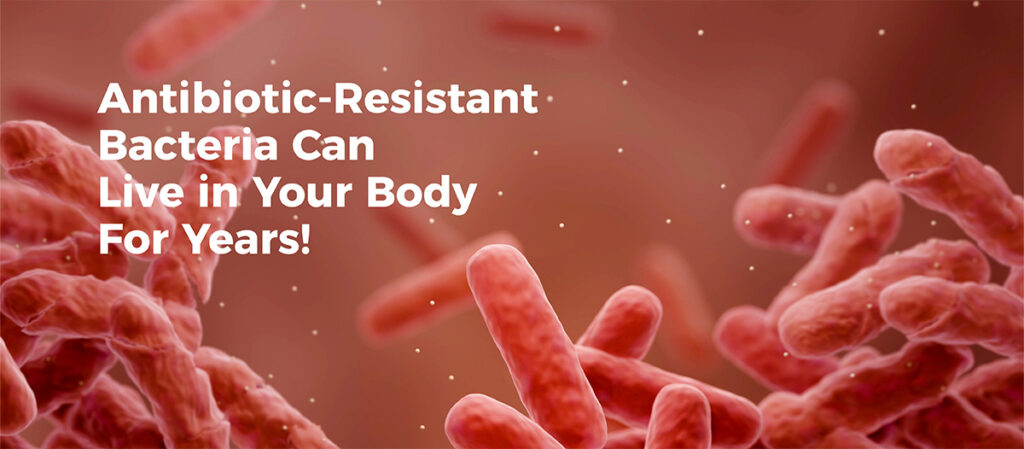
Antibiotic-Resistant Bacteria Can Live in Your Body For Years

Antibiotic-Resistant Bacteria Can Live in Your Body For Years!

Summary: Did you know some antibiotic-resistant bacteria can live in your body for nearly a decade?

Once upon a time, antibiotics were considered miracle drugs used to treat serious health problems and control the spread of once-fatal diseases.

However, we have learned over time that antibiotics worked almost too well.

Patients and their physicians came to rely on them so often for common health problems — from colds to sinus infections — that they can stop working altogether, creating problems with resistance to common antibiotics like those derived from penicillin or cephalosporin.

When those antibiotic-resistant superbugs take over your body, they could hang around for nearly 10 years, based on the findings of a recent study appearing in Nature Communications.

Antibiotic-resistant bacteria hang on for a long time!

European researchers tracked the presence of two strains of antibiotic-resistant bacteria (E. coli and K. pneumoniae) in 73 patients every time they were admitted to their hospital from 2008 to 2018.

More than 350 samples of drug-resistant bacteria were collected during that time. Most of those bacteria were discovered as part of routine hospital screenings, but 12.5 percent were detected because the patient was a suspected carrier of an infection.

Depending on the strain, these resistant bacteria could live in various areas of the human body for nearly five years (K. pneumoniae) or more than nine years (E. coli). But that’s not all…

“These patients not only repeatedly become ill themselves, they also act as a source of infection for other people, a reservoir for these pathogens,” says Dr. Lisandra Aguilar-Bultet, the study’s lead author and a research associate in microbial genomics and bioinformatics at Switzerland’s University Hospital of Basel.

What this means for you

Before you begin to panic, know this: Bacteria like E. Coli live in your intestines, and most strains do little to no harm, according to the Mayo Clinic. But some can do harm, as shown in this study.

The good news: You can do a lot to lessen your need for antibiotics merely by following our simple-to-follow antibiotic protocol.

But there will be times that you will need to take an antibiotic for a health problem.

When you absolutely need to take an antibiotic, protect the healthy balance of bacteria in your gut — the center of your body’s immune system — by taking a probiotic, ideally with multiple strains of beneficial bacteria, like those found in EndoMune Advanced Probiotic.

Taking a probiotic like EndoMune about two hours before your prescribed antibiotic gives those beneficial bacteria a jump on reaching your gut and protecting it and you from harmful superbugs.

References

Nature Communications

University of Basel

LiveScience

Mayo Clinic

Antibiotic-Resistant Bacteria Can Live in Your Body For Years! Read More »

IBS + Fibromyalgia + Chronic Fatigue Syndrome

IBS + Fibromyalgia + Chronic Fatigue Syndrome

Summary: The gut-brain link between irritable bowel syndrome (IBS), fibromyalgia and chronic fatigue syndrome (CFS) is very real.

Several months ago, we discussed the genuine link between irritable bowel syndrome (IBS) and disruptions in the gut-brain axis.

It’s hard to deny that connection, given that IBS patients experienced greater symptoms of depression and anxiety at rates more than double the norm compared to those without IBS.

Apparently, this same research team from the University of Missouri was just getting started in finding connections with IBS…

The painful link

A second look at data collected from more than 1.2 million IBS patients at 4,000 American hospitals yielded new connections with fibromyalgia, a condition punctuated by widespread and intense musculoskeletal pain, fatigue and cognitive problems, as well as chronic fatigue syndrome (CFS).

IBS patients were five times more likely to experience symptoms of fibromyalgia than those who weren’t dealing with IBS, according to the study appearing in the medical journal Biomedicines. Also, CFS was more prevalent among IBS patients, but not at as high a rate as fibromyalgia.

One interesting quirk in this analysis sheds light on younger people experiencing more gut-related problems than ever before: IBS patients with fibromyalgia or CFS were more likely to be younger compared than others dealing solely with IBS.

Also, the ever-present problems we face with the epidemic of obesity along with hypertension elevated the risks that IBS patients would face CFS or fibromyalgia too.

The why

When asked how fibromyalgia or chronic fatigue syndrome could “piggyback” with IBS to create new and painful challenges, scientists pointed to two very familiar culprits that create gut health problems:

  • Antibiotic use leads to bacterial imbalances in a patient’s microbiome.
  • Breakdowns in the gut wall allow waste products, toxic substances and other nasties to seep through the intestinal barrier and into your bloodstream, a condition better known as leaky gut.

Fortunately, the same non-drug solution for treating IBS — probiotics — is also a solution that has garnered some success in treating patients with fibromyalgia and CFS, according to a previous report. But not any probiotic will do.

If you really want to protect and improve the health of your gut, you’ll need a probiotic featuring multiple strains of beneficial bacteria that support the healthy microbial diversity of your gut.

Any probiotic you consider should also contain a prebiotic, the unsung heroes of gut health made of carbohydrates and non-digestible plant fibers that feed the good bacteria in your gut.

You can achieve both of your gut-healthy goals with EndoMune Advanced Probiotic, formulated with 10 strains of beneficial bacteria from Bifidobacterium and Lactobacillus families, plus the proven probiotic FOS.

Resources

Biomedicines

Futurity

Medscape

HCP Live

IBS + Fibromyalgia + Chronic Fatigue Syndrome Read More »

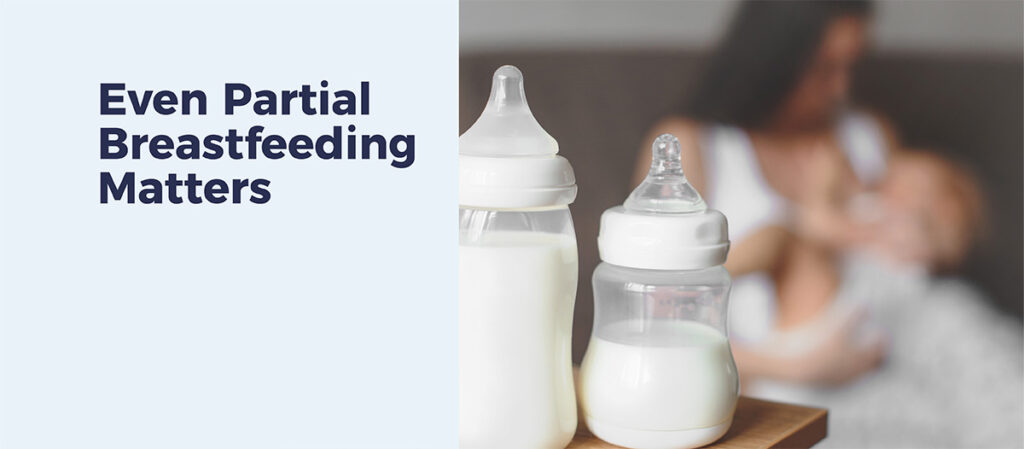
Even Partial Breastfeeding Matters

Even Partial Breastfeeding Matters

Summary: Are you a new mom having problems with breastfeeding your newborn? Even partial breastfeeding alongside formula feeding can help your baby’s developing brain.


The benefits of breastfeeding are undeniable. Not only is breastmilk the ideal nutritional source for most infants, there are extra benefits, like reducing your baby’s risks of respiratory allergies and asthma.


Although many new moms face challenges that prevent them from breastfeeding their babies every day, there’s no need to stress out!


Breastfeeding as often as possible in conjunction with formula feeding may still make a healthy difference in your baby’s brain development, according to scientists at Emory University and the University of Colorado.


It’s all in the poop!


Researchers analyzed fecal samples from 112 babies at 1- and 6-months-old in search of beneficial metabolites that influence good brain health as well as problematic chemicals that could be harmful.


(Scientists describe metabolites as small molecules produced by gut bacteria as byproducts from metabolizing food to make their way through the bloodstream that affect a baby’s organs including her/his developing brain.)


Generally, the abundance of metabolites in fecal samples varied greatly depending on how often a baby was breastfed versus formula-fed.


For example, metabolites were far more abundant among formula-fed infants at 1-month (40) than in breast-fed babies (17), but that doesn’t tell the complete story.


Consuming more metabolites did not ensure better results, especially when those children were tested for cognitive, language and motor functioning at age 2.


Based on test scores, researchers identified 14 metabolites from breast milk or formula that were difference-makers.


To the good, the presence of cholesterol in stool samples was linked to breastfeeding and better test scores. However, the presence of cadaverine (a known contaminant created via fermentation) in stool samples from formula-fed babies was associated with poorer cognitive scores.


Everything in moderation


Despite all the evidence that breastfeeding remains the better choice to feed your baby, just 63 percent of all newborns in the U.S. are breastfed exclusively after birth and that number drops to 25 percent by the six-month mark.


If you’re a new mom having problems breastfeeding your baby, Dr. Tanya Alderette of the University of Colorado acknowledges the challenges, but it’s not an all-or-nothing proposition. Just increasing the amount of breastmilk relative to formula may have positive benefits.


However, if you can’t breastfeed your baby as often as you want, give your baby’s gut — the center of their growing immune system — the fuel it needs to thrive with the help of EndoMune Kids Advanced Probiotic Powder, a multi-species probiotic made exclusively for them.


Sprinkling one tiny scoop of EndoMune Kids in your baby’s formula or milk once a day gives your baby’s growing immune system a gentle boost.


(Please be sure to check with your pediatrician before starting your baby on EndoMune or any other probiotic.)

References


npj Metabolic Health and Disease


CU (University of Colorado) Boulder Today

Even Partial Breastfeeding Matters Read More »

Could Probiotics Protect You From Microplastics?

Could Probiotics Protect You From Microplastics?

Summary: Harmful microplastics are everywhere and even in our bodies, but there may be a gut-friendly solution in probiotics.

Not a day goes by that we don’t hear something in the news about the growing challenges of plastics polluting our environment.

The problem has become so severe, a growing body of research has concluded that microplastics (pieces of plastic the size of a sesame seed) are even polluting our own bodies, from our lungs to our blood.

Where these microplastics come from is no surprise, given how much we rely on plastic for everything from tires to disposable water bottles. This passive exposure also infects the foods we grow and even the air we breathe.

The tiny microplastic particles can also be easily absorbed by the gut causing all sorts of problems with leaky gut and the healthy balance of bacteria in your gut, the center of your body’s immune system.

Probiotic protection

Fortunately, we may have a very natural way to protect our bodies and collective gut health from harm with help from probiotics, based on a recent review of studies appearing in Frontiers in Nutrition.

Researchers reviewed studies published from 2015-23 that showed how probiotics may ease inflammation and protect our bodies from some toxicity due to microplastic exposure.

Some studies showed how the beneficial bacteria contained in probiotics could absorb and neutralize heavy metals like mercury and cadmium. At the same time, some strains reduced problems by binding to and degrading phthalates (chemicals used to make plastics more durable) and BPA (a chemical used to produce polycarbonate plastics).

In a more recent study, Chinese scientists found that probiotic strains alleviated inflammation just enough to improve the quality of sperm in mice due to exposure to polystyrene microplastics (used to build appliances, electronics and many car parts).

For the foreseeable future, the persistence of microplastics is here to stay and research is just scraping the surface about the benefits of probiotics.

If you’re asking yourself what you could do to protect your body from the harmful effects of microplastics, it’s worth noting that some of the protective strains of beneficial bacteria examined in these studies are featured in EndoMune Advanced Probiotic.

Resources
Science News

Frontiers in Nutrition

Nutra Ingredients Europe

The Guardian

Environmental Health News

Nutrition Insight

Ecotoxicology and Environmental Safety

Could Probiotics Protect You From Microplastics? Read More »

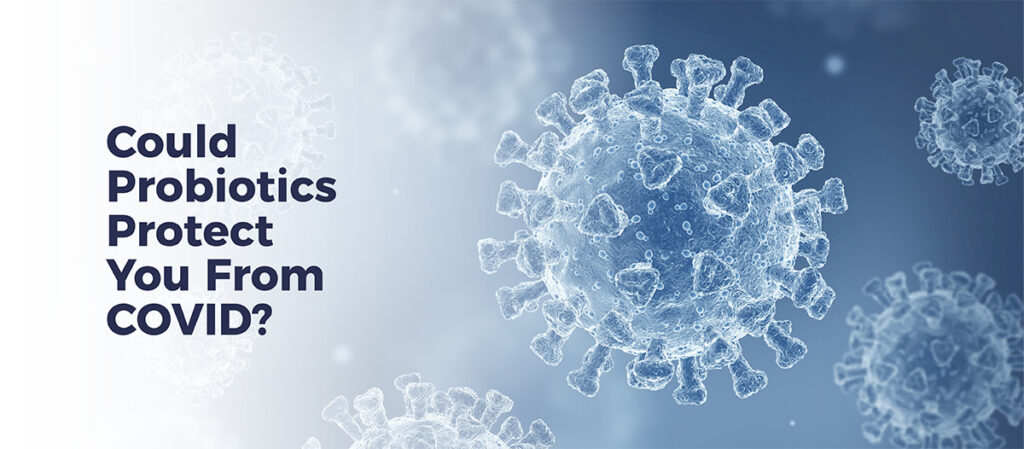
Could Probiotics Protect You From COVID?

Could Probiotics Protect You From COVID?

Summary: Probiotics may provide extra protection to unvaccinated people after exposure to COVID to delay infections and reduce their symptoms.

Since the beginning of the COVID era, medical science has acknowledged the connection between this serious respiratory disease and a person’s gut health.

Often, gut dysbiosis — disruptions in the healthy balance of bacteria in your gut — have been the focal point in studies that link your health to COVID.

Not so long ago, we learned how probiotics can do a lot of good to alleviate common symptoms for patients already suffering from Long COVID.

The benefits of probiotics may also extend to people exposed to COVID who haven’t received a vaccine, according to findings recently published in Clinical Nutrition.

Protection before a vaccine

Recognizing how effective probiotics were in relieving respiratory infections, researchers at Duke University and the University of North Carolina launched a study prior to the widespread release of vaccines in 2020 to test the protective effective of probiotics on the unvaccinated who had been exposed to COVID.

Half of the 182 patients took a probiotic containing a proprietary strain of Lactobacillus while the rest received a placebo daily for four weeks.

No surprise, those who took a probiotic were 60 percent less likely to develop COVID symptoms even after exposure to the disease compared to those in the placebo group and were able to protect themselves from contracting COVID for a longer time.

And, probiotic patients had more significant remnants of beneficial bacteria in stool samples taken 70 and 85 days after the initial trial too.

Although the study’s sample size was small (due to the rapid development of vaccines), scientists were very encouraged about the results yet not surprised by them, says Dr. Paul Wischmeyer, co-lead author on the study.

“While limited in sample size, our study lends credence to the notion that our symbiotic microbes can be valuable partners in the fight against COVID-19 and potentially other future pandemic diseases.

So, if you’ve been lax about staying up-to-date on your COVID vaccine schedule — less than 20 percent have received updated vaccines according to the CDC — you may want to consider getting some extra protection by taking a probiotic like EndoMune Advanced Probiotic, formulated with multiple strains of beneficial bacteria and a prebiotic that feeds the beneficial bacteria in your gut.

Advisory note

For the most up-to-date advisories on COVID-19, visit the CDC website at https://www.cdc.gov/coronavirus/2019-ncov/index.html.

Resources

Clinical Nutrition

Duke Health/News and Media

Washington Post

Could Probiotics Protect You From COVID? Read More »

PTSD, Your Diet and Your Gut

PTSD, Your Diet and Your Gut

Summary: The diet you follow and how your gut manages it may determine how you’ll experience post-traumatic stress disorder (PTSD).

It’s hard to imagine a connection between post-traumatic stress disorder (PTSD) and the human gut until you recognize how the gut-brain axis links your brain, gut and emotions.

Unfortunately, many of us only notice our gut-brain axis when those connections are disrupted by many factors, including poor diets that often lead to an array of gut-related health problems that drive inflammation.

The good news: Following a gut-healthy Mediterranean diet can do a lot of good to ease or even prevent PTSD-related symptoms, based on findings featured recently in Nature Mental Health.

Healthy eating for mental health

Researchers at Harvard T.H. Chan School of Public Health and Brigham and Women’s Hospital in Boston teamed up on the report that collected data on 191 women from the Nurses’ Health Study.

These women were assigned to three categories: Probable PTSD, trauma exposure but no PTSD and a control group with no trauma exposure. Patients were evaluated on everything from BMI, diet, age, mental health and PTSD symptoms to multiple stool samples.

When researchers compared the diets women consumed to the number of PTSD symptoms they experienced, that’s where the differences in mental health became very apparent.

Women who consumed standard Western diets high in red and processed meats experienced more PTSD challenges while others who followed healthier Mediterranean diets faced fewer symptoms.

What’s more, scientists identified a specific species of gut bacteria — Eubacterium eligens — whose abundance was positively associated with patients who experienced fewer PTSD problems and ate diets rich in the fruits, healthy fats, vegetables and fish that make up the standard Mediterranean diet.

The major takeaway from this study: If you are experiencing mental health challenges, working on your gut-brain axis connection by eating healthier meals with higher amounts of dietary fiber, incorporating more exercise in your daily routine and getting more sleep matters.

When you’re working long days and you don’t have the time to follow your healthier routines, give your gut some extra protection by taking a probiotic, ideally with multiple strains of beneficial bacteria and a prebiotic that feeds the good bugs in your gut, like EndoMune Advanced Probiotic.

References

Nature Mental Health

Harvard T.H. Chan School of Public Health

NBC News

Cleveland Clinic

PTSD, Your Diet and Your Gut Read More »

Safe to use Probiotics to help treat type 2 diabetes.

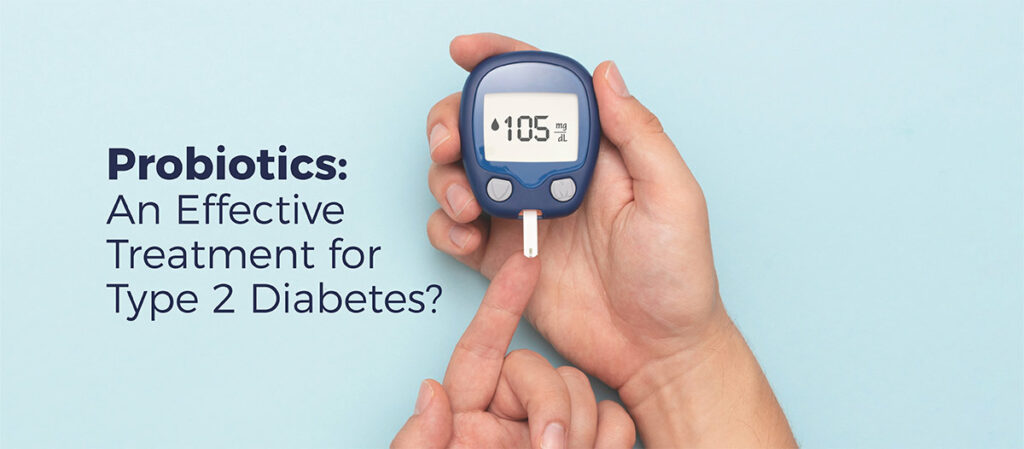
Probiotics: An Effective Treatment For Type 2 Diabetes?

Summary: Is it safe and helpful to take a probiotic if you’re coping with type 2 diabetes? This survey of studies gives a thumbs-up to probiotics!


As the epidemic of metabolic syndrome continues in America — thanks to a Western lifestyle that can kill you faster than smoking — the number of Americans dealing with type 2 diabetes is growing by the day.

Among the 38 million Americans who currently suffer from diabetes, roughly 90 percent of them are dealing with type 2 diabetes. (An alarming 22 percent don’t even know they have diabetes at all!)

You can do plenty of things to manage your health if you have type 2 diabetes, from diversifying your diet to include more unprocessed whole foods to finding more time during day to get moving with some form of exercise.

Researchers have also learned so much about how an unbalanced gut microbiome affects many aspects of human health, including how it creates many challenges for type 2 diabetes patients trying to regulate their blood sugar.

If you or a loved one is struggling with managing type 2 diabetes, taking a probiotic should be at the top of your to-do list too, based on a recent review of 33 studies appearing in Nutrients.

Nearly two-thirds of the studies Canadian researchers reviewed reported improvements in at least one measurement related to glycemic levels while taking a probiotic.

In addition, nearly half of those reports cited improvements in lipid levels after taking a probiotic. That’s very important given that elevated levels of LDL lipoproteins can greatly raise one’s risks of cardiovascular diseases.

Also, the benefits of multi-strain probiotics formulated with strains from the Lactobacillus and Bifidobacterium families really stuck out with 16 studies reporting improvements in at least one glycemic measurement.

This makes sense given that the Bifidobacterium family enhances the production of healthy fatty acids and the digestion of fiber while promoting immune health and the Lactobacillus family assists the protection of the barrier lining the gut.

Finally, probiotics also worked very well with metformin, a go-to drug prescribed for type 2 diabetics, enriching the composition of gut bacteria, decreasing insulin resistance and increasing the abundance of beneficial short chain fatty acids (SCFAs).

While there’s much more research to be done, there’s little doubt that probiotics, especially those formulated with multiple strains of bacteria like EndoMune Advanced Probiotic, can be a boon to the health of type 2 diabetes patients.

Resources

Nutrients

News-Medical.net/Life Sciences

CDC

Mayo Clinic

Medline Plus

Probiotics: An Effective Treatment For Type 2 Diabetes? Read More »

Can Probiotics Improve Your Blood Pressure

Can Probiotics Improve Your Blood Pressure?

Summary: Probiotics may be helpful in lowering your blood pressure.


Nearly half of all American adults suffer from high blood pressure/hypertension for a lot of reasons, including consuming more sugar and salt from highly processed foods in their diets than ever before.

There are many ways to treat hypertension/blood pressure from simple lifestyle changes (getting more sleep, eating a less salty diet, incorporating more movement via exercise and maintaining a healthy weight) to taking medicines.

Unfortunately, many people rely solely on medications to help them manage their elevated blood pressure but 20 percent of all patients won’t respond to them at all, even when using multiple drugs.

Recent studies we’ve shared have shown how hypertension and your gut health are linked in very interesting ways with some medication combinations worsening blood pressure symptoms.

So, we weren’t surprised to learn that a multi-species probiotic formulated with strains from the Lactobacillus and Bifidobacterium families was responsible for lowering blood pressure numbers to normal levels, according to a recent study appearing in mSystems.

Multi-species probiotics for the win!

A team of Chinese researchers tested the benefits of multi-strain probiotics on hypertension in a study with mice fed water mixed with sugar that had elevated their blood pressures to unhealthy levels.

Over 16 weeks, scientists compared blood pressure readings of test animals that received a probiotic containing Lactobacillus rhamnosus and Bifidobacterium lactis to a group of mice that didn’t receive one and a control group fed water without sugar.

(These two strains of beneficial bacteria are among the building block species featured in EndoMune Advanced Probiotic.)

The most interesting finding from the report: Blood pressure levels among mice treated with a multi-strain probiotic were healthy and no different than mice only fed water. Also, scientists identified gut bacteria signatures in probiotic mice that were typical among people with lower pressures.

The results were so positive that this research team is planning a larger clinical trial to discover if these same probiotic benefits hold up for humans.

We expect to hear similar rave reviews for probiotics, given the results of a recent study touting the benefits of prebiotics lowering blood pressure levels among people equal to that of blood pressure medications.

Just another reason that taking a probiotic with multiple strains of beneficial bacteria and a prebiotic like EndoMune can make a world of difference to your health and your gut, the center of your immune system

References

mSystems

American Society For Microbiology

CDC

Mayo Clinic

Can Probiotics Improve Your Blood Pressure? Read More »

Women: Are You Protecting Your Gut-Brain Axis?

Women: Are You Protecting Your Gut-Brain Axis?


A healthy and balanced gut microbiome keeps a woman’s gut-brain axis working smoothly and makes a world of difference to her emotional health. Women: are you protecting your gut-brain axis?


Not so long ago, science debated the existence of the gut-brain axis, the connection that links your gut, emotions and brain.


That changed once modern medicine proved that as much as 90 percent of the serotonin (a chemical that governs your emotions) your body produces comes from your gut and specific bacteria play key roles in making it.


Your ability to generate the amount of serotonin your body that keeps your gut-brain axis working as it should and your emotions on an even keel depends on the healthy diversity of bacteria in your gut.


This balance or imbalance of gut bacteria concerning emotional health was the chief finding in a recent study appearing in Psychological Medicine.


The Study


In the first phase of research, scientists from Brigham and Women’s Hospital and Harvard surveyed more than 200 middle-aged women about their feeling over the past 30 days, asking them to report positive and negative emotions along with how well they handled them.


Three months later, women provided stool samples that were analyzed in ways that enabled researchers to find patterns in human health and how their emotions influenced them.


No surprise, women who suppressed their emotions had less diverse gut microbiomes and higher levels of bad bacteria while those who reported happier feelings had lower levels of those specific species.


“This was what you would expect, but it was kind of amazing that we saw it,” says Dr. Laura Kubzansky, a professor in the Chan School’s department of behavioral science at Harvard.


The Solution


There’s a lot a woman can do to give her gut-brain axis a gentle reset in a good direction, starting with making lifestyle changes. For example, eating healthier meals including foods rich in dietary fiber is a great start.


When life gets in the way and you’re on the go, here’s an additional step you should consider: Take a probiotic formulated with multiple strains of lab-tested beneficial bacteria and a prebiotic that feeds the good bacteria in your gut.


If you’re looking for a probiotic that will protect the healthy balance of bacteria in your gut and strengthens the connections in your gut-brain axis, consider the proprietary blend of 10 strains from the Lactobacillus and Bifidobacterium families plus a proven probiotic (FOS) in each daily dose of EndoMune Advanced Probiotic.


References


Psychological Medicine


Brigham and Women’s Hospital


The Harvard Gazette


Women: Are You Protecting Your Gut-Brain Axis? Read More »

Image of stevia package with text: Is Stevia really a gut-safe sweetener?

Is Stevia Really a “Gut-Safe” Sweetener?

Is Stevia Really a “Gut-Safe” Sweetener?

Have you been wondering, as many people have, if stevia is really a “gut-safe” sweetener? 

Whether it’s artificial sweeteners or sugar, both create problems with the gut by blocking proteins that help you maintain a healthy weight or altering the healthy composition of your gut bacteria.

As concerns about real sugar and artificial sweeteners have grown, many have considered stevia, a sweetener derived from the leaves of the Stevia rebaudiana plant. 

Stevia is marketed by manufacturers as a natural sweetener, although it’s processed or combined with other ingredients to create a sweetener and, just like artificial sweeteners, it contains no calories. But, it is up to 400 times sweeter than table sugar. 

 Some experts believe stevia is a better choice for your overall health, and recommend that you use it as you would table sugar. However, before adding stevia to your grocery list, it’s important to ask yourself if stevia really is a gut-safe sweetener.  

The answer will surprise you… 


A Disruptive Presence

Despite very different approaches, a pair of research teams from Israel in separate studies came to very similar conclusions that stevia may have a disruptive effect on the gut. 

In a 2021 study featured in the journal Molecules, scientists at Ben Gurion University studied the effect of stevia extracts (steviol, Reb A and Stevioside) when they come in contact with a strain derived from harmful E. Coli bacteria with an emphasis on digesting food  

In this case, the use of stevia disrupted the healthy microbial balance by delaying how gut bacteria communicate in the microbiome, which can often lead to problems with gas, constipation, stomach pains and other gut-related issues. 

These disruptions were far more evident in a very recent study conducted by the Weizmann Institute of Science that compared the gut health of patients consuming three artificial sweeteners (saccharin, sucralose and aspartame) or stevia far below suggested “normal” levels for two weeks. 

During that short interval of time, any sugar substitute used — stevia or artificial sweeteners — altered the composition of gut bacteria very differently and they were related to a patient’s impaired glucose tolerance. 


The Take-Home Message

 Despite the not-great news about stevia and other zero-calorie sweeteners, you do have lots of options at your disposal to protect your microbiome and keep the pounds off.  And, you can act right now to protect your gut microbiome by taking these steps. 

  1. Stay hydrated with clean fresh water. (A healthy tip: Add lemon slices along with a dash of cinnamon or turmeric to your water for extra flavor.)
  2. Moderation, moderation and moderation. Pay attention to what you’re eating or drinking and how your body feels afterward (even if it tastes great).
  3. Read the Nutrition Facts labels displayed on any processed foods you eat for signs of added sugars. You’ll be surprised about how many added sugars are used to produce processed foods. (Brands of flavored yogurt labelled as low-fat may contain as much as 33 grams of sugar per serving!)
  4. Protect the bacteria in your gut so they keep working as they should behind the scenes by taking a probiotic with multiple strains of beneficial bacteria.

If you’ve been looking for a proven probiotic, ideally formulated with beneficial bacteria from the Lactobacillus and Bifidobacterium families, consider the proprietary blend of 10 strains plus a proven probiotic (FOS) in each daily dose of EndoMune Advanced Probiotic. 

EndoMune is built to protect your microbiome and keep it communicating, even in the presence of a “natural” sweetener like stevia.  

And, if you need some extra help to get started on your weight loss journey, consider EndoMune Metabolic Rescue, a probiotic uniquely formulated with Bifidobacterium lactis and the prebiotic XOS that promotes a sense of fullness in addition to protecting the health of your gut. 


References 


Is Stevia Really a “Gut-Safe” Sweetener? Read More »

Scroll to Top