Free shipping on all orders over $125*

Synbiotic Blend of 10 Beneficial Strains, Developed by Board-Certified Gastroenterologist

Digestive Health

Digestive Health related factors related to maintaining a healthy gut.

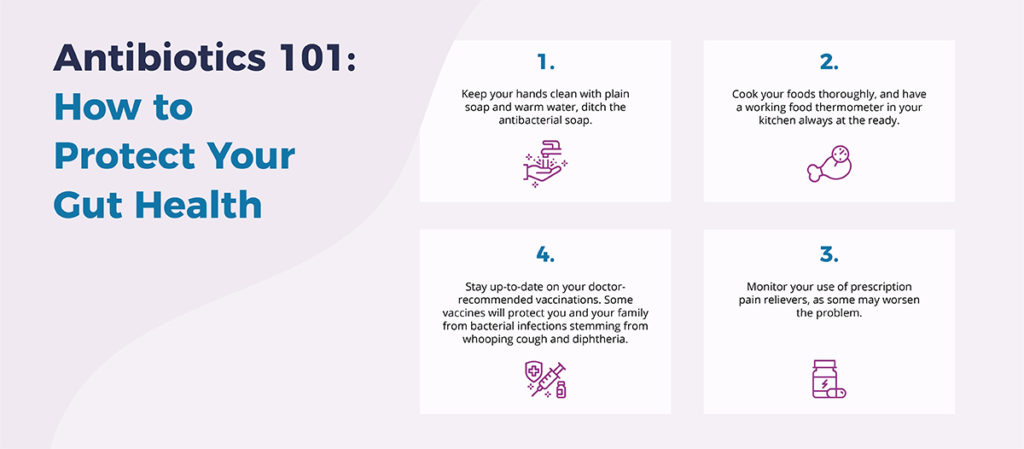
TEXT: Antibiotics 101 How to protect your gut health

Antibiotics 101: Protect Your Gut

Antibiotics 101: How to Protect Your Gut Health

Every so often, we like to remind you about basic health and lifestyle steps you can take that may help or harm your gut health, like the do’s and don’ts of taking an antibiotic safely.

Antibiotics were once considered “miracle” drugs that treated serious health issues and controlled the spread of disease. For example, some childhood conditions like strep throat and bacterial meningitis were fatal diseases before antibiotics.

Over time, however, antibiotic drugs transitioned from their “miracle” status to being prescribed for many more health problems, such as viral infections like colds, the flu and most coughs and many sinus infections, that do more harm than good.

An estimated 43 percent of the antibiotic prescriptions in America were issued for health problems that were completely unnecessary, based on numbers compiled in a 2019 Oregon State University report.

How did this happen?

The simple explanation: The overuse of antibiotics, plus our exposure to antibacterial chemicals in soaps, paints and even gym equipment, has over-sterilized our lives to such a degree that these drugs may promote resistance and, in some cases, do not work as they should or at all.

This could lead to infections that cannot be treated with antibiotics become much more costly (more expensive treatments, trips to the doctor) and much harder to treat.

Are you concerned about that next antibiotic prescription from your physician? We’ve got you covered.

Your antibiotic protocol

Antibiotics are valuable medications when they’re prescribed by your doctor for good reasons, not because you’ve had a persistent cold or flu and want to feel better right now.

If you’re concerned about over-exposure to antibiotics, it’s important to talk to your doctor or pharmacist. Do not be afraid to ask them questions!

And, if you do need to take an antibiotic, take them as prescribed by your physician until your course is completed. That’s critical because lots of people only take antibiotics until they start feeling better, then drop them.

Here are some extra steps you can take on your own to lessen the need for antibiotics:

  1. Keep your hands clean with plain soap and warm water, and ditch the antibacterial soap.
  2. Cook your foods thoroughly, and have a working food thermometer in your kitchen always at the ready.
  3. Monitor your use of prescription pain relievers, as some may worsen the problem.
  4. Stay up-to-date on your doctor-recommended vaccinations. Some vaccines will protect you and your family from bacterial infections stemming from whooping cough and diphtheria.

When you absolutely need to take an antibiotic for a health problem, please remember that it’s vital to protect your gut, the center of your body’s immune system too.

Antibiotics create problems for the gut by depleting the balance of bacteria that normally keep you healthy. If you have to take an antibiotic and want to protect the health of your gut, consider taking a probiotic, ideally with multiple strains of beneficial bacteria like EndoMune Advanced Probiotic.

EndoMune’s powerful formula of 10 beneficial strains of bacteria from the Bifidobacterium and Lactobacillus families and a prebiotic (that feeds the good bugs in your gut) not only protects but supports your immune health.

Taking a probiotic like EndoMune about two hours before that necessary antibiotic gives those beneficial bacteria extra time to reach your gut and protect it and your immune health when you really need it the most.

Resources

Antibiotics 101: Protect Your Gut Read More »

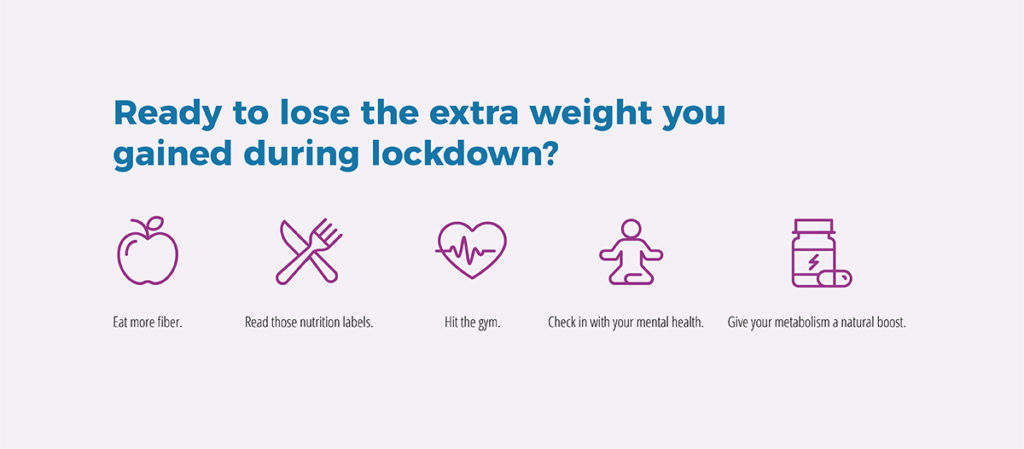
text graphic: Ready to lose the extra weight you gained during lockdown? Eat more fiber. Read those nutrition labels. Hit the gym. Check in with your mental health. Give your metabolism a natural boost.

Ready To Lose Your Extra COVID-19 Weight?

With vaccines readily available and the number of infections and fatalities declining, Americans are emerging out of COVID-19 hibernation and back into the world yet, feeling a little heavier than usual.

Many of us saw social media memes joking about the quarantine 15 (a play off of the “Freshman 15”, however, this is a clear signal of more serious concerns about what social isolation, working from home, less separation from the couch, and a kitchen full of snacks could do to our collective health.

Unfortunately, this extra COVID-19 weight is real, but the numbers are higher than the quarantine 15 many of us expected.

By The Numbers

The American Psychological Association (APA) reports more than 60 percent of Americans they surveyed experienced changes in weight, with 42 percent admitting to much higher weight gains than they expected.

Although 15 pounds was the median weight gain, the APA found the average boost in weight was nearly double that, at 29 pounds. Americans also reported in disruptions in sleep (too much or too little) and greater concerns about their health after the pandemic.

A smaller study of patients in 37 states found Americans gained about a half-pound every 10 days, amounting more 1.5 pounds each month, according to researchers at the University of California, San Francisco (UCSF).

What’s more, that 1.5-pound weight gain may be an underestimate, says Dr. Gregory Marcus, a UCSF professor of medicine and author of a report appearing in JAMA Network Open.

The combination of COVID-19 weight gains spurred by poor diets, plus generous amounts of stress, sleep issues and isolation (not to mention a lack of exercise) have served up a perfect recipe for worsening the existing problems we have with another health epidemic: Obesity.

Your COVID-19 Weight Loss Plan

The good news: Despite these gloomy numbers, here are four very simple steps right now to jumpstart your COVID-19 weight loss plan.

  1. It’s time to diversify that Western diet chock full of processed foods by eating a more nutrient-dense menu full of fruits, lean meats (easy on the red meat) and foods rich in dietary fiber.
  2. Pay closer attention to nutritional labels of the foods you eat, and be careful to not overdo it on products like sugar substitutes like stevia.
  3. Now, that gyms are opening up again, you have no excuse not to get more active with exercise. Even taking aside a few minutes each day for some kind of easy movement, like taking a walk or doing tai chi, makes a difference.
  4. Are you setting aside a few minutes for some personal time to destress at the end of the day? Neglecting your mental health can create bigger problems with anxiety that can become more challenging if left untreated.

By now, you’ve probably noticed a strong gut health connection in this COVID-19 weight loss plan, and that’s critical, especially for your immune health.

Even with this simple plan, losing that extra COVID-19 weight can still be difficult. That’s why we formulated EndoMune Metabolic Rescue to give your weight loss plan a healthy, natural boost.

EndoMune Metabolic Rescue contains a proven blend of Bifidobacterium lactis and the prebiotic XOS (Xylooligosaccharides) that stimulates the release of hormones in your gut and promotes a greater sense of fullness.

With a nutritious diet, exercise and better stress management in place, EndoMune Metabolic Rescue can help you get your quarantine 15 weight loss plan on track!

Resources


Ready To Lose Your Extra COVID-19 Weight? Read More »

two travelers holding hands. Text on photo: Don't Let Traveler's Diarrhea Slow You Down

Don’t Let Traveler’s Diarrhea Slow You Down!

With the COVID-19 lockdowns coming to an end — no more work or school from home (unless you need or want to), and we would be very, very surprised if you haven’t already made travel plans to catch up with friends and family in faraway places this summer. However, before you hit the road, this is a good time to remind you not to let traveler’s diarrhea slow you down, especially if your plans take you long distances and out of the country, even on a cruise.

As exciting as traveling can be, getting there is stressful and can throw your circadian clock and sleep schedule for a loop when you jump into different time zones.

Then, throw in a Western-style diet full of fatty, sugary foods — something very easy to do when you’re away from your healthier routines at home — and you’re creating opportunities for traveler’s diarrhea to occur.

What Is Traveler’s Diarrhea?

Traveler’s diarrhea is a disorder in the digestive tract that causes abdominal cramping and loose stools, according to the Mayo Clinic.

Eating or drinking contaminated foods or liquids are the main causes of traveler’s diarrhea, the most predictable travel-related illness with estimated rates of “attack” as high as 70 percent, depending on when and where you travel, according to the CDC.

Typically, travelers come into contact with the most common bacterial pathogens (E. coli, Salmonella and Campylobacter jejuni) due to poor hygiene practices in local restaurants.

Traveler’s diarrhea usually occurs abruptly, and can happen during or after your trip. What’s more, you may experience it multiple times.

Although it isn’t considered serious in many cases, recent research from The Rockefeller University showed how some people can develop irritable bowel syndrome due to an unfortunate encounter with traveler’s diarrhea.

How Do You Prevent Traveler’s Diarrhea?

If you and your family are heading out on the road any time this summer, here’s some easy steps you can take to reduce your risk for traveler’s diarrhea.

  1. Know where your water comes from, and avoid drinking unsterilized water. Bottled water is your best friend while traveling.
  2. Wash your hands with plain soap and water early and often, especially before eating.
  3. Don’t ask your doctor to prescribe an antibiotic specifically to prevent traveler’s diarrhea, as it can contribute greatly to your risks of antibiotic resistance.
  4. A recently updated meta-analysis of studies published in Epidemiology and Health concluded taking a probiotic may significantly improve your odds of avoiding traveler’s diarrhea altogether.

In fact, among the beneficial bacteria cited in this analysis are two of the 10 building block strains from the Lactobacillus family contained in EndoMune Advanced Probiotic.

More over, older studies have also found that taking a probiotic like EndoMune at least two days before leaving on your trip and during it can help you and yours avoid traveler’s diarrhea and enjoy that long deserved vacation you’ve been waiting for a very long time to enjoy!

References


Don’t Let Traveler’s Diarrhea Slow You Down! Read More »

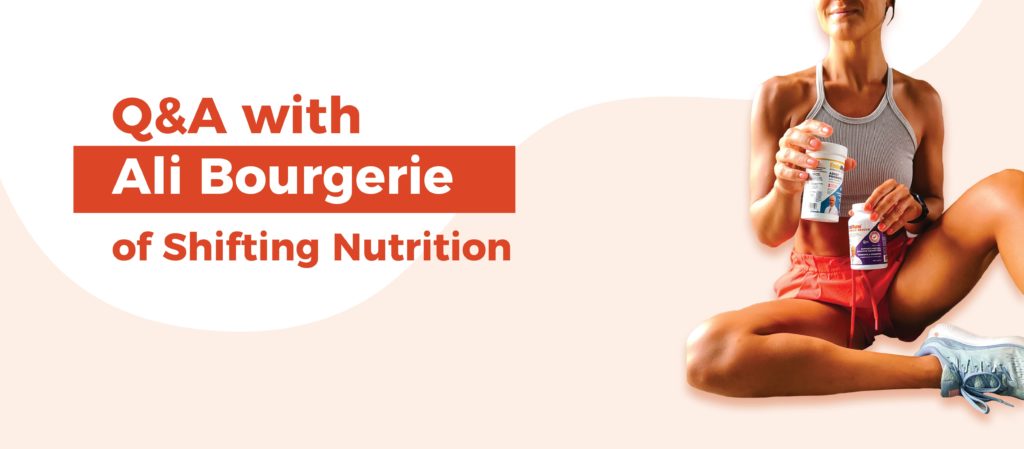
Ali Bourgerie of Shifting Nutrition sitting down with two EndoMune bottles

Q&A with Ali Bourgerie, Board-Certified Holistic Nutritionist and Founder of Shifting Nutrition

Tell us about your background and how you found yourself starting your own business focused on holistic health and nutrition.

I grew up an athlete and from a young age was conscious about what I ate, but in high school I had a lot of digestive issues. I went to college and got my first degree in health and exercise science and came out of school thinking I had landed my dream job training professional athletes. From that experience and being a body builder as well as still dealing with gut health issues, I started doing my own research and realized that it was all about what I was putting in my body that mattered most, for both my physical and mental health.

I was so eager to learn more about how I could heal my body naturally and feel the best results I was after and decided to go back to school to get my master’s in nutrition. After graduation, I moved to Portland, Oregon, and worked under a naturopath for several years while building my business that I have now on the side. I learned even more that the ultimate goal is to get the body into balance, and that doing so in a natural way is the best way to improve health and see and feel results. This led me to Shifting Nutrition and helping my clients today.

Why do you think it is important to combine good nutrition with education for your clients?

I am all about using whole foods as medicine to change lives, not a quick fix in 30 days. I find if clients understand why – the purpose behind it – it makes all the difference. The education piece on why we are doing what we are doing and eating what we are eating is what makes new healthy habits stick and become sustainable in the long run. In order to continue to do something we must understand WHY we are doing it. For example, why eating a wide variety of vegetables is important; not just the different vitamins and minerals, but how eating a wide variety of plants brings different nutrients. Or why taking a probiotic supplement can benefit your overall health. The wider the variety of beneficial bacteria present in our body, the better our gut health. I truly believe knowledge is power!

Do you recommend probiotics for all your clients? What benefits do you see to adding probiotics to your daily regimen?

I recommend probiotics for the majority of people. Some are ready; others need some time before introducing probiotics. It depends on where they are in their journey. The overall goal of taking them is to balance the ecosystem within our bodies and influence the activity of the healthy bacteria in the gastrointestinal tract, which research now shows is necessary for improving our overall health. Many Americans eat a diet and live a lifestyle that causes dysbiosis, a bacterial imbalance within primarily the stomach and intestines. This can stem from too much sugar, food additives, lingering pesticides, drinking too much alcohol, and even high levels of stress and anxiety. Common symptoms my clients experience include bad breath, upset stomach, constipation or diarrhea, bloating, fatigue, anxiety, and difficulty concentrating. So, yes, for most people I believe a probiotic can help.

The gut-brain axis is a critical connection in our bodies, and you mention it in several of your posts. How do you help educate your clients about this connection that they may not have heard about before?

When we get the feeling of butterflies in our stomach, this tells us the gut and brain are very connected. What we call the gut-brain axis is how the two organs communicate. Our gut contains 500 million neurons that send signals back and forth in both directions. They are also connected through chemicals called neurotransmitters, which control feelings and emotions. GABA and serotonin are transmitters present in the gut that link to mood, sleep, and feelings of anxiety. We also have trillions of microbes in the gut, which make chemicals that affect how our brain and the rest of our body works including how our immune system responds. This axis shows the importance of taking care of our gut health in order to bring the body into balance and start to diminish some symptoms.

How do you see EndoMune Metabolic Rescue benefitting clients or people looking to lose weight?

I do recommend Metabolic Rescue for naturally curbing appetite and cravings. I guide my clients to work with their bodies, not against them.  When we are in tune with our bodies we are more in tune with our appetite and better at reading our body. We learn more about our true eating habits. Why are we eating? Out of boredom, because someone else around us is eating, or eating just because it’s time for a meal rather than feeling hungry. Reading our body better will naturally start to lower overall caloric intake without our feeling restricted. I am all about the mindset when it comes to food, and I think feeling restricted is one of the biggest things people struggle with. Taking EndoMune Metabolic Rescue, which is not harmful yet beneficial toward reaching their goals, I think is great.

What changes did you see in your own body when you started taking EndoMune Advanced and Metabolic Rescue?

I loved them pretty quickly; it only took a couple of days to notice a difference. The strains and combination were exactly what I wanted and was looking for in a probiotic, which is entirely important when choosing a brand. I had some inflammation and digestive issues like bloating and gas calm down, and my bowels were more regular. Over the haul, it eased cravings and I noticed my natural energy improve. My immune system seemed stronger, as I did not catch the colds my boyfriend caught.  I knew it was doing the job.

Q&A with Ali Bourgerie, Board-Certified Holistic Nutritionist and Founder of Shifting Nutrition Read More »

Image of milk splashing with text: Is Raw Milk Really a Safe, Good Probiotic Food?

Is Raw Milk Really a Safe, Good Probiotic Food?

One question people ask us a lot revolves around probiotic foods — we’re looking at you fermented foods! — and if they can really make a meaningful difference to their gut health. A growing number of people are moving away from pasteurized milk in favor of raw milk as a “healthier” means to achieve those very same probiotic food benefits.

But is raw milk a safe and healthy probiotic food?

The Raw Milk Controversy

Raw milk has a controversial history in America. People who sell it claim the process of pasteurization strips milk of its many health benefits, yet it’s illegal to sell or buy it in 19 states.

The Raw Milk Institute features an attention-grabbing claim on its website that states, “the protective effects of raw cow’s milk on infections were comparable to those of breastfeeding.”

On the other hand, the FDA devotes an entire page on its website to the misconceptions and dangers of drinking raw milk, citing studies that debunk its use in treating asthma and allergies, lactose intolerance and osteoporosis or that it is safe or good for your gut.

What’s the Real Story?

After studying more than 2,000 retail samples of raw and pasteurized milk from five states, researchers at the University of California, Davis discovered two very alarming things about the microbial properties of raw milk in a report featured in Microbiome.

First, scientists did not find large quantities of beneficial bacteria in raw milk samples.

Second, leaving raw milk out at room temperature to ferment (to make what’s known as a yogurt-like food called clabber) created the opportunity for the growth of many more antimicrobial-resistant genes than those found in pasteurized milk.

What’s more, bacteria with those antimicrobial-resistant genes have the potential to become superbugs if they’re passed on to a pathogen, which means you could get sick and discover that drug you rely on to get well may not work.

So, the take-home message here is pretty simple: Eat probiotic foods only in moderation and only if they’re safe.

A very dependable and easy way to get all of the beneficial bacteria your gut needs to keep your immune system healthy and strong is to take a daily probiotic, ideally with multiple strains of beneficial bacteria like EndoMune Advanced Probiotic.

References


Is Raw Milk Really a Safe, Good Probiotic Food? Read More »

Text over coffee mug: Is Stevia Really A "Gut-Safe" Sugar?

Is Stevia Really a “Gut-Safe” Sugar?

For a long time, people have been looking for ways to satisfy their sweet tooth cravings without having to sacrifice their waistlines or gut health for it. The real refined sugar contained in most processed foods that populate Western diets (including ones you’d never imagine) is a big no and the same applies for artificial sweeteners.

Whether it’s real sugar or the artificial sweeteners, both can create problems with the gut, either by blocking proteins that help you maintain a healthy weight or changing the composition of your gut bacteria for the worse.

With the reputation of real sugar and artificial sweeteners on the wane, a lot of you may have considered stevia, a sweetener derived from the leaves of the Stevia rebaudiana plant that contains nearly no calories.

Like many food products, stevia is marketed by manufacturers as a natural one, even though it’s actually processed or combined with other ingredients to create a sweetener.

But is stevia really good for your gut?

An unbalanced answer

Considering its emerging popularity, scientists at Ben Gurion University in Israel studied the effect of stevia extracts (steviol, Reb A and stevioside) in the lab on a strain derived from the harmful E. coli bacteria with an emphasis on digesting food.

Like other sweeteners, however, stevia created problems, but not by tipping the balance of good versus bad bacteria in the gut as one might assume.

Instead, stevia had the effect of disrupting the communication between bacteria in the gut, which could explain why some people experience constipation, gas or stomach pain after using it in their coffee or in making foods.

This study serves as an initial analysis that shows more work needs to be done “before the food industry replaces sugar and artificial sweeteners with stevia,” says lead researcher Dr. Karina Golberg.

The take-home message

Don’t be too concerned that there’s no “safe” sweetener you can use that will help you in your quest to protect your gut health and keep the pounds off. Here are simple steps you can take that can make a difference today.

  1. Stay hydrated with clean fresh water. (A healthy tip: Add lemon slices along with a dash of cinnamon or turmeric to your water for extra flavor.)
  2. Moderation, moderation and moderation. Pay attention to what you’re eating or drinking and how your body feels afterward (even if tastes great).
  3. Read the Nutrition Facts displayed on the labels of any processed foods you eat for signs of added sugars.
  4. Protect the bacteria in your gut so they keep working as they should behind the scenes by taking a probiotic formulated with multiple strains of beneficial bacteria.

EndoMune Advanced Probiotic is formulated with a proprietary blend of 10 bacterial strains plus a proven prebiotic (FOS) that can keep the microbiome communicating even in the presence of a “natural” sweetener like stevia.

References

Is Stevia Really a “Gut-Safe” Sugar? Read More »

Coffee and Gut Health

Coffee, Chronic Disease and Your Gut

Hardly a week goes by that we don’t hear news about the next “best” food for your gut. Here at EndoMune, we keep up with these developments pretty regularly because you never know when a patient will ask us, Is this really true? Well, a patient quizzed us recently about the benefits of drinking coffee related to the gut, so we did some research. You may be surprised about the answer.

Does coffee drinking matter?

Curious about the benefits of coffee consumption, scientists at Baylor College of Medicine analyzed the gut health of 34 patients in a unique way by collecting several colon biopsies during their colonoscopies.

Patients also answered questionnaires that determined if they drank coffee containing more or less than 82.9 milligrams of caffeine per day. (The average 8-ounce cup contains 95 milligrams.)

Based on the health of colon samples and self-reported coffee consumption, patients who downed at least two cups of coffee every day had healthier gut microbiomes than those who drank less than that or none at all.

Heavy coffee drinkers had more diverse gut bacteria, and it was more evenly distributed in the large intestine. Additionally, the guts of heavy coffee drinkers were less likely to contain a strain of bacteria linked to obesity and metabolic problems (Erysipelatoclostridium).

Just because you CAN drink coffee…

Some experts believe coffee can make a gut-healthy difference thanks to the polyphenols and antioxidants it contains, just as they do in plant foods.

What about the side effects of drinking too much coffee?

Just as we reminded you often about foods celebrated for their “probiotic” benefits — walnuts, almonds, and dark chocolate — it’s all about moderation.

Overdoing it on coffee, with its high acid content, can lead to more gut health problems (heartburn and IBS) than benefits.

The best advice I can give you: Your gut must be healthy first before you can take advantage of any small benefits coffee or any other food may provide.

One of the most important things you can do to improve your gut health right now is taking a probiotic formulated with multiple strains of beneficial bacteria.

Our multi-strain probiotic, EndoMune Advanced Probiotic, is uniquely fortified with ten strains of beneficial bacteria and 30 billion CFUs plus a proven prebiotic (FOS) that does the dirty work behind the scenes to feed the good bacteria living in your gut.

References


Coffee, Chronic Disease and Your Gut Read More »

Bad diet or bad genes

The Gut or Your Genes: What Affects Your Health More?

We’re pretty sure you’ve heard the same old phrase, You are what you eat! way too many times to count.

Nevertheless, there’s a certain amount of logic to this saying, given that eating poorly has been proven to kill you faster than smoking or even a serious car accident!

Plus, the three leading causes of deaths associated with inadequate diets — cardiovascular disease, cancer and type 2 diabetes — can be largely preventable with the right amount of attention to your health.

There’s no question the quality and kinds of foods you eat also affects the healthy balance of bacteria in your gut very directly… but just how much?

Would you think twice about eating a nutrient-dense diet more often and processed foods a little less often if you knew doing so had a more powerful effect on your overall health than your genes?

Nutrition matters

The foundation upon which this international study of nearly 1,100 patients conducted in the U.S. and Europe was built is one we’ve talked about for a long time.

The quality of the diet you eat every day directly affects your gut, leaving you more or less vulnerable to health problems.

Patients who ate a diverse diet full of minimally-processed, nutrient-rich foods had healthy microbiomes, while those consuming unhealthier diets chock full of processed foods, juices, and refined grains had microbiomes full of harmful bacteria.

That’s not new.

What is new: Scientists identified specific bacterial strains associated with affecting a patient’s risks of health problems like heart disease, obesity, and heart disease, both good and bad.

For example, the presence of the species Blastocytis was associated with maintaining healthy blood sugar levels after meals, certainly a good thing.

What’s more, scientists linked these bacteria to specific food groups, nutrients, and diets, which explains why they concluded that what you eat may have a more significant impact on the gut and your health than your genes.

“Given the highly personalized composition of each individuals’ microbiome, our research suggests that we may be able to modify our gut microbiome to optimize our health by choosing the best foods for our unique biology,” says Dr. Sarah Berry of King’s College London.

In fact, some of these microbiome-based biomarkers for cardiovascular disease, impaired glucose intolerance, and obesity identified by scientists are also key risk factors for the coronavirus.

Protect the health of your gut

The important lesson — taking ownership by eating more nutritious meals consistently and cutting back on highly processed foods for the health of your gut — appears much more evident now than ever.

Your genes may not have the influence experts once assumed, but that’s an empowering thing. Now, you’re in the driver’s seat to make the changes you need, starting with protecting and improving the healthy balance of bacteria in your gut.

In addition to eating more nutritious meals made of whole foods, a probiotic, ideally formulated with multiple strains of beneficial bacteria, can be a great, natural tool to help you re-establish your gut’s healthy balance too.

The ten proven strains of beneficial bacteria in EndoMune Advanced Probiotic can make a huge difference in balancing your gut microbiome and help you protect your health naturally.


Resources


The Gut or Your Genes: What Affects Your Health More? Read More »

Text: How can probiotics help you

Could a Probiotic Help You?

Probiotics seem to be everywhere right now; in the cereal aisle at the grocery store, lining the supplement shelves, we’re even seeing them in the beauty and skincare section! Hearing about all the benefits of probiotics may have you wondering, “Do I need to take one?”

Defined by the ​World Health Organization​, probiotics are “live microorganisms which when administered in adequate amounts confer a health benefit on the host.” They are not chemicals like antibiotics, but cultures of live bacteria or yeasts that help to maintain the balance of good and bad bacteria in the gut microbiome. When your gut becomes unbalanced it can cause many health issues, such as gas, constipation, irritable bowel syndrome (IBS), and obesity. Probiotics have been shown to help “restore the healthy composition and function of the ​gut microbiome​” and thus, help combat many of these troublesome issues.

Think taking a probiotic supplement could benefit you? Below we’ll discuss a handful of reasons why people may be adding a probiotic supplement to their daily routine.

When you need immune system support

Do you feel like you get sick every flu or cold season? If yes, then you may need to strengthen your immune system. 70-80% of your immune system resides in your gut and the health of your microbiome directly impacts the overall health of your immune system. Probiotics are a great way to help ​support your immune system​ and protect your body against harmful viruses.

When you’re taking antibiotics

Antibiotics are used to kill disease-causing bacteria in the body. This is good, but sometimes taking an antibiotic can trigger diarrhea. That’s because these strong antibiotics can kill our good bacteria while targeting the bad bacteria resulting in an ​unbalanced microbiome​. Taking a probiotic while on antibiotics is a great way to help your body stay in balance and prevent a case of antibiotic-associated diarrhea.

It’s important to remember to take your probiotic supplements at least two hours after taking your antibiotics to ensure the antibiotics do not kill the good bacteria in your probiotics!

When you’re having digestive problems (and when you’re not!)

If you constantly suffer from stomach problems such as gas, constipation, bloating, and diarrhea, your microbiome may be unbalanced. Taking a ​probiotic ​has been ​shown​ to help restore the balance of your gut microbiome and improve the functioning of your GI tract.

When you have allergies

Up to 30% of the general population suffers from one or more atopic diseases including allergies, asthma, and eczema. These are usually caused by heightened immune responses to common allergens, especially inhaled or food allergens. Probiotics have been ​shown​ to help alleviate allergic inflammation and food allergy symptoms. Another ​published study demonstrated that the probiotic strain Lactobacillus casei decreased the number of days preschool children with allergic rhinitis were sick over 12 months. If you tend to lock yourself inside during allergy season, then a probiotic may be what you need!

When you experience frequent yeast infections

If you suffer from frequent yeast infections, it could be a sign that there is a disturbance of the beneficial bacteria in your body. ​Studies ​have shown that supplementing with probiotics can improve symptoms of yeast infections and may also be able to prevent potential infections. Vaginal yeast infections are surprisingly common, as ​75% of all women ​are likely to have a yeast infection at least once in their lives. While there are many treatment options, beginning to take a probiotic supplement is one of the easiest, all-natural ways to correct the loss of good bacteria and bring your body back into balance.

Convinced yet?

It can be difficult to maintain the balance of bacteria in your microbiome when things like diet, travel, and stress can throw it off. In some circumstances, eating plenty of probiotic-rich foods may not be enough, and a probiotic supplement may be able to help keep everything in line. If you find yourself experiencing any of these health concerns consider taking a ​probiotic supplement ​to help achieve a healthy microbiome, strong immune system, and an overall healthy body.


Could a Probiotic Help You? Read More »

take a probiotic during coronavirus pandemic

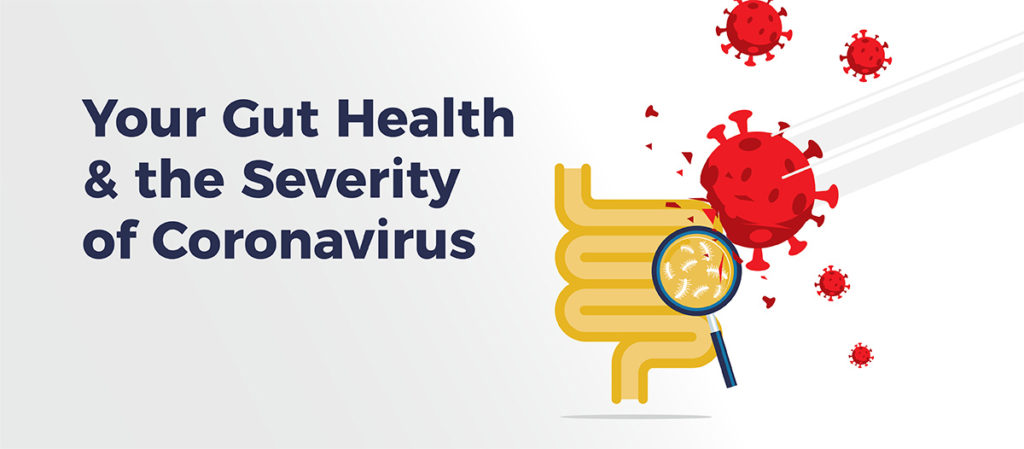
Could Your Unbalanced Gut Worsen the Coronavirus?

Since the beginning of the pandemic, we’ve reminded you about some simple steps you should be taking to protect the health of your gut during these coronavirus times. Many things affect your gut microbiome’s balance, from the meals you eat every day to the sleep you get every night. All of these things determine how well your immune system functions.

That critical balance — or the lack of it — and the volume of bacteria in your gut may play a critical role not only in how severe your battle with the novel coronavirus may be, but also in how your immune system responds to it.

The lack of gut bacteria balance

A team of Chinese researchers studied how the gut influences the novel coronavirus’s severity by comparing stool and blood samples from 100 hospitalized patients with a coronavirus diagnosis to 78 healthy patients who took part in a microbiome study before the pandemic began.

Among those coronavirus patients, 41 provided multiple stool samples while hospital-bound, and 27 shared stool samples up to 30 days after they recovered. The gut microbiome differences between healthy patients and those who fought COVID-19 were pretty dramatic.

Accounting for the lack of balance, researchers determined the guts of novel coronavirus patients contained fewer beneficial strains of bacteria that triggered an immune system response.

Also, lower numbers of some gut bacteria, including Bifidobacterium bifidum, were linked to more severe coronavirus infections after taking into account patients’ age and their use of antibiotics.

(Bifidobacterium bifidum is one of 10 strains that make up the potent mix of beneficial  bacteria in EndoMune Advanced Probiotic.)

What’s more, this depletion of bacteria was measured in samples up to 30 days after patients recovered.

The imbalances show up in the blood too!

When COVID-19 infects the human body, the immune system can sometimes go into overdrive, producing inflammatory chemicals called cytokines. If those cytokines become excessive, a destructive “storm” may result, causing the failure of multiple organs, tissue damage, and septic shock.

An examination of blood samples found more instances of these inflammatory cytokines and chemical markers linked to tissue damage in coronavirus patients also experiencing gut bacteria imbalances.

All of these facts led researchers to conclude that the gut microbiome may have more influence on your body’s immune response to the coronavirus, along with its severity and how you’ll recover from it.

What this means for you

Although scientists were unwilling to cite any concrete causes, it’s clear to them there are connections between the microbiome and inflammatory diseases and that boosting the beneficial bacteria in the gut depleted by the novel coronavirus could become a way to lessen its severity.

As you know, many factors play a role in your gut’s health and diversity, from sleep schedules and exercise to your eating habits.

Taking a probiotic is one of the most straightforward steps you can take to protect the health of your gut too. But not any generic probiotic will do…

That’s why it’s important to look for a probiotic with multiple strains of proven beneficial bacteria like those from the Lactobacillus and Bifidobacterium families.

EndoMune Advanced Probiotic is uniquely fortified with ten strains of beneficial bacteria from both families along with a very important prebiotic (FOS) to protect your gut 24/7.


References


Could Your Unbalanced Gut Worsen the Coronavirus? Read More »

Scroll to Top