Free shipping on all orders over $125*

Synbiotic Blend of 10 Beneficial Strains, Developed by Board-Certified Gastroenterologist

Digestive Health

Digestive Health related factors related to maintaining a healthy gut.

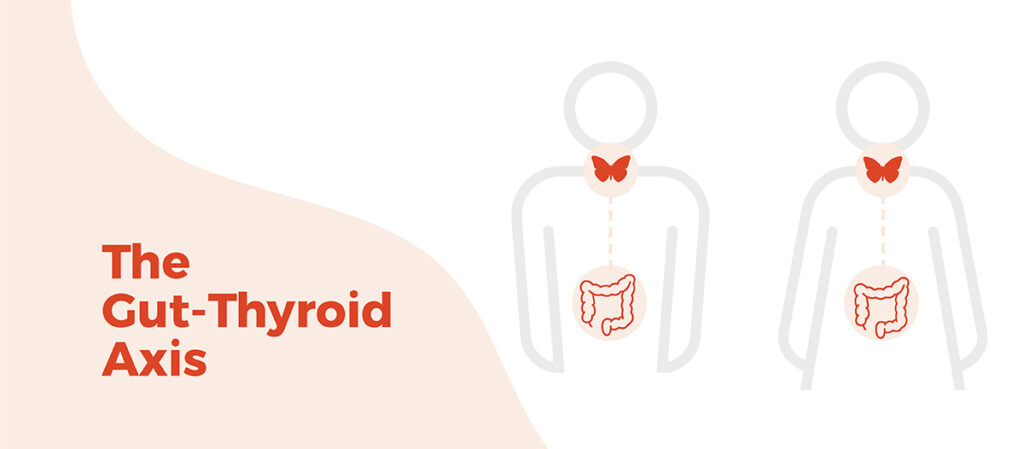
Illustration of two people illustrating their digestive systems and thyroids

The Gut-Thyroid Axis

The Gut-Thyroid Axis

The thyroid is a gland in our bodies about which we don’t pay much attention, except when it’s not working.

This butterfly-shaped organ laying along the base of your neck regulates many vital bodily functions including your weight, heart rate, breathing, menstrual cycles, cholesterol levels and a whole lot more.

As a critical part of the endocrine system, the thyroid produces and releases hormones (triiodothyronine or T3 and thyroxine or T4) that travel through your bloodstream and touch nearly every cell of your body.

You’ll notice health problems when the thyroid doesn’t release enough of these hormones (hypothyroidism) with signs of fatigue, concentration issues and frequent, heavy periods or too much (hyperthyroidism) leading to anxiety, sensitivity to high temperatures and trembling hands.

Did you know your gut bacteria may influence how your thyroid works or doesn’t?

Let’s take a look…


Gut health imbalances and thyroid problems

Although medical science has recognized the coexistence of thyroid and gut-related issues such as celiac disease and Hashimoto’s thyroiditis for more than 70 years, a more recent and growing body of evidence has found a connection between poor gut health and thyroid disease.

That link may begin with a very simple imbalance/dysbiosis in your gut microbiome. Recognizing the connections between thyroid issues and the gut, Chinese researchers compared the balance of bacteria in 40 healthy patients to 52 patients with hypothyroidism. according to a recent study appearing in Clinical Science.

Through blood tests and fecal samples, scientists identified four gut bacteria strains (Veillonella, Paraprevotella, Neisseria and Rheinheimera) that could very accurately predict (higher than 80 percent) whether someone suffered from untreated primary hypothyroidism or not.

Among hypothyroid patients, levels of Veillonella and Paraprevotella were significantly reduced, while Neisseria and Rheinheimera were greatly elevated. The ability of hypothyroid patients to produce beneficial short-chain fatty acids (SFCAs) that provide nourishment for the gut decreased too.

Similar problems with primary hypothyroidism persisted even after fecal samples taken from hypothyroid patients were transplanted into mice.

Fortunately, a healthy solution for both problems is also a very familiar one…


To the rescue!

A pair of studies appearing in Nutrients and Trends in Endocrinology & Metabolism point to the advantages of probiotics as a safe option that treat symptoms behind the scenes.

Not only do probiotics support the healthy balance of bacteria in the gut, these beneficial microbes have been beneficial in the treatment of some thyroid diseases.

How? Probiotics have a positive influence on trace minerals (selenium, copper, iodine, iron and zinc) in the human body. What’s more, the health of your gut also influences how efficiently those minerals that affect how your thyroid works are absorbed.

While the framework for the gut-thyroid axis appears very solid, there’s still lots of work to be done in laboratories all over the world before there’s real consensus on a protocol.

Until that happens, the best thing you could do to maintain the healthy balance of microbes in your gut and give your thyroid some extra support is taking a probiotic, ideally with multiple strains of beneficial bacteria like EndoMune Advanced Probiotic.


Resources

Clinical Science and Research Gate

Nutrients

Trends in Endocrinology & Metabolism

Endocrine Web

British Thyroid Association

the gut stuff

Journal of Trace Elements in Medicine and Biology

The Gut-Thyroid Axis Read More »

Baby lying on its back with an graphic of a digestive system over its body. Text reads "Gut-Brain Axis in Babies

Gut-Brain Axis In Babies

Your Baby’s Developing Gut-Brain Axis

As adults, we know our gut-brain axis — the connection that links our brain, intestines and emotions — is working and when it isn’t.

When those signals between the brain and gut get scrambled, something as simple as eating a highly processed, fast-food diet creates disruptions in the delicate balance of bacteria in our guts that can soon lead to obesity and lots more stress in our lives.

You may be surprised to learn that the gut-brain axis is at work even at the beginning of our lives as infants, and it’s noticeable when it isn’t.

If you’re a new mom who wonders why her newborn may be more fearful and fussier than you expected, it may be linked to the diversity of your baby’s gut and how it may shape their developing gut-brain axis.


The Fear Factor

Looking for new ways to support healthy neurological development, researchers at Michigan State University and the University of North Carolina teamed up for a study to compare fearful reactions experienced by infants to the balance of bacteria in their developing microbiomes.

Reacting to fearful things is a normal part of infant development. But, when those responses continue even in safe situations, that could signal an elevated risk of your baby developing anxiety and depression later on in life, says Dr. Rebecca Knickmeyer of Michigan State, leader of the study published in Nature Communications.

To learn how infant gut microbiomes were connected to the fear response, investigators conducted a year-long study with 30 infants who were breastfeeding and hadn’t been prescribed antibiotics.

Scientists evaluated the mix of gut bacteria based on stool samples taken from infants at 1 month and 12 months and assessed their fear responses with a simple test: Watching how each baby reacted when a stranger entered a room wearing a Halloween mask.

Parents were with their babies the whole time and they could jump in whenever they wanted, Knickmeyer says. “These are really the kinds of experiences infants would have in their everyday lives.”

No surprise, newborns who were more fearful at age 1 had very noticeable imbalances in gut bacteria at 1 month compared to those whose microbiomes remained stable. But that’s not all.

Using MRI imaging of those children’s brains, researchers discovered the diversity or lack of it in their developing guts was linked to the size of their amygdala, the sector of the brain responsible for making quick decisions about potential threats.


The Future Of Your Baby’s Gut

The results of this report highlight how important it is to protect the balance of bacteria in your baby’s gut, even when they breastfeed, and avoid antibiotics, for the sake of their developing gut-brain axis.

This may be a good time to talk to your pediatrician about giving your baby’s gut some extra help in the form of a probiotic

If you’re looking for an easy-to-use probiotic with the right mix of beneficial bacteria from the Lactobacillus and Bifidobacterium families plus a prebiotic that feeds the good guys in their gut, we hope you’ll consider EndoMune Jr. Powder.

Just a half-teaspoon of EndoMune Jr. sprinkled in your baby’s formula or added to soft foods (when your baby is ready) once a day can make a healthy difference.


Resources

Nature Communications

Michigan State University

Gut-Brain Axis In Babies Read More »

Vector illustration of the large intestine. Text on image reads "Could Your Gut Be Hiding IBS?"

Could Your Gut Be Hiding IBS?

Could Your Gut Be Hiding IBS?

Gastroenterologists diagnose more patients with irritable bowel syndrome (IBS) than any other gut-health condition.

But that familiarity doesn’t always mean more clarity, which can be more problematic given the three most common subtypes of IBS: IBS-C (constipation), IBS-D (diarrhea) or IBS-A (a mix of diarrhea and constipation).

A recent study appearing in the journal Gut may shed new light on the roots of IBS, especially for those dealing with diarrhea symptoms from IBS-D.

Bacteria In Hiding

The culprit is Brachyspira, a bacterial “family” composed of seven different invasive species. Two of those seven species harm humans and trigger diarrhea, abdominal pain and weight loss.

The fascinating part of this study was how researchers at the University of Gothenburg (Sweden) actually found samples of Brachyspira while comparing the gut health of 62 IBS patients with 31 healthy volunteers.

Fecal samples are often the most direct and easiest approach used by scientists to examine gut health issues, yet samples collected in the study provided no evidence of the sickening bacteria.

Brachyspira was eventually found “hiding” in biopsies of colonic tissues collected from nearly a third of the IBS patients tested, but not in biopsies of healthy patients. What’s more, patients infected with Brachyspira primarily suffered from IBS-D.

Antibiotics Are No Answer

So, scientists took the next step in the process to determine if they could treat IBS-D patients with a common weapon: Antibiotics. Patients were instructed to take 500 mg doses of the antibiotic metronidazole three times a day for two weeks.

Yet, antibiotics didn’t eradicate the problem due to more “hiding” by Brachyspira inside intestinal cells, according to Dr. Karolina Sjöberg Jabbar.

“This appears to be a previously unknown way for bacteria to survive antibiotics, which could hopefully improve our understanding of other infections that are difficult to treat.”

The Next Step

These unusual findings have left researchers curious about the connections between IBS and Brachyspira, and open to non-drug treatments that may be more effective, like probiotics.

Probiotics are proven, versatile tools for treating diarrhea and shortening its duration, maintaining the motility in your intestines that eases constipation and always keeping your gut-brain axis in balance.

When you’re looking for a good probiotic, make sure this supplement is formulated with multiple strains of beneficial bacteria from the Lactobacillus and Bifidobacterium families, along with a prebiotic to give your gut as much help for treating IBS.

EndoMune Advanced Probiotic covers all of the bases on your checklist to treat IBS safely and effectively and restoring the healthy balance of bacteria in your gut.

References

Gut

University of Gothenburg

ScienceDirect

WebMD

Nutraingredients

Could Your Gut Be Hiding IBS? Read More »

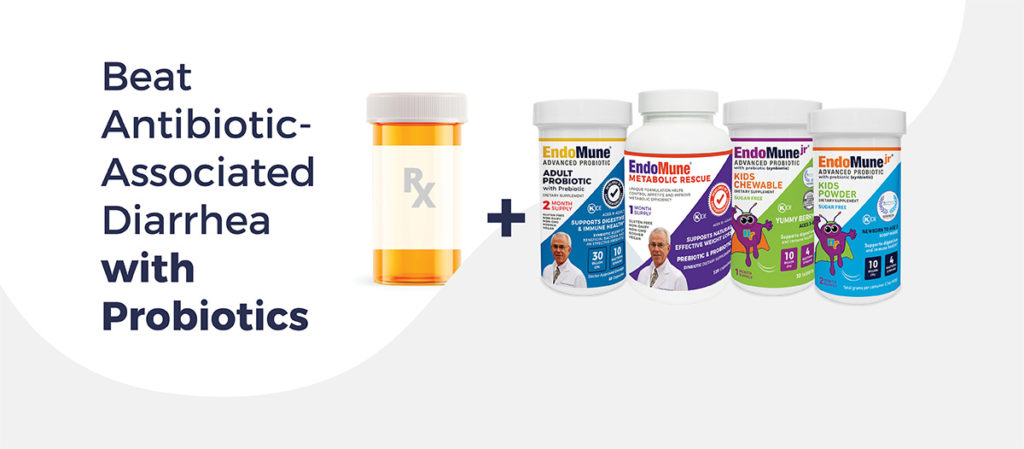
Text: Beat Antibiotic Associated Diarrhea with Probiotics

Treat Diarrhea With Probiotics

Beat Antibiotic-Associated Diarrhea With Probiotics

The impact antibiotics have on human health and our gut is one of the most important things modern medicine has learned over the past 20 years.

Antibiotics remain effective tools that treat many problems, but relying on them too often creates additional health complications.

Even when they’re used properly, antibiotics are disruptive to the healthy balance of bacteria in the human gut, spurring antibiotic-associated diarrhea, a very common problem that affects roughly 1 out of every 5 patients.

Fortunately, modern medicine has embraced the important role probiotics play in protecting the healthy balance of bacteria in the human gut, the center of our immune system.

What’s more, probiotics are a safe, effective treatment for antibiotic-associated diarrhea, according to a study recently published in the health journal Nutrients.


The Bifidobacterium Way

Scientists from the University of Maryland and Georgetown University examined the benefits of a proprietary blend of Bifidobacterium lactis on 42 patients who were given amoxicillin-clavulanate, a common antibiotic.

Scientists from the University of Maryland and Georgetown University assigned 38 healthy patients to eat a daily serving of yogurt containing Bifidobacterium lactis for two weeks, along with a standard, week-long regimen of the common antibiotic, amoxicillin-clavulanate.

(Bifidobacterium lactis is one of 10 strains of beneficial bacteria contained in EndoMune Advanced Probiotic and EndoMune Kids Advanced Chewable Probiotic.)

An additional 18 patients were assigned to a control group who ate the daily yogurt minus the probiotic bacteria for two weeks while also taking the antibiotic for a week.

No surprise, patients who took a probiotic had a healthier balance of bacteria in their guts than those assigned to a placebo, but how?

For one, patients assigned the placebo had significantly lesser amounts of the short-chain fatty acid acetate, a metabolite produced by gut bacteria, than those taking a probiotic. In fact, acetate levels among patients in the probiotic group more rapidly returned to normal by day 30.

Additionally, researchers cited the benefits of taking a probiotic the very same day they started their seven-day course of antibiotics.

“Starting the probiotic as early as possible, before the antibiotic symptoms have progressed, may result in a greater opportunity for the probiotic mechanisms to be expressed and may ultimately lead to more beneficial clinical outcomes,” says study co-author Dr. Daniel Merenstein of the Georgetown University School of Medicine.


Follow Your Antibiotic Protocol!

The results of this study were so impressive and positive, the National Institutes of Health plan to fund a follow-up study to determine the best time to take a probiotic.

Luckily, if you follow our blog regularly, you may already have an antibiotic protocol in place, so you already know what to do!

The important thing to remember: Give yourself a two-hour break between a probiotic — ideally one with multiple strains of beneficial bacteria like EndoMune — and an antibiotic to give those beneficial bacteria some extra time to do their work.


Resources

Nutrients

University of Maryland School of Medicine

Oregon State University

Mayo Clinic

Drugs.com


Treat Diarrhea With Probiotics Read More »

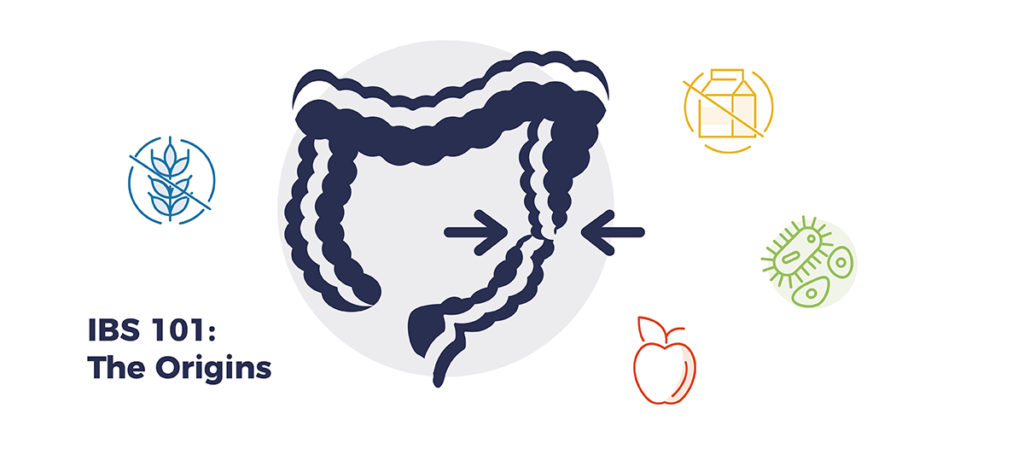
Illustration of the human digestive tract. Text: Origins of IBS 101

IBS 101: The Origins

IBS 101: The Origins

Some of the most popular articles on our website feature irritable bowel syndrome (IBS), the most common condition gastroenterologists diagnose.

As many as 15 percent of all Americans may experience IBS symptoms during their lifetime, yet only a small portion of people are diagnosed and treated for it.

That’s really not surprising given the three IBS subtypes, depending on whether the main symptoms are constipation (IBS-C), diarrhea (IBS-D) or a mix of both (IBS-A), that can create a lot of confusion.

A recent European study conducted by the Dutch university, KU Leuven, has shed some new light on the real mystery: What triggers IBS.


Food Allergy Or No Food Allergy?

This team of Dutch researchers had already demonstrated how blocking histamine (a chemical released when the immune system is fighting a potential allergen) improved the health of IBS patients.

The real question: If the immune systems of healthy patients don’t react to foods, what would change to trigger IBS? This same European research team conducted tests on mice and IBS patients to find out.

Knowing that patients experience IBS symptoms after a GI problem like food poisoning, scientists infected mice with a stomach bug while feeding them a protein found in egg whites that’s commonly used as a food antigen (any molecule that provokes an immune response).

After the infections cleared up, mice that were fed the same food antigen a second time became sensitive to it, evidenced by the release of more histamine in their bodies and signs of abdominal pain.

What’s more, this immune response was localized in the part of the intestine infected by the gut bug but didn’t produce more generalized symptoms of a food allergy.

When researchers conducted a similar test on 12 IBS patients (injecting their intestines with a mix of cow’s milk, wheat, soy and gluten), the results mirrored the same ones seen in mice to at least one food antigen.


More Work To Be Done

Although scientists have identified one trigger for IBS, there’s still a lot of research ahead before a reliable solution ever comes. But you don’t have to wait to treat IBS dependably and safely.

We already know that following a more balanced diet with more fiber and fewer carbohydrates eases symptoms. A registered dietician may also recommend a FODMAP diet, a restrictive but temporary eating plan to help you target problem foods that could trigger IBS symptoms.

Your doctor may also recommend medications, but changes in a patient’s IBS subtype can make that a tricky proposition. Also, if stress is a factor in your IBS challenges, your physician may prescribe an antidepressant drug too.

However, if you’re wary about taking a drug, there are good non-drug options for easing symptoms, like probiotics that handle the key symptoms of each IBS subtype.

Probiotics do a great job of treating diarrhea and shortening its duration. Maintaining the motility in your intestines with help from probiotics eases constipation. And, when stress becomes a factor, probiotics work well to keep your gut-brain axis in balance.

The reputation of probiotics has become so rock-solid that professional organizations like the British Society of Gastroenterology recommend them as a frontline treatment for IBS.

When you’re looking for a good probiotic, be sure it’s formulated with multiple strains of beneficial bacteria that support the healthy microbial diversity of your gut.

Any probiotic you consider should also include a prebiotic, the unsung heroes of gut health that feed the bacteria living in your gut.

You can enjoy the best of both worlds with EndoMune Advanced Probiotic, formulated with 10 strains of beneficial bacteria from the Lactobacillus and Bifidobacterium families plus the proven prebiotic FOS.


Resources

Nature

KU Leuven

Cleveland Clinic

About IBS

Nutrients

Genetic Engineering and Biotechnology News

IBS 101: The Origins Read More »

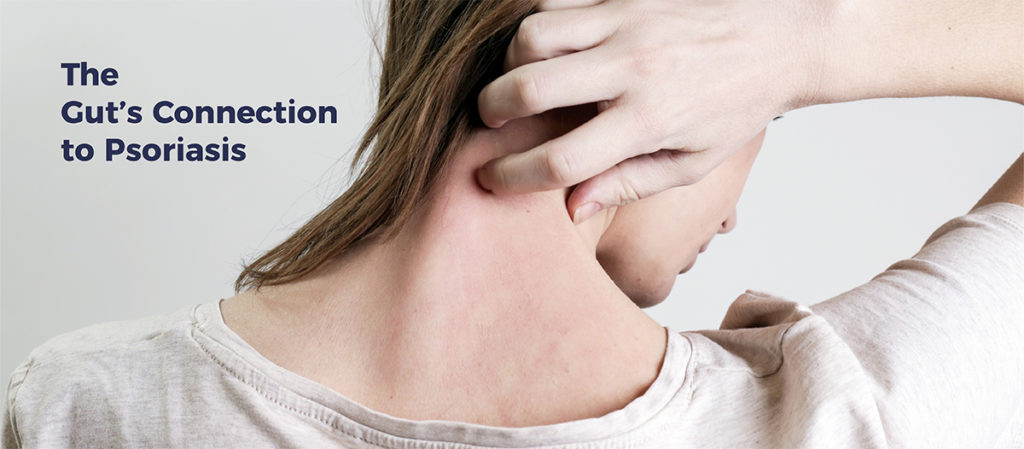
Women scratching irritated neck. TEXT: The Gut's Connection To Psoriasis

The Gut’s Connection To Psoriasis

The Gut’s Connection To Psoriasis

We’re getting more evidence by the day about the harmful effects of the Western diet, a nutrient-poor mix of highly processed foods full of fats, refined grains and sugars, and its relation to the gut.

It doesn’t take much to create unhealthy imbalances in the gut that lead to newly discovered problems, as researchers from the University of California Davis have recently discovered.

The reduction of microbial diversity and the loss of beneficial bacteria, better known as the dysbiosis of the human gut, is so harmful that it can leave you vulnerable to inflammatory skin conditions like psoriasis and more serious related problems such as psoriatic arthritis.

As many as 30 percent of patients who have psoriasis also suffer from psoriatic arthritis, a condition that causes painful, swollen joints. (This could be the first or only symptom of psoriasis.)


How Processed Foods Affect Psoriasis

To study the harm poor diets can do to the gut, scientists worked with mice, starting off by feeding them a Western diet for six weeks then injecting them with Interleukin-23 (IL-23), a chemical that drives inflammation, to induce a response that mimics psoriasis.

After that first six-week period, the mice were divided randomly into two groups, with half of them maintaining a Western diet while the rest eating a more balanced diet for an additional four weeks.

No surprise, mice that were fed a Western diet for the entire 10 weeks experienced skin and joint inflammation which wasn’t a surprise. In fact, test animals that were switched to a balanced diet had fewer skin problems and reduced ear thickness.

“It was quite surprising that a simple diet modification of less sugar and fat may have significant effects on psoriasis,” said Zhenrui Shi, a visiting assistant researcher in the University of California Davis’ department of dermatology and lead author on the study.

But that’s only part of the solution…

We’ve shared a lot of research with you recently about the benefits of maintaining a healthy gut to treat common skin conditions like acne and prevent bone loss by taking a probiotic with beneficial bacteria.

Any probiotic you take to protect your gut should contain multiple strains of beneficial bacteria to make a healthy difference, like the 10 proven strains from the Lactobacillus and Bifidobacterium families found in EndoMune Advanced Probiotic.

EndoMune also features a prebiotic (FOS) made of digestible plant fibers and carbohydrates that do important work behind the scenes to feed the bacteria in your gut and stimulate their growth.


References

Journal of Investigative Dermatology

UC Davis Health

Mayo Clinic

Science Direct

The Gut’s Connection To Psoriasis Read More »

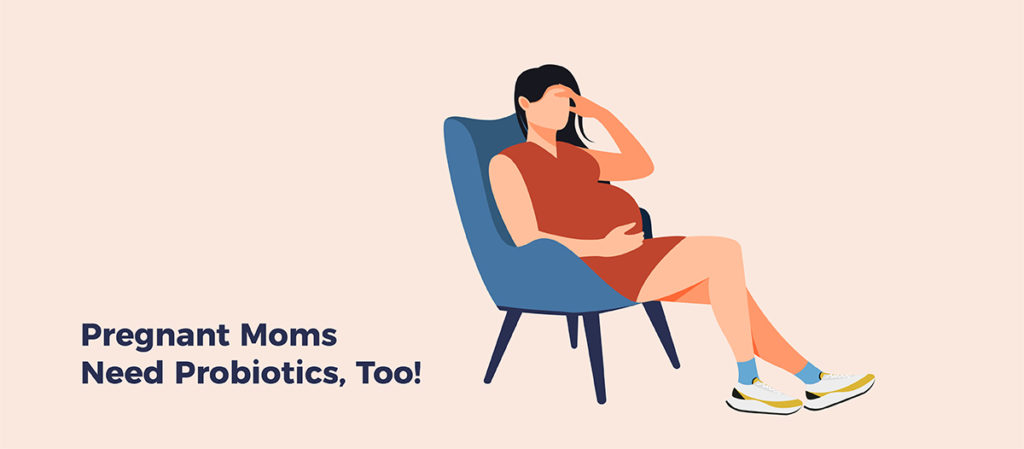
Illustration of pregnant woman sitting down in chair holding her stomach and forehead. Text: Pregnant Moms Need Probiotics Too!

Pregnant Moms Need Probiotics Too

Pregnant Moms Need Probiotics Too

We’ve talked a lot in the past about the steps Moms can take to give their babies a gut-healthy start in life, with natural childbirth and breastfeeding topping the list.

Good gut health plays an important role for new Moms too, especially when common problems like constipation, vomiting and nausea arise.

Moms have a safe, healthy way to treat those problems without a drug by taking a probiotic containing multiple strains from the Lactobacillus and Bifidobacterium families, according to findings based on new research appearing in the journal Nutrients.

Scientists from the University of California Davis monitored the gut health of 32 Moms-to-be over the course of 16 days. Each woman took a multi-strain probiotic for two six-day cycles and abstained for a pair of two-day cycles.

(Four of the probiotic strains used in this study are among the 10 strains of beneficial bacteria contained in EndoMune Advanced Probiotic.)

During the length of the study, a subset of the women who were monitored completed daily surveys that tracked the quality of their health while providing fecal samples before, during and afterward in order to determine if taking a probiotic really made a difference in treating their symptoms.

Overall, multi-strain probiotics significantly shortened periods of vomiting and nausea and reduced incidences of constipation, alleviating problems with hard stools.


The Probiotic Difference

How did multi-strain probiotics make such a notable improvement for pregnant women experiencing these symptoms?

Previous research suggests increases in sex hormones like progesterone (that influence the potential for pregnancy) lead to shifts in gut motility as well as the composition of the gut microbiome.

Researchers believe the big changes of sex hormones during the early stages of pregnancy alter the microbiomes just enough to contribute to the challenges new Moms experience, including nausea, constipation and vomiting.

There were some caveats to the study, namely comparing the use of probiotics to a placebo in a more formal, longer trial. However, scientists believe a formalized study could lead to greater findings of probiotic benefits.

These findings are a gut-friendly relief to the daily health of new Moms, and a comforting addition to existing research that has shown how probiotics reduce the incidence of preeclampsia and gestational diabetes mellitus.

If you’re a new Mom who is already juggling major life changes, the last thing you want to think about is dealing with constipation or nausea.

Taking a probiotic with proven strains of beneficial bacteria — plus a prebiotic — like EndoMune Advanced Probiotic can make a gut-healthy difference.


Resources

Nutrients

NutraIngredients.com

American Pregnancy Association

Gastroenterology Clinics of North America

Hormone Health Network

The American Journal of Maternal/Child Nursing


Pregnant Moms Need Probiotics Too Read More »

Woman on walk outside with towel over shoulder. Text: A gut-healthy way to lose weight

How Gut Health Affects Weight Loss

A Gut-Healthy Way to Lose Weight

As the holiday season approaches, many people are already thinking about the start of a New Year and reminded about those “Let’s lose weight!” resolutions.

It’s not surprising given the results of a recent American Psychological Association report we shared about average weight gains during our COVID-19 hibernation that nearly doubled the quarantine 15 weight-gain assumptions.

Most people focus on the basics, but did you know your gut affects your ability to lose weight too?


The Gut-Weight Link

In a recent study appearing in mSystems that examined a subset of patients who were part of a behavioral modification study, scientists at the Institute for Systems Biology concluded that the mix of bacteria in the gut not only influences your ability to lose weight, but it can prevent it too.

Out of the 105 patients who participated over 6 to 12 months, 57 patients maintained the same BMI and lost no weight while the remaining 48 patients lost more than 1 percent of their body weight each month.

What’s more, these patients were given a specific diet or exercise plan to follow which led researchers to dig deeper with blood work and stool samples.


Two key findings stood out:

  1. People whose weight and BMIs remained the same during the study had a gut bacteria mix that broke down starchy foods into sugars more effectively.
  2. Among patients who lost weight consistently, researchers identified genes that helped gut bacteria grow, replicate and form cell walls faster, allowing starches to be consumed before they could add extra pounds.

These differences in genes shed light on the impact of nutrient-poor Western diets that create differences in the composition of gut bacteria among healthy people and those are obese, says lead study author Dr. Christian Diener.

So, what do you do to lose those extra pounds?


The Gut-Healthy Way To Lose Weight

You can take healthy steps — eat more nutrient-dense whole foods, incorporate more movement during your day and take a few minutes at day’s end to destress — but your body may still need help to build the momentum it needs to lose those extra pounds.

That’s where research has shown how targeted strains of beneficial bacteria in a probiotic supplement can maintain the healthy balance in our gut and help our bodies regulate our metabolism. (This is especially important if you’re older due to a natural decline of beneficial bacteria in your gut.)

EndoMune Metabolic Rescue contains a proven blend of Bifidobacterium lactis and the prebiotic XOS (Xylooligosaccharides) that stimulates the release of hormones in your gut that reduce your appetite by promoting a greater sense of fullness.

If you’ve been struggling to get started on your weight loss journey, EndoMune Metabolic Rescue is formulated to help you start your weight loss journey in a safe, all-natural, gut-healthy way.


Resources

mSystems

Technology Networks: Immunology & Microbiology

Science Focus/BBC

Nourish/WebMD


How Gut Health Affects Weight Loss Read More »

Illustration of a digestive system and a curled arm showing bicep muscle. Text: Your gut and muscle growth

How Gut Affects Muscle Growth

Your Gut and Growing Muscles

Exercise is one of the best things you can do for your body, whether it’s strength training, swimming, tai chi or walking.

What’s more, the benefits of exercise — from losing weight and reducing your risks of serious disease to strengthening your bones and muscles — are many and well-proven.

We already know exercise changes our gut for the better based on the production of butyrate, short-chain fatty acids that protect your gut from more harmful bacteria.

Did you know the health of your gut microbiome may affect the growth of your muscles too?

The Antibiotic Angle

Researchers at the University of Kentucky put this question to the test by taking an interesting approach using 42 female mice.

During the nine-week trial, some mice were fed water laced with a variety of low-dose antibiotics, no friend to the gut, while others were fed plain water. During this period all test animals had access to running wheels to encourage exercise.

No surprise, the muscles of mice that were fed antibiotics didn’t grow nearly as much as the group protected from antibiotics, although both sets of test animals exercised for about the same amount of time.

Of course, these results provoke new questions regarding the kinds of antibiotics used and whether the gender of the test animals really made as difference.

The fact remains that there is a connection between the presence of specific gut bacteria and muscle growth, according to Dr. John McCarthy, and associate professor at the University of Kentucky.

McCarthy cited a recent study in Nature Medicine that linked endurance for elite marathon runners and mice to the abundance of a specific species of gut bacteria (Veillonella).

The goal here isn’t limited only to improving athletic performance. This growing body of knowledge will help to identify substances made by gut bacteria to promote muscle growth among people dealing with cancer or aging, says study co-author Taylor Valentino.

The Lesson Learned

For now, no matter what researchers learn about muscle growth, our take-home message remains pretty simple…

Even after taking in all of this research, we’re still learning about the wide-ranging benefits the gut has to offer as well as the many problems associated with antibiotics.

If you have concerns about what to do when you’re prescribed an antibiotic by your family physician, be sure to take a look at our recently updated antibiotic protocol for guidance.

Antibiotics have a depleting effect on the bacteria in your gut that keep your immune system strong and healthy. One of the easiest and most effective ways to protect and support is to take a probiotic like EndoMune Advanced Probiotic, formulated with multiple strains of beneficial bacteria from the Lactobacillus and Bifidobacterium families, about two hours before that scheduled antibiotic.

That extra time gives those beneficial bacteria to make it to your gut and protect your gut, the center of your immune system.

Resources

The Journal of Physiology

The Physiological Society

Harvard Medical School

MedlinePlus

Clinical OMICs

Nature Medicine

How Gut Affects Muscle Growth Read More »

Four spoons holding different types of sugar and artificial sugars. Text: Should you use artificial sweeteners?

Artificial Sweeteners Disrupt Gut Health

Artificial Sweeteners Disrupt Your Gut Health

Artificial sweeteners are some of the first options people consider when they want to lose weight yet still satisfy their sweet tooth.

But, as we’ve learned from previous research, there are tradeoffs when you turn to popular products like artificial sweeteners. Some of them may do more harm than good to your health.

An international research team from Israel and Cyprus recently took a second look at how those six artificial sweeteners affect human health.

Based on a new report featured in the International Journal of Molecular Sciences, scientists found three of those very popular artificial sweeteners used in so many “diet” foods, sports supplements and carbonated beverages may interfere with how the bacteria in your gut communicate and could increase your risk of disease.


The Unsweet Results

The test was a very simple one as researchers exposed light-emitting bacteria to a half-dozen FDA-approved artificial sweeteners contained in many sports supplements athletes use.

Three of those artificial sweeteners — aspartame, sucralose and saccharin — reduced the light from the light-emitting bacteria, signaling to researchers that communication between bacteria was disrupted.

Why this new knowledge is so important: Labeling on products like popular diet sodas and sports drinks don’t accurately tell us how much of the fake stuff they contain, says Dr. Ariel Kushmuro, who runs the Ben-Gurion University’s Laboratory of Environmental Biotechnology.

In other words, how much artificial sweetener is contained in that sports drink and what amount of it creates health problems? Given that aspartame, sucralose and saccharine range in sweetness from 200 to 700 more than table sugar, it’s hard to be completely sure.

Healthier Options

If you’re ready to reduce your intake of diet drinks and sports supplements, you do have better, healthier options, like drinking water that promotes more natural fullness and keeps you hydrated.

However, if you’re not ready to give up on sweet drinks and other products containing artificial sweeteners, it’s a good idea to protect the healthy balance of bacteria in your gut by taking a probiotic with proven strains of beneficial bacteria from the Bifidobacterium and Lactobacillus families, like those found in EndoMune Advanced Probiotic.

References

International Journal of Molecular Sciences

Ben-Gurion University

Israel 21

Times of Israel

Artificial Sweeteners Disrupt Gut Health Read More »

Scroll to Top