Free shipping on all orders over $125*

Synbiotic Blend of 10 Beneficial Strains, Developed by Board-Certified Gastroenterologist

Probiotics

Probiotics, according to a large number of  studies indicate that probiotics help restore and maintain healthy guts leading to overall better health.

Industry Innovator EndoMune Probiotics Supplements Purchased by San Antonio-based Medical Care Innovations

Long-time EndoMune Operations Executive Dawn Goforth Leads New EndoMune Owners Medical Care Innovations

EndoMune’s Innovative Products, Distribution Channels, and Operations Remain the Same as New CEO Goforth Positions EndoMune Probiotics for Sales Growth and Product Extensions for 2024 and Beyond.

[SAN ANTONIO, TEXAS] — Today EndoMune Probiotics announced the company and its family of innovative probiotics supplements were purchased by San Antonio-based Medical Care Innovations. Medical Care Innovations is led by long-time EndoMune operations executive Dawn Goforth and her husband, businessman Rick Goforth. The terms of the deal are undisclosed.

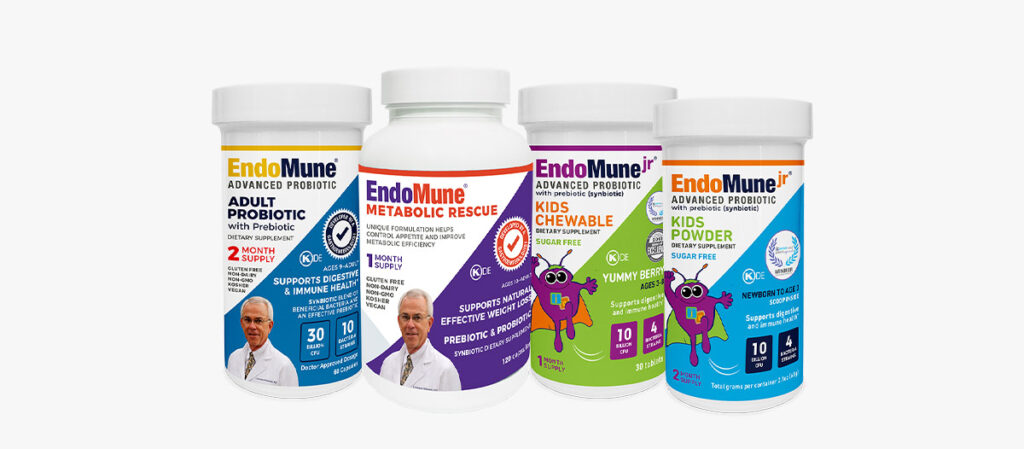
Founded in 2007 by Gastroenterologist Dr. Lawrence J. Hoberman, EndoMune’s innovative probiotic supplements Advanced Probiotics, Junior Advanced Chewable Probiotic, Junior Advanced Probiotic Powder, and Metabolic Rescue support digestive and immune health, and increased energy levels for active adults, children, and seniors.

Today EndoMune Probiotics are available at more than 300 HEB grocery stores, independent pharmacies and wellness centers across the U.S., Amazon, and EndoMune.com. Market analysts expect the U.S. probiotic supplement market to grow to $6-$8 billion in 2024.

“Our new team is excited to build on EndoMune’s 17 years of probiotics innovation and success,” said Dawn Goforth, Managing Partner of Medical Care Innovations. “Our flagship EndoMune supplements Advanced Probiotics, Junior Advanced Chewable Probiotic, Junior Advanced Probiotic Powder, and Metabolic Rescue remain the same. EndoMune’s operations, manufacturing, and distribution partners are unchanged. Medical Care Innovations is investing in new EndoMune product lines for 2024 and 2025, and focusing on sales growth to take advantage of the fast-growing probiotics supplement marketplace.”

“My long-time operations director and friend Dawn Goforth, and her husband and business partner Rick, are the ideal people to continue the EndoMune success story,” said EndoMune Founder and Gastroenterologist Dr. Lawrence J. Hoberman. “Dawn and Rick are the only people I could think of who possess the marketplace expertise, vision, and know-how to lead EndoMune’s future growth. Plus, they share my life’s commitment to making life better for everyone. EndoMune Probiotics is in great hands.”

About EndoMune Probiotics

Founded in 2007, EndoMune Probiotics (EndoMune.com) is a leading innovator in probiotic supplements for active adults, children, and seniors. EndoMune’s Advanced Probiotics, Junior Advanced Chewable Probiotic, Junior Advanced Probiotic Powder, and Metabolic Rescue support digestive and immune health, and increased energy levels. EndoMune Probiotics are available at independent pharmacies and wellness centers across the U.S., more than 300 HEB grocery stores, Amazon, and EndoMune.com. EndoMune’s supplements and product statements have not been evaluated by the Food and Drug Administration. EndoMune’s supplements are not intended to diagnose, treat, cure, or prevent disease. EndoMune Probiotics are 100% made in the U.S.A. EndoMune Probiotics is owned by Medical Care Innovations, a privately held, Woman-Owned Business Enterprise (WBE) based in San Antonio, Texas.

Industry Innovator EndoMune Probiotics Supplements Purchased by San Antonio-based Medical Care Innovations Read More »

Could Probiotics Protect You From Microplastics?

Could Probiotics Protect You From Microplastics?

Summary: Harmful microplastics are everywhere and even in our bodies, but there may be a gut-friendly solution in probiotics.

Not a day goes by that we don’t hear something in the news about the growing challenges of plastics polluting our environment.

The problem has become so severe, a growing body of research has concluded that microplastics (pieces of plastic the size of a sesame seed) are even polluting our own bodies, from our lungs to our blood.

Where these microplastics come from is no surprise, given how much we rely on plastic for everything from tires to disposable water bottles. This passive exposure also infects the foods we grow and even the air we breathe.

The tiny microplastic particles can also be easily absorbed by the gut causing all sorts of problems with leaky gut and the healthy balance of bacteria in your gut, the center of your body’s immune system.

Probiotic protection

Fortunately, we may have a very natural way to protect our bodies and collective gut health from harm with help from probiotics, based on a recent review of studies appearing in Frontiers in Nutrition.

Researchers reviewed studies published from 2015-23 that showed how probiotics may ease inflammation and protect our bodies from some toxicity due to microplastic exposure.

Some studies showed how the beneficial bacteria contained in probiotics could absorb and neutralize heavy metals like mercury and cadmium. At the same time, some strains reduced problems by binding to and degrading phthalates (chemicals used to make plastics more durable) and BPA (a chemical used to produce polycarbonate plastics).

In a more recent study, Chinese scientists found that probiotic strains alleviated inflammation just enough to improve the quality of sperm in mice due to exposure to polystyrene microplastics (used to build appliances, electronics and many car parts).

For the foreseeable future, the persistence of microplastics is here to stay and research is just scraping the surface about the benefits of probiotics.

If you’re asking yourself what you could do to protect your body from the harmful effects of microplastics, it’s worth noting that some of the protective strains of beneficial bacteria examined in these studies are featured in EndoMune Advanced Probiotic.

Resources

Science News

Frontiers in Nutrition

Nutra Ingredients Europe

The Guardian

Environmental Health News

Nutrition Insight

Ecotoxicology and Environmental Safety

Could Probiotics Protect You From Microplastics? Read More »

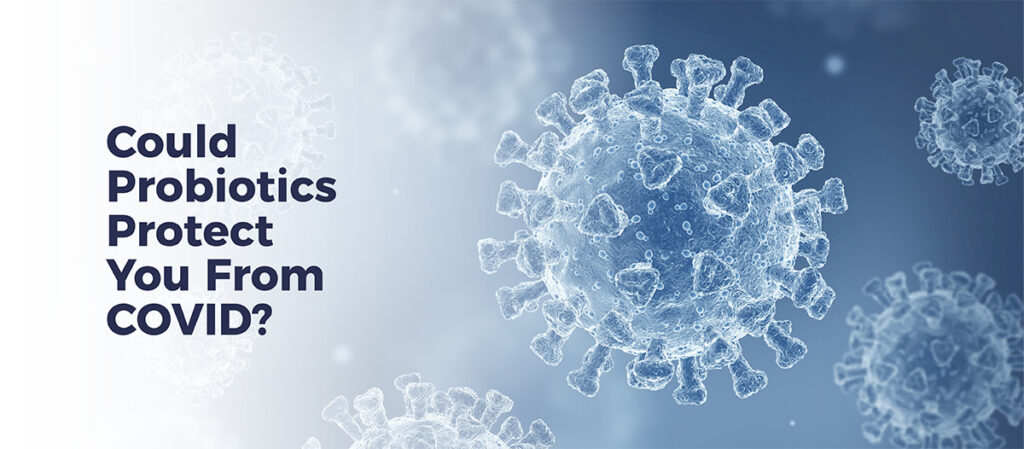
Could Probiotics Protect You From COVID?

Could Probiotics Protect You From COVID?

Summary: Probiotics may provide extra protection to unvaccinated people after exposure to COVID to delay infections and reduce their symptoms.

Since the beginning of the COVID era, medical science has acknowledged the connection between this serious respiratory disease and a person’s gut health.

Often, gut dysbiosis — disruptions in the healthy balance of bacteria in your gut — have been the focal point in studies that link your health to COVID.

Not so long ago, we learned how probiotics can do a lot of good to alleviate common symptoms for patients already suffering from Long COVID.

The benefits of probiotics may also extend to people exposed to COVID who haven’t received a vaccine, according to findings recently published in Clinical Nutrition.

Protection before a vaccine

Recognizing how effective probiotics were in relieving respiratory infections, researchers at Duke University and the University of North Carolina launched a study prior to the widespread release of vaccines in 2020 to test the protective effective of probiotics on the unvaccinated who had been exposed to COVID.

Half of the 182 patients took a probiotic containing a proprietary strain of Lactobacillus while the rest received a placebo daily for four weeks.

No surprise, those who took a probiotic were 60 percent less likely to develop COVID symptoms even after exposure to the disease compared to those in the placebo group and were able to protect themselves from contracting COVID for a longer time.

And, probiotic patients had more significant remnants of beneficial bacteria in stool samples taken 70 and 85 days after the initial trial too.

Although the study’s sample size was small (due to the rapid development of vaccines), scientists were very encouraged about the results yet not surprised by them, says Dr. Paul Wischmeyer, co-lead author on the study.

“While limited in sample size, our study lends credence to the notion that our symbiotic microbes can be valuable partners in the fight against COVID-19 and potentially other future pandemic diseases.

So, if you’ve been lax about staying up-to-date on your COVID vaccine schedule — less than 20 percent have received updated vaccines according to the CDC — you may want to consider getting some extra protection by taking a probiotic like EndoMune Advanced Probiotic, formulated with multiple strains of beneficial bacteria and a prebiotic that feeds the beneficial bacteria in your gut.

Advisory note

For the most up-to-date advisories on COVID-19, visit the CDC website at https://www.cdc.gov/coronavirus/2019-ncov/index.html.

Resources

Clinical Nutrition

Duke Health/News and Media

Washington Post

Could Probiotics Protect You From COVID? Read More »

Safe to use Probiotics to help treat type 2 diabetes.

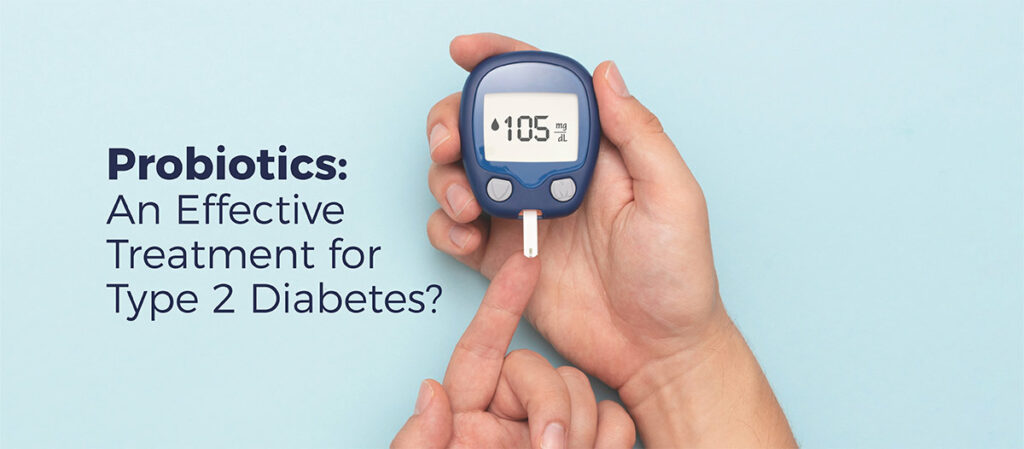
Probiotics: An Effective Treatment For Type 2 Diabetes?

Summary: Is it safe and helpful to take a probiotic if you’re coping with type 2 diabetes? This survey of studies gives a thumbs-up to probiotics!


As the epidemic of metabolic syndrome continues in America — thanks to a Western lifestyle that can kill you faster than smoking — the number of Americans dealing with type 2 diabetes is growing by the day.

Among the 38 million Americans who currently suffer from diabetes, roughly 90 percent of them are dealing with type 2 diabetes. (An alarming 22 percent don’t even know they have diabetes at all!)

You can do plenty of things to manage your health if you have type 2 diabetes, from diversifying your diet to include more unprocessed whole foods to finding more time during day to get moving with some form of exercise.

Researchers have also learned so much about how an unbalanced gut microbiome affects many aspects of human health, including how it creates many challenges for type 2 diabetes patients trying to regulate their blood sugar.

If you or a loved one is struggling with managing type 2 diabetes, taking a probiotic should be at the top of your to-do list too, based on a recent review of 33 studies appearing in Nutrients.

Nearly two-thirds of the studies Canadian researchers reviewed reported improvements in at least one measurement related to glycemic levels while taking a probiotic.

In addition, nearly half of those reports cited improvements in lipid levels after taking a probiotic. That’s very important given that elevated levels of LDL lipoproteins can greatly raise one’s risks of cardiovascular diseases.

Also, the benefits of multi-strain probiotics formulated with strains from the Lactobacillus and Bifidobacterium families really stuck out with 16 studies reporting improvements in at least one glycemic measurement.

This makes sense given that the Bifidobacterium family enhances the production of healthy fatty acids and the digestion of fiber while promoting immune health and the Lactobacillus family assists the protection of the barrier lining the gut.

Finally, probiotics also worked very well with metformin, a go-to drug prescribed for type 2 diabetics, enriching the composition of gut bacteria, decreasing insulin resistance and increasing the abundance of beneficial short chain fatty acids (SCFAs).

While there’s much more research to be done, there’s little doubt that probiotics, especially those formulated with multiple strains of bacteria like EndoMune Advanced Probiotic, can be a boon to the health of type 2 diabetes patients.

Resources

Nutrients

News-Medical.net/Life Sciences

CDC

Mayo Clinic

Medline Plus

Probiotics: An Effective Treatment For Type 2 Diabetes? Read More »

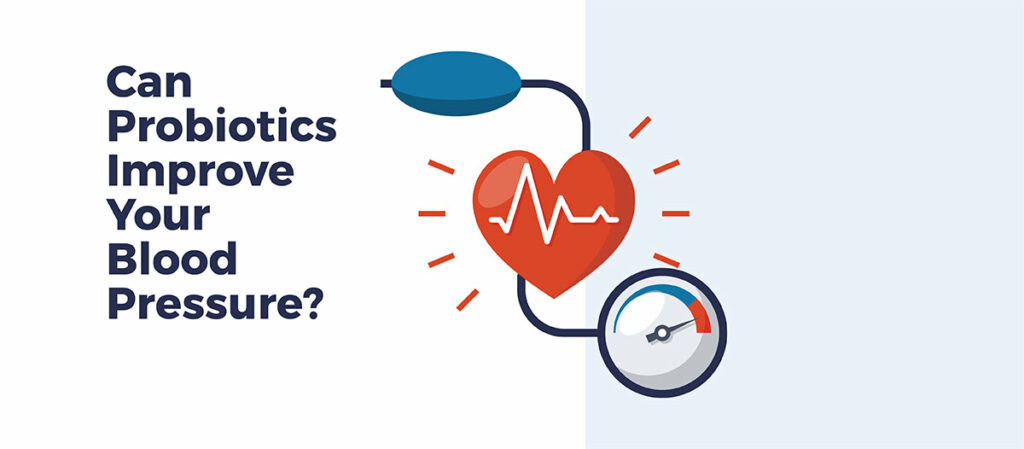
Can Probiotics Improve Your Blood Pressure

Can Probiotics Improve Your Blood Pressure?

Summary: Probiotics may be helpful in lowering your blood pressure.


Nearly half of all American adults suffer from high blood pressure/hypertension for a lot of reasons, including consuming more sugar and salt from highly processed foods in their diets than ever before.

There are many ways to treat hypertension/blood pressure from simple lifestyle changes (getting more sleep, eating a less salty diet, incorporating more movement via exercise and maintaining a healthy weight) to taking medicines.

Unfortunately, many people rely solely on medications to help them manage their elevated blood pressure but 20 percent of all patients won’t respond to them at all, even when using multiple drugs.

Recent studies we’ve shared have shown how hypertension and your gut health are linked in very interesting ways with some medication combinations worsening blood pressure symptoms.

So, we weren’t surprised to learn that a multi-species probiotic formulated with strains from the Lactobacillus and Bifidobacterium families was responsible for lowering blood pressure numbers to normal levels, according to a recent study appearing in mSystems.

Multi-species probiotics for the win!

A team of Chinese researchers tested the benefits of multi-strain probiotics on hypertension in a study with mice fed water mixed with sugar that had elevated their blood pressures to unhealthy levels.

Over 16 weeks, scientists compared blood pressure readings of test animals that received a probiotic containing Lactobacillus rhamnosus and Bifidobacterium lactis to a group of mice that didn’t receive one and a control group fed water without sugar.

(These two strains of beneficial bacteria are among the building block species featured in EndoMune Advanced Probiotic.)

The most interesting finding from the report: Blood pressure levels among mice treated with a multi-strain probiotic were healthy and no different than mice only fed water. Also, scientists identified gut bacteria signatures in probiotic mice that were typical among people with lower pressures.

The results were so positive that this research team is planning a larger clinical trial to discover if these same probiotic benefits hold up for humans.

We expect to hear similar rave reviews for probiotics, given the results of a recent study touting the benefits of prebiotics lowering blood pressure levels among people equal to that of blood pressure medications.

Just another reason that taking a probiotic with multiple strains of beneficial bacteria and a prebiotic like EndoMune can make a world of difference to your health and your gut, the center of your immune system

References

mSystems

American Society For Microbiology

CDC

Mayo Clinic

Can Probiotics Improve Your Blood Pressure? Read More »

8 steps to protect yourself from the flu

8 Easy Steps to Protect Yourself From The Flu

8 Easy Steps to Protect Yourself From The Flu


Are you far from ready for the 2023-24 flu season? These easy-to-follow steps can go a long, long way to protect you.


With the extreme heat of the summer finally fading away and the kids getting back to school, the CDC has already begun its annual campaign of dos and don’ts for the 2023-24 flu season.


That’s no surprise, considering last year’s unique “tripledemic” problems with the flu, RSV and the recent strains of COVID-19. What’s more, we may experience an earlier-than-usual flu season that may peak sooner just like last year, according to experts at Johns Hopkins.


The good news: Many of you are more prepared than usual, and have already scheduled appointments to get vaccinated for the flu, COVID-19 and RSV.


But keeping current on vaccines alone won’t protect you and your family entirely from the flu or any other respiratory virus. Fortunately, there’s a lot more you can do to protect your health from the flu. Here are 8 steps that can help you do just that!


Follow these 8 steps to protect your family from the flu


  1. Avoid close contact with people who are sick. (Do your part to protect your loved ones if you’re sick by keeping your distance too.)
  2. Wash your hands often with plain soap and water thoroughly for at least 20 seconds. (When you can’t access soap and water, use a hand sanitizer formulated with at least 70 percent isopropyl alcohol.)
  3. Do your best to keep surfaces at work and home as clean as you can. (The flu virus can live on hard surfaces for a long while, according to the Mayo Clinic.)
  4. Get the right amount of sleep you need every night. (Sleep is one of the easiest and best things you can do to stay healthy!)
  5. Don’t even think about asking your family doctor for an antibiotic to treat a case of the flu. (It’s completely unnecessary if you follow these steps.)
  6. Drink plenty of water. (Don’t overdo it with caffeine-heavy drinks like coffee, carbonated beverages and energy drinks.)
  7. Keep moving by incorporating some form of exercise in your daily routine. (Even walking makes a difference!)
  8. Pay close attention to your emotions and stress levels, and give yourself the gift of free time every day. (Stepping away from the world for just 30 minutes of peace and quiet helps.)


All of these simple steps also serve one very important purpose: Protecting the health of your gut, the center of your immune system. We also know that life can get in the way of the best-laid plans, especially during the busy fall and winter months when the flu and other bugs are swimming around us.

That’s why we remind you to take a probiotic, ideally containing multiple strains of proven, beneficial bacteria along with a prebiotic that feeds the good bacteria in your gut like EndoMune Advanced Probiotic.


Resources

AARP

Johns Hopkins Bloomberg School of Public Health

CDC

Cleveland Clinic


8 Easy Steps to Protect Yourself From The Flu Read More »

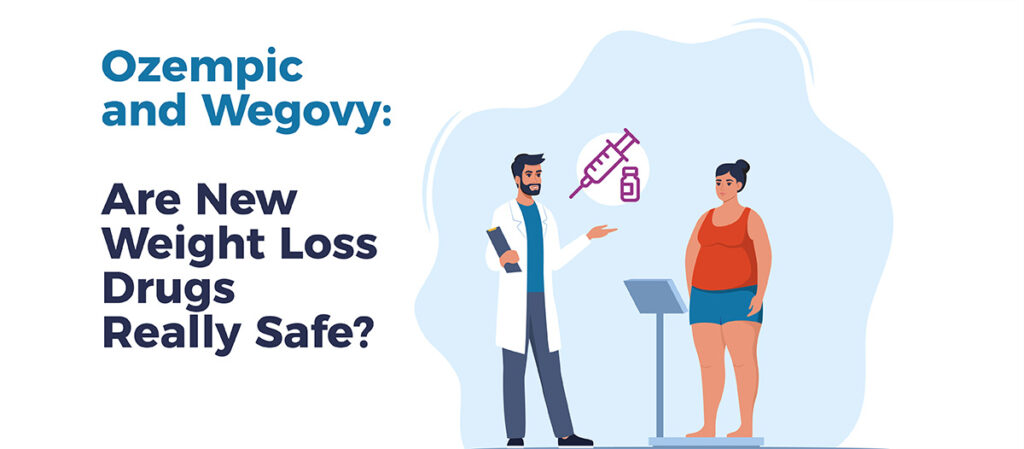
Ozempic and Wegovy: Are New Weight Loss Drugs Really Safe?

Ozempic and Wegovy: Are New Weight Loss Drugs Really Safe?


Summary: Recent reports about the safety of Ozempic and Wegovy, injectable drugs prescribed by doctors to help you lose weight, should make you think long and hard about using them.


You’ve probably heard a lot recently about a pair of blockbuster drugs — Wegovy and Ozempic (semaglutide) — for their effectiveness in helping people lose A LOT of weight.


Obesity affects so many Americans — more than 40 percent are obese according to the CDC — that people will try almost anything to lose weight.


Taking weekly injections of Wegovy or Ozempic work to slow down the emptying of the stomach and decrease one’s appetite, and could help someone drop about 12 percent of their body weight.


If these results sound almost too good to be true, the unfortunate reality for some patients has been heartbreaking and life-threatening.


The Problems with Semaglutide


According to reports received by the FDA, the most serious problems are associated with severe gastroparesis, also known as stomach paralysis. And, in one case reported by CNN, a woman suffered from severe gastroparesis along with nausea and cyclic vomiting syndrome (characterized by episodes of severe vomiting that can last for hours or days).


What’s more, the American Society of Anesthesiologists recently issued a warning urging patients to cease taking these medications up to a week before surgery. Their concern: A slower emptying of the stomach could allow patients to regurgitate and aspirate food into their airways and lungs when they’re sedated, even after fasting.


Even if you don’t have an extreme version of those kinds of problems, the most common side effects of Wegovy are nausea (44 percent of all users), diarrhea (30 percent) and vomiting and constipation (24 percent).


Also, for either of these drugs to work as directed, you must take them weekly to keep the weight off, or those extra pounds will come back quickly.


Are Weight Loss Drugs the Only Answer to Effective Weight Loss?


Did you know there’s a better, safer way to slow down your appetite, eat less and lose weight without the expense or common side effects of an injectable drug like Wegovy or Ozempic?


You may want to give your weight-loss journey a fresh start with the help of EndoMune Metabolic Rescue that contains 1 billion CFUs of beneficial Bifidobacterium lactis and 600 mg of the prebiotic XOS.


XOS is a proven prebiotic that spurs the production of short chain fatty acids (SCFAs) that trigger some of the same mechanisms Wegovy does to slow down the movement of food from your stomach and create a feeling of fullness naturally.


Resources


CNN Health


UC Health


Healthline


CBS News


CDC


Drugs.com


Ozempic and Wegovy: Are New Weight Loss Drugs Really Safe? Read More »

Close up of a woman's hand holding sand on a beach. Text reads "Does Your Child Need A Probiotic Sandbox?"

Does Your Child Need A “Probiotic” Sandbox?

Does Your Child Need A “Probiotic” Sandbox?

There is clean, and there is too clean, especially when it comes to protecting the gut health of your kids.

Soaps and cleaning products formulated with antibacterial and antimicrobial chemicals often do more harm than good, triggering gut health imbalances that can leave your child vulnerable to very basic health challenges like obesity.

Thanks to the hygiene hypothesis, we recognize exposing young children to a wider array of microbes strengthens their developing immune systems.

When kids are concerned, it can be tough to maintain a balance between healthy and unhealthy exposure to microbes which led European researchers to test the benefits of a probiotic sandbox that recently appeared in Ecotoxicology and Environmental Safety.


A Gut-Healthy Sandbox?

Scientists conducted a small, double-blind study with the help of six daycare centers in southern Finland. Two sets of sandboxes were enhanced with a microbial-rich powder containing soil, leaf litter and moss, while the remaining sandboxes featured a typical mix of sand and peat material.

For the study, 26 children (ages 3-5) participated in supervised play for 20 minutes twice a day for two weeks while researchers tracked microbial changes in skin, stool and blood samples before and after the 14 days.

Not surprisingly, children exposed to the microbial-rich sandboxes had more diverse skin and gut microbiomes and changes in their blood that revealed greater concentrations of immune cells.


Stick With A Probiotic

These results sound encouraging, but are they really practical for children not supervised by scientists?

Sandboxes require lots of oversight by parents to ensure they stay clean, especially if their children are still wearing diapers. And, there’s the potential for contamination from bugs and other creepy crawlies too.

A sandbox mixed with beneficial microbes sounds like a good idea, but it will never replace the reliable gut health benefits your child receives from taking a probiotic formulated for his/her developing microbiome like EndoMune Kids Advanced.


Resources

Ecotoxicology and Environmental Safety

International Scientific Association for Probiotics and Prebiotics (ISAPP)

WikiHow

Does Your Child Need A “Probiotic” Sandbox? Read More »

Man laying in bed with arms behind his head

Support Mental Health With Multi-Strain Probiotics

Enhance Mental Health With Multi-Strain Probiotics, Antidepressants

Modern medicine has really warmed up over the years to acknowledging the existence of the gut-brain axis, the vital connection that links your brain, emotions and intestines.

This relationship has become so familiar and accepted, modern medicine has begun to explore how probiotics may become an important tool in support of standard treatments for major depressive disorder (MDD), better known as depression.

That’s important, considering two-thirds of all patients don’t respond well initially to antidepressants, and nearly 30 percent of treatment-resistant patients experience additional symptoms when receiving specialized treatments.

Scientists at the University of Basel cited those downbeat numbers when sharing the very positive results of their study appearing in Translational Psychiatry that showed how multi-strain probiotics can make a real impact of the mental health of patients grappling with depression.


The Gut-Brain Axis Difference

Forty-seven patients completed the trial that compared mental health scores based on taking a multi-strain probiotic or a placebo in addition to their usual treatments for 31 days.

(Four of the eight strains of bacteria in the multi-strain probiotic used in this study are contained in EndoMune Advanced Probiotic, including ones from the Lactobacillus and Bifidobacterium families.)

Although symptoms of depression decreased among all patients, researchers observed a greater 55 percent improvement among those taking a multi-strain probiotic, not only in mental health scores but maintaining an abundance of good gut bacteria.

What’s more, the beneficial effect of taking a probiotic was observed in a reduction of neural activity in the portion of the brain that influences some motor behaviors and modes of learning known as the putamen.

One caveat to these good positive findings that most would expect: Levels of those health-promoting bacteria dropped four weeks after the end of the study, making scientists wonder if roughly a month was time enough to stabilize a patient’s gut and their gut-brain axis.

Taking a probiotic is a great non-drug solution for treating persistent health problems ranging from depression to irritable bowel syndrome.

The way to get the most out of any probiotic, like EndoMune, is to take it every day, and if you need some tips on taking one, check out our recently updated how-to basics for all age groups and the four good reasons why probiotics make such an important impact on your health.


Resources

Translational Psychiatry

University of Basel

Nutra Ingredients.com

Mayo Clinic

Support Mental Health With Multi-Strain Probiotics Read More »

Jar of peanut butter with peanuts next to it.

Can Probiotics Help Peanut Allergies

Probiotics: The Gut Solution to Peanut Allergies

Food allergies remain some of the most common and challenging health problems people face throughout their lifetimes.

More than 170 foods have been found to trigger allergic reactions, with peanuts topping the list among children (affecting 1 out of every 50 kids in America) and ranking third among adults (below shellfish and milk).

Avoiding foods containing peanuts can be really tricky, requiring you to pay close attention to food labels and menus. Even with close vigilance, you may still find peanuts as an ingredient in some unusual places, like chili, pizza, sauces, candies, ice creams and even lawn fertilizer.

For people who come in contact with peanuts, either through skin contact or eating them, the possible symptoms can range from the very uncomfortable (diarrhea, skin rash, cramps, swelling) to life-threatening (anaphylaxis).

Researchers at the Murdoch Children’s Research Institute have been testing the use of probiotics as a viable treatment for peanut allergies with much success, as we’ve shared with you previously.

A new study from the Australian-based institute has concluded a sizeable number of children treated with probiotics and oral immunotherapy achieved total remission and were able to eat peanuts safely.

Here’s how…


It’s All In The Genes!

Based on her previous work on peanut allergies, Dr. Mimi Tang and her Australian research team discovered the mechanism that facilitates the remission of these immunological problems via activity at the gene level.

For this latest randomized study, 62 children between ages 1-10 received a placebo or a probiotic containing a proprietary strain of Lactobacillus rhamnosus (one of the 10 strains of beneficial bacteria contained in EndoMune Advanced Probiotic) plus oral immunotherapy (the gradual introduction of peanuts) for 18 months.

After this first trial, 74 percent of the patients receiving a probiotic and oral immunotherapy achieved relief from their peanut allergies compared to just 4 percent of the placebo group.

Later on, a follow-up trial found about half of the children treated with oral immunotherapy and probiotics or oral immunotherapy alone achieved total remission and were able to eat peanuts safely.

“What we found was profound differences in network connectivity patterns between children who were allergic and those who were in remission,” says Dr. Tang, an immunologist/allergist and a well-known expert in food oral immunotherapy.

This molecular connectivity and communication triggered changes in allergen-specific Th2 cells (essential components in the development of food allergies) that “turned off” signaling in children whose peanut allergies were in remission.


Not So Fast…

While these latest results are great news for people who suffer from peanut allergies (while promoting good gut health), it could take a while before a final, rock-solid protocol to treat food allergies is put in place.

Until then, if you or your child suffer from an allergy to food like peanuts, we strongly recommend discussing any strategies with your doctor first.


Resources

Allergy

Murdoch Children’s Research Institute

Cleveland Clinic

Food Allergy Research and Education

Can Probiotics Help Peanut Allergies Read More »

Scroll to Top